Encyclopedia/2. Technology & The Built World/4. Energy & Transportation/06. Energy & Transportation Biographies • Curated by Admin Timeline.sg
Timeline of Wilbur and Orville Wright, American inventors who achieved the first powered flight in 1903 and pioneered three-axis control. Key milestones span from their births in 1867 and 1871 through the development of gliders, the breakthrough at Kitty Hawk, patents, and their lasting legacy.
Chronological Storyline (35 Milestones)
Apr 16, 1867 CE
Wilbur Wright Born
Wilbur Wright is born in Millville, Indiana, to Milton Wright and Susan Koerner. He will later co-invent the first successful airplane. #aviation #history
Wilbur Wright Born By Orville Wright and Wilbur Wright (credited as photographers) [1], [2] - Library of Congress, Public domain, https://commons.wikimedia.org/w/index.php?curid=30922972
Aug 19, 1871 CE
Orville Wright Born
Orville Wright is born in Dayton, Ohio. He will become the younger half of the Wright brothers team, working alongside Wilbur to achieve powered flight. #aviation #history
1878 CE
Toy Helicopter Gift
Milton Wright brings home a toy helicopter powered by rubber bands, sparking the brothers' lifelong interest in flight. The toy, based on Alphonse Pénaud's design, inspires them to build their own models. #aviation #invention
1889 CE
Wright Brothers Start Printing Business
Wilbur and Orville begin a printing business in Dayton, Ohio, publishing the West Side News. The venture showcases their mechanical ingenuity and entrepreneurial spirit. #history #innovation
1892 CE
Wright Cycle Company Opens
The brothers open the Wright Cycle Company, a bicycle sales and repair shop in Dayton. The bicycle business provides income and mechanical experience crucial for their later aviation work. #aviation #business
Wright Cycle Company Opens By Nyttend - Own work, Public domain, https://commons.wikimedia.org/w/index.php?curid=11022747
Aug 10, 1896 CE
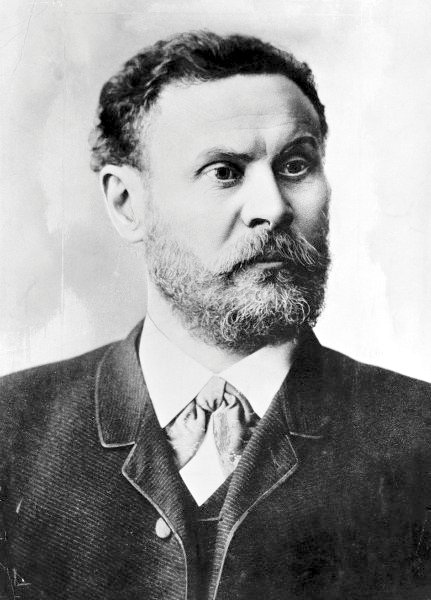
Otto Lilienthal Dies
German aviation pioneer Otto Lilienthal dies in a glider crash. The Wright brothers, who had admired his work, are motivated to carry forward his research, focusing on control and stability. #aviation #history
Otto Lilienthal Dies By Photographer: A. Regis - http://www.lilienthal-museum.de/olma/images/f0061.jpg, originally uploaded to en by User:Michael Shields, Public domain, https://commons.wikimedia.org/w/index.php?curid=36359
May 1, 1899 CE
Wrights Begin Aviation Experiments
Wilbur writes to the Smithsonian Institution requesting information on aeronautics, formally marking the start of their systematic study of flight. They begin building and testing kites and gliders. #aviation #research
Jul 1, 1899 CE
Wing-Warping Concept
Wilbur conceives the idea of wing-warping for lateral control after observing birds in flight. This becomes the basis for the three-axis control system that makes powered flight possible. #invention #aviation
Wing-Warping Concept By Orville Wright - Part of "The Dream of Flight" online exhibit in the American Treasures section at the U.S. Library of Congress. Image with narrative text at this location: https://www.loc.gov/exhibits/treasures/wb-achieve.html Image only at this location: https://www.loc.gov/exhibits/treasures/images/wb0056s.jpg, Public domain, https://commons.wikimedia.org/w/index.php?curid=4653919
Sep 1, 1900 CE
First Glider Tests at Kitty Hawk
The Wright brothers travel to Kitty Hawk, North Carolina, to test their first glider. The location offers steady winds and soft sand. The glider achieves limited success, but they learn valuable lessons about lift and control. #aviation #experiment
Jul 1, 1901 CE
Second Glider Trials
The Wrights test a larger glider with improved design at Kitty Hawk. The wing shape proves insufficient, leading to disappointing lift. They realize their earlier lift tables are inaccurate, prompting further research. #aviation #challenge
Oct 1, 1901 CE
Wind Tunnel Experiments Begin
Frustrated by inaccurate test data, the brothers build a wind tunnel in their bicycle shop. Over several months, they test over 200 wing shapes, producing the first reliable aeronautical data and enabling better designs. #science #invention
Sep 1, 1902 CE
Third Glider Achieves Control
Using data from the wind tunnel, the Wrights test their third glider at Kitty Hawk. It is the first aircraft with effective three-axis control (pitch, roll, yaw) via a movable rudder and wing-warping, solving the control problem. #aviation #breakthrough
Third Glider Achieves Control By Unknown author - This image is available from the United States Library of Congress's Prints and Photographs division under the digital ID ppprs.00571.This tag does not indicate the copyright status of the attached work. A normal copyright tag is still required. See Commons:Licensing., Public domain, https://commons.wikimedia.org/w/index.php?curid=169882821
Feb 1, 1903 CE
Patent Application for Flying Machine
Wilbur drafts a patent application for a 'flying machine' featuring their three-axis control system. The patent is eventually granted in 1906 and becomes the subject of legal battles. #patent #innovation
Patent Application for Flying Machine By Unknown authorUnknown author or not provided - U.S. National Archives and Records Administration, Public domain, https://commons.wikimedia.org/w/index.php?curid=80511298
Dec 14, 1903 CE
First Attempt at Powered Flight
Wilbur makes the first attempt to fly the Wright Flyer from a rail at Kitty Hawk. The aircraft stalls and damages the front elevator; repairs take two days. #aviation #attempt
First Attempt at Powered Flight By John T. Daniels - This image is available from the United States Library of Congress's Prints and Photographs division under the digital ID ppprs.00626.This tag does not indicate the copyright status of the attached work. A normal copyright tag is still required. See Commons:Licensing., Public domain, https://commons.wikimedia.org/w/index.php?curid=6224251
Dec 17, 1903 CE
First Powered Flight
Orville pilots the Wright Flyer for 12 seconds, covering 120 feet, marking the first sustained, controlled, powered flight. Three more flights that day confirm the achievement; the last by Wilbur covers 852 feet in 59 seconds. #aviation #history
Sep 15, 1904 CE
First Circular Flight
Wilbur flies the Wright Flyer II in a complete circle for the first time at Huffman Prairie, near Dayton. This demonstrates improved control and the ability to bank. #aviation #achievement
First Circular Flight By Wright brothers - This image is available from the United States Library of Congress's Prints and Photographs division under the digital ID ppprs.00643.This tag does not indicate the copyright status of the attached work. A normal copyright tag is still required. See Commons:Licensing., Public domain, https://commons.wikimedia.org/w/index.php?curid=4443937
Jun 23, 1905 CE
First Flight of Wright Flyer III
The Wright Flyer III, a vastly improved design, makes its first flight. It will become the world's first practical aircraft, capable of sustained, maneuverable flight. #aviation #innovation
First Flight of Wright Flyer III By Unknown author, Public domain, https://commons.wikimedia.org/w/index.php?curid=85601
Oct 5, 1905 CE
Record Flight: 39 Minutes
Wilbur flies the Flyer III for 39 minutes, covering 24 miles. This flight proves the aircraft's endurance and reliability, impressing potential buyers and the military. #aviation #record
May 22, 1906 CE
U.S. Patent Granted
The Wright brothers receive U.S. Patent No. 821,393 for a 'flying machine' based on their three-axis control system. The patent becomes central to their legal battles with Glenn Curtiss. #patent #law
Mar 1, 1907 CE
European Patent Applications
The Wrights file for patents in France and other European countries, securing international rights to their control system. This sets the stage for their demonstrations abroad. #patent #global
Jun 1, 1908 CE
U.S. Army Flight Trials Begin
The Wrights deliver a modified Flyer for U.S. Army trials at Fort Myer, Virginia. The aircraft must carry a passenger and fly for a sustained period to win a contract. #military #aviation
Aug 8, 1908 CE
Wilbur's First European Demonstration
Wilbur gives flight demonstrations at Le Mans, France, stunning European aviation enthusiasts and proving the Wrights' superiority. The flights generate intense public interest and sales inquiries. #aviation #demonstration
Sep 17, 1908 CE
Fort Myer Crash: Lieutenant Selfridge Dies
A propeller blade breaks during a flight test with Orville at the controls, causing the aircraft to crash. Orville is severely injured; passenger Thomas Selfridge dies, becoming the first airplane fatality. #tragedy #aviation
Fort Myer Crash: Lieutenant Selfridge Dies By Harper's Weekly - Harper's Weekly, September 26, 1903, Public domain, https://commons.wikimedia.org/w/index.php?curid=3317740
Jul 30, 1909 CE
Wright Brothers Deliver First Military Airplane
The Wrights successfully complete the U.S. Army trials with a new aircraft, earning the contract and selling the world's first military airplane to the Signal Corps. #military #aviation
Nov 22, 1909 CE
Wright Company Founded
The Wright Company is incorporated in New York City with backing from financiers. Wilbur and Orville serve as president and vice president, overseeing aircraft production and patent licensing. #business #aviation
Wright Company Founded By Attributed to Wilbur and/or Orville Wright. - This file was derived from: Exterior view of the Wright Company factory; Dayton, Ohio-1911.jpg:, Public domain, https://commons.wikimedia.org/w/index.php?curid=113969758
Jan 7, 1910 CE
First Commercial Freight Flight
The Wrights fly a roll of silk for a department store, making the first known commercial air freight delivery. The flight from Dayton to Columbus, Ohio, covers 65 miles. #commerce #aviation
1910 CE
Patent Lawsuits Against Curtiss Begin
The Wright brothers sue Glenn Curtiss and other aviators for patent infringement, sparking years of litigation that hamper the development of the American aviation industry. #law #patent
May 30, 1912 CE
Wilbur Wright Dies
Wilbur Wright dies of typhoid fever in Dayton, Ohio, at age 45. Orville succeeds him as president of the Wright Company and continues their aviation legacy. #aviation #obituary
1914 CE
Patent Victory for Wrights
A U.S. court rules in favor of the Wrights' patent claims, cementing their legal position. However, the victory is overshadowed by ongoing industry disputes and forthcoming license agreements. #patent #law
Oct 15, 1915 CE
Orville Sells Wright Company
Orville sells the Wright Company to a group of investors, including William Boeing and Glenn L. Martin, for $1.5 million. He remains as a consultant but turns his attention to other projects. #business #sale
1918 CE
Orville Makes Last Flight as Pilot
Orville flies a Wright Model B aircraft for the last time, ending his active flying career. He continues to support aviation through research and advocacy. #aviation #retirement
1927 CE
Guggenheim Fund Award
Orville is appointed as a consultant for the Guggenheim Fund for the Promotion of Aeronautics, helping to advance aviation education and infrastructure. #aviation #philanthropy
Nov 1, 1928 CE
Wright Flyer Donated to Smithsonian
Orville loans the original 1903 Wright Flyer to the Smithsonian Institution, ending a long dispute with the museum. The plane is later permanently exhibited at the National Air and Space Museum. #museum #legacy
1930 CE
Wright Brothers National Memorial Begins Construction
The U.S. Congress authorizes the construction of a memorial at Kill Devil Hills to honor the Wright brothers' achievements. The memorial is completed and dedicated in 1932. #monument #legacy
Wright Brothers National Memorial Begins Construction By Kevin A Pierce - Own work, CC BY-SA 4.0, https://commons.wikimedia.org/w/index.php?curid=62391904
Jan 30, 1948 CE
Orville Wright Dies
Orville Wright dies in Dayton, Ohio, at age 77 after a heart attack. He is buried in Woodland Cemetery alongside his brother Wilbur, leaving behind an enduring legacy in aviation. #aviation #obituary