470 BCE
Birth of Socrates (Alternate Date)
Some sources place Socrates' birth around 470 BCE, though 469 is more common. This entry acknowledges the uncertainty. #chronology
Biographical timeline of Socrates, the Athenian philosopher who pioneered the Socratic method and was executed in 399 BCE for corrupting youth and impiety.
Some sources place Socrates' birth around 470 BCE, though 469 is more common. This entry acknowledges the uncertainty. #chronology
Socrates is born in Athens, Greece, to Sophroniscus, a sculptor, and Phaenarete, a midwife. He will become the founding figure of Western philosophy. #philosophy #biography

Socrates grows up in the deme of Alopece during the Golden Age of Athens. He receives a basic education in gymnastics, music, and grammar. #ancientgreece #education
Following his father's profession, Socrates trains as a sculptor. Some accounts credit him with a statue of the Graces on the Acropolis. #art #sculpture
Socrates begins his philosophical inquiries, influenced by the teachings of Anaxagoras and Archelaus. He shifts focus from cosmology to ethics. #philosophy #ethics
Socrates is said to have studied under Archelaus, a philosopher of the Ionian school, which influenced his ethical turn. #philosophy #education )

Alcibiades, a charismatic Athenian politician, becomes a follower of Socrates. Their relationship is explored in Plato's dialogues. #politics #students

Socrates serves as a hoplite (heavy infantryman) at the siege of Potidaea. He displays remarkable endurance and saves the life of Alcibiades. #military #history
Socrates begins his distinctive method of dialogue, questioning citizens about definitions of moral concepts. This period marks the core of his philosophical activity. #philosophy #dialogue

Plato, Socrates' most famous student, is born. Plato's dialogues become the primary source for Socratic philosophy. #philosophy #students

Socrates fights at the Battle of Delium alongside Alcibiades and Laches. His calm retreat under pressure is noted by contemporaries. #war #philosophy
Aristophanes' comedy The Clouds lampoons Socrates as a sophist and atheist, influencing public opinion against him decades before his trial. #theatre #satire
Socrates participates in the Battle of Amphipolis, another engagement in the Peloponnesian War. His military service underscores his civic duty. #military #ancientgreece
Antisthenes, a student of Socrates, later founds the Cynic school of philosophy. #philosophy #cynicism

Socrates marries Xanthippe, known for her sharp temper. Their marriage later serves as fodder for anecdotes about Socratic endurance. #marriage #family
According to Xenophon, Socrates often criticized the Athenian assembly's decisions, using ironic remarks about majority rule. #democracy #irony
Socrates forms friendships with Alcibiades and Critias, both later infamous for their roles in Athenian politics. These ties later fuel accusations against him. #politics #philosophy
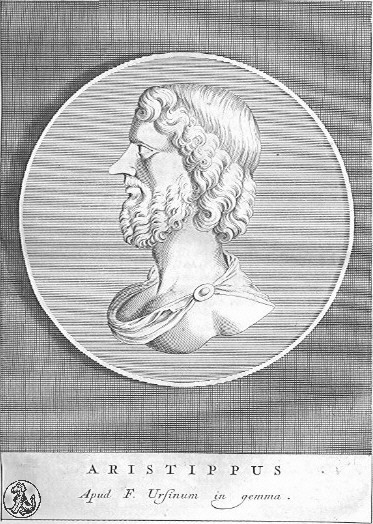
Aristippus, another student, adopts Socratic teachings to found the Cyrenaic school, emphasizing pleasure as the highest good. #philosophy #hedonism
In Plato's Parmenides, Socrates is depicted as a young man meeting the older Eleatic philosopher, though historically questionable. #philosophy #dialogue )

As a member of the prytany (executive council), Socrates alone opposes the illegal mass trial of the generals after the Battle of Arginusae, demonstrating his commitment to justice. #justice #democracy
During the rule of the Thirty Tyrants, Socrates is ordered to arrest Leon of Salamis for execution. He refuses, risking his life to uphold law. #civilcourage #tyranny
Critias, a former student of Socrates, becomes a leading member of the Thirty Tyrants, tarnishing Socrates' reputation by association. #politics #tyranny
After the restoration of democracy, an amnesty is declared for all but the most heinous crimes during the tyranny. This protects Socrates from immediate prosecution. #democracy #amnesty
With the fall of the Thirty Tyrants, democracy is restored in Athens. Socrates continues his philosophical activities in the agora. #democracy #history
Xenophon, another student of Socrates, begins recording Socratic dialogues. Xenophon's works provide key biographical details. #philosophy #literature

By this time, Socrates' method of questioning—elenchus—is fully developed. He engages Athenians in dialectical examinations of virtue, justice, and piety. #socraticmethod #philosophy

Plato composes the Apology, his version of Socrates' defense speech. It becomes the foundational text for Socratic philosophy. #philosophy #literature )
Xenophon writes the Memorabilia, a collection of Socratic conversations defending Socrates against accusations. #philosophy #biography )

Socrates is buried in Athens, though the exact location is unknown. His memory is preserved through the writings of his students. #burial #history
While awaiting execution, friends offer to help Socrates escape, but he refuses, citing his duty to obey the laws of Athens. This is recorded in Plato's Crito. #ethics #obedience

Meletus, a poet, files a formal indictment against Socrates, accusing him of corrupting the youth and impiety (not believing in the city's gods). The trial is set. #trial #history
Socrates defends himself in a speech recorded in Plato's Apology. He is found guilty by a narrow margin and later condemned to death after a defiant proposal. #apology #philosophy )
After the guilty verdict, Socrates proposes a fine but the jury votes for death by hemlock. He accepts the sentence with calm. #deathpenalty #philosophy
Socrates spends his last days discussing philosophy with friends, including the immortality of the soul, as depicted in Plato's Phaedo. #philosophy #afterlife

Socrates drinks hemlock poison and dies peacefully in the presence of his disciples. His death becomes a symbol of philosophical integrity. #death #philosophy
Plato writes the Crito, recounting Socrates' refusal to escape prison. The dialogue explores the social contract and civil disobedience. #philosophy #ethics
Plato's Phaedo describes Socrates' final hours and arguments for the soul's immortality. It becomes a cornerstone of Platonic philosophy. #philosophy #soul
Plato founds the Academy in Athens, institutionalizing Socratic dialogue and philosophy. #education #philosophy
Though dead, Socrates' influence grows through the works of Plato, Xenophon, and others. The Socratic method is adopted by later schools. #legacy #philosophy
The playwright Aristophanes had already parodied Socrates in The Clouds (423 BCE). This entry notes the earlier satire that contributed to his reputation. #literature #satire
