Satyajit Ray: Indian Parallel Cinema, Apu Trilogy & International Acclaim
Encyclopedia/4. Arts & Literature/4. Film, Television & Digital Media/04. Film & Screen Biographies • Curated by Admin Timeline.sg
Satyajit Ray (1921–1992) was a legendary Indian filmmaker, screenwriter, and composer, renowned for his humanistic storytelling and the Apu Trilogy. He pioneered parallel cinema in India, blending realism with lyrical beauty, and received the Academy Honorary Award in 1992 for his lifetime achievements.
Chronological Storyline (43 Milestones)
May 2, 1921 CE
Satyajit Ray Born in Calcutta
Satyajit Ray was born into a prominent Bengali family in Calcutta (now Kolkata). His grandfather was a writer and publisher, and his father was a poet and illustrator, exposing him to arts early on. #SatyajitRay #IndianCinema #BengaliCulture
Satyajit Ray Born in Calcutta By Dinu Alam Newyork - Own work, CC BY-SA 4.0, https://commons.wikimedia.org/w/index.php?curid=76483693
1940 CE
Enrolls at Visva-Bharati University
Ray joined Visva-Bharati University in Santiniketan, founded by Rabindranath Tagore, to study fine arts. This period deeply influenced his aesthetic sensibilities and humanistic worldview. #SatyajitRay #Education #Art
1943 CE
Works at British Advertising Agency
After graduating, Ray worked as a junior visualiser at D.J. Keymer, a British advertising agency in Calcutta. He honed his graphic design skills and began illustrating book covers. #SatyajitRay #Advertising #Design
1947 CE
Founds Calcutta Film Society
Ray co-founded the Calcutta Film Society with friends, screening foreign films and fostering film appreciation. This exposed him to Italian neorealism and Japanese cinema, shaping his directorial vision. #SatyajitRay #FilmSociety #Cinema
Founds Calcutta Film Society By Calcutta Film Society, Kolkata, India - Archives of CFS, Kolkata, Public domain, https://commons.wikimedia.org/w/index.php?curid=78344844
1949 CE
Marries Bijoya Ray
Ray married his cousin Bijoya Das, who later became his lifelong companion and collaborator. She supported his filmmaking career and occasionally worked as a script supervisor. #SatyajitRay #Family #Biography
1950 CE
Travels to London for Work
Ray was sent to London by his advertising agency. During his stay, he watched over 90 films, including Vittorio De Sica's Bicycle Thieves, which inspired him to make Pather Panchali. #SatyajitRay #ItalianNeorealism #Inspiration
1952 CE
Begins Filming Pather Panchali
Ray started shooting Pather Panchali, adapted from Bibhutibhushan Bandyopadhyay's novel, with a non-professional cast and limited budget. The production faced financial hurdles and took over two years. #SatyajitRay #PatherPanchali #ApuTrilogy
Aug 26, 1955 CE
Pather Panchali Released
Pather Panchali premiered in Calcutta and later won Best Human Document at the Cannes Film Festival. It launched Ray's career and the Apu Trilogy, gaining international acclaim for its poetic realism. #SatyajitRay #PatherPanchali #Cannes
1956 CE
Aparajito Released
The second film of the Apu Trilogy, Aparajito (The Unvanquished), follows Apu's adolescence and his mother's struggles. It won the Golden Lion at the Venice Film Festival, cementing Ray's global reputation. #SatyajitRay #Aparajito #ApuTrilogy
1958 CE
Parash Pathar Released
Ray's first comedy feature, Parash Pathar (The Philosopher's Stone), satirizes greed through a man who finds a stone that turns metal into gold. It showcased his versatility beyond serious drama. #SatyajitRay #Comedy #BengaliCinema
1959 CE
Apur Sansar Released
The final film of the Apu Trilogy, Apur Sansar (The World of Apu), depicts Apu's adulthood, marriage, and fatherhood. It is considered a masterpiece of world cinema, deeply moving and visually stunning. #SatyajitRay #ApurSansar #ApuTrilogy
1960 CE
Devi Released
Devi (The Goddess) critiques religious superstition as a young woman is worshipped as a goddess, leading to tragedy. It was Ray's first film in color and explored themes of faith and modernity. #SatyajitRay #Devi #SocialCommentary
1961 CE
Teen Kanya Released
Teen Kanya (Three Daughters) is an anthology film based on Rabindranath Tagore's stories, blending humor and pathos. It won the Best Short Film award at the Berlin International Film Festival. #SatyajitRay #Tagore #Anthology
1962 CE
Kanchenjungha Released
Kanchenjungha, Ray's first original screenplay, unfolds in real time in Darjeeling, exploring family dynamics and class tensions. It marked his first use of color in a feature film. #SatyajitRay #Kanchenjungha #ColorFilm
1963 CE
Mahanagar Released
Mahanagar (The Big City) follows a housewife who takes a job to support her family, challenging traditional gender roles. It was praised for its feminist themes and realistic portrayal of urban life. #SatyajitRay #Mahanagar #Feminism
1964 CE
Charulata Released
Charulata, based on Tagore's story 'Nastanirh', is a nuanced study of a lonely wife's emotional awakening. It is widely regarded as Ray's finest work, noted for its lyrical cinematography and performances. #SatyajitRay #Charulata #Tagore
1965 CE
Kapurush Released
Kapurush (The Coward) is a psychological drama about a man confronting his past love. It reflects Ray's interest in human relationships and moral dilemmas. #SatyajitRay #Kapurush #Drama
1966 CE
Nayak Released
Nayak (The Hero) follows a film star's journey by train, revealing his inner conflicts. It was nominated for the Golden Bear at Berlin and showcased Ray's critique of celebrity culture. #SatyajitRay #Nayak #Celebrity
1967 CE
Chidiakhana Released
Chidiakhana (The Zoo) is a children's film about a boy who befriends animals in a zoo. It demonstrated Ray's ability to make engaging films for younger audiences. #SatyajitRay #ChildrensFilm #Zoo
1968 CE
Goopy Gyne Bagha Byne Released
This musical fantasy comedy, based on a story by Ray's grandfather, became a beloved classic. It features two bumbling musicians who receive magical boons and outwit a wicked king. #SatyajitRay #GoopyGyne #Fantasy
1969 CE
Aranyer Din Ratri Released
Aranyer Din Ratri (Days and Nights in the Forest) follows four friends on a holiday, exploring class and gender dynamics. It is noted for its naturalistic style and complex characterizations. #SatyajitRay #AranyerDinRatri #Drama
1970 CE
Pratidwandi Released
Pratidwandi (The Adversary) is a political drama about a young man's disillusionment in Calcutta. It reflects the socio-political unrest of the time and Ray's growing engagement with contemporary issues. #SatyajitRay #Pratidwandi #PoliticalCinema
1971 CE
Seemabaddha Released
Seemabaddha (Company Limited) critiques corporate ethics and middle-class aspirations. It is the second film in Ray's Calcutta Trilogy, following Pratidwandi. #SatyajitRay #Seemabaddha #CalcuttaTrilogy
1972 CE
Sikkim Documentary Released
Ray directed a documentary on the Himalayan kingdom of Sikkim, commissioned by the Chogyal. The film was banned by the Indian government for political reasons and remained unseen for decades. #SatyajitRay #Documentary #Sikkim
1973 CE
Ashani Sanket Released
Ashani Sanket (Distant Thunder) depicts the Bengal famine of 1943 through a village couple's struggle. It won the Golden Bear at the Berlin International Film Festival. #SatyajitRay #AshaniSanket #Famine
1974 CE
Sonar Kella Released
Sonar Kella (The Golden Fortress) is the first film featuring detective Feluda, a popular character created by Ray. It became a cult classic and spawned a series of Feluda films. #SatyajitRay #Feluda #Mystery
1975 CE
Jana Aranya Released
Jana Aranya (The Middleman) completes the Calcutta Trilogy, exploring corruption and survival in urban India. It won the National Film Award for Best Feature Film. #SatyajitRay #JanaAranya #CalcuttaTrilogy
1976 CE
Bala Documentary Released
Ray made a documentary on the classical dancer Balasaraswati, capturing her artistry and life. It was a tribute to Indian classical dance. #SatyajitRay #Documentary #Dance
1977 CE
Shatranj Ke Khilari Released
Shatranj Ke Khilari (The Chess Players) is Ray's first film in Hindi/Urdu, set in 1856 Lucknow. It examines the British annexation of Awadh through the metaphor of chess. #SatyajitRay #ShatranjKeKhilari #Historical
1978 CE
Joi Baba Felunath Released
The second Feluda film, Joi Baba Felunath (The Elephant God), follows the detective to Varanasi solving a theft. It is praised for its atmospheric storytelling. #SatyajitRay #Feluda #Mystery
1979 CE
Hirak Rajar Deshe Released
A sequel to Goopy Gyne Bagha Byne, this political allegory critiques authoritarianism. It uses fantasy to comment on contemporary politics. #SatyajitRay #GoopyGyne #Fantasy
1980 CE
Pikoo Released
Pikoo is a short film about a boy coping with his parents' marital discord. It was made for French television and showcases Ray's sensitivity to children's perspectives. #SatyajitRay #ShortFilm #Children
1981 CE
Sadgati Released
Sadgati (Deliverance) is a telefilm based on a Premchand story, critiquing caste oppression. It was produced for Doordarshan and won several awards. #SatyajitRay #Sadgati #Caste
1982 CE
Ghare-Baire Released
Ghare-Baire (The Home and the World), based on Tagore's novel, explores nationalism and personal conflict. It was nominated for the Palme d'Or at Cannes. #SatyajitRay #GhareBaire #Tagore
Ghare-Baire Released By Rabindranath Tagore - https://archive.org/details/hometheworld00tagouoft, Public domain, https://commons.wikimedia.org/w/index.php?curid=41238810
1983 CE
Receives Honorary César Award
Ray was awarded the Honorary César for his contribution to world cinema. It recognized his enduring impact on filmmaking globally. #SatyajitRay #CésarAward #Honorary
1984 CE
Home and the World Premiere
Ghare-Baire premiered at the Cannes Film Festival, receiving critical acclaim. It was Ray's last major feature before his health declined. #SatyajitRay #Cannes #GhareBaire
1985 CE
Receives Dadasaheb Phalke Award
Ray was honored with the Dadasaheb Phalke Award, India's highest film award, for his lifetime contribution to Indian cinema. #SatyajitRay #DadasahebPhalke #IndianCinema
Receives Dadasaheb Phalke Award By Ministry of Information and Broadcasting - https://www.pib.gov.in/ShowAlbum.aspx?albumid=204147, GODL-India, https://commons.wikimedia.org/w/index.php?curid=175481584
1987 CE
Sukumar Ray Documentary
Ray directed a documentary on his father, Sukumar Ray, a renowned Bengali poet and illustrator. It was a personal tribute to his father's legacy. #SatyajitRay #Documentary #Father
Sukumar Ray Documentary By historytoday.com - http://www.historytoday.com/sites/default/files/ray_main.jpg, Public domain, https://commons.wikimedia.org/w/index.php?curid=22323333
1989 CE
An Enemy of the People Released
Ray adapted Ibsen's play into a Bengali film, starring his son Sandip Ray. It was his last completed feature film. #SatyajitRay #Ibsen #Adaptation
1990 CE
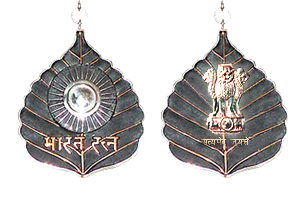
Receives Bharat Ratna
Ray was awarded the Bharat Ratna, India's highest civilian honor, for his cultural contributions. He was the first filmmaker to receive this award. #SatyajitRay #BharatRatna #Honor
Receives Bharat Ratna By Government of India - https://knowindia.gov.in/general-information/bharat-ratna.php, CC BY-SA 4.0, https://commons.wikimedia.org/w/index.php?curid=105819869
1991 CE
Health Deteriorates
Ray suffered from heart problems and was hospitalized. Despite his illness, he continued to work on scripts and projects. #SatyajitRay #Health #Biography
Mar 23, 1992 CE
Receives Academy Honorary Award
Ray was presented with an Academy Honorary Award for his lifetime achievement in cinema. He received it from his hospital bed via video, a poignant moment in film history. #SatyajitRay #Oscars #HonoraryAward
Receives Academy Honorary Award By Gage Skidmore - Own work, CC BY-SA 3.0, https://commons.wikimedia.org/w/index.php?curid=188857633
Apr 23, 1992 CE
Satyajit Ray Dies
Ray passed away in Calcutta at age 70 due to heart complications. His death marked the end of an era in Indian cinema, but his legacy continues to inspire filmmakers worldwide. #SatyajitRay #RIP #Legend