Oct 17, 1919 CE
RCA Founded
The Radio Corporation of America (RCA) is founded as a subsidiary of General Electric to acquire the assets of the American Marconi company, establishing a dominant position in radio. #history #technology
RCA (Radio Corporation of America) was a pioneering American electronics company founded in 1919, playing a central role in the development of radio, television, and satellite communications. Its trajectory included the creation of NBC, major innovations in color TV and records, and eventual acquisition by General Electric in 1986, leading to the dissolution of its core operations.
The Radio Corporation of America (RCA) is founded as a subsidiary of General Electric to acquire the assets of the American Marconi company, establishing a dominant position in radio. #history #technology
RCA broadcasts the first commercial radio program through station WJZ (later WABC), marking the start of regular radio broadcasting in the US. #radio #history
RCA forms the National Broadcasting Company (NBC) as a subsidiary, creating the first major radio network in the United States. #broadcasting #history

RCA acquires the Victor Talking Machine Company, gaining the iconic Nipper logo and entering the phonograph and record business, forming RCA Victor. #music #business
RCA starts mass-producing radios for the consumer market, becoming a leading manufacturer of radio receivers. #manufacturing #technology
RCA engineer Vladimir Zworykin develops the iconoscope, a key component for electronic television, laying groundwork for television technology. #television #invention

Under government antitrust pressure, RCA agrees to license its radio patents to competitors on nondiscriminatory terms, opening the industry. #antitrust #law
RCA showcases its electronic television system at the 1939 New York World's Fair, including the first live TV broadcast of a presidential speech by FDR. #television #history

RCA's technology is instrumental in the National Television System Committee (NTSC) standard for black-and-white television broadcasting in the US. #television #standard

RCA produces radar and other military electronics for World War II, including the SCR-268, becoming a major defense contractor. #war #technology
RCA begins mass production of television sets for the consumer market, with the 630TS model leading early sales. #television #consumer
RCA Victor launches the 45 RPM vinyl record as a competitor to Columbia's 33⅓ RPM LP, revolutionizing the music industry. #music #technology

The FCC adopts RCA's color television system as the US standard, triumphing over CBS's mechanical system and enabling color broadcasting. #television #history

RCA introduces the CT-100, the first mass-produced color television set, priced at $1,000, marking the commercial start of color TV. #television #consumer

RCA develops the RCA 501, one of the first fully transistorized commercial computers, entering the data processing market. #computing #technology

RCA provides equipment for Project Echo, the first passive communications satellite, demonstrating the feasibility of satellite communications. #space #technology

RCA builds the ground station and communications equipment for Telstar, the first active communications satellite, enabling live transatlantic TV. #space #television

RCA launches the Spectra 70 series, a family of IBM-compatible mainframe computers, aiming to compete with IBM in the corporate market. #computing #business

RCA diversifies into publishing by acquiring Random House, one of the largest book publishers, for $40 million. #publishing #business
RCA builds Satcom-1 (later RCA Satcom) for its own satellite system, becoming a major provider of satellite communications services. #space #technology
RCA's computer business suffers major losses, forcing the company to reassess its commitment to the IBM-dominated mainframe market. #computing #business
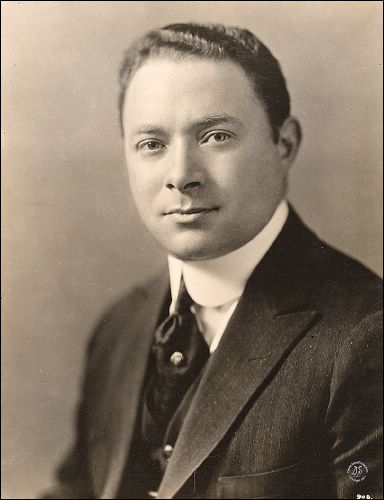
Founder David Sarnoff passes away; his son Robert Sarnoff takes over as chairman, facing challenges from RCA's diversification struggles. #leadership #history
RCA sells its mainframe computer division to Sperry Rand (Univac), exiting the computer market after heavy losses. #computing #business
RCA launches SelectaVision, a magnetic tape video recorder for home use (VCR format), competing with Sony's Betamax. #technology #homevideo
RCA sells Random House to Newhouse Newspapers, reversing its diversification strategy and focusing on core electronics. #publishing #business
RCA introduces the SelectaVision VideoDisc system, a capacitance-based video disc player, intending to compete with VCRs. #technology #homevideo

RCA discontinues the SelectaVision VideoDisc after poor sales, resulting in a $580 million write-off, one of the largest consumer electronics failures. #business #failure
RCA sells the NBC Radio Network to Westwood One, ending its ownership of the original radio network. #broadcasting #business

General Electric (GE) announces a $6.4 billion merger with RCA, reuniting the company with its founding parent after decades. #business #merger
GE completes the acquisition of RCA and immediately sells most of RCA's consumer electronics division to Thomson SA (France), retaining NBC and other assets. #business #history
Thomson begins selling television sets under the RCA brand, continuing the brand's presence in the market despite the end of the original company. #television #brand
After the dissolution, the RCA brand is licensed to multiple companies for consumer electronics, home appliances, and other products, becoming a licensing asset. #brand #licensing
Audiovox acquires the rights to the RCA brand for consumer electronics, later becoming Voxx International, managing the brand globally. #brand #business
The RCA brand re-enters the TV market under license by TTE Technology (a joint venture between TCL and Thomson), selling affordable LCD TVs. #television #brand
The RCA brand remains active in consumer electronics, appliances, and audio products through multiple licensees, with annual retail sales in the billions. #brand #modern