1956 CE
GM-NAA I/O Operating System
General Motors and North American Aviation develop the GM-NAA I/O, one of the first operating systems for the IBM 704, introducing batch processing and I/O management. #computing #history
The evolution of operating systems from early batch processing to Unix, Linux, and cloud-native systems, highlighting key milestones in software architecture, standardization, and distributed computing.
General Motors and North American Aviation develop the GM-NAA I/O, one of the first operating systems for the IBM 704, introducing batch processing and I/O management. #computing #history
MIT's CTSS introduces time-sharing, allowing multiple users to interact with a computer simultaneously, a precursor to modern multi-user operating systems. #computing #history

IBM launches the System/360 mainframe family with the OS/360 operating system, introducing a unified architecture and multiprogramming. #computing #history

MIT, GE, and Bell Labs start developing Multics, a pioneering time-sharing operating system that influences later systems like Unix. #computing #history

Ken Thompson, Dennis Ritchie, and others at Bell Labs develop the first version of Unix on a PDP-7, emphasizing simplicity and portability. #unix #computing

Unix First Edition is released, written in assembly language, including the first Unix programmer's manual. #unix #computing
Dennis Ritchie develops the C programming language at Bell Labs, enabling Unix to be rewritten in a high-level language for portability. #programming #unix )

Unix is rewritten in C, making it the first portable operating system, a milestone that influences OS design. #unix #computing
Thompson and Ritchie publish a paper on Unix, spreading its design principles widely. #unix #computing
Unix V6 is released, becoming widely used in academic settings and influencing BSD. #unix #computing
The Berkeley Software Distribution (BSD) is released, adding features like the vi editor and TCP/IP stack. #unix #computing
Unix V7 is released, considered the last true Research Unix, with improved portability and the Bourne shell. #unix #computing

Xerox PARC's Alto computer features a graphical user interface and desktop metaphor, influencing future operating systems. #computing #history

Microsoft releases MS-DOS for the IBM PC, becoming the dominant operating system for personal computers. #computing #history

Richard Stallman announces the GNU Project to create a free Unix-like operating system, leading to the GNU General Public License. #opensource #computing

Apple releases the Macintosh with System 1, featuring a graphical user interface and mouse, popularizing the GUI. #computing #history
Microsoft releases Windows 1.0, a graphical extension for MS-DOS, laying the foundation for future Windows versions. #computing #history
Andrew Tanenbaum releases Minix, a Unix-like operating system for educational purposes, which inspires Linux. #computing #education

IEEE begins work on POSIX, a set of standards for Unix-like operating system interfaces, ensuring compatibility. #standards #unix
Linus Torvalds announces the Linux kernel on comp.os.minix, starting development of a free Unix-like kernel. #linux #opensource

Torvalds re-licenses Linux under the GNU General Public License, enabling widespread collaboration. #linux #opensource
FreeBSD 1.0 is released, based on BSD Unix, becoming a popular open-source operating system. #unix #opensource

Microsoft releases Windows 95, integrating MS-DOS and Windows with a new GUI, plug-and-play, and internet support. #computing #history
The POSIX.1 standard (IEEE 1003.1) is published, defining core services for Unix-like operating systems. #standards #unix
Be Inc. releases BeOS, a multimedia-focused operating system with a modern kernel and GUI. #computing #history

Apple releases Mac OS X Public Beta, based on the Unix-derived Darwin kernel, combining stability with a user-friendly interface. #apple #unix
Microsoft releases Windows XP, merging consumer and business lines with a new GUI and improved stability. #computing #history
Fedora is launched as a community-supported Linux distribution sponsored by Red Hat, promoting rapid innovation. #linux #opensource

Ubuntu 4.10 is released, aiming to make Linux user-friendly and accessible, quickly gaining popularity. #linux #opensource

Sun Microsystems releases Solaris 10, introducing DTrace for dynamic tracing and ZFS for advanced file systems. #unix #computing

Apple releases the iPhone with iPhone OS, a mobile operating system based on Darwin, revolutionizing smartphones. #mobile #apple

Google releases Android 1.0, an open-source mobile OS based on Linux, becoming the dominant smartphone platform. #mobile #linux )
Google announces Chrome OS, a Linux-based operating system focused on web applications and cloud computing. #cloud #linux
Microsoft releases Windows 8 with a touch-optimized Metro interface, marking a shift towards hybrid devices. #computing #history
Docker is released, popularizing containerization on Linux, enabling lightweight virtualization and DevOps practices. #cloud #devops )

Google releases Kubernetes 1.0, an open-source container orchestration system, becoming the standard for cloud-native applications. #cloud #devops
Microsoft releases Windows 10, unifying the OS across devices with a return to the Start Menu and universal apps. #computing #history
Apple renames OS X to macOS Sierra, integrating Siri and cloud features, continuing the Unix-based evolution. #apple #unix
Linux kernel 4.0 is released, featuring live patching and improved support for modern hardware. #linux #opensource
Microsoft announces Windows 11 with a redesigned UI, Android app support, and enhanced security features. #computing #history
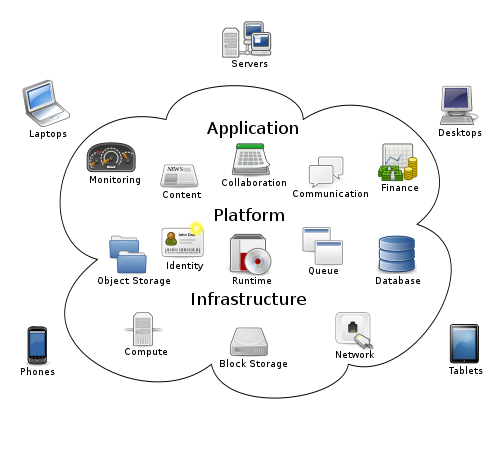
Cloud operating systems like AWS Bottlerocket and Google's Container-Optimized OS gain traction, optimized for container workloads. #cloud #linux
Linux kernel 5.10 LTS is released, providing long-term support for enterprise and embedded systems. #linux #opensource
Windows 11 expands ARM support, enabling native emulation for x64 apps, bridging the gap with mobile architectures. #computing #history
Linux kernel 6.0 is released, with improvements in performance, security, and hardware support, continuing its dominance. #linux #opensource