Encyclopedia/4. Arts & Literature/1. Literature, Mythology & Folklore/01. Classical & Ancient Literature • Curated by Admin Timeline.sg
Classical Epic Poetry, from ancient Greece to Rome, shaped Western literary tradition through foundational works like the Iliad, Odyssey, and Aeneid, influencing subsequent epic poetry and narrative forms.
Chronological Storyline (49 Milestones)
800 BCE
Homer Composes the Iliad
The Iliad, attributed to Homer, is composed orally, depicting the Trojan War and the wrath of Achilles. It establishes the epic genre with its dactylic hexameter, heroic code, and divine intervention. #epicpoetry #classics #literature
Homer Composes the Iliad By Osama Shukir Muhammed Amin FRCP(Glasg) - Own work, CC BY-SA 4.0, https://commons.wikimedia.org/w/index.php?curid=105002189
750 BCE
Homer Composes the Odyssey
The Odyssey, also attributed to Homer, follows Odysseus's journey home after the Trojan War. It introduces the concept of nostos (homecoming) and influences later adventure narratives. #epicpoetry #classics #literature
Homer Composes the Odyssey By Zunkir - Own work, CC BY-SA 4.0, https://commons.wikimedia.org/w/index.php?curid=152028761
700 BCE
Hesiod Writes Theogony and Works and Days
Hesiod's Theogony systematizes Greek mythology, detailing the origins of the gods. Works and Days offers didactic epic on farming and morality, expanding epic themes beyond heroic warfare. #epicpoetry #mythology #didactic
Hesiod Writes Theogony and Works and Days By Yair Haklai - Own work, CC BY-SA 4.0, https://commons.wikimedia.org/w/index.php?curid=93437400
600 BCE
Archaic Greek Epic Cycle Flourishes
The Epic Cycle, a collection of lost poems covering the Trojan War saga, supplements Homer. Though fragmentary, it influences later Greek and Roman literature, including Virgil's Aeneid. #epicpoetry #greekmythology #lostworks
Archaic Greek Epic Cycle Flourishes By Sosias (potter, signed). Painting attributed to the Sosias Painter (name piece for Beazley, overriding attribution) or the Kleophrades Painter (Robertson) or Euthymides (Ohly-Dumm) - User:Bibi Saint-Pol, own work, 2008, Public domain, https://commons.wikimedia.org/w/index.php?curid=3574713
500 BCE
Pindar Composes Victory Odes
Pindar's epinician odes celebrate athletic victories, blending lyric and epic elements. His complex style and mythological allusions influence later epic poets like Horace. #epicpoetry #lyric #greekliterature
Pindar Composes Victory Odes By NikonZ7II - Own work, CC BY-SA 4.0, https://commons.wikimedia.org/w/index.php?curid=117241058
300 BCE
Apollonius of Rhodes Writes Argonautica
Apollonius's Argonautica recounts Jason's quest for the Golden Fleece, introducing the Hellenistic epic with psychological depth and romance. It influences Virgil and later epic tradition. #epicpoetry #hellenistic #argonauts
Apollonius of Rhodes Writes Argonautica By Charles de La Fosse - Photograph: Own work, 25 March 2011, 12:04:33, Coyau, CC BY-SA 3.0, https://commons.wikimedia.org/w/index.php?curid=14842675
240 BCE
Livius Andronicus Translates Odyssey into Latin
Livius Andronicus, a Greek slave, translates the Odyssey into Latin Saturnian verse, introducing Roman audiences to Greek epic. This marks the beginning of Latin literature. #epicpoetry #romantranslation #latinliterature
Livius Andronicus Translates Odyssey into Latin By PGS 1984 - information from the source may be found on the original file. I did the manual job - (there: extracting the high resolution PDF scan from Google Books - since there's no automatic option), converting it into an image, cropping it, editing it with an online tool (https://picwish.com/it/remove-image-watermark) to remove library mark and lettering flourishes. I did it all for this express purpose, to have a portrait of Livius Andronicus to link to its Wikidata item. - Own work. This file was derived from: Biografia degli uomini illustri del Regno di Napoli, Livio Andronico.jpg, CC BY-SA 4.0, https://commons.wikimedia.org/w/index.php?curid=183710038
200 BCE
Naevius Writes Bellum Poenicum
Naevius composes Bellum Poenicum, an epic on the First Punic War, blending Roman history with myth. It establishes the Roman national epic tradition and influences Ennius. #epicpoetry #romanhistory #nationalepic
Naevius Writes Bellum Poenicum By The Quill (talk) - Own work (Original text: I created this work entirely by myself.), Public domain, https://commons.wikimedia.org/w/index.php?curid=6092452
180 BCE
Ennius Publishes Annales
Ennius's Annales, a hexameter epic on Roman history from Aeneas to his own time, becomes the national epic before Virgil. It introduces Greek hexameter to Latin and influences later Roman poets. #epicpoetry #romanhistory #hexameter
100 BCE
Lucretius Writes De Rerum Natura
Lucretius's didactic epic expounds Epicurean philosophy in hexameters, blending scientific and poetic discourse. It influences later philosophical poetry and Virgil's Georgics. #epicpoetry #philosophy #didactic
Lucretius Writes De Rerum Natura By In Latin, Copied by Girolamo di Matteo de Tauris for Sixtus IV, Italy, 1483 - https://www.ibiblio.org/expo/vatican.exhibit/exhibit/f-medicine_bio/Medicine_bio.html, Public domain, https://commons.wikimedia.org/w/index.php?curid=6510046
70 BCE
Catullus Writes Epyllion Poem 64
Catullus's epyllion on Peleus and Thetis showcases the miniature epic form, with intricate narrative and ekphrasis. It influences later Latin poets like Ovid. #epicpoetry #epyllion #latinpoetry
Catullus Writes Epyllion Poem 64 By Sebastiano Ricci - The Yorck Project (2002) 10.000 Meisterwerke der Malerei (DVD-ROM), distributed by DIRECTMEDIA Publishing GmbH. ISBN: 3936122202., Public domain, https://commons.wikimedia.org/w/index.php?curid=158307
29 BCE
Virgil Begins Composing the Aeneid
Virgil starts the Aeneid, a Latin epic linking Rome's origins to the Trojan hero Aeneas. It becomes the Roman national epic, influencing Dante, Milton, and Western literature. #epicpoetry #romanempire #nationalepic
Virgil Begins Composing the Aeneid By Federico Barocci - Web Gallery of Art, Uploaded to en.wikipedia 03:45 28 Jul 2004 by en:User:Wetman., Public domain, https://commons.wikimedia.org/w/index.php?curid=109125
19 BCE
Virgil Dies, Aeneid Published Posthumously
Virgil dies before finalizing the Aeneid; Augustus orders its publication. The epic's 12 books establish the model for later European epics, blending Homeric motifs with Roman ideology. #epicpoetry #classics #literature
Virgil Dies, Aeneid Published Posthumously By Boyd Dwyer - IMG_4632, Public domain, https://commons.wikimedia.org/w/index.php?curid=39115301
8 CE
Ovid Completes Metamorphoses
Ovid's Metamorphoses is a mythological epic in 15 books, chronicling transformations from creation to Julius Caesar's deification. Its narrative fluidity influences Chaucer, Shakespeare, and later poets. #epicpoetry #mythology #transformation
Ovid Completes Metamorphoses By Ovidius Naso, Publius - Available in the BEIC digital library and uploaded in partnership with BEIC Foundation., Public domain, https://commons.wikimedia.org/w/index.php?curid=39705018
60 CE
Lucan Writes Pharsalia
Lucan's Pharsalia (De Bello Civili) is an epic on Caesar vs. Pompey, rejecting divine machinery for historical realism. It influences later historical epics and critiques imperial power. #epicpoetry #romanhistory #civilwar
Lucan Writes Pharsalia By Book printed by the Officina Plantiniana (Plantin/Moretus), Antwerp. Scan by Aristeas - Own work, Public domain, https://commons.wikimedia.org/w/index.php?curid=8922524
90 CE
Statius Publishes Thebaid
Statius's Thebaid, an epic on the Seven Against Thebes, imitates Virgil and Lucan. Its 12 books and mythological themes influence medieval and Renaissance epic poets. #epicpoetry #mythology #silverlatin
Statius Publishes Thebaid By Henry Fuseli - National Gallery of Art, Washington, D. C., online collection, Public domain, https://commons.wikimedia.org/w/index.php?curid=50185922
100 CE
Silius Italicus Writes Punica
Silius Italicus's Punica, the longest extant Latin epic, covers the Second Punic War. It emulates Virgil and Livy, preserving historical details and influencing later epic historiography. #epicpoetry #romanhistory #punicwars
Silius Italicus Writes Punica By Silius Italicus, Public domain, https://commons.wikimedia.org/w/index.php?curid=70241482
120 CE
Valerius Flaccus Writes Argonautica
Valerius Flaccus's Argonautica, an unfinished Latin epic on Jason's quest, adapts Apollonius with Roman sensibilities. It influences later epic treatments of the Argonaut myth. #epicpoetry #argonauts #latinliterature
400 CE
Claudian Composes Panegyric Epics
Claudian, a late Latin poet, writes panegyric epics like De Raptu Proserpinae and political poems. His work bridges classical and medieval epic, influencing later allegorical epics. #epicpoetry #latelatin #panegyric
500 CE
Boethius Writes Consolation of Philosophy
Boethius's Consolation of Philosophy, a prosimetrum with poetic sections, blends epic themes of fortune and wisdom. It influences medieval allegorical epics and Dante's Divine Comedy. #epicpoetry #philosophy #medieval
Boethius Writes Consolation of Philosophy By Boethius - 2d copy, Public domain, https://commons.wikimedia.org/w/index.php?curid=72659915
600 CE
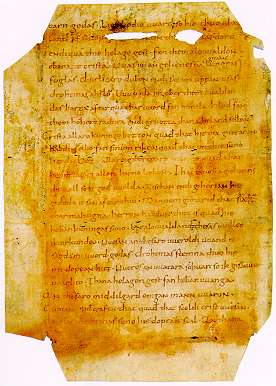
Beowulf Composed in Old English
Beowulf, an Old English epic poem, recounts the hero's battles with Grendel, Grendel's mother, and a dragon. It represents the Germanic heroic tradition and influences later fantasy epics. #epicpoetry #oldenglish #heroic
Beowulf Composed in Old English By anonymous Anglo-Saxon poet - This file has been provided by the British Library from its digital collections. Links to the British Library's website may be broken as the library recovers from a October 2023 cyber attack, and will be updated once material becomes accessible online. For more information on the attack see: https://www.bl.uk/about/cyber-attack It is also made available on a British Library website. Catalogue entry: Cotton MS Vitellius A XV, ff 94r–209v, Public domain, https://commons.wikimedia.org/w/index.php?curid=30380424
700 CE
Caedmon's Hymn: Earliest English Christian Epic
Caedmon's Hymn, a short Old English poem, marks the beginning of Christian epic in England. It adapts Germanic alliterative verse to praise God, influencing later religious epics. #epicpoetry #oldenglish #christian
The Heliand, an Old Saxon epic poem, retells the life of Christ in alliterative verse, blending Germanic heroic style with Christian narrative. It influences later vernacular biblical epics. #epicpoetry #oldsaxon #biblical
The Heliand: Old Saxon Gospel Epic By German Historical Museum - http://www.dhm.de/ENGLISH/sammlungen/bibliothek/heliand.html, Public domain, https://commons.wikimedia.org/w/index.php?curid=23168568
1000 CE
The Song of Roland Composed
The Song of Roland, an Old French chanson de geste, recounts Roland's death at Roncevaux. It exemplifies the medieval epic of feudal loyalty and Christian warfare, influencing later romance epics. #epicpoetry #chansondegeste #medieval
The Song of Roland Composed By Simon Marmion - Grandes Chroniques de France, St. Petersburg, Ms. Hermitage. fr. 88: (Niederl. Burgund, Mitte 15. Jh., Exemplar Philipps des Guten), folio. 154v, Public domain, https://commons.wikimedia.org/w/index.php?curid=1913372
1100 CE
El Cid: Spanish National Epic
The Cantar de mio Cid, a Spanish epic, celebrates the exploits of Rodrigo Díaz de Vivar. It blends historical and legendary elements, establishing the Spanish epic tradition. #epicpoetry #spanishliterature #nationalepic
El Cid: Spanish National Epic By Per Abbat (copista) - http://www.laits.utexas.edu/cid/mo/jpg/01r.jpg, Public domain, https://commons.wikimedia.org/w/index.php?curid=2944922
1200 CE
Nibelungenlied: German Heroic Epic
The Nibelungenlied, a Middle High German epic, combines Norse mythology and historical legend. It influences Wagner's Ring cycle and later German literature. #epicpoetry #germanliterature #mythology
Nibelungenlied: German Heroic Epic By Unknown author - https://digital.blb-karlsruhe.de/738115, Public domain, https://commons.wikimedia.org/w/index.php?curid=331211
1300 CE
Dante Alighieri Writes Divine Comedy
Dante's Divine Comedy, an allegorical epic in terza rima, describes his journey through Hell, Purgatory, and Paradise. It synthesizes classical and Christian traditions, becoming a cornerstone of Western literature. #epicpoetry #dante #allegory
Dante Alighieri Writes Divine Comedy By Domenico di Michelino / After Alesso Baldovinetti - https://twitter.com/museofirenze/status/1075345296048181248 This is a retouched picture, which means that it has been digitally altered from its original version. Modifications: brightened image., Public domain, https://commons.wikimedia.org/w/index.php?curid=133465311
1350 CE
Petrarch Writes Africa
Petrarch's Africa, a Latin epic on Scipio Africanus, revives classical epic in the Renaissance. Though unfinished, it influences later humanist epics and the revival of classical forms. #epicpoetry #renaissance #humanism
Petrarch Writes Africa By Francesco Petrarca - Annotatio nonnullorum librorum seu epistolarum Francisci Petrarche, Public domain, https://commons.wikimedia.org/w/index.php?curid=80366009
1400 CE
Chaucer Writes Troilus and Criseyde
Chaucer's Troilus and Criseyde, a narrative poem in rhyme royal, adapts Boccaccio's Il Filostrato. It blends epic themes of love and war, influencing later English epic and romance. #epicpoetry #chaucer #middleenglish
Chaucer Writes Troilus and Criseyde By Unknown, likely English illuminator from 1400 - 1425 - Cambridge, Corpus Christi College, MS 061: Geoffrey Chaucer, Troilus and Criseyde https://parker.stanford.edu/parker/catalog/dh967mz5785, Public domain, https://commons.wikimedia.org/w/index.php?curid=137425788
1500 CE
Ariosto Publishes Orlando Furioso
Ariosto's Orlando Furioso, a chivalric romance epic, continues Boiardo's Orlando Innamorato. Its intricate plot and irony influence later Renaissance epics like Spenser's Faerie Queene. #epicpoetry #renaissance #chivalry
Ariosto Publishes Orlando Furioso By Unknown author - Own work, Public domain, https://commons.wikimedia.org/w/index.php?curid=47981084
1532 CE
Rabelais Publishes Gargantua and Pantagruel
Rabelais's comic epic series satirizes medieval scholasticism and celebrates bodily functions. Its grotesque realism and linguistic play influence later satirical epics like Swift's Gulliver's Travels. #epicpoetry #satire #renaissance
Rabelais Publishes Gargantua and Pantagruel By Rabelais - Pantagruel de Rabelais, page de titre, édité v. 1530-1532 par Claude Nourry., Public domain, https://commons.wikimedia.org/w/index.php?curid=38547600
1550 CE
Camões Publishes Os Lusíadas
Camões's Os Lusíadas, a Portuguese national epic, celebrates Vasco da Gama's voyage to India. It blends classical epic conventions with Renaissance exploration, influencing later colonial epics. #epicpoetry #portugueseliterature #exploration
Camões Publishes Os Lusíadas By Unknown author, Public domain, https://commons.wikimedia.org/w/index.php?curid=757181
1572 CE
Tasso Publishes Gerusalemme Liberata
Tasso's Gerusalemme Liberata, an epic on the First Crusade, combines classical epic with Counter-Reformation piety. Its blend of romance and warfare influences later Baroque epics. #epicpoetry #crusades #baroque
Tasso Publishes Gerusalemme Liberata By Nicolas Poussin - CgH1tZlxkW-LPg at Google Cultural Institute maximum zoom level, Public domain, https://commons.wikimedia.org/w/index.php?curid=22001470
1590 CE
Spenser Publishes The Faerie Queene (Books I-III)
Spenser's The Faerie Queene, an allegorical epic in Spenserian stanzas, celebrates Queen Elizabeth I and Protestant virtue. It influences later allegorical and romantic epics. #epicpoetry #allegory #elizabethan
Spenser Publishes The Faerie Queene (Books I-III) By William Ponsonby, 16th century printer - Frontispiece of 'The Faerie Queene' by Edmund Spenser published in 1590, Public domain, https://commons.wikimedia.org/w/index.php?curid=25998100
1667 CE
Milton Publishes Paradise Lost
Milton's Paradise Lost, a blank verse epic, retells the Fall of Man with Satan as a complex anti-hero. It redefines the epic for the modern era, influencing Romantic and later poets. #epicpoetry #milton #biblical
Milton Publishes Paradise Lost By John Milton - Houghton Library, Public domain, https://commons.wikimedia.org/w/index.php?curid=34944104
1671 CE
Milton Publishes Paradise Regained and Samson Agonistes
Milton's Paradise Regained, a brief epic on Christ's temptation, and Samson Agonistes, a closet drama, explore themes of redemption and heroism. They expand the epic genre's scope. #epicpoetry #milton #redemption
Milton Publishes Paradise Regained and Samson Agonistes By John Milton - https://archive.org/stream/paradiseregaindp00milt_0#page/n7/mode/2up, Public domain, https://commons.wikimedia.org/w/index.php?curid=137720898
1712 CE
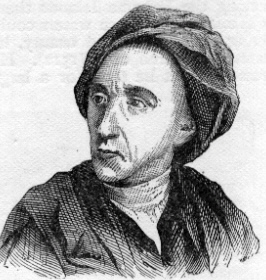
Pope Publishes The Rape of the Lock
Pope's The Rape of the Lock, a mock-heroic epic, satirizes high society using epic conventions. Its wit and form influence later satirical epics and the development of the mock-epic. #epicpoetry #satire #mockheroic
Pope Publishes The Rape of the Lock By Antiqueportrait - Own work, CC BY-SA 3.0, https://commons.wikimedia.org/w/index.php?curid=8359150
1728 CE
Pope Publishes The Dunciad
Pope's The Dunciad, a mock-epic, attacks literary dullness and political corruption. Its use of epic parody influences later satirical works and the Augustan tradition. #epicpoetry #satire #augustan
Pope Publishes The Dunciad By Unknown author, Public domain, https://commons.wikimedia.org/w/index.php?curid=51760
1798 CE
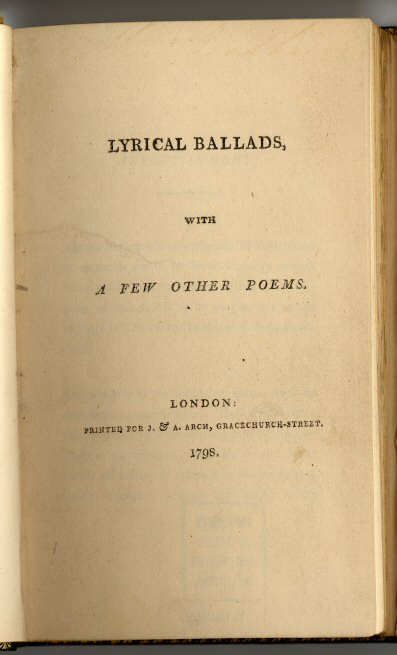
Wordsworth and Coleridge Publish Lyrical Ballads
Lyrical Ballads, though not epic, revolutionizes poetry with its focus on common life and natural language. It influences the Romantic epic revival, including Wordsworth's The Prelude. #epicpoetry #romanticism #poetry
Wordsworth and Coleridge Publish Lyrical Ballads By William Wordsworth (1770-1850) and Samuel Taylor Coleridge (1772-1834). - University of Leeds, Public domain, https://commons.wikimedia.org/w/index.php?curid=7446477
1805 CE
Wordsworth Completes The Prelude
Wordsworth's The Prelude, an autobiographical epic in blank verse, explores the growth of a poet's mind. It redefines epic as internal journey, influencing later introspective epics. #epicpoetry #romanticism #autobiography
1818 CE
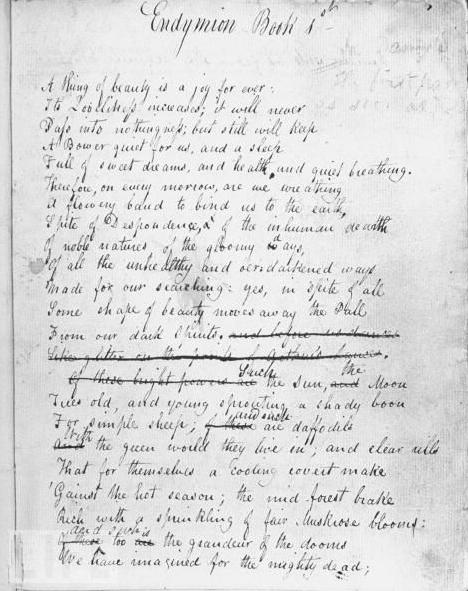
Keats Publishes Endymion
Keats's Endymion, a mythological romance epic, explores beauty and transcendence. Its lush imagery and Hellenism influence later Romantic and Victorian epic poetry. #epicpoetry #romanticism #mythology
Keats Publishes Endymion By Original be John Keats (1795 – 1821), Image by William C. Shrout. Feb 01, 1945 - Image from Time Life at http://www.life.com/image/50625354, Public domain, https://commons.wikimedia.org/w/index.php?curid=10227333
1820 CE
Shelley Publishes Prometheus Unbound
Shelley's Prometheus Unbound, a lyrical drama in epic scope, reimagines the Prometheus myth as a revolutionary allegory. Its radical themes influence later epic and dramatic poetry. #epicpoetry #romanticism #revolution
Shelley Publishes Prometheus Unbound By Percy Bysshe Shelly - Title page of 1820 book, Public domain, https://commons.wikimedia.org/w/index.php?curid=132085702
1855 CE
Whitman Publishes Leaves of Grass
Whitman's Leaves of Grass, an epic of the self and America in free verse, breaks from traditional epic form. Its democratic vision and expansive style influence modern epic poetry. #epicpoetry #americanliterature #freeverse
Whitman Publishes Leaves of Grass By Samuel Hollyer (1826-1919) of a daguerreotype by Gabriel Harrison (1818-1902)(original lost). - Morgan Library & Museum, Public domain, https://commons.wikimedia.org/w/index.php?curid=9422986
1868 CE
Tennyson Publishes Idylls of the King
Tennyson's Idylls of the King, a cycle of Arthurian narrative poems, revives the epic of chivalry. Its moral allegory and Victorian sensibility influence later Arthurian literature. #epicpoetry #arthurian #victorian
Tennyson Publishes Idylls of the King By Louis Rhead - This file was donated to Wikimedia Commons as part of a project by the Metropolitan Museum of Art. See the Image and Data Resources Open Access Policy, CC0, https://commons.wikimedia.org/w/index.php?curid=60879784
1910 CE
Pound Begins The Cantos
Ezra Pound's The Cantos, a modernist epic in fragments, incorporates diverse cultural sources. Its experimental form and ideogrammic method influence 20th-century long poems. #epicpoetry #modernism #experimental
1922 CE
Eliot Publishes The Waste Land
Eliot's The Waste Land, a modernist poem with epic scope, uses fragmentation and allusion to depict post-war disillusionment. It redefines epic for the modern age, influencing later poetry. #epicpoetry #modernism #fragmentation
Eliot Publishes The Waste Land By T. S. Eliot - Internet Archive identifier: wasteland01elio, Public domain, https://commons.wikimedia.org/w/index.php?curid=74740204
1948 CE
Pound's Pisan Cantos Published
The Pisan Cantos, part of Pound's The Cantos, were written while he was imprisoned. They blend personal reflection with epic ambition, influencing later confessional and epic poetry. #epicpoetry #modernism #confessional
1955 CE
Olson Publishes The Maximus Poems
Charles Olson's The Maximus Poems, an epic of Gloucester, Massachusetts, uses projective verse and local history. It influences the Black Mountain poets and postmodern epic. #epicpoetry #postmodern #localhistory
1970 CE
Walcott Publishes Omeros
Derek Walcott's Omeros, a Caribbean epic in terza rima, reworks Homeric themes in a postcolonial context. It wins the Nobel Prize and expands the epic tradition to global perspectives. #epicpoetry #caribbean #postcolonial