Encyclopedia/3. History, Societies & Civilizations/09. Modern Nations/05. Europe • Curated by Admin Timeline.sg
History of Romania, sourced from Wikipedia's "Timeline of Romanian history".
Chronological Storyline (245 Milestones)
440 BCE
Herodotus
Herodotus in Histories is the first to mention Dacians as living on the territory of modern-day Romania. Source — Wikipedia, "Timeline of Romanian history" (5th century BC):
Roman; Portrait bust of Herodotos; Stone Sculpture By Unknown author - This file was donated to Wikimedia Commons as part of a project by the Metropolitan Museum of Art. See the Image and Data Resources Open Access Policy, CC0, https://commons.wikimedia.org/w/index.php?curid=115708819
339 BCE
Rex Histrianorum, ruling over Histria, is
Rex Histrianorum, ruling over Histria, is mentioned by Trogus Pompeius și Justinus. Source — Wikipedia, "Timeline of Romanian history" (4th century BC):
300 BCE
Dromichaetes
King Dromichaetes ruled both sides of the river Danube. Source — Wikipedia, "Timeline of Romanian history" (3rd century BC):
Hungary - Budapest By Visions of Domino - https://www.flickr.com/photos/99092496@N00/28493220635/, CC BY 2.0, https://commons.wikimedia.org/w/index.php?curid=57456497
200 BCE
Rhemaxos
King Rhemaxos protected Greek colonies in Dobruja. Source — Wikipedia, "Timeline of Romanian history" (2nd century BC):
100 BCE
Dicomes
King Dicomes ruled Dacia. Source — Wikipedia, "Timeline of Romanian history" (1st century BC):
Dacia during Burebista was an big and powerful monarchy state, with its borders expanding from Haemus mountains to Northwestern carpathians and from middle Danube to the bug river an Black Sea. By Portasa Cristian - Own work, CC0, https://commons.wikimedia.org/w/index.php?curid=177481297
82 BCE
Burebista
King Burebista rules Dacia. (to 44 <small>BC</small>) Source — Wikipedia, "Timeline of Romanian history" (1st century BC):
A cropped image of Burebista's statue in Calarasi. The full uncropped image can be found at [[File:Burebista statue in Calarasi.jpg]] By User:Jokes_Free4Me - File:Burebista_statue_in_Calarasi.jpg, Public domain, https://commons.wikimedia.org/w/index.php?curid=53369889
44 BCE
Deceneus
Deceneus is High Priest of Dacia. (to 27 <small>BC</small>) Source — Wikipedia, "Timeline of Romanian history" (1st century BC):
40 BCE
Cotiso
King Cotiso ruled Banat and Oltenia. (to 9 <small>BC</small>) Source — Wikipedia, "Timeline of Romanian history" (1st century BC):
Dacian symbols By James Samuelson - ROUMANIA PAST AND PRESENT, by James Samuelson (1882) digitalized by Univ. of Washington, Public domain, https://commons.wikimedia.org/w/index.php?curid=217254
29 BCE
Zyraxes
King Zyraxes ruled northern Dobruja. (to 27 <small>BC</small>) Source — Wikipedia, "Timeline of Romanian history" (1st century BC):
9 BCE
Comosicus
King Comosicus ruled Dacia. (to <small>AD</small> 30) Source — Wikipedia, "Timeline of Romanian history" (1st century BC):
Dacian symbols By James Samuelson - ROUMANIA PAST AND PRESENT, by James Samuelson (1882) digitalized by Univ. of Washington, Public domain, https://commons.wikimedia.org/w/index.php?curid=217254
4 CE
Cothelas
Cothelas, King of the Getae. Source — Wikipedia, "Timeline of Romanian history" (4th century BC):
General area of land occupied by the Getae in approximately 100 CE. Map based on information from http://www.euratlas.net/history/europe/100/entity_8877.html By KDS4444 - Own work based on File:Europe Map.svg, which itself, however, has no source information, CC0, https://commons.wikimedia.org/w/index.php?curid=35501527
4 CE
Biertan Donarium
The Biertan Donarium was made. Source — Wikipedia, "Timeline of Romanian history" (4th century):
The Biertan Donarium - an early Christian votive object of early 4th century, unearthed at Biertan, near Sibiu, in Romania. The inscription in Latin reads "EGO (Z)ENOVIUS VOTUM POSVI", with the approximate translation: "I, Zenovius, offered this gift". Discovered in 1775 in the Chimdru forest, about 5 km south of Biertan and it was part of the collections of Baron Samuel von Brukenthal, nowadays being part of the exhibits of the Brukenthal National Museum, Romania. By Algos at English Wikipedia - Transferred from en.wikipedia to Commons by bogdan., Public domain, https://commons.wikimedia.org/w/index.php?curid=3502964
4 CE
Helmet of Agighiol
The Getae silver Helmet of Agighiol. Source — Wikipedia, "Timeline of Romanian history" (4th century BC):
Aghighiol Treasure. By Cristian Chirita - I, the copyright holder of this work, hereby publish it under the following license:, GFDL, https://commons.wikimedia.org/w/index.php?curid=19517372
5 CE
Charnabon
Charnabon, king of the Getae. Source — Wikipedia, "Timeline of Romanian history" (5th century BC):
General area of land occupied by the Getae in approximately 100 CE. Map based on information from http://www.euratlas.net/history/europe/100/entity_8877.html By KDS4444 - Own work based on File:Europe Map.svg, which itself, however, has no source information, CC0, https://commons.wikimedia.org/w/index.php?curid=35501527
30 CE
Scorilo
King Scorilo ruled Dacia. (to 70) Source — Wikipedia, "Timeline of Romanian history" (1st century):
Dacian symbols By James Samuelson - ROUMANIA PAST AND PRESENT, by James Samuelson (1882) digitalized by Univ. of Washington, Public domain, https://commons.wikimedia.org/w/index.php?curid=217254
68 CE
Duras
King Duras ruled Dacia. (to 87) Source — Wikipedia, "Timeline of Romanian history" (1st century):
Dacian symbols By James Samuelson - ROUMANIA PAST AND PRESENT, by James Samuelson (1882) digitalized by Univ. of Washington, Public domain, https://commons.wikimedia.org/w/index.php?curid=217254
86 CE
Domitian
Roman Emperor Domitian loses war with the Kingdom of Dacia. (to 88) Source — Wikipedia, "Timeline of Romanian history" (1st century):
Bust of roman emperor Domitianus. Antique head, body added in the 18th century. Musée du Louvre (Ma 1264), Paris. Formerly in the Albani Collection in Rome. By Unknown author - sailko (my camera), CC BY 2.5, https://commons.wikimedia.org/w/index.php?curid=5858660
87 CE
Decebalus
King Decebalus ruled Dacia. (to 106) Source — Wikipedia, "Timeline of Romanian history" (1st century):
The suicide of the Dacian King Decebal on the Trajan Column By Harpeam - Own work, CC BY-SA 3.0, https://commons.wikimedia.org/w/index.php?curid=7973021
101 CE
First Dacian War
First war between the Roman Empire and Dacia which ended in an unfavorable peace treaty for emperor Trajan. (to 102) Source — Wikipedia, "Timeline of Romanian history" (2nd century):
Battle scene. The Dacians (on the left) are attacking Trajan's men. From en:Trajan's Column; this is from the plaster-cast reproduction at the Museum of Romanian History in Bucharest, Romania By Joe Mabel - photo by Joe Mabel, CC BY-SA 3.0, https://commons.wikimedia.org/w/index.php?curid=837731
105 CE
Second Dacian War
Peace broken, King Decebalus loses Second Dacian War, the south-west part of Dacia becomes a Roman province. (to 106) Source — Wikipedia, "Timeline of Romanian history" (2nd century):
La Dacia durante la secunda expeditio dacica di Traiano nel 105/106 d.C. By Cristiano64 - Own work, CC BY-SA 3.0, https://commons.wikimedia.org/w/index.php?curid=8833815
177 CE
Marcus Aurelius
Written on bronze tablets, the Roman laws of Troesmis attest the joint rule of Roman emperors Marcus Aurelius and Commodus. (to 180) Source — Wikipedia, "Timeline of Romanian history" (2nd century):
Marble bust of Roman Emperor Marcus Aurelius, Musée Saint-Raymond, Toulouse, France By Daniel Martin - Photothèque du musée Saint-Raymond, CC BY-SA 4.0, https://commons.wikimedia.org/w/index.php?curid=97131451
200 CE
Pieporus
Pieporus is king over the Dacian Costoboci (see Costoboci#Onomastics). Source — Wikipedia, "Timeline of Romanian history" (2nd century):
Roman province of Dacia, part of modern day Romania and Serbia, from the conquest of Trajan in 106 AD to the evacuation of the province in 271 AD. Roman settlements and legion garrisons with Latin names are included in the map, as well as the Costoboci, Carpi and Free Dacians. By User:ArdadN, uploaded at Commons by El_Bes - Own work, based on similar historical map made by the Romanian Academy (which ones?), CC BY-SA 3.0 ro, https://commons.wikimedia.org/w/index.php?curid=3086896
260 CE
Valerian
After the defeat and capture of Roman emperor Valerian, Dacian general Regalianus became Roman emperor for a brief period. Source — Wikipedia, "Timeline of Romanian history" (3rd century):
Retrat de l’emperador Valerià (253–260 dC). By Marie-Lan Nguyen - Own work, Public domain, https://commons.wikimedia.org/w/index.php?curid=86224617
271 CE
Roman withdrawal from Dacia
Roman withdrawal from Dacia occurs under Roman emperor Aurelianus after 169 years of rule. (to 275) Source — Wikipedia, "Timeline of Romanian history" (3rd century):
Locator map of the Dacia province in the Roman Empire (125). Extracted from File:Roman Empire 125 political map.svg By Milenioscuro - Own work, CC BY-SA 4.0, https://commons.wikimedia.org/w/index.php?curid=45059715
May 1, 305 CE
Galerius
Galerius, born in Serdica (Sofia, Bulgaria), whose mother had fled from Dacia Traiana, becomes and rules as Roman Emperor. He is also awarded six Carpicus Maximus titles after winning six battles against the Carps. Galerius died in late April or early May 311 from a horribly gruesome disease described by Eusebius and Lactantius, possibly some form of bowel cancer, gangrene or Fournier gangrene. (to 311) Source — Wikipedia, "Timeline of Romanian history" (4th century):
Emperor Galerius' portrait head in porphyry, from his palace in Romuliana (Gamzigrad). By Shinjirod - Own work, CC BY 3.0, https://commons.wikimedia.org/w/index.php?curid=4116605
308 CE
Maximinus II
Dacian-born Maximinus II (Galerius' nephew) becomes Roman Emperor. He competed with Licinius in the Civil wars of the Tetrarchy. He ruled together with other Roman Emperors as per the Civil wars of the Tetrarchy. (to 313) Source — Wikipedia, "Timeline of Romanian history" (4th century):
Coin of Maximinus Daia By Portable Antiquities Scheme/ The Trustees of the British Museum - https://finds.org.uk/romancoins/emperors/emperor/id/130; for CC 3.0 license, see https://finds.org.uk/info/termsandconditions, CC BY 3.0, https://commons.wikimedia.org/w/index.php?curid=92607318
311 CE
Edict of Serdica
Galerius signs the Edict of Serdica (modern day Sofia, Bulgaria) thus officially ending the Diocletianic persecution of Christianity in the East two years before the Edict of Milan being the first edict legalizing Christianity. Source — Wikipedia, "Timeline of Romanian history" (4th century):
Plaque with the Edict of Toleration of emperor Galerius in Latin Greek and Bulgarian in front of the St Sofia Church, Sofia, Bulgaria. By Мико - Own work, CC BY-SA 3.0, https://commons.wikimedia.org/w/index.php?curid=25062822
313 CE
Maximinus II
Shortly before Maximinus II's death at Tarsus, while previously persecuting Christians and opposing the Edict of Serdica, he issued an edict of tolerance on his own, granting Christians the rights of assembling, of building churches, and the restoration of their confiscated properties. Source — Wikipedia, "Timeline of Romanian history" (4th century):
Coin of Maximinus Daia By Portable Antiquities Scheme/ The Trustees of the British Museum - https://finds.org.uk/romancoins/emperors/emperor/id/130; for CC 3.0 license, see https://finds.org.uk/info/termsandconditions, CC BY 3.0, https://commons.wikimedia.org/w/index.php?curid=92607318
317 CE
Constantine I the Great
Roman emperor Constantine I the Great is awarded the title Carpicus Maximus after winning a battle against the Carps. Source — Wikipedia, "Timeline of Romanian history" (4th century):
Statua di Costantino ai musei capitolini By Merulana - Own work, CC BY-SA 4.0, https://commons.wikimedia.org/w/index.php?curid=126701466
324 CE
Battle of Chrysopolis
Constantine I defeats Licinius I at the Battle of Chrysopolis and becomes Roman Emperor during the Civil wars of the Tetrarchy. Source — Wikipedia, "Timeline of Romanian history" (4th century):
Battle of Chrysopolis By Peter Paul Rubens - [1], Public domain, https://commons.wikimedia.org/w/index.php?curid=44540141
325 CE
Licinius I is hanged by Constantine
Licinius I is hanged by Constantine due to being accused of conspiring to raise troops among the barbarians. Source — Wikipedia, "Timeline of Romanian history" (4th century):
326 CE
Crispus
Licinius II is killed by the Roman Emperor Constantine, probably in the context of the execution of Caesar Crispus. Source — Wikipedia, "Timeline of Romanian history" (4th century):
Crispus, Caesar (C.E.317-326/H.E.10,317-10,326). Solid. OK. 317 Trier. Obverse. Bust of Crispus, right; a laurel wreath on his head. By ANO "International Numismatic Club" (АНО «Международный нумизматический клуб») - English: ANO "International Numismatic Club" Русский: АНО «Международный нумизматический клуб», CC BY-SA 4.0, https://commons.wikimedia.org/w/index.php?curid=68072193
333 CE
Itinerarium Burdigalense
The Itinerarium Burdigalense mentions Troesmis. (to 334) Source — Wikipedia, "Timeline of Romanian history" (4th century):
Copie de la première page de l'itinéraire de l'anonyme de Bordeaux, manuscrit conservé à la Bibliothèque Nationale de France. Remarquable : Jusqu'à «tholoſa» (Toulouse) les distances sont données en «leug'» (lieues), depuis en «mił» (milles). By Cnfy1cnfy1 - Own work, CC BY-SA 4.0, https://commons.wikimedia.org/w/index.php?curid=68809886
353 CE
Ammianus Marcellinus
The Roman soldier and historian Ammianus Marcellinus places the Carps as living inside the Roman Empire. (to 378) Source — Wikipedia, "Timeline of Romanian history" (4th century):
Karpen. By Walter, Emil - https://www.flickr.com/photos/biodivlibrary/6102602781, Public domain, https://commons.wikimedia.org/w/index.php?curid=42986415
370 CE
Alaric I
Alaric I is born on Peuce Island, Dobruja, modern-day Romania. He later led the Goths in the Sack of Rome (410). Source — Wikipedia, "Timeline of Romanian history" (4th century):
Alaric entering Athens By Allan Stewart - https://cdn.britannica.com/48/132748-050-41851CA7/Alaric-illustration-Athens.jpg, Public domain, https://commons.wikimedia.org/w/index.php?curid=42600726
381 CE
Zosimus
The Byzantine chronicler Zosimus records an invasion over the Danube by a barbarian coalition of Huns, Sciri and what he terms Karpodakai, or Carpo-Dacians, as being defeated by emperor Theodosius. Source — Wikipedia, "Timeline of Romanian history" (4th century):
Extent of Attila's Empire. Based on Map 10 Empires and Barbarians. The Fall of Rome and the Birth of Europe. Peter Heather. Oxford University Press, 2010. Map template adapted from user Andrei Nicu By Slovenski Volk - Own work, CC BY-SA 3.0, https://commons.wikimedia.org/w/index.php?curid=17966815
390 CE
Notitia Dignitatum
The Notitia Dignitatum mentions the presence of the commander of the Roman Legion Legio II Herculia in Troesmis. Source — Wikipedia, "Timeline of Romanian history" (4th century):
Insignia of the magister militum praesentalis. Folio 096 verso of the manuscript Notitia dignitatum. Bodleian Library shelfmark MS. Canon. Misc. 378. By Unknown author - Bodleian Library, http://bodley30.bodley.ox.ac.uk:8180/luna/servlet/detail/ODLodl~1~1~37476~107997:Cosmographia-Scoti,-Notitia-dignita, CC BY 4.0, https://commons.wikimedia.org/w/index.php?curid=41026989
393 CE
Western Roman Emperor
A coin bearing the name of the Western Roman Emperor Honorius was found in a grave at Troesmis. (to 395) Source — Wikipedia, "Timeline of Romanian history" (4th century):
Cutted Imperial Aquila By Mattia332 - This image has been extracted from another file, Public domain, https://commons.wikimedia.org/w/index.php?curid=79620311
400 CE
Tabula Peutingeriana
Tabula Peutingeriana shows about 88 localities, the names of some of which were still Dacian at the time of its compiling as they end in -dava. 20 of them are still inhabited today, and 6 of them still retain the same name, or, incorporate their original names into their current name. Source — Wikipedia, "Timeline of Romanian history" (4th century):
Part of Tabula Peutingeriana, konrad miller´s facsimile from 1887 By Unknown author - Bibliotheca Augustana, Public domain, https://commons.wikimedia.org/w/index.php?curid=12530
500 CE
A 5th century burial contained a
A 5th century burial contained a Roman type brooch. Source — Wikipedia, "Timeline of Romanian history" (5th century):
513 CE
Blachernae
Blachernae appeared in a work by Theophanes Confessor in connection with a revolt of Flavius Vitalianus against Anastasius I Dicorus, Emperor in 513. Source — Wikipedia, "Timeline of Romanian history" (6th century):
Topographical map of Constantinople during the Byzantine period. By Cplakidas - Own work using: Main map source: R. Janin, Constantinople Byzantine. Developpement urbain et repertoire topographique Road network and some other details based on Dumbarton Oaks Papers 54 Data on many churches, especially unidentified ones, taken from the New York University's The Byzantine Churches of Istanbul project Other published maps and accounts of the city have been used for corroboration., CC BY-SA 3.0, https://commons.wikimedia.org/w/index.php?curid=5084599
571 CE
Eastern Roman Emperor
A bronze coin from the time of the Eastern Roman Emperor Justin II was discovered at Troesmis. (to 573) Source — Wikipedia, "Timeline of Romanian history" (6th century):
Fresco of Constantine XI at the Catholicon of the Old Monastery of Taxiarches in Aigialeia, Greece By ILoveHirasawaYui - Own work, CC0, https://commons.wikimedia.org/w/index.php?curid=160864312
587 CE
Thrace
First written record about a Romance language spoken in Southeastern Europe: a Byzantine soldier, native to Thrace (in present-day Bulgaria, Greece or Turkey), shouted at his companion "torna, torna fratre" ("turn around, turn around, brother") during a Byzantine campaign against the Avars invading the Balkan Peninsula. Source — Wikipedia, "Timeline of Romanian history" (6th century):
The Thrace region By Factuarius - Own work based upon two maps already uploaded in Wikimedia. File:Balkan topo en.jpg by User:Captain Blood, File:Europe topography map en.png by: User:San Jose, Public domain, https://commons.wikimedia.org/w/index.php?curid=9396023
588 CE
Byzantine
Troesmis was inhabited until 593. Byzantine coins were discovered here and dated between 588 and 593 during the reign of Byzantine emperor Maurice. (to 593) Source — Wikipedia, "Timeline of Romanian history" (6th century):
Vector map showing the Eastern Roman Empire (or Byzantine Empire) at the end of Justinian's reign in 565 By Mnohohrishnyi - Own work, based mainly on "The New Roman Empire: A History of Byzantium" by Anthony Kaldellis, CC0, https://commons.wikimedia.org/w/index.php?curid=190907815
600 CE
Procopius
Procopius mentions forts with names such as Skeptekasas, Burgulatu, Loupofantana and Gemellomountes. Modern authors claim these as Romanian names: Seven House, Broad City, Wolf's Well and Twin Mountains. Source — Wikipedia, "Timeline of Romanian history" (6th century):
610 CE
Heraclius
Roman Emperor Heraclius grants lands to the sclavenes located in Macedonia eventually the sclavenes later form Sclavinias a term described by Byzantine historians referring to tribal groups. Source — Wikipedia, "Timeline of Romanian history" (7th century):
Solidus of Heraclius, minted 610-613 By Classical Numismatic Group - NumisBids, originally from CNG, CC BY-SA 2.5, https://commons.wikimedia.org/w/index.php?curid=112987672
681 CE
First Bulgarian Empire
Formation of the First Bulgarian Empire (681–1018), including the lands east and south of the Carpathians Source — Wikipedia, "Timeline of Romanian history" (7th century):
Southeastern Europe in the Late 9th Century By Ádám Kolláth - Own work, CC BY-SA 4.0, https://commons.wikimedia.org/w/index.php?curid=118846577
700 CE
Ravenna Cosmography
The Ravenna Cosmography mentions Troesmis. Source — Wikipedia, "Timeline of Romanian history" (7th century):
Mappae mundi Bd. VI. Rekonstruierte Karten By Konrad Miller - https://digital.ub.uni-duesseldorf.de/ihd/content/titleinfo/2553389, CC0, https://commons.wikimedia.org/w/index.php?curid=166873221
805 CE
Frankish Empire]] and Bulgaria.
Frankish Empire]] and Bulgaria. Source — Wikipedia, "Timeline of Romanian history" (9th century):
890 CE
Menumorut
Menumorut, Glad, and the Vlach Gelou are the rulers of Crișana, Banat, and Transylvania when the Magyars invaded the territoriy, according to the Gesta Hungarorum. Source — Wikipedia, "Timeline of Romanian history" (9th century):
Stema Banatului Timișoarei de pe harta regiunii desenată în 1726 de Francesco Griselini. By GeorgeBasaraba - Own work, CC BY-SA 4.0, https://commons.wikimedia.org/w/index.php?curid=46521287
900 CE
Great Moravia
Alba-Iulia]], which constitutes a "cultural enclave" in Transylvania. Near these cemeteries, necropolises of graves with west–east orientation form the distinct "Ciumbrud group". Female dress accessories from "Ciumbrud graves" are strikingly similar to those from Christian cemeteries in Bulgaria and Moravia. Source — Wikipedia, "Timeline of Romanian history" (9th century):
Great Moravia at its greatest extent during the reign of Svatopluk I with marked probable approximate location of its capital city (red dot) By Great_moravia_svatopluk.png: Tankred derivative work: Millenium187 (talk) - Great_moravia_svatopluk.png, Public domain, https://commons.wikimedia.org/w/index.php?curid=16071345
906 CE
Zoltán of Hungary
Menumorut dies and is succeeded by his son-in-law, Zoltán of Hungary, according to the Gesta Hungarorum. Source — Wikipedia, "Timeline of Romanian history" (10th century):
Statue of Grand Duke Solt in Solt By sculptor: ? photo: own work - Self-photographed, Public domain, https://commons.wikimedia.org/w/index.php?curid=5734782
943 CE
Old Church Slavonic in Romania
An Old Slavonic (Old Bulgarian ) inscription found among the remains of Trajan's Wall in Dobruja bears the name of župan Demetrius. Source — Wikipedia, "Timeline of Romanian history" (10th century):
Codex Zographensis, leaf 77 recto By Unknown author - https://expositions.nlr.ru/ex_manus/Zograph_Gospel/_Project/page_Manuscripts.php?izo=D2D92E28-51F6-4085-B3D7-B2AAB8DA9BDD, Public domain, https://commons.wikimedia.org/w/index.php?curid=186729469
969 CE
John I Tzimiskes
The "Western part" of Troesmis is supposed to have been rebuilt and used again during the reign of the Eastern Roman Emperor John I Tzimiskes based on archaeological discoveries. Source — Wikipedia, "Timeline of Romanian history" (10th century):
Bamberger Gunthertuch Kaiser Johannes I. Tzimiskes nach dem Sieg über die Bulgaren 971. By Unknown 10th-century artist - https://laenger.com/werke/2014_bamberg_gunthertuch-restaurierungsdekonstruktion/, Public domain, https://commons.wikimedia.org/w/index.php?curid=125447436
976 CE
John Skylitzes
The Greek historian John Skylitzes mentions the word βλάχοι (Vlachs) in his work Synopsis of Histories. Source — Wikipedia, "Timeline of Romanian history" (10th century):
John Skylitzes By Unknown author, Public domain, https://commons.wikimedia.org/w/index.php?curid=737234
983 CE
Ibn al-Nadīm
Ibn al-Nadīm published in 938 the work Kitāb al-Fihrist mentioning "Turks, Bulgars and Vlahs" (using Blagha for Vlachs) Source — Wikipedia, "Timeline of Romanian history" (10th century):
Al-Fihrist li-Ibn al-Nadīm book cover By Ibn al-Nadim, Public domain, https://commons.wikimedia.org/w/index.php?curid=149727794
1000 CE
Al-Muqaddasi
According to the Arab chronicler Mutahhar al-Maqdisi, "They say that in the Turkic neighbourhood there are the Khazars, Russians, Slavs, Waladj, Alans, Greeks and many other peoples." Source — Wikipedia, "Timeline of Romanian history" (10th century):
1010 CE
Coins and follis notes from Troesmis
Coins and follis notes from Troesmis have been discovered. (to 1020) Source — Wikipedia, "Timeline of Romanian history" (11th century):
1018 CE
Blakumen
The "Blökumenn" (often identified as Vlachs) are mentioned in a later source as fighting in Kievan Rus'. (to 1019) Source — Wikipedia, "Timeline of Romanian history" (11th century):
The 11th-century runestone G134 referring to Blakumen - possibly Vlachs/Romanians (Sjonhem cemetery, Gotland, Sweden) By Berig - Own work, CC BY-SA 3.0, https://commons.wikimedia.org/w/index.php?curid=4320043
1066 CE
Kekaumenos
Byzantine writer Kekaumenos, author of the Strategikon, described a 1066 Roman (Vlach) revolt in northern Greece. Source — Wikipedia, "Timeline of Romanian history" (11th century):
1100 CE
Argamum
An 11th century byzantine settlement was discovered at Argamum. Source — Wikipedia, "Timeline of Romanian history" (11th century):
Eastern Moesia By Ziegelbrenner - https://upload.wikimedia.org/wikipedia/commons/c/c6/Limes5.png, CC BY-SA 3.0, https://commons.wikimedia.org/w/index.php?curid=145298094
1113 CE
Primary Chronicle
The Russian Primary Chronicle, written in ca. 1113, recorded that nomad Hungarians drove away the Vlachs and took their lands. Source — Wikipedia, "Timeline of Romanian history" (12th century):
Radziwill Letopis, fol. 14v Miniature: Oleg of Novgorod's campaign against Constantinople (s. Rus'–Byzantine War 907). By from the Middle Ages, unknown - en:Radziwiłł Chronicle, radzivil.chat.ru, Public domain, https://commons.wikimedia.org/w/index.php?curid=2795356
1164 CE
Andronikos Komnenos
Prince Andronikos Komnenos, son of (list of byzantine emperors) John II Komnenos, was apprehended by Vlachs in his escape taking the road towards Galitza/Galicia. Source — Wikipedia, "Timeline of Romanian history" (12th century):
Fresco of Constantine XI at the Catholicon of the Old Monastery of Taxiarches in Aigialeia, Greece By ILoveHirasawaYui - Own work, CC0, https://commons.wikimedia.org/w/index.php?curid=160864312
1166 CE
John Kinnamos
Byzantine historian John Kinnamos described Leon Vatatzes' military expedition along the northern Danube, where Vatatzes mentioned the participation of Vlachs in battles with the Magyars (Hungarians) in 1166. Source — Wikipedia, "Timeline of Romanian history" (12th century):
1185 CE
Ivan Asen I of Bulgaria
Ivan Asen I of Bulgaria and Peter II of Bulgaria, described unanimously by chronicles written in the late 12th and early 13th centuries as Vlachs, rebelled against byzantine authority and restored the Second Bulgarian Empire as co-rulers, founding the Asen dynasty. Source — Wikipedia, "Timeline of Romanian history" (12th century):
Coin of Bulgarian emperor Ivan Asen I. Imitating a Constantinople mint issue of Isaac II Angelus. Hendy Type B. Uncertain mint. Struck circa 1195 or later. Isaac standing facing, holding cross-tipped scepter and akakia; manus Dei above. By CNG Coins - https://cngcoins.com/Lot.aspx?LOT_ID=20633&BACK_URL=%2fLots.aspx%3fAUCTION_ID%3d31%26PAGE_NUM%3d100%26PAGE%3d7, CC BY-SA 2.5, https://commons.wikimedia.org/w/index.php?curid=130333001
1196 CE
Kaloyan of Bulgaria
Kaloyan of Bulgaria, younger brother of Ivan Asen I of Bulgaria and Peter II of Bulgaria, became Emperor of Bulgaria. (to October 1207) Source — Wikipedia, "Timeline of Romanian history" (12th century):
Coin of Bulgarian emperor Peter II (also numbered Peter IV). Peter IV standing facing on daïs, holding patriarchal cross. By CNG Coins - https://www.cngcoins.com/Coin.aspx?CoinID=358303#, CC BY-SA 2.5, https://commons.wikimedia.org/w/index.php?curid=130332999
1197 CE
Dobromir Chrysos
Dobromir Chrysos was a leader of the Vlachs and Bulgaria in eastern Macedonia during the reign of Byzantine emperor Alexios III Angelos. According to Niketas Choniates, a 12th-century Greek byzantine government official, Dobromir was Vlach by birth. Source — Wikipedia, "Timeline of Romanian history" (12th century):
Borders of Region of Macedonia according to authors (1843-1927). according to Alexander Hadji Russet (1843) according to Spiridon Gopcevic (1889) according to Kleanthis Nikolaidis (1899) according to Vasil Kanchov (1900) according to an anonymous Greek author (1906) (???) according to Leonhard Schultze (1927) By Пакко - Own work based on: Хаджирусет, Александър (1843) (in Bulgarian) Карта на сегашная Болгария, Тракия, Македония и на прилежащите земли, Strasbourg: Berger OCLC: 9098934331. Gopčević, Spiridon (1889) (in German) Makedonien und Alt-Serbien, Vienna: L.W. Seidel OCLC: 10448229. Kanchov, Vasil (1900) (in Bulgarian) Македония. Етнография и статистика OCLC: 749018540. Ethnographic Map of Macedonia, 1899.jpg: Cléanthès, Nicolaïdès (1899) (in French) La Macédoine : La question macédonienne dans l'Antiquité, au Moyen-Âge et dans la politique actuelle, Berlin: Johannes Raede OCLC: 1004670719. Cleanthes, Nicolaides (1899) (in German) Macedonien : Die geschichtliche Entwickelung der macedonischen Frage im Altertum, im Mittelalter und in der neueren Zeit, Berlin: Johannes Raede OCLC: 609018794. (1906) (full reference missing) Schultze, Leonhard (1927) (in German) Makedonien: Landschafts- und Kulturbilder, Jena: Gustav Fischer OCLC: 4529779., CC BY-SA 3.0, https://commons.wikimedia.org/w/index.php?curid=4964693
1200 CE
Benjamin of Tudela
Benjamin of Tudela of the Kingdom of Navarre was one of the first writers to use the word Vlachs for a Romance-speaking population. Source — Wikipedia, "Timeline of Romanian history" (12th century):
Busto de Benjamín de Tudela realizado por Ricardo Varela Andrés By Jialxv - Own work, CC BY-SA 4.0, https://commons.wikimedia.org/w/index.php?curid=141724672
Nov 8, 1204 CE
A papal legate delivered a royal
A papal legate delivered a royal crown to Kaloyan of Bulgaria and crowned him "King of the Bulgarians and Vlachs". Source — Wikipedia, "Timeline of Romanian history" (13th century):
1213 CE
Transylvanian Saxons
An army of Vlachs, Transylvanian Saxons, and Pechenegs, led by Ioachim of Sibiu, attacked the Bulgaria and Cumans that were from Vidin . Source — Wikipedia, "Timeline of Romanian history" (13th century):
Flag of the Transylvania Saxons By Argean - Own work based on, Public domain, https://commons.wikimedia.org/w/index.php?curid=95683369
1222 CE
Țara Făgărașului
Țara Făgărașului was mentioned in documents as Terra Blacorum . Source — Wikipedia, "Timeline of Romanian history" (13th century):
Historical region map By Alex:D - Translated https://en.wikipedia.org/wiki/File:Tara_Fagarasului.svg, CC BY-SA 4.0, https://commons.wikimedia.org/w/index.php?curid=125337635
1224 CE
Țara Făgărașului
Țara Făgărașului was mentioned in documents as Silva Blacorum . Source — Wikipedia, "Timeline of Romanian history" (13th century):
Historical region map By Alex:D - Translated https://en.wikipedia.org/wiki/File:Tara_Fagarasului.svg, CC BY-SA 4.0, https://commons.wikimedia.org/w/index.php?curid=125337635
1224 CE
Diploma Andreanum
The Diploma Andreanum was issued by Andrew II of Hungary granting provisional autonomy to colonial Germans residing in the present-day area of Sibiu. Source — Wikipedia, "Timeline of Romanian history" (13th century):
Acknowledgment of the "Golden Charter" of the Hungarian king Andrew II. by king Charles I. of Hungary in 1317 (facsimile) By Siebenbürgisch-Sächsische Stiftung - http://www.sbs-stiftung.de/sbs.html, Public domain, https://commons.wikimedia.org/w/index.php?curid=5106082
1247 CE
Béla IV of Hungary
The diploma of King Béla IV of Hungary issued on July 2, 1247, mentions the local rulers knyaz John, knyaz Farcaș, voivode Litovoi and voivode Seneslau. Seneslau and Litovoi are expressly said to be Vlachs (Olati) in the king's diploma. Source — Wikipedia, "Timeline of Romanian history" (13th century):
Béla IV of Hungary By Viktor Vasnetsov - http://art.1september.ru/articlef.php?ID=200702110, Public domain, https://commons.wikimedia.org/w/index.php?curid=430556
1252 CE
Țara Făgărașului
Țara Făgărașului was mentioned in documents as Terra Olacorum . Source — Wikipedia, "Timeline of Romanian history" (13th century):
Historical region map By Alex:D - Translated https://en.wikipedia.org/wiki/File:Tara_Fagarasului.svg, CC BY-SA 4.0, https://commons.wikimedia.org/w/index.php?curid=125337635
1277 CE
Bărbat
Bărbat succeeds his brother Litovoi as ruler of Oltenia after the later was killed during a battle with the Hungarian army. (to 1280) Source — Wikipedia, "Timeline of Romanian history" (13th century):
1288 CE
Diet
First evidence of Diet in Transylvania . Source — Wikipedia, "Timeline of Romanian history" (13th century):
Diet of Augsburg by Christian Beyer Augsburger Reichstag gemeinfrei Holzschnitt aus dem 16.Jahrhundert in Nürnberg: Kanzler Dr.Christian Beyer verliest vor Karl V die "Confessio Augustana" von Phillipp Melanchton By From German Wikipedia (de:Bild:Augsburger-Reichstag.jpg) - Unknown source, Public domain, https://commons.wikimedia.org/w/index.php?curid=422989
1290 CE
Cantacuzino
According to legend and the 17th century Cantacuzino Annals, Radu Negru founded Wallachia. Source — Wikipedia, "Timeline of Romanian history" (13th century):
Coat of arms of the Great Ban Gheorghe sin Șerban Catacuzino as Grand Master of the Sacred Military Constantinian Order of Saint George. From the 18th-century collection known as Cartea de Aur a Ordinului Constantinian ("Golden Book of the Constantinian Order"); original preserved at Iași National Archives. Also used as the arms of Austrian Oltenia in 1723–1739 (see Veronica Tamaș, "Administrația Olteniei în timpul ocupației austriece (1718–1739)", in Buridava, Vol. IV, 1982, pp. 121–122. By Unknown author - Sorin Iftimi, Vechile blazoane vorbesc. Obiecte armoriate din colecții ieșene. Iași: Palatul Culturii, 2014. ISBN 978-606-8547-02-2, Public domain, https://commons.wikimedia.org/w/index.php?curid=104190152
1310 CE
Basarab I
Basarab I's rule starts and lasts until 1351/1352. Source — Wikipedia, "Timeline of Romanian history" (14th century):
Basarab I of Wallachia By not credited - Georgeta Filitti, Mileniul românesc.1000 de ani de istorie in imagini, Editura Litera, 2006., Public domain, https://commons.wikimedia.org/w/index.php?curid=3724266
1330 CE
Battle of Posada
Basarab I of Wallachia wins the Battle of Posada against Charles I Robert of Hungary. Source — Wikipedia, "Timeline of Romanian history" (14th century):
King Charles Robert of Anjou fleeing from the Battle of Posada (November 9-12, 1330). Romantic painting Charles' army wear hussar clothes of the 17th century. The Basarab I of Wallachia's army ambushed Charles Robert of Anjou, king of Hungary and his 30,000-strong invading army. The Vlach (Romanian) warriors rolled down rocks over the cliff edges in a place where the Hungarian mounted knights could not escape from them nor climb the heights to dislodge the attackers. By József Molnár - http://mng.hu/gyujtemeny/dezso-vitez-onfelaldozasa-karoly-robertert-54364, Public domain, https://commons.wikimedia.org/w/index.php?curid=511631
1332 CE
Thocomerius
Thocomerius is named in a diploma of Charles I of Hungary as being the father of Basarab I. Certain historians such as Vlad Georgescu and Marcel Popa believe him to have been a voievode in Wallachia having succeeded Bărbat who ruled around 1278. Source — Wikipedia, "Timeline of Romanian history" (14th century):
Chronicon Pictum / Illuminated Chronicle (Page 144) - King Charles RobertKing Charles I of Hungary is depicted in full armor, wearing the royal crown over his kettle hat. He holds the orb in his right hand and a lowered shield bearing the royal Hungarian Angevin coat of arms in his left. By Márk Kálti - Self-photographed, Public domain, https://commons.wikimedia.org/w/index.php?curid=124438914
1340 CE
Principality of Karvuna
During the reign of Ivan Alexander of Bulgaria (1331–1371) the control over powerful vassals, such as the rulers of Wallachia and Dobruja, who pursued their own foreign policies, was hardly stronger. The Principality of Karvuna or Despotate of Dobruja ( ; ) split off from the Second Bulgarian Empire in the region of modern Dobruja and Northeast Bulgaria Source — Wikipedia, "Timeline of Romanian history" (14th century):
Flag of Vicina, Dobrudja, around 1350, according to the story of a Spanish Franciscan friar: I left Constantinople and entered the Mare Mayor (Black Sea), proceeding along the coast of the left hand to a great city called Vecina (Vicina¹). Here nine rivers unite and fall into the Mare Mayor². These nine rivers make a great commotion before this city of Vecina, which is the capital of the kingdom³. It has a white flag with four red squares. ¹ - In National Geographic Vecina is confounded with Vidin, although the latter is far away from the Black Sea, and has nothing to do with the Danube Delta.² - The Danube Delta.³ - Possible refference to principality of Dobrotici of Dobrudja. By Alex:D - self made after National Geographic, October 1917 issue., Public domain, https://commons.wikimedia.org/w/index.php?curid=3720291
1346 CE
Moldavia
Foundation of Moldavia. Source — Wikipedia, "Timeline of Romanian history" (14th century):
Contemporary reconstruction. Flag of Moldavia in the 15th-16th centuries. Made after: Seal of en:Alexandru cel Bun (1400-1432) from the National Museum of History of Romania. [1], Image:AlexandruCelBunSeal.png, Image:StefanCelMareSeal.png. The first information regarding the color of the Moldavian flag (including elements) comes from a book of documents published in Krakow in 1533: The grand flag had a red field on which was nicely painted with gold the coat of arms of Moldavia (banderim magnum sericeum, coloris rubri, in quo arma terrae Moldaviae pulhre auro depicta erant). By Shtephan - Own work Reference: This is a vectorized version of the image from https://www.crwflags.com/fotw/flags/ro-mold.html, Public domain, https://commons.wikimedia.org/w/index.php?curid=4436526
1400 CE
Cetina
Krka]] and Cetina rivers. Source — Wikipedia, "Timeline of Romanian history" (14th century):
Cetina river, Omiš, Croatia. By Nikolaj Potanin - Flickr: Cetina river, CC BY 2.0, https://commons.wikimedia.org/w/index.php?curid=15289546
1437 CE
Transylvanian peasant revolt
The Transylvanian peasant revolt broke out at Bobâlna. Source — Wikipedia, "Timeline of Romanian history" (15th century):
Wooden church in Cremenea, Cluj county By Țetcu Mircea Rareș - Own work, CC BY-SA 3.0 ro, https://commons.wikimedia.org/w/index.php?curid=16472493
1438 CE
Unio Trium Nationum
The Unio Trium Nationum pact was signed as a reaction to the Transylvanian peasant revolt at Bobâlna. Source — Wikipedia, "Timeline of Romanian history" (15th century):
1442 CE
Kingdom of Hungary
Battle of Szeben]] in the south part of the Kingdom of Hungary in Transylvania. In September 1442, Hunyadi defeated a large Ottoman army of Beylerbey Şehabeddin, the Provincial Governor of Rumelia. This was the first time that a European army defeated such a large Ottoman force, composed not only of raiders, but of the provincial cavalry led by their own sanjak beys (governors) and accompanied by the formidable janissaries. Source — Wikipedia, "Timeline of Romanian history" (15th century):
Map of Ottoman Empire in the 1600s (1609). Source: Encyclopedia of the Ottoman Empire at Google Books By Gábor Ágoston, Bruce Alan Masters By Underlying lk - Own work, CC BY-SA 3.0, https://commons.wikimedia.org/w/index.php?curid=16430420
Oct 14, 1465 CE
Radu cel Frumos
Radu cel Frumos issues a writ from his residence in Bucharest. Source — Wikipedia, "Timeline of Romanian history" (15th century):
Posthumous pencil illustration of Radu the Handsome, brother of Vlad III "The Impaler", by artist M. B. Secareaun, 1881. Radu was a lover of Ottoman Empire sultan Mehmed II. It is possible it says 1831 but I doubt it based on the artstyle and printing technology. By The signature seems to say M. B. Secareaun, 1881, but Google does not yield any results for this name. - https://catalog.obitel-minsk.com/blog/2020/10/was-dracul-an-orthodox-christian, Public domain, https://commons.wikimedia.org/w/index.php?curid=142489468
1476 CE
Jan Długosz
The Polish chronicler Jan Długosz remarked in 1476 that Moldavians and Wallachians "share a language and customs". Source — Wikipedia, "Timeline of Romanian history" (15th century):
August Sokołowski: Dzieje Polski illustrowane. T. 2Adres wydawniczy: Wiedeń : M. Perles, 1904 (Wiedeń : J. N. Verney)Współtwórcy: Eljasz-Radzikowski, Walery (1841-1905) Il,Inlender, Adolf Władysław (ok 1854-1920),Kossak, Juliusz (1824-1899) Il,Matejko, Jan (1838-1893) Il,Rauchinger, Henryk (1858-1942) Il By Walery Eljasz Radzikowski - National Library of Poland, Public domain, https://commons.wikimedia.org/w/index.php?curid=164074525
1479 CE
Battle of Breadfield
The Battle of Breadfield was the most tremendous conflict fought in Transylvania up to that time in the Ottoman–Hungarian Wars, taking place in 1479 during the reign of King Matthias Corvinus. The Hungarian army defeated a highly outnumbered Ottoman army and the Ottoman casualties were extremely high. The battle was the most significant victory for the Hungarians against the Ottomans, and as a result, the Ottomans did not attack southern Hungary and Transylvania for many years thereafter. Source — Wikipedia, "Timeline of Romanian history" (15th century):
The Battle of Kenyérmező (Breadfield) By Eduard Gurk - https://www.bildarchivaustria.at/Pages/ImageDetail.aspx?p_iBildID=13767312, Public domain, https://commons.wikimedia.org/w/index.php?curid=3806595
1514 CE
Székelys
The Székely György Dózsa led a peasant's revolt in Transylvania against Hungarian nobles. Source — Wikipedia, "Timeline of Romanian history" (16th century):
Flag of Szekler Land (as used by the Szekler National Council) By Székelyzászló(SZNT).png: unknown derivative work: Qorilla - Székelyzászló(SZNT).png, original: [1], Public domain, https://commons.wikimedia.org/w/index.php?curid=8748321
1521 CE
Neacșu's letter
Neacșu's letter is one of the oldest surviving documents written in the Romanian language. Source — Wikipedia, "Timeline of Romanian history" (16th century):
Neacșu's Letter, written in 1521, is the oldest surviving document available in Romanian. A copy is kept at the Museum of Printing and Old Romanian Books in Târgoviște, Romania. A transcription is available on Wikisource, at The letter of Neacșu of Câmpulung. By Original document by: Neacșu Lupu Photographer: unknown - decebal.it, Public domain, https://commons.wikimedia.org/w/index.php?curid=4056692
1526 CE
Battle of Mohács
After the death of the Hungarian king at the Battle of Mohács in 1526, both the Austrian Habsburg family and the Hungarian noble Zápolya family claimed the whole kingdom. King John I of Hungary ruled the Eastern Hungarian Kingdom, and the Habsburgs ruled the western part of the Hungary. Source — Wikipedia, "Timeline of Romanian history" (16th century):
Battle of Mohács By Bertalan Székely - Székely Bertalan, Public domain, https://commons.wikimedia.org/w/index.php?curid=2831638
1532 CE
Francesco della Valle
Francesco della Valle writes that "they name themselves Romei in their own language" ("si dimandano in lingua loro Romei") and, he also cites the expression "Do you know Romanian?" ("se alcuno dimanda se sano parlare in la lingua valacca, dicono a questo in questo modo: Sti Rominest ? Che vol dire: Sai tu Romano?"). Source — Wikipedia, "Timeline of Romanian history" (16th century):
1534 CE
Tranquillo Andronico
Tranquillo Andronico remarks that Vlachs now name themselves Romanians (Valachi nunc se Romanos vocant). Source — Wikipedia, "Timeline of Romanian history" (16th century):
1541 CE
John Zápolya
King John I of Hungary died in 1540, the Habsburg forces besieged Buda the Hungarian capital in 1541, Sultan Suleiman led a relief force and defeated the Habsburgs, the Ottomans captured the city by a trick during the Siege of Buda and the south central and central areas of the Kingdom of Hungary came under the authority of the Ottoman Empire, therefore Hungary was divided into three parts. Source — Wikipedia, "Timeline of Romanian history" (16th century):
Szapolyai János fametszet By Erhard Schön (1491-1542) - Engraving by Erhard Schön, first uploaded to hu.wikipedia.org, Public domain, https://commons.wikimedia.org/w/index.php?curid=3048104
1542 CE
Johann Lebel
The Transylvanian Szekler Johann Lebel wrote that "the Vlachs name each other Romuini". Source — Wikipedia, "Timeline of Romanian history" (16th century):
1554 CE
Stanislaw Orzechowski
The Polish chronicler Stanislaw Orzechowski mentions that "in their language, the vlachs name themselves romini". Source — Wikipedia, "Timeline of Romanian history" (16th century):
polish writer and priest By Unknown author - Starożytności Galicyjskie, Lwów 1840, Public domain, https://commons.wikimedia.org/w/index.php?curid=33442229
1563 CE
Acts of the Apostles
An Acts of the Apostles book is printed by the printer Coresi from Brașov in Romanian, though written with the Cyrillic alphabet at the time. Source — Wikipedia, "Timeline of Romanian history" (16th century):
Oldest parchment manuscript page of the New Testament containing Acts 5, 12–21. By Unknown author - https://berlpap.smb.museum/03299/, Public domain, https://commons.wikimedia.org/w/index.php?curid=173659114
1568 CE
Edict of Torda
For the first time in history, the Diet of Torda in Transylvania in 1568 declared freedom of religion. While in other parts of Europe and the world religious wars were fought. The Roman Catholic, Lutheran, Calvinist, and Unitarian Churches and religions were declared to be fully equal, and the Romanian Orthodox religion was tolerated. Source — Wikipedia, "Timeline of Romanian history" (16th century):
1570 CE
Principality of Transylvania
The Eastern Hungarian Kingdom was the predecessor state of the Principality of Transylvania. The Principality of Transylvania was established after the signing the Treaty of Speyer in 1570 by king John II and emperor Maximiliam II, thus John Sigismund Zápolya, the Eastern Hungarian king became the first prince of Transylvania. According to the treaty, the Principality of Transylvania nominally remained part of the Kingdom of Hungary in the sense of public law. The Treaty of Speyer stressed in a highly significant way that John Sigismund's possessions belonged to the Holy Crown of Hungary and he was not permitted to alienate them. Source — Wikipedia, "Timeline of Romanian history" (16th century):
Flag of Transylvania in 1601, featuring the Báthory arms. Based on design captured at the Battle of Guruslău, as presented in von Aachen's allegory of the event. One of the several variants used in that battle (see plates by Cserna: A and B as well as contemporary engraving). The same design was also used in a swallow-tail variant (see reproduction in Magazin Istoric, July 2000, p. 38). By Dahn - Own work, CC BY 4.0, https://commons.wikimedia.org/w/index.php?curid=64654151
1574 CE
Pierre Lescalopier
Pierre Lescalopier writes that "those that live in Moldova, Wallachia and most of Transylvania consider themselves as being descendants of Romans and name their language romanian". Source — Wikipedia, "Timeline of Romanian history" (16th century):
1575 CE
Ferrante Capecci
Ferrante Capecci, after travelling through Wallachia, Transylvania and Moldova, mentions that the dwellers of these lands are named "romanesci". Source — Wikipedia, "Timeline of Romanian history" (16th century):
1580 CE
Orăștie Palia
The Orăștie Palia is the oldest translation of the Pentateuch written in the Romanian language. Source — Wikipedia, "Timeline of Romanian history" (16th century):
May 27, 1600 CE
Michael the Brave
Wallachian prince Michael the Brave briefly imposes his rule over Principality of Transylvania and Moldavia which had a Romanian population. Source — Wikipedia, "Timeline of Romanian history" (16th century):
Flag of Transylvania in 1601, featuring the Báthory arms. Based on design captured at the Battle of Guruslău, as presented in von Aachen's allegory of the event. One of the several variants used in that battle (see plates by Cserna: A and B as well as contemporary engraving). The same design was also used in a swallow-tail variant (see reproduction in Magazin Istoric, July 2000, p. 38). By Dahn - Own work, CC BY 4.0, https://commons.wikimedia.org/w/index.php?curid=64654151
1601 CE
The assassination of Michael the Brave
The assassination of Michael the Brave ends the personal union between Transylvania, Moldova and Wallachia that had been established one year prior. Source — Wikipedia, "Timeline of Romanian history" (17th century):
1605 CE
Stephen Bocskay
Stephen Bocskay becomes Prince of Transylvania guaranteeing religious freedom and broadening Transylvania's independence. Source — Wikipedia, "Timeline of Romanian history" (17th century):
1606 CE
Treaty of Vienna
The Treaty of Vienna gives constitutional and religious rights and privileges to all Hungarian-speaking Transylvanians but none to Romanian-speaking people. The treaty guarantees the right of Transylvanians to elect their own independent princes in the future. Source — Wikipedia, "Timeline of Romanian history" (17th century):
1613 CE
Gabriel Bethlen
Gabriel Bethlen becomes Prince of Transylvania succeeding to Gabriel Báthory. Under Bethlen's rule, the principality experiences a golden age. He promoted agriculture, trade, and industry, sank new mines, sent students abroad to Protestant universities, and prohibited landlords from denying an education to children of serfs. Source — Wikipedia, "Timeline of Romanian history" (17th century):
1618 CE
Thirty Years' War
Transylvania take part to Thirty Years' War. Gabriel Bethlen invades Hungary and proclaims himself as King of Hungary. Source — Wikipedia, "Timeline of Romanian history" (17th century):
1621 CE
Peace of Nikolsburg
On December 31, Peace of Nikolsburg ends the war between Transylvania and Habsburgs. The conditions of Treaty of Vienna signed in 1606 are reinforced. Source — Wikipedia, "Timeline of Romanian history" (17th century):
1632 CE
Matei Basarab
The first war between Wallachia, led by Matei Basarab, and Moldavia led by Vasile Lupu. Source — Wikipedia, "Timeline of Romanian history" (17th century):
1640 CE
Grigore Ureche
Grigore Ureche, in his The Chronicles of the land of Moldavia states that the language spoken by Moldavians is an amalgam of Latin, French, Greek, Polish, Turkish, Serbian, and so on, though assuming the preponderance of the Latin influence and claims that, at a closer look, all Latin words could be understood by Moldavians. Source — Wikipedia, "Timeline of Romanian history" (17th century):
1648 CE
Peace of Westphalia
Peace of Westphalia ends the Thirty Years' War. Transylvania is mentioned as a sovereign state. Source — Wikipedia, "Timeline of Romanian history" (17th century):
1653 CE
Matei Basarab
The second war between Matei Basarab and Vasile Lupu ends with the Moldavian throne being given to Gheorghe Ștefan. Source — Wikipedia, "Timeline of Romanian history" (17th century):
1655 CE
Seimeni
Seimeni revolt begins. Source — Wikipedia, "Timeline of Romanian history" (17th century):
1657 CE
George II Rákóczi
George II Rákóczi invades Poland only to be defeated. The Ottoman Empire take advantage of the new situation and restore the military power in Transylvania. Source — Wikipedia, "Timeline of Romanian history" (17th century):
1661 CE
John Kemény
In April Prince Kemény proclaims the secession of Transylvania from the Ottomans and appeals to help from the Habsburg monarchy. He was not aware of the secret agreement between the Habsburg Empire and Ottomans and the move will end his reign. Transylvania becomes a vassal state of the Ottoman Empire. Source — Wikipedia, "Timeline of Romanian history" (17th century):
1682 CE
The capital of Transylvania is moved
The capital of Transylvania is moved to Sibiu (then Nagyszeben) Source — Wikipedia, "Timeline of Romanian history" (17th century):
1683 CE
Battle of Vienna
The defeat of Ottoman armies in Battle of Vienna means the end of Ottoman rule over Transylvania. The Roman Catholic Church becomes official church in Transylvania in a move directed by the Habsburgs to weak the noblemen estates, which were both Roman Catholic and Protestant. Source — Wikipedia, "Timeline of Romanian history" (17th century):
1692 CE
House of Habsburg
The Habsburgs control over Transylvania is consolidated even more and the princes are replaced with governors named directly by the Habsburg Emperors, who themselves become Princes of Transylvania. Source — Wikipedia, "Timeline of Romanian history" (17th century):
House of Habsburg By Unknown author - [1], CC BY-SA 3.0, https://commons.wikimedia.org/w/index.php?curid=26493282
1698 CE
Târgoviște
Bucharest becomes capital of Wallachia. Until then the capital was in Târgoviște. Constantin Brâncoveanu's 16-year reign commences during which period Wallachia enjoys a golden age. Source — Wikipedia, "Timeline of Romanian history" (17th century):
1699 CE
Emperor Leopold I
The Emperor Leopold I decrees Transylvania's Eastern Orthodox Church to be one with the Roman Catholic Church, by joining the newly created Romanian Greek-Catholic Church. Source — Wikipedia, "Timeline of Romanian history" (17th century):
1711 CE
Hasburg Empire
Transylvania's direct-autonomy to Habsburg Empire ends, as the region comes under the administrative area of Hungary. Source — Wikipedia, "Timeline of Romanian history" (18th century):
1714 CE
Constantin Brâncoveanu
Constantin Brâncoveanu and his sons are executed in Istanbul at the order of Sultan Ahmed III because they did not renounce their Christian faith. The sultan also did not agree with Brâncoveanu's alliance with the Habsburg and Russian empire. Source — Wikipedia, "Timeline of Romanian history" (18th century):
1715 CE
Phanariote
The Phanariote period starts. Nicholas Mavrocordatos becomes the first Phanariote prince of Wallachia. The influence of Ottoman Empire is greater than ever. Source — Wikipedia, "Timeline of Romanian history" (18th century):
1716 CE
Hasburg Empire
The Habsburg Empire invades Wallachia during the Austro-Turkish War. Source — Wikipedia, "Timeline of Romanian history" (18th century):
1718 CE
Hasburg Empire
Oltenia becomes part of the Habsburg Empire. Source — Wikipedia, "Timeline of Romanian history" (18th century):
1739 CE
Oltenia is reconquered by the Ottomans.
Oltenia is reconquered by the Ottomans. Source — Wikipedia, "Timeline of Romanian history" (18th century):
1746 CE
Constantine Mavrocordatos
Constantine Mavrocordatos enacts measures effectively abolishing serfdom in Wallachia and creates a more effective central administrative apparatus. Source — Wikipedia, "Timeline of Romanian history" (18th century):
1749 CE
Serfdom
Serfdom is abolished in Moldavia. Source — Wikipedia, "Timeline of Romanian history" (18th century):
1765 CE
Hasburg Empire
The Grand Principality of Transylvania is proclaimed, consisting of a special separate status within the Habsburg Empire originally granted in 1691. This was however just a mere formality, as Transylvania is still an administrative area of Hungary. Source — Wikipedia, "Timeline of Romanian history" (18th century):
1768 CE
Russo-Turkish War
Wallachia is occupied by Russia during the Fifth Russo-Turkish War. Source — Wikipedia, "Timeline of Romanian history" (18th century):
1784 CE
Revolt of Horea, Cloșca and Crișan
The Revolt of Horea, Cloșca and Crișan starts in November and lasts until February in 1785. The main demands were related to the existence feudal serfdom and the lack of political equality between Orthodox Romanians and other Catholic ethnicities of Transylvania. Source — Wikipedia, "Timeline of Romanian history" (18th century):
1791 CE
Emperor Leopold II
Romanian-speaking Transylvanians petition to Emperor Leopold II for recognition as the fourth nation of Transylvania and for religious equality. Their demands are rejected and their old marginalised status is reinforced. Source — Wikipedia, "Timeline of Romanian history" (18th century):
1801 CE
Russia assumes a protective right over
Russia assumes a protective right over Romanian-speaking Christians in the Danubian lands and soon began to increase its influence in the region. Source — Wikipedia, "Timeline of Romanian history" (19th century):
1802 CE
Sámuel Teleki
Sámuel Teleki, then Chancellor of Transylvania, inaugurates the first library in Transylvania and present-day Romania. On December 15, János Bolyai is born in Cluj Napoca. Today the town's main university is named after him and Victor Babeș. Source — Wikipedia, "Timeline of Romanian history" (19th century):
1806 CE
Holy Roman Empire
Following the collapse of the Holy Roman Empire, the Habsburg Empire is reorganised and becomes the Austrian Empire. Source — Wikipedia, "Timeline of Romanian history" (19th century):
1813 CE
Caragea's plague
Caragea's plague claims 60,000 deaths in Wallachia during 1813 and 1814. Source — Wikipedia, "Timeline of Romanian history" (19th century):
1817 CE
Mihail Kogălniceanu
Mihail Kogălniceanu is born. He will play a major role in the politics of Romania in second half of the 19th century Source — Wikipedia, "Timeline of Romanian history" (19th century):
1818 CE
John Caradja
Ion Caragea adopts the first modern code of law in Wallachia. Source — Wikipedia, "Timeline of Romanian history" (19th century):
1821 CE
Alexandros Soutzos
Following the death of Alexandros Soutzos a boyar regency is established. Source — Wikipedia, "Timeline of Romanian history" (19th century):
1822 CE
Ionică Tăutu
Ionică Tăutu, representing a group of low-ranking boyars in Moldavia, proposes a constitutional project with republican and liberal principles Source — Wikipedia, "Timeline of Romanian history" (19th century):
1826 CE
Local leaders in Moldavia are allowed
Local leaders in Moldavia are allowed to govern by the Ottoman Empire and Russian Empire. Source — Wikipedia, "Timeline of Romanian history" (19th century):
1829 CE
Treaty of Adrianople
Following the Treaty of Adrianople, without overturning Ottoman suzerainty, places Wallachia and Moldavia under Russian empire military rule until Turkey pays an indemnity. Wallachia gains the rayas of Turnu, Giurgiu and Brăila, Russia annexes the Danube estuary. Source — Wikipedia, "Timeline of Romanian history" (19th century):
1834 CE
Regulamentul Organic
Regulamentul Organic, a quasi-constitutional organic law is enforced in Wallachia and Moldavia. Sfatul Boieresc, the first Legislative Assembly in Wallachia is established. Source — Wikipedia, "Timeline of Romanian history" (19th century):
1844 CE
Romani people
The enslavement of Romani people ends. Source — Wikipedia, "Timeline of Romanian history" (19th century):
1847 CE
A custom union with Wallachia is
A custom union with Wallachia is established. Source — Wikipedia, "Timeline of Romanian history" (19th century):
1848 CE
Revolutions of 1848
The Revolution are very active in this part of Europe. The Hungarians demand more rights, including a provision on the union between Transylvania and Hungary. The Romanian-speaking Transylvanians carry their own parallel revolution led by Avram Iancu, which opposed the union with Hungary. Source — Wikipedia, "Timeline of Romanian history" (19th century):
1849 CE
Avram Iancu
The revolt led by Avram Iancu obtains some rights for the Romanian-speaking Transylvanians, in spite of strong opposition from Hungary. Source — Wikipedia, "Timeline of Romanian history" (19th century):
1850 CE
Mihai Eminescu
Mihai Eminescu, regarded today as the most famous and influential Romanian poet, is born. Source — Wikipedia, "Timeline of Romanian history" (19th century):
1854 CE
Oravița
The first railway line through Romania's present-day territory opens on August 20 and between Oravița in Banat and Baziaș. Source — Wikipedia, "Timeline of Romanian history" (19th century):
1856 CE
Treaty of Paris
Wallachia and Moldavia are brought under the influence of the Western European powers under the provisions of the Treaty of Paris. Source — Wikipedia, "Timeline of Romanian history" (19th century):
1859 CE
National Party
The National Party is founded. Its leader, Alexandru Ioan Cuza will play a major role in the formation of Romania just three years later. Source — Wikipedia, "Timeline of Romanian history" (19th century):
1860 CE
University of Iași
University of Iași is established, as the first institution of higher education in Romanian language with faculties of literature, philosophy, law, science and medicine and schools in music and art. The Romanian Army is founded. Romania switches from Cyrillic script to the Latin script that is still in use today. Source — Wikipedia, "Timeline of Romanian history" (19th century):
1861 CE
Abdülaziz
On February 5, the 1859 union is formally declared and a new country, Romania is founded. The capital city is chosen to be Bucharest. On December 23, Abdülaziz, the Sultan of the Ottoman Empire officially recognizes the union but only for the duration of Cuza's reign. Source — Wikipedia, "Timeline of Romanian history" (19th century):
1862 CE
Government of Romania
The Government of Romania is formed with Alexandru Constantin Moruzi as the first ever Prime Minister. Source — Wikipedia, "Timeline of Romanian history" (19th century):
1863 CE
Alexandru Ioan Cuza
Alexandru Ioan Cuza promulgates the Agrarian Reform in which the majority of the land is transferred into the property of those who worked it. As there was not enough land, the Secularization of monastery estates in Romania, in which large estates owned by the Romanian Orthodox Church are transferred under state ownership and then to private property, takes place. This was an important turning point in the history of Romania, as it marked the almost disappearance of the Boyar class, leaving the country to look towards capitalism and industrialization. Source — Wikipedia, "Timeline of Romanian history" (19th century):
1864 CE
Parliament of Romania
The Parliament of Romania is formed. A tuition-free, compulsory public education for primary schools is introduced in Romania for the first time. Also a Criminal Code and a Civil Code, both based on the Napoleonic Code, are introduced. Source — Wikipedia, "Timeline of Romanian history" (19th century):
1865 CE
CEC Bank
On January 1, Casa de Economii și Consemnațiuni, the first bank of Romania, is established. On June 19 Evangelis Zappas, one of the richest men in the world at that date dies at the age of 65. Born in the Ottoman Empire in today's Greece he lived in Romania most of his life. Source — Wikipedia, "Timeline of Romanian history" (19th century):
The Ottoman flag and Turkey Republic Flag of 1844–1935. Late Ottoman flag which was made based on the historical documents listed in the Source section. Note that a five-pointed star was rarely used in the crescent-and-star symbol before the 19th century. By User:Orwellianist - File:German soldiers celebrate Christmas in Ottoman Empire during WW1.jpg File:Nordenfelt submarine Abdülhamid.jpg Ottoman submarine Abdülhamid (1886) File:Declaration of the 1908 Revolution in Ottoman Empire.png Photo from 1908 http://www.tayyareci.com/digerucaklar/turkiye/preww1/Bleriot%20XI%20b%20TuAF.jpg - Photo from 1912 http://www.manorhouse.clara.net/book2/chapter18.htm (image), alternative link - Photo from 1914 http://www.manorhouse.clara.net/book2/chapter21.htm image - Photo from 1914 File:SultanahmetMitingi.jpg Photo from 1919 http://www.tayyareci.com/digerucaklar/turkiye/ww1/gothawd12.jpg - Photo from 1915 http://www.tayyareci.com/digerucaklar/turkiye/ww1/gothawd2.jpg - Photo from 1915 http://www.tayyareci.com/digerucaklar/turkiye/ww1/gothawd13.jpg - Photo from 1915 http://www.tayyareci.com/digerucaklar/turkiye/ww1/sakir_feyzi_resimleri2.jpg - Photo from 1915 http://www.tayyareci.com/digerucaklar/turkiye/ww1/S.P.A.D13.JPG - Photo from 1918 http://www.tayyareci.com/digerucaklar/turkiye/kurtulus/fiat-r2.jpg - Photo from 1920 http://www.tayyareci.com/digerucaklar/turkiye/kurtulus/breguet14b2.jpg - Photo from 1922 http://www.tayyareci.com/digerucaklar/turkiye/kurtulus/nieuport27-2.jpg - Photo from 1922 File:Bundesarchiv Bild 146-2005-0086, Kaiser Wilhelm II in Konstantinopel.jpg File:Ceremony to decolate the flag of 27th Regiment with Imtiyaz Medals.jpg File:Ottoman troops with flag.jpg File:Ottoman Navy at the Golden Horn.jpg - Postcard from 1914 http://www.osmanzengin.com/ESKi__iSTANBUL/kararkoy02.jpg - Postcard from 1920 http://www.osmanzengin.com/ESKi__iSTANBUL/tepebasi.jpg - Postcard from 1920 http://www.vicmart.com/ext/en/exrw/item=1416 - Ottoman medal from 1850 File:Aff_ciwl_orient_express4_jw.jpg - 1888-1889 season timetable of the Orient Express File:Ottoman conquests.jpg - Ottoman map from 1914, Public domain, https://commons.wikimedia.org/w/index.php?curid=7112828
1867 CE
Romanian leu
On April 22 the Leu currency is adopted. Source — Wikipedia, "Timeline of Romanian history" (19th century):
1869 CE
Giurgiu
The Bucharest – Giurgiu railway works are concluded after four years and the line become the first of this kind in Romania. However, it is not the first railway built on the present territory of Romania. The first railway was built in 1854 in Banat. Source — Wikipedia, "Timeline of Romanian history" (19th century):
1870 CE
Republic of Ploiești
The short-lived Republica Ploiești is formed in the city of Ploiești as part of a revolt against the Prince. Source — Wikipedia, "Timeline of Romanian history" (19th century):
1877 CE
Parliament of Romania
On April 16, Romania and the Russian Empire sign a treaty under which Russian troops are allowed to pass through Romanian territory, with the condition to respect the integrity of Romania. On 21 May, the Parliament of Romania declare the independence of the country. In the fall Romania join the Russo-Turkish War on the Russian Empire side. In November, deeply defeated in the Battle of Plevna, the Ottoman Empire request an armistice. Source — Wikipedia, "Timeline of Romanian history" (19th century):
1878 CE
Central Powers
Romania independence is recognised by the Central Powers on July 13. Following the Treaty of Berlin, Romania now include territories of Northern Dobruja, the Danube Delta, and Insula Șerpilor. In return the southern counties of Bassarabia are returned to Russian Empire. Source — Wikipedia, "Timeline of Romanian history" (19th century):
1880 CE
National Bank of Romania
National Bank of Romania is established in April. The bank's first governor was Eugeniu Carada. Căile Ferate Române, Romania's state-owned railway company starts its operations. Source — Wikipedia, "Timeline of Romanian history" (19th century):
Mar 26, 1881 CE
King of Romania
Carol I is crowned as King. His wife Elisabeth becomes Queen. Romania becomes kingdom. Source — Wikipedia, "Timeline of Romanian history" (19th century):
1882 CE
Bucharest Stock Exchange
The Stock Exchange opens in Bucharest. Source — Wikipedia, "Timeline of Romanian history" (19th century):
1884 CE
The first ever telephone in Romania
The first ever telephone in Romania is installed. Source — Wikipedia, "Timeline of Romanian history" (19th century):
1885 CE
Patriarch Joachim IV of Constantinople
Patriarch Joachim IV signs the recognition of the autocephalous status of the Romanian Orthodox Church that granted it equal rights with those of the other orthodox churches. Source — Wikipedia, "Timeline of Romanian history" (19th century):
1886 CE
Romanian Athenaeum
The construction of the Athenaeum begins. Although the work would continue until 1897, the first concert took place in 1886 and it was performed by Bucharest Philharmonic Orchestra. Source — Wikipedia, "Timeline of Romanian history" (19th century):
1889 CE
Mihai Eminescu
Mihai Eminescu dies aged 39. Source — Wikipedia, "Timeline of Romanian history" (19th century):
1892 CE
Transylvanian Memorandum
The Transylvanian Memorandum is signed by the leaders of the Romanians to the Austro-Hungarian Emperor Franz Joseph, asking for equal ethnic rights with the Hungarians, and demanding an end to persecutions and Magyarization attempts. The memorandum was forwarded to the Hungarian Parliament and the results was that the Romanian leaders are sentenced to long terms in prison. Source — Wikipedia, "Timeline of Romanian history" (19th century):
1894 CE
Leaders of the Transylvanian Romanians who
Leaders of the Transylvanian Romanians who sent a Memorandum to the Austrian Emperor demanding national rights for the Romanians are found guilty of treason. Source — Wikipedia, "Timeline of Romanian history" (19th century):
1895 CE
King Carol I Bridge
King Carol I Bridge is inaugurated on September 26. At the time it was the longest in Europe and second longest in the world. Source — Wikipedia, "Timeline of Romanian history" (19th century):
1900 CE
National Museum of Romanian History
The Post Palace is inaugurated. Today it houses the National Museum of Romanian History. Source — Wikipedia, "Timeline of Romanian history" (19th century):
1904 CE
Oil refinery
The first refinery, a Romanian-American joint venture is founded and to process oil produced in the Prahova River valley. Source — Wikipedia, "Timeline of Romanian history" (20th century):
1906 CE
Traian Vuia
Traian Vuia Achieved a short hop of 20 meters at 1 meter height in his aircraft, Vuia 1. Source — Wikipedia, "Timeline of Romanian history" (20th century):
1907 CE
1907 Romanian Peasants' Revolt
Violent peasant revolts crushed throughout Romania, thousands of persons killed. Source — Wikipedia, "Timeline of Romanian history" (20th century):
1913 CE
Balkan Wars
At the end of the Balkan Wars, Romania acquires the southern part of the Dobruja from Bulgaria. Source — Wikipedia, "Timeline of Romanian history" (20th century):
Oct 10, 1914 CE
Ferdinand I of Romania
Carol I dies and is succeeded by his nephew, Ferdinand, who becomes the second King of Romania as Ferdinand I. His wife, Maria becomes queen. Source — Wikipedia, "Timeline of Romanian history" (20th century):
1916 CE
World War I
Despite choosing to stay away from the World War I, the death of King Carol I and the course of events made Romania to change its view and decide to switch sides in favor of the Entente, demanding the territory of the Kingdom of Hungary of until the Tisza River. The demands of the Romanian Government were accepted and following the First Treaty of Bucharest. Romania declare war to the Central Powers on 27 August and launches attacks against Kingdom of Hungary through the Southern Carpathians and into Transylvania. Poorly trained and equipped, the Romanian Army cannot face the power of the Austro-Hungarian, German, Bulgarian and Ottoman armies and Bucharest was occupied on 6 December 1916 by the Central Powers. Iași becomes temporarily the capital city of Romania. Source — Wikipedia, "Timeline of Romanian history" (20th century):
Aug 6, 1917 CE
Battle of Mărășești
The Battle of Mărășești, the retreat of the Russian Army from Romania left the Romanians no choice but to ask for peace. (to September 8) Source — Wikipedia, "Timeline of Romanian history" (20th century):
1918 CE
Treaty of Bucharest
The Second Treaty of Bucharest is signed on 7 May. Source — Wikipedia, "Timeline of Romanian history" (20th century):
1919 CE
Tisza
On 1 May, the entire east bank of the Tisza River was under the control of the Romanian Army. On 17 July, Béla Kun, the leader of the Hungarian Soviet Republic, decides to counterattack the Romanian Army at the Tisza river to regain the occupied territories of the Kingdom of Hungary without any success. The collapse of the Hungarian Soviet Republic by the Romanian offensive led to the occupation of Budapest, the Hungarian capital in August. Afterwards, by the Treaty of Versailles and later by the Treaty of Trianon and the Kingdom of Romania expands its borders, referred as Greater Romania during the interwar period. Source — Wikipedia, "Timeline of Romanian history" (20th century):
Jan 20, 1920 CE
League of Nations
Romania becomes a founding member of League of Nations. The CFRNA (French-Romanian Company for Air Navigation) is established, becoming the first airline in Romania. Source — Wikipedia, "Timeline of Romanian history" (20th century):
Apr 23, 1921 CE
Czechoslovakia
Romania and Czechoslovakia sign a peace treaty in Bucharest. It will be followed by a similar treaty between Romania and Yugoslavia signed it Belgrade one month later. A new land reform takes place, suggested by King Ferdinand I, who wanted to repay the soldiers and their families for sacrifices made during the war . Source — Wikipedia, "Timeline of Romanian history" (20th century):
1922 CE
Queen Maria of Romania
King Ferdinand I and Queen Maria are crowned in Alba Iulia as King and Queen of all Romanians. Source — Wikipedia, "Timeline of Romanian history" (20th century):
1925 CE
Romanian Orthodox Church
The Romanian Orthodox Church is officially recognized . Source — Wikipedia, "Timeline of Romanian history" (20th century):
Jul 20, 1927 CE
Michael I of Romania
King Ferdinand I dies and Mihai I, his grandson, becomes the third King of Romania after his father Carol renounced to his rights to the throne in two years earlier. Source — Wikipedia, "Timeline of Romanian history" (20th century):
1929 CE
Great Depression
The worldwide Great Depression affects Romania as well. Source — Wikipedia, "Timeline of Romanian history" (20th century):
Jun 1, 1930 CE
Romtelecom
Carol II returns to Romania on June 7 and is proclaimed King one day later, thus becoming the fourth King of Romania and the first born in Romania. The Societatea Anonimă Română de Telefoane is established and Romania starts to use landline telephone on a wide scale. Source — Wikipedia, "Timeline of Romanian history" (20th century):
Dec 1, 1933 CE
Ion Duca
On December 10, Ion Duca, Prime Minister of Romania at the time, bans the Iron Guard. On December 29, Ion Duca is assassinated by members of the paramilitary organization. Source — Wikipedia, "Timeline of Romanian history" (20th century):
1937 CE
National Museum of Art of Romania
A new palace is built to replace the old residence of the heads of states of Romania, which has been in use for over a century. Today the National Museum of Art of Romania is located in the palace. Source — Wikipedia, "Timeline of Romanian history" (20th century):
1938 CE
Carol II of Romania
In a bid for political unity against the fascist movement known as the Iron Guard, which was gaining popularity, Carol II dismissed the government headed by Octavian Goga. The activity of the Romanian Parliament and of all political parties was suspended and the country is governed by royal decree. Miron Cristea, the first Patriarch of the Romanian Orthodox Church become Prime Minister on February 11. Source — Wikipedia, "Timeline of Romanian history" (20th century):
1939 CE
Nazi Germany
Nazi Germany and the Soviet Union sign the Molotov–Ribbentrop Pact, in which the Soviet side claims Bessarabia. The territory, together with the northern part of Bukovina, is occupied by the Soviet Union one year later. Source — Wikipedia, "Timeline of Romanian history" (20th century):
1940 CE
Bukovina
On June 27, following an ultimatum issued by the Soviet Union, Romania loses Bessarabia and Northern Bukovina. On August 30, under the Second Vienna Award, Romania loses the northern part of Transylvania to Hungary. Only one week later the Kadrilater/Southern Dobruja is lost to Bulgaria. On September 4, Horia Sima, leader of the Iron Guard, and Ion Antonescu, a Romanian Army General, Prime Minister of Romania at that date, form the "National Legionary State" in Romania, forcing the abdication of King Carol II. Michael I becomes king for the second time two days later. On October 8, Nazi troops begin crossing into Romania. On November 23, Romania joins the Axis powers. Source — Wikipedia, "Timeline of Romanian history" (20th century):
Jan 21, 1941 CE
Legionnaires' rebellion and Bucharest pogrom
A rebellion organized by the Iron Guard takes place in Bucharest. Later known as the Legionnaires' rebellion and Bucharest pogrom, it was a reaction to the decision made by Ion Antonescu to cut off the privileges of the Iron Guard. During the rebellion, 125 Jews and 30 army soldiers were killed. After order is restored, the Iron Guard is banned. (to January 23) Source — Wikipedia, "Timeline of Romanian history" (20th century):
1942 CE
Bombing of Romania in World War II
Romania becomes a target of Allied aerial bombardment. The old refineries in Ploiești are bombed on August 1, 1943, during Operation Tidal Wave. Source — Wikipedia, "Timeline of Romanian history" (20th century):
1944 CE
1944 Romanian coup d'état
On August 23, King Michael I leads a successful coup with support from opposition politicians and the army. Ion Antonescu is arrested. On September 12, an Armistice Agreement is signed with the Allied powers. Romania join the Allied powers. In October Winston Churchill, Prime Minister of the United Kingdom, proposed a percentages agreement with Soviet dictator Joseph Stalin on how to split up Eastern Europe into spheres of influence after the war; the Soviet Union was offered a 90% share of influence in Romania. Battle of Romania begins. Source — Wikipedia, "Timeline of Romanian history" (20th century):
1945 CE
Petru Groza
On March 1, Petru Groza becomes the first Communist Prime Minister of Romania after Nicolae Rădescu was forced to submit his resignation by the Soviet Union's deputy People's Commissar for Foreign Affairs, Andrei Y. Vishinsky. Later on that year Romania takes part in the Battle on Budapest as well as the Battle on Prague. Despite joining only the Allies only in August 1944, Romania had an important contribution to shortening WWII by six months, according to Sir Winston Churchill . Source — Wikipedia, "Timeline of Romanian history" (20th century):
1946 CE
Romanian Communist Party
The Romanian Communist Party wins the elections amid unrest and allegations of electoral fraud by opposition groups and the government of the United Kingdom. Source — Wikipedia, "Timeline of Romanian history" (20th century):
1947 CE
King Michael I of Romania
Following the abdication of Mihai I, the People's Republic of Romania is declared on December 30 against the majority of people who supported the monarchy. The new leader of Romania becomes Gheorghe Gheorghiu-Dej, General Secretary of the Romanian Communist Party Source — Wikipedia, "Timeline of Romanian history" (20th century):
1948 CE
NKVD
A new constitution is ratified on April 13. Two months later, on June 11 all banks and major enterprises are nationalized. During the year, also in the years to come, many pre-war politicians, businessmen, priests and even ordinary people are thrown in prisons. On August 30, following the model of Soviet NKVD, the Romanian secret police is formed Source — Wikipedia, "Timeline of Romanian history" (20th century):
1949 CE
Collectivization in Romania
A forced collectivization, in which the agriculture is organized under the socialist model, comes into force. Romania join Comecon. The construction of Danube-Black Sea Canal starts. The canal was the most known labour camp in the history of Romania Source — Wikipedia, "Timeline of Romanian history" (20th century):
1951 CE
Bărăgan plain
During the night of June 18 the third-largest mass deportation in modern Romanian history takes place. Some 45,000 people are taken from their homes and deported to the Bărăgan plain Source — Wikipedia, "Timeline of Romanian history" (20th century):
1952 CE
Hungarian Autonomous Province
The Hungarian Autonomous Province, the one and only autonomous province in modern Romania, is created. It will be disestablished in 1968. The second Communist constitution is ratified Source — Wikipedia, "Timeline of Romanian history" (20th century):
1953 CE
Iuliu Maniu
The Danube-Black Sea Canal is halted and the labour camp disestablishedied Iuliu Maniu dies in Sighet prison Source — Wikipedia, "Timeline of Romanian history" (20th century):
1954 CE
SovRoms
SovRoms, joint ventures between Romania and Soviet Union are formed. They will prove their inefficiency for Romania from the first day of establishment and most of them will be dissolved in 1956 Source — Wikipedia, "Timeline of Romanian history" (20th century):
1955 CE
Warsaw Pact
Romania joins the Warsaw Pact. On February 14, a group of Romanian anti-Communists occupies the Romanian embassy in Bern demanding the release from prisons of many public personalities. With the help of the Swiss police, the order is re-established two days later. On December 14, Romania join the United Nations Source — Wikipedia, "Timeline of Romanian history" (20th century):
1956 CE
Romanian Television
On October 28 a radio station calling itself "Romania of the future. The voice of resistance" begins broadcasting on different wavelengths. Many protests, especially amongst students, follows in November. On December 31, Televiziunea Română start to broadcast first programmes Source — Wikipedia, "Timeline of Romanian history" (20th century):
1957 CE
ARO
ARO is established in Câmpulung-Muscel and start to manufacture off-road vehicles. ARO IMS become the first car built in Romania after World War II. Over the next three decades ARO will be a landmark of Romania. Source — Wikipedia, "Timeline of Romanian history" (20th century):
1958 CE
Red Army
The Soviet Union Army leave Romania after fourteen years of occupation Source — Wikipedia, "Timeline of Romanian history" (20th century):
1959 CE
Ioanid Gang
On July 28, the Ioanid Gang carries out the most famous bank robbery ever to occur in a Communist state Source — Wikipedia, "Timeline of Romanian history" (20th century):
1960 CE
Bern
Oliviu Beldeanu, the leader of the group that occupied the Romanian embassy in Bern five years earlier, is executed in Bucharest Source — Wikipedia, "Timeline of Romanian history" (20th century):
1965 CE
Gheorghe Gheorghiu-Dej
On March 19, Gheorghe Gheorghiu-Dej dies and Nicolae Ceaușescu is elected General Secretary of the Romanian Communist Party and becomes the state leader. The official name of the country is changed into The Socialist Republic of Romania. The third Communist constitution is ratified Source — Wikipedia, "Timeline of Romanian history" (20th century):
1966 CE
Automobile Dacia
Intreprinderea de Autoturisme Pitești is established. Two years later Romania start the mass production, the first mass production of a car – Dacia 1100. Nicolae Ceaușescu orders that the abortion decree signed in 1957 to be reversed and new policies to increase birth rate and fertility rate are introduced. The policy fails, as the population begins to swell, accompanied by rising poverty and increased homelessness children in the urban areas Source — Wikipedia, "Timeline of Romanian history" (20th century):
1968 CE
invasion of Czechoslovakia
Romania refuse to participate in the invasion of Czechoslovakia. Nicolae Ceaușescu openly condemns the action, thus he becomes a Western world favourite. Richard Nixon's visit to Romania was the first by an American president to a Communist country. The Patriotic Guards are formed as an additional defence force in case of an attack from the outside Source — Wikipedia, "Timeline of Romanian history" (20th century):
1972 CE
urban planning
In order to develop a "multilaterally socialist society", Nicolae Ceaușescu starts urban planning, following the ideologies of North Korea. The face of the country is completely changed in the years to come Source — Wikipedia, "Timeline of Romanian history" (20th century):
1974 CE
President of Romania
Nicolae Ceaușescu becomes the first President of Romania. Romania become the first country in the Eastern Bloc ever to establish economic relations with the European Community. The Generalised System of Preferences is signed, followed by an Agreement on Industrial Products in 1980. Source — Wikipedia, "Timeline of Romanian history" (20th century):
1976 CE
Nadia Comăneci
At the age of 14, Nadia Comăneci becomes one of the stars of the 1976 Summer Olympics in Montreal. During the team portion of the competition, her routine on the uneven bars is scored at a 10.0. It is the first time in modern Olympic gymnastics history that the score had ever been awarded. Over the next years, Nadia will become one of the best known Romanians in the world Source — Wikipedia, "Timeline of Romanian history" (20th century):
1977 CE
Vrancea County
On 4 March 21:20 local time, an earthquake occurs with a magnitude of 7.4 and epicentre in Vrancea at a depth of 94 kilometres. The earthquake killed about 1,570 people and injured more than 11,000. Total damages are estimated at more than two billion dollars. On 1 July 35,000 out of 90,000 miners in Jiu Valley decide to stop working. Their protest is the biggest of this kind in Communist Romania before the 1989 revolution. The strike only ends when Nicolae Ceaușescu intervened in person. Source — Wikipedia, "Timeline of Romanian history" (20th century):
1978 CE
Ion Mihai Pacepa
Ion Mihai Pacepa, a senior officer in Securitate, defected to the United States becoming the highest ranking defector from the Eastern Bloc Source — Wikipedia, "Timeline of Romanian history" (20th century):
1980 CE
Cernavodă Nuclear Power Plant
Construction of the Cernavodă Nuclear Power Plant begins. The fourth Communist constitution is ratified Source — Wikipedia, "Timeline of Romanian history" (20th century):
1981 CE
1981 Summer Universiade
The 1981 Summer Universiade becomes the most important sport event ever to be hosted by Romania. Dumitru Prunariu becomes the first Romanian in space Source — Wikipedia, "Timeline of Romanian history" (20th century):
1983 CE
Systematization
As part of the urban planning programme, significant portions of the historic centre of Bucharest are demolished in order to accommodate standardized apartment blocks and government buildings, including the grandiose Centrul Civic and the palatial House of the People, the second largest government building in the world Source — Wikipedia, "Timeline of Romanian history" (20th century):
1984 CE
1984 Summer Olympics
Romania is, alongside People's Republic of China and Yugoslavia, one of the three Communist countries to take part to the 1984 Summer Olympics in Los Angeles, USA. The Danube-Black Sea Canal is finally completed after nearly four decades Source — Wikipedia, "Timeline of Romanian history" (20th century):
1986 CE
FC Steaua București
On 7 May, Steaua București win the European Cup and become the first <!-- is not the only one from a Communist country, Red Star Belgrade from Yugoslavia won the trophy in 1991 -->football team from a Communist country to win the trophy Source — Wikipedia, "Timeline of Romanian history" (20th century):
1987 CE
Brașov Rebellion
In a climate of economic depression and food shortages a rebellion erupts on November 15 in the city of Brașov. Over 300 protesters are arrested for hooliganism. Source — Wikipedia, "Timeline of Romanian history" (20th century):
1989 CE
Timișoara
On December 16, protests break out in Timișoara. Five days later Nicolae Ceaușescu organises a mass meeting in Bucharest. The jeers and whistles soon erupt into a riot, as the crowd takes to the streets, placing the capital in turmoil. Nicolae Ceaușescu and his wife leave Bucharest putting an end to four decades of Communist rule in Romania. On December 25, after a short trial, Nicolae Ceaușescu and his wife are executed. Source — Wikipedia, "Timeline of Romanian history" (20th century):
1990 CE
National Salvation Front
On 20 May, free elections are held in Romania for the first time after fifty years. FSN, which became a political party, win the elections. Iliescu is elected the second President of Romania. Before and after the elections, a protest initiated by the students and professors of University of Bucharest, which was also supported by many intellectuals, demanded that former members of the Romanian Communist Party, which included Iliescu, should be banned from elections. The protest was ended by the intervention of the miners from Jiu Valley, brought to Bucharest by Iliescu himself in what is remembered as the June 1990 Mineriad Source — Wikipedia, "Timeline of Romanian history" (20th century):
1991 CE
A new constitution is ratified
A new constitution is ratified Source — Wikipedia, "Timeline of Romanian history" (20th century):
1992 CE
Privatization
Elections are held and Iliescu wins a second mandate. Privatization of the industry starts Source — Wikipedia, "Timeline of Romanian history" (20th century):
1993 CE
European Union
Romania apply to become a member of the European Union. The first wireless telephony system becomes active Source — Wikipedia, "Timeline of Romanian history" (20th century):
1995 CE
The Stock Exchange reopens in Bucharest
The Stock Exchange reopens in Bucharest Source — Wikipedia, "Timeline of Romanian history" (20th century):
1996 CE
Emil Constantinescu
Emil Constantinescu becomes the third President of Romania Source — Wikipedia, "Timeline of Romanian history" (20th century):
1997 CE
GSM
Romania join the countries able to use GSM telephony Source — Wikipedia, "Timeline of Romanian history" (20th century):
2000 CE
Iliescu returns to power after winning
Iliescu returns to power after winning the elections Source — Wikipedia, "Timeline of Romanian history" (20th century):
2004 CE
NATO
On April 2, Romania joins the NATO. Traian Băsescu becomes the fifth President of Romania on 20 December. Source — Wikipedia, "Timeline of Romanian history" (21st century):
2007 CE
2007 enlargement of the European Union
On January 1, Romania joins the European Union, together with Bulgaria. Traian Băsescu was temporarily suspended for alleged constitutional violations and replaced with Nicolae Văcăroiu. Source — Wikipedia, "Timeline of Romanian history" (21st century):
2008 CE
Government of Romania
In February the Government overrule court decision that commission investigating Communist-era secret police is illegal. For two days, starting on April 2, Romania host 2008 NATO summit. Legislative election are held on November 30. Emil Boc becomes the new Prime Minister following the elections. Source — Wikipedia, "Timeline of Romanian history" (21st century):
2009 CE
Great Recession
Badly affected by the Great Recession, the International Monetary Fund and other lenders agree to provide Romania a rescue package worth 20bn Euros. A Government crisis begins in April when the Social Democratic Party pulls out of ruling coalition, leaving Prime Minister Emil Boc the head of minority government, which subsequently loses a confidence vote in parliament. On December 6, Traian Băsescu is re-elected as president for a second mandate after marginally winning the presidential election in front of Mircea Geoană. Source — Wikipedia, "Timeline of Romanian history" (21st century):
Jan 12, 2012 CE
2012–2015 unrest in Romania
Large protests against Prime Minister Victor Ponta. (to 2015) Source — Wikipedia, "Timeline of Romanian history" (21st century):
Dec 21, 2014 CE
Klaus Iohannis
Klaus Iohannis becomes the sixth President of Romania, who is also the first ethnic German President of Romania. Source — Wikipedia, "Timeline of Romanian history" (21st century):
Sep 1, 2021 CE
2021 Romanian political crisis
The beginning of the 2021 Romanian political crisis caused by disagreements by USR PLUS over the investment program and sacking of Justice Minister Stelian Ion. Source — Wikipedia, "Timeline of Romanian history" (21st century):
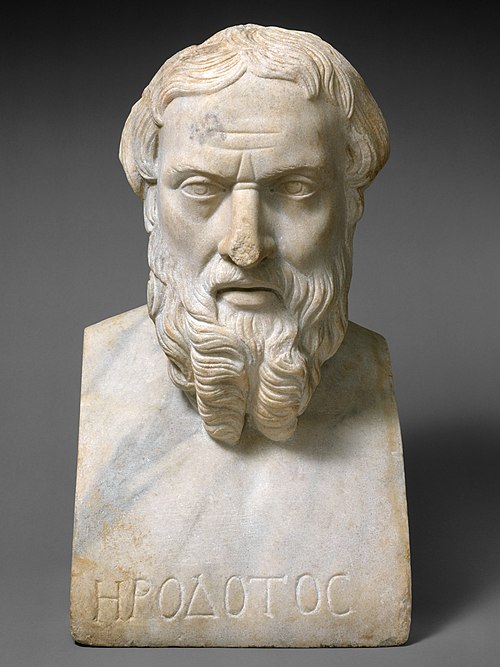


![A cropped image of Burebista's statue in Calarasi. The full uncropped image can be found at [[File:Burebista statue in Calarasi.jpg]]](https://upload.wikimedia.org/wikipedia/commons/b/b8/Burebista_cropped.png)


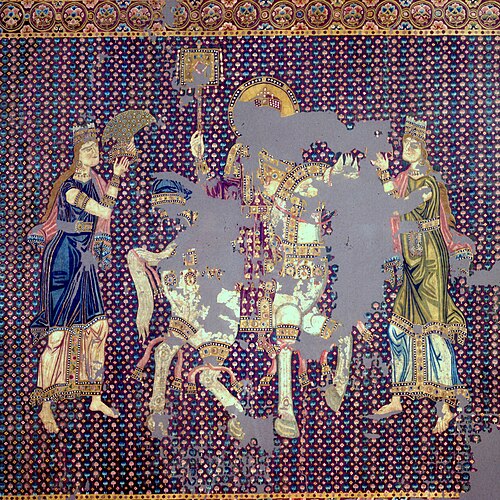
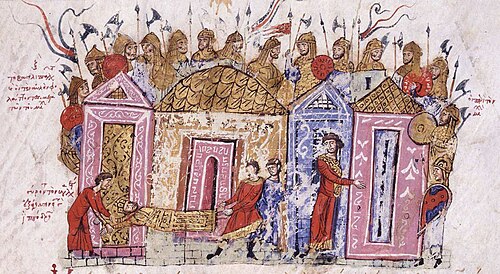


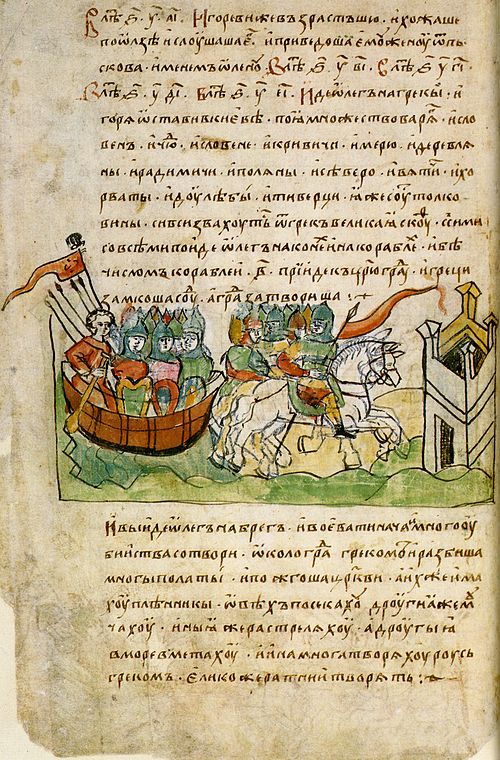


![Contemporary reconstruction. Flag of Moldavia in the 15th-16th centuries. Made after: Seal of en:Alexandru cel Bun (1400-1432) from the National Museum of History of Romania. [1], Image:AlexandruCelBunSeal.png, Image:StefanCelMareSeal.png. The first information regarding the color of the Moldavian flag (including elements) comes from a book of documents published in Krakow in 1533: The grand flag had a red field on which was nicely painted with gold the coat of arms of Moldavia (banderim magnum sericeum, coloris rubri, in quo arma terrae Moldaviae pulhre auro depicta erant).](https://upload.wikimedia.org/wikipedia/commons/thumb/5/59/Flag_of_Moldavia.svg/500px-Flag_of_Moldavia.svg.png)


