Encyclopedia/3. History, Societies & Civilizations/09. Modern Nations/05. Europe • Curated by Admin Timeline.sg
History of Portugal, sourced from Wikipedia's "Timeline of Portuguese history".
Chronological Storyline (250 Milestones)
218 BCE
Second Punic War
The Second Punic War would bring the Roman Republic's influence to Iberia. The Roman conquest of the Iberian Peninsula begins. Source — Wikipedia, "Timeline of Portuguese history" (3rd century BC):
Map showing Rome and Carthage at the start of the Second Punic War and the theatre of the Punic Wars. By William Robert Shepherd - This file was derived from: Rome carthage 218.jpg: Shepherd, William R. (1923) "Rome and Carthage at the Beginning of the Second Punic War, 218 B.C." in Historical Atlas, Category:New York: Henry Holt and Company, p. 32 OCLC: 1980660., CC BY-SA 3.0, https://commons.wikimedia.org/w/index.php?curid=19256993
197 BCE
Iberian Peninsula
The Iberian Peninsula is divided into Hispania Ulterior (which will include all of Portugal) and Hispania Citerior. Source — Wikipedia, "Timeline of Portuguese history" (2nd century BC):
Satellite image of the Iberian Peninsula in January 2003 taken by the MODIS instrument on board NASA's Aqua satellite. NASA's description: The Iberian Peninsula, home to the countries of Spain and Portugal, stretches toward North Africa in this true-color Aqua MODIS image from January 24, 2003. Portugal sits on the Atlantic side of the peninsula, while Spain takes up the rest and shares a border with France to the northeast. At the bottom of the peninsula is a narrow gap between Europe and North Africa. This gap is the Strait of Gibraltar, which also serves as the buffer between the Atlantic Ocean and the Mediterranean Sea. The northern point of Morocco occupies the other side of the Strait, and farther to the east is northern Algeria. By Jacques Descloitres, MODIS Rapid Response Team, NASA/GSFC - https://visibleearth.nasa.gov/view.php?id=64573, Public domain, https://commons.wikimedia.org/w/index.php?curid=320758
155 BCE
Lusitanians
Resistance to the Roman conquest by the Lusitanians starts in the Lusitanian War. Source — Wikipedia, "Timeline of Portuguese history" (2nd century BC):
Map of Viriato's Campaigns against the Roman Empire By NACLE - Own work, CC BY-SA 4.0, https://commons.wikimedia.org/w/index.php?curid=64695495
148 BCE
Viriathus
Viriathus becomes the Lusitanian leader. Source — Wikipedia, "Timeline of Portuguese history" (2nd century BC):
Statue of Viriato, at Zamora, Spain By Eduardo Barrón - Own work, CC BY-SA 3.0, https://commons.wikimedia.org/w/index.php?curid=4630135
140 BCE
Quintus Servilius Caepio
After being defeated by Fabius Maximus Caepius, Viriathus sends his most trusted friends Audax, Ditalcus and Minurus to negotiate peace terms with Caepio. They are bribed by Caepius to kill Viriathus and do. After the death of Viriathus, the Lusitanians attempt to raid Saguntum, but fail. On crossing the river Baetis on their return, they are defeated by Caepio and accept to become Rome's subjects. This marks the end of the Lusitanian War. Source — Wikipedia, "Timeline of Portuguese history" (2nd century BC):
Muerte de Viriato, recogido en la publicación Museo de los niños. By AnonymousUnknown author - (january 1848). "Historia de España recreativa, España romana, Viriato". Museo de los niños: 7., Public domain, https://commons.wikimedia.org/w/index.php?curid=30919369
80 BCE
Sertorian War
The Sertorian War takes place, with Quintus Sertorius, a Roman general, rebelling against Rome with the support of the Lusitanians. Source — Wikipedia, "Timeline of Portuguese history" (1st century BC):
Map of the Iberian peninsula depicting troop movements and battles during the Sertorian war (76 – 75 BC) By Jaume Noguera, Pau Valdés, and Eduard Ble - "New perspectives on the Sertorian War in northeastern Hispania" Journal of Roman Archaeology 35 (2022) p 25. https://doi.org/10.1017/S1047759422000010., CC BY 4.0, https://commons.wikimedia.org/w/index.php?curid=151176862
27 BCE
Roman Empire
The Roman Republic is over and the Roman Empire begins in the aftermath of the War of Actium, in which Augustus wins and becomes Emperor. He replaces the old Hispania Ulterior and Citerior division with a new one: Lusitania (Centre and South of modern Portugal and some territory of Modern Spain, namely the capital of Lusitania, Mérida), Hispania Baetica (only territories in Modern Spain, mostly around Seville), and everything else, including the North of Portugal, in Hispania Tarraconensis. Source — Wikipedia, "Timeline of Portuguese history" (1st century BC):
The Roman Empire (red) and its clients (pink) in 117 AD during the reign of emperor Trajan. By Tataryn - Own work, CC BY-SA 3.0, https://commons.wikimedia.org/w/index.php?curid=19625326
293 CE
Diocletian
Diocletian reorganises the provinces of Hispania, creating some new ones. Of interest, Gallaecia is split from the Tarraconensis province. Gallaecia includes the North of Portugal (starting with Portus Cale/Porto) and extending to the North of Spain (Galicia). Bracara Augusta (Braga) is the administrative centre of Conventus Bracarensis, one of the three conventus of Gallaecia. Source — Wikipedia, "Timeline of Portuguese history" (3rd century):
Diocletian, 284-305, from Nikomedia, Izmit, end 3rd century AD. By Dosseman - Own work, CC BY-SA 4.0, https://commons.wikimedia.org/w/index.php?curid=187730312
357 CE
Potamius
Potamius, the first recorded bishop of Lisbon, takes part in the Councils of Sirmium, in which he is recorded as having defended Arianism. Source — Wikipedia, "Timeline of Portuguese history" (4th century):
Cathedral, Lisboa, Portugal By Diego Delso - Own work, CC BY-SA 4.0, https://commons.wikimedia.org/w/index.php?curid=123632404
409 CE
Migration Period
In the context of the Migration Period, the Kingdom of the Suebi is established with King Hermeric as its leader and Braga as its capital. The Kingdom includes Gallaecia and varying other parts of Portugal. Source — Wikipedia, "Timeline of Portuguese history" (5th century):
Map of the "barbarian" invasions by the Angles, Saxons, Jutes, Franks, Goths, Visigoths, Ostrogoths, Huns and Vandals of the Roman Empire showing the major incursions from 100 to 500 CE. References Cornell, Tim; Matthews, John (1982), Atlas of the Roman World, Facts on File, NY, ISBN: 0871966522. Ermatinger, James W; (2004) Decline and Fall of the Roman Empire, Greenwood Pub Group, NY, ISBN: 0313326924. Various, Historical Atlas of the World, 1970, Barnes & Noble, NY. Ancona, Francis ; Atlas Of The World, 1999, Barnes & Noble, NY. By User:MapMaster - Own work, CC BY-SA 2.5, https://commons.wikimedia.org/w/index.php?curid=1234669
416 CE
Gothic War in Spain
In the first Gothic War in Spain (416–418), the Western Roman Empire commissions the Visigoths to take back Spain for the Roman Empire from the Suebi and Alans. Source — Wikipedia, "Timeline of Portuguese history" (5th century):
Campanyes a Hispània dels visigots i vàndals asdings contra els alans i vàndals silings per recuperar, en nom de l'Imperi romà, les províncies hispanes de Bètica, Cartaginense i Lusitània. (416-418) By Paulusburg Translator: Manlleus (ca) - Own work, CC BY-SA 4.0, https://commons.wikimedia.org/w/index.php?curid=91506886
418 CE
The first Gothic War in Spain
The first Gothic War in Spain ends, with a win for the Visigoths and Rome, who take back a considerable portion of the Iberian Peninsula, with the Kingdom of Suebi being restricted to the North of Spain (Gallecia). Source — Wikipedia, "Timeline of Portuguese history" (5th century):
419 CE
Asterius
Asterius, a Roman general, campaigns in Gallecia to suppress an uprising by Maximus and a war between Suebi against the Vandals and Alans. Source — Wikipedia, "Timeline of Portuguese history" (5th century):
Iberian peninsula in year 418, after the Rhine invaders had divided Hispania (411) and the settlement of the Visigoths in Aquitania II. By No machine-readable author provided. Medievalista assumed (based on copyright claims). - No machine-readable source provided. Own work assumed (based on copyright claims)., Public domain, https://commons.wikimedia.org/w/index.php?curid=2959037
438 CE
Rechila
Rechila, King of the Suebi, leads several campaigns against the Romans and Visigoths. Source — Wikipedia, "Timeline of Portuguese history" (5th century):
Animated picture about the King Rechila's life and reign. By Alexander Vigo - Own work, CC BY-SA 3.0, https://commons.wikimedia.org/w/index.php?curid=27564706
439 CE
Emerita Augusta, capital of Lusitania, is
Emerita Augusta, capital of Lusitania, is captured by Recila, ending its Roman rule. Source — Wikipedia, "Timeline of Portuguese history" (5th century):
456 CE
Gothic War in Spain
The second Gothic War in Spain (456) takes place between the Suebi (led by Rechila's son, Rechiar) and the Romans, Visigoths, Franks and Burgundians. Rechiar flees to Porto, where he is killed. The Battle of Órbigo culminates with the sacking of (Suebi) Braga and nearby cities. Source — Wikipedia, "Timeline of Portuguese history" (5th century):
Reino Suevo em 448 By Alexander Vigo (talk · contribs) - This file was derived from: Rechila.gif:, CC BY 3.0, https://commons.wikimedia.org/w/index.php?curid=56466965
468 CE
Hydatius
Hydatius, bishop of Aquae Flaviae, finishes writing his Chronicon, a chronicle written in Latin which is our only contemporary source for the history of Hispania between 427 and 468. Source — Wikipedia, "Timeline of Portuguese history" (5th century):
Termas Romanas de Chaves ou Termas Medicinais Romanas de Chaves By Alegna13 - Own work, CC BY-SA 3.0, https://commons.wikimedia.org/w/index.php?curid=16562328
Feb 2, 506 CE
Breviary of Alaric
The Breviary of Alaric is published by the order of Alaric II, King of the Visigoths. This collection of Roman law applied, not to the Visigothic nobles who lived under their own law, but to the Hispano-Roman and Gallo-Roman population, living under Visigoth rule. Source — Wikipedia, "Timeline of Portuguese history" (6th century):
Frontispiece for the Breviary of Alaric painted by Audgarius in a manuscript from 803-814. On the left it depicts the Roman emperors Theodosius, Valentian, Marcian, and Majorian, while on the right it depicts emperor Libius Severus (top-left), and three jurists: Gaius author of the Institutes (top-right), Paulus (bottom-left), and Herennius Modestinus (bottom-right). By Audgarius - https://gallica.bnf.fr/ark:/12148/btv1b8426042t/f11.item.zoom, Public domain, https://commons.wikimedia.org/w/index.php?curid=173256008
552 CE
Justinian I
Emperor Justinian I, of the Byzantine Empire, establishes the province of Spania. In its greatest extent, Spania would include parts of modern-day Algarve. Source — Wikipedia, "Timeline of Portuguese history" (6th century):
San Vitale (Ravenna) - Mosaic of Iustinianus I By Petar Milošević - Own work, CC BY-SA 4.0, https://commons.wikimedia.org/w/index.php?curid=40035957
561 CE
First Council of Braga
The First Council of Braga takes place, taking aim at Priscillianism, a Christian sect that had emerged in Spain. Source — Wikipedia, "Timeline of Portuguese history" (6th century):
Rei Ariamiro ou Teodomiro cos bispos Lucrecio, André e Martiño. By Unknown author - Códice Vigiliano del monasterio de El Escorial., Public domain, https://commons.wikimedia.org/w/index.php?curid=3936626
585 CE
Liuvigild
King Liuvigild of the Visigothic Kingdom (capital in Toletum), an Arian, conquers the Suevi Kingdom, thus controlling most of the Iberian Peninsula (and all of Portugal). Source — Wikipedia, "Timeline of Portuguese history" (6th century):
Visigoths, Spain. Leovigild (?). AD 568-586. AV Tremissis (1.23 g, 6h). Toledo(?) mint. Struck circa AD 573-578. CVRRIO + OIRRVC (retrograde), diademed and draped bust right; cross with crescents at corners on drapery / VI-VRT- N (N retrograde) LVRRV (final two Rs retrograde), Victory advancing right, holding palm and wreath, • between legs; ONO (N retrograde). Tomasini, Group C3, 590; cf. Miles, Visigoths Type H, 8; cf. Chaves 79-81; MEC 1, 207 var. (obv. legend). EF, toned By You may select the license of your choice. - http://www.cngcoins.com/Coin.aspx?CoinID=86004, CC BY-SA 3.0, https://commons.wikimedia.org/w/index.php?curid=32869109
586 CE
Reccared I
King Liuvigild dies and is followed by his son, Reccared I. Source — Wikipedia, "Timeline of Portuguese history" (6th century):
Tremis visigodo de oro acuñado en Sevilla ("Ispali") durante el reinado de Recaredo I. Leyendas: anverso "+RECCAREDVSRE·." reverso "+PIVS ISPALI". Fuente: Ruth Pliego, La Moneda Visigoda, 2009, 106E. Conservación: MBC+/MBC. By Numismática Pliego, CC BY-SA 3.0, https://commons.wikimedia.org/w/index.php?curid=30706977
587 CE
Chalcedonian Christianity
King Reccared I renounces Arianism for Chalcedonianism and suppresses several Arian revolts in his kingdom. Source — Wikipedia, "Timeline of Portuguese history" (6th century):
589 CE
Third Council of Toledo
In the Third Council of Toledo, the Visigothic Kingdom joins the Catholic Church. The bishops of Viseu and of Porto attend the council. Source — Wikipedia, "Timeline of Portuguese history" (6th century):
El lienzo representa el III Concilio de Toledo, celebrado en la ciudad de Toledo en el año 589, durante el reinado de Recaredo, quien abandonó el arrianismo y se convirtió al catolicismo. By José Martí y Monsó - [3], Public domain, https://commons.wikimedia.org/w/index.php?curid=47481466
601 CE
Liuva II
King Reccared I dies and is succeeded by his son, Liuva II. Source — Wikipedia, "Timeline of Portuguese history" (7th century):
Imitación moderna (¿siglo XX?) de un tremis visigodo de oro acuñado en Mérida durante el reinado de Liuva II. Leyendas: anverso "+DN LIVVA RE+", reverso "+EMERETA PIVS" . Fuente: Ruth Pliego, La Moneda Visigoda, 2009, 939. Conservación: EBC+. By Numismática Pliego, CC BY-SA 3.0, https://commons.wikimedia.org/w/index.php?curid=30706973
602 CE
Witteric
Witteric, who had been involved as a conspirator in the Arian uprisings of 585, is given command to lead the Visigothic army against the Byzantine Empire. Instead, he has Liuva II executed and becomes King of the Visigoths. Source — Wikipedia, "Timeline of Portuguese history" (7th century):
Imitación moderna (¿siglo XX?) de un tremis visigodo de oro acuñado en Tarragona ("Tarraco") durante el reinado de Witerico. Leyendas: anverso "+VVITTIRICVSRE", reverso "+*PIV:TARRA:CO". Fuente: Ruth Pliego, La Moneda Visigoda, 2009, 972. Conservación: EBC+. By Numismática Pliego, CC BY-SA 3.0, https://commons.wikimedia.org/w/index.php?curid=30706989
Apr 1, 610 CE
Gundemar
King Witteric is murdered by a faction of Catholic nobles. They proclaim Gundemar as King of the Visigoths. Source — Wikipedia, "Timeline of Portuguese history" (7th century):
Retrato imaginario del rey visigodo Gundemaro († 612), que sucedió en el trono a Witerico y fue sucedido a su vez por Sisebuto. By Bernardino Montañés - [2], Public domain, https://commons.wikimedia.org/w/index.php?curid=47460238
Feb 1, 612 CE
Sisebut
King Gundemar dies of natural causes. He is succeeded by Sisebut. He took back most of the province of Spania from Byzantine control, except for the Algarve and would persecute Jews. Source — Wikipedia, "Timeline of Portuguese history" (7th century):
Ancient coinage. By The original uploader was Ex0pos at English Wikipedia. - Transferred from en.wikipedia to Commons., Public domain, https://commons.wikimedia.org/w/index.php?curid=5898899
Feb 1, 621 CE
Reccared II
Upon the death of King Sisebut, his young son takes the throne as Reccared II. The length of the reign exactly is debated to last from several days to just over a year, Reccared II dies and Suintila, son of Reccared I, takes the throne. Source — Wikipedia, "Timeline of Portuguese history" (7th century):
Retrato imaginario de Recaredo II († 621), rey de los Visigodos e hijo y succesor del rey Sisebuto. By Francisco Aznar - [2], Public domain, https://commons.wikimedia.org/w/index.php?curid=46279663
624 CE
Suintila takes back Algarve, ending the
Suintila takes back Algarve, ending the Byzantine presence in Iberia. Source — Wikipedia, "Timeline of Portuguese history" (7th century):
Mar 26, 631 CE
Sisenand
A rebellion over confiscations of lands and distribution of privileges between the nobility and clergy results in Suintila being deposed and Sisenand proclaiming himself King of the Visigoths. Source — Wikipedia, "Timeline of Portuguese history" (7th century):
Retrato imaginario del rey visigodo Sisenando († 636), que sucedió en el trono a Suintila y fue sucedido a su vez por el rey Chintila. By Bernardino Montañés - [2], Public domain, https://commons.wikimedia.org/w/index.php?curid=47460596
632 CE
Iudila
There was an attempted uprising within the kingdom, led by Iudila, but the revolution failed and Iudila was later killed. Source — Wikipedia, "Timeline of Portuguese history" (7th century):
Visigoths in Spain. Judila. Circa 631-633 AD. AV Tremissis (1.42 gm). Eliberri mint. +IVDILA REX, facing bust +PIVS ELIBERI, facing bust. Cf. Miles, HNSM II 278; cf. C&C 247. EF, tiny edge crack. Judila was a usurper in Baetica, an area in southern Spain. His exact identity is uncertain, but he most likely was Geila, the brother of Suinthila. According to the acts of the 4th Council of Toledo, which are dated to 5 December, 633 AD, Geila "was excommunicated and deprived of his property because of his faithlessness to his brother and to Sisebut." This coin is only the second recorded example of Judila's coinage from the Eliberri mint. The location of the first, found in the La Capilla hoard, was not known to Miles. A unique specimen from Emerita is the only other known issue of Judila. By CNG - http://www.coinarchives.com/a/lotviewer.php?LotID=2504&AucID=6&Lot=1456, CC BY-SA 3.0, https://commons.wikimedia.org/w/index.php?curid=5036792
633 CE
Fourth Council of Toledo
King Sisenand convened the IV Council of Toledo. The Council did not grant Sisenand hereditary rights. Source — Wikipedia, "Timeline of Portuguese history" (7th century):
Mar 12, 636 CE
Chintila
King Sisenand dies of natural causes, Chintila succeeds him. Source — Wikipedia, "Timeline of Portuguese history" (7th century):
El lienzo representa a Chintila, que fue rey de los visigodosentre los años 636 y 639 ó 640. Sucedió al rey Sisenando y fue sucedido a su vez por su hijo, el rey Tulga. El rey Chintila aparece representado de pie, en un interior probablemente religioso, con su mano apoyada en un libro abierto sobre un altar, detrás del cual se ve una cruz que evoca la orfebrería prerrománica asturiana. Viste túnica de color carmesí y manto blanco, y con su mano izquierda sujeta el largo cetro. By Bernardino Montañés - [2], Public domain, https://commons.wikimedia.org/w/index.php?curid=27153211
Jan 9, 638 CE
Sixth Council of Toledo
King Chintilla convenes the Sixth Council of Toledo in a second attempt to create internal stability. Source — Wikipedia, "Timeline of Portuguese history" (7th century):
639 CE
Tulga
King Chintilla dies and is succeeded by his son Tulga. Source — Wikipedia, "Timeline of Portuguese history" (7th century):
Retrato imaginario de Tulga († 642), rey de los Visigodos e hijo y sucesor del rey Chintila. By Agustín Sáez Glanadell - [3], Public domain, https://commons.wikimedia.org/w/index.php?curid=48105628
642 CE
Chindasuinth
Chindasuinth, a veteran of the Liuvigild campaigns, is elected by the Visigothic nobles as the King of the Visigoths. Source — Wikipedia, "Timeline of Portuguese history" (7th century):
Visigoths in Spain. Chindaswinth. 642-653. AV Tremissis (1.56 g, 6h). Hispalis (Seville) mint. +CN•SVINLVS PX, facing bust +ISPLLIS PIVS, facing bust. CNV 411.6; Miles, Visigoths 324b; Chaves 270 var. (obv. legend); MEC 1, 255 var. (same). Good VF, toned, small “X” graffito on obverse. Rare. The Visigoths were one of many Germanic tribes that invaded the Roman Empire in the fourth century AD. Their early period is most notable for their defeat of the emperor Valens at Adrianople in AD 378 and their sacking of Rome under Alaric in AD 410. Alaric’s successor, Athaulf, led the Visigoths into Gaul and Spain, where they subsequently fought against the Vandals and Suevi for the emperor Honorius. Honorius rewarded them, in AD 417, with his permission to settle as foederati in western Aquitaine. Over the following half-century, the Visigoths rendered relatively faithful service to the empire, until their king Euric conquered much of Gaul and established an independent kingdom. This kingdom was quickly squashed in AD 507 by the Franks under Clovis, and the center of Visigothic power moved to Spain, where it flourished and took hold. The majority of the later kings were relatively weak and ineffectual. A few exceptions were the following: Leovigild, an outstanding military and political leader whose long reign (AD 568-586) ushered in the royal line that continued until the end; Reccared, who officially abandoned Arianism for Catholicism; and Sisebut and Swinthila, whose efforts led to the final conquest of Byzantine possessions in Spain. By AD 711, the decentralizing of power in Visigothic Spain had left the kingdom weak in the face of the invading Arabs, who defeated Roderick, the last Visigothic king. Another Visigothic leader, Achila II, continued to rule in Septimania, but he was also killed by the Arabs in AD 714. By CNG - http://www.cngcoins.com/Coin.aspx?CoinID=109383, CC BY-SA 3.0, https://commons.wikimedia.org/w/index.php?curid=5172214
Nov 18, 646 CE
Seventh Council of Toledo
King Chindasuinth convenes the Seventh Council of Toledo. Its main aim was to further harden the laws against treason. Source — Wikipedia, "Timeline of Portuguese history" (7th century):
A contemporary engraving of the conspirators. The Dutch artist probably never actually saw or met any of the conspirators, but it has become a popular representation nonetheless By Crispijn van de Passe the Elder - 's file, From English Wikipedia., Public domain, https://commons.wikimedia.org/w/index.php?curid=351242
Jan 20, 649 CE
Recceswinth
King Chindasuinth proclaims his son, Recceswinth, as co-king in yet another attempt to establish a hereditary monarchy in the Visigothic Kingdom. Source — Wikipedia, "Timeline of Portuguese history" (7th century):
A)ECCESVINTHUS REX OFFERET is the phrase formed by hanging letters in this votive crown from the seventh century and about 21 cm in diameter located in Guarrazar, a Visigothic site in Toledo. The so-called treasure of Guarrazar was found on August 25, 1858 by Francisco Morales and María Pérez. According to their testimony they were on a road and saw something that shone among slabs, apparently discovered by a great storm the day before. The "treasure" consisted of several crowns (more than twenty), crosses, chalices and other gold objects and gems in an chest. After several clandestine sales, a batch of pieces was sold to the French government in early 1859. In 1941, an exchange of works was made that meant the delivery to Spain of six of the nine crowns that made up this part of the complex. They are currently exhibited at the National Archaeological Museum in Madrid. A second set was kept hidden by another family for more than two years, during which they even dismantled and sold more than three quarters of the pieces. In 1961 they gave Queen Elizabeth II the few remaining pieces, among which was a crown offered by King Suintila that was stolen in 1921 without his whereabouts having been heard again. Part of the previous text has been taken from www.guarrazar.com/ where there is extensive information about these pieces. By Ángel M. Felicísimo from Mérida, España - Corona de, CC BY 2.0, https://commons.wikimedia.org/w/index.php?curid=51253204
Dec 16, 653 CE
Eighth Council of Toledo
King Chindasuinth, and his co-king son, convene the Eighth Council of Toledo. Source — Wikipedia, "Timeline of Portuguese history" (7th century):
654 CE
Visigothic Code
King Recceswinth published the Visigothic Code, which abolished the old tradition of having different laws for Romans (leges romanae) and Visigoths (leges barbarorum), and under it all the subjects of the Visigothic kingdom would stop being romani and gothi instead becoming hispani. Source — Wikipedia, "Timeline of Portuguese history" (7th century):
Visigothic Code By Unknown author, Public domain, https://commons.wikimedia.org/w/index.php?curid=1004784
656 CE
Tenth Council of Toledo
King Recceswinth summons the Tenth Council of Toledo. Source — Wikipedia, "Timeline of Portuguese history" (7th century):
672 CE
Wamba
King Recceswinth dies and is succeeded by Wamba. He would face a revolt from Hilderic of Nîmes that he would successfully deal with. Source — Wikipedia, "Timeline of Portuguese history" (7th century):
Coin of king Wamba. Based on https://commons.wikimedia.org/wiki/File:Barcelona_MNAC_DSCF7773-100.JPG By LeGabrie - Own work, CC BY-SA 4.0, https://commons.wikimedia.org/w/index.php?curid=68284644
675 CE
Third Council of Braga
The Third Council of Braga and the Eleventh Council of Toledo are held. Source — Wikipedia, "Timeline of Portuguese history" (7th century):
680 CE
Erwig
Erwig succeeds Wamba as the King of the Visigoths. Source — Wikipedia, "Timeline of Portuguese history" (7th century):
Visigoths in Spain. en:Erwig. 680-687 AD. AV Tremissis (1.43 gm). Emerita (nowdays Mérida) mint. +ID IN M N ERVIGIVS RX, facing bust of Christ with cross behind head +EMERITA PIVS, cross potent of three steps. Miles 415a; MEC 267; Heiss 5; Chaves 317. VF, slightly ragged edge. Rare. Unusual stylistic variant. Ex Classical Numismatic Group Auction 55 (13 September 2000), lot 1501. This exceptional type which is clearly the facing head of Christ precedes the introduction of the celebrated bust of Christ types of Justinian II from about 692 (cf. MIB III, 8-9). Both issues reflect the theological polemic of the time, how and if to represent Christ in art. Iconoclasm in the Byzantine east seems to have been provoked by the condemnation of Monothelitism by the 6th Ecumenical Council of 680 at Constantinople. The Visigoths at first served the empire with reasonable fidelity. It was not until the reign of Suinthila (621-631) that the final expulsion of the imperial prefecture, set up in Athanagild's time in southern Spain, was effected. The fourth council of Toledo, presided over by St. Isidor during reign of Sisenand (631-636), completed the subjection of the now decadent monarchy and passed government to ecclesiastical authority. By CNG - http://www.cngcoins.com/Coin.aspx?CoinID=25196, CC BY-SA 3.0, https://commons.wikimedia.org/w/index.php?curid=5172700
Jan 9, 681 CE
Twelfth Council of Toledo
The Twelfth Council of Toledo is summoned by Erwig to legitimize his power. It also revised the Visigothic Code and oppressed Jews. Source — Wikipedia, "Timeline of Portuguese history" (7th century):
Nov 4, 683 CE
Thirteenth Council of Toledo
The Thirteenth Council of Toledo is convened, pardoning the rebels against King Wamba and King Chintila. Source — Wikipedia, "Timeline of Portuguese history" (7th century):
Nov 14, 684 CE
Fourteenth Council of Toledo
The Fourteenth Council of Toledo is convened, in response to a request by Pope Leo II to confirm the decisions of the ecumenical Third Council of Constantinople against monothelitism. The Council confirms the decisions of the Constantinople Council. Source — Wikipedia, "Timeline of Portuguese history" (7th century):
Miniature 45 from the Constantine Manasses Chronicle, 14 century: Sixth Ecumenical Council By Original: Constantine Manasses - Scanned from book "Miniatures from the Manasses Chronicle", Ivan Duichev, "Bulgarski hudojnik" Publishing house, Sofia, 1962, Public domain, https://commons.wikimedia.org/w/index.php?curid=3511792
Nov 14, 687 CE
Egica
King Erwig dies and appoints Egica, his son-in-law, as the successor King of the Visigoths. Source — Wikipedia, "Timeline of Portuguese history" (7th century):
Visigothic Kings: Aegius. In accordance with Codex Albeldense or Vigilano detail of sheet 428 of the same. By Reyes_visigodos_Codex_Vigilanus.jpg: Pertenece al Codex Vigilanus su probable autor sea el monje Vigila o Vigilán derivative work: Vladimir Solovjev (talk) - Reyes_visigodos_Codex_Vigilanus.jpg, Public domain, https://commons.wikimedia.org/w/index.php?curid=16528913
688 CE
Fifteenth Council of Toledo
King Egica summons the Fifteenth Council of Toledo to reaffirm the XIV Council of Toledo and to release him from the duty to protect Erwig's children. The Council releases Egica from his oath to Erwig to protect his children, but do not revert the protection they had due to the XIII Council of Toledo, as King Egica had hoped. Source — Wikipedia, "Timeline of Portuguese history" (7th century):
693 CE
Sisebert
Sisebert, the metropolitan of Toledo, led a rebellion against Egica in favor of raising a man named Suniefred to the throne. The rebellion would fail. Source — Wikipedia, "Timeline of Portuguese history" (7th century):
Sisebert By Unknown author, CC BY-SA 3.0, https://commons.wikimedia.org/w/index.php?curid=407620
694 CE
Wittiza
King Egica appoints his son, Wittiza, as co-ruler. Source — Wikipedia, "Timeline of Portuguese history" (7th century):
Triente de ouro procedente da ceca bracarense, Gallaecia, na que se representa a Witiza como rei. By SIMÕES PETANA, Nuno. autoría propia - Transferred from gl.wikipedia, Public domain, https://commons.wikimedia.org/w/index.php?curid=4761530
702 CE
King Egica dies, leaving his son
King Egica dies, leaving his son Wittiza as sole ruler. Source — Wikipedia, "Timeline of Portuguese history" (8th century):
710 CE
Roderic
Roderic, often known as the last king of the Visigoths (although officially that title belongs to Ardo), a grandson of Chindaswinth, usurps the throne. The Visigothic kingdom breaks into two factions, one (the provinces of Lusitania and western Carthaginiensis around the capital Toledo) in support of Roderic, the other in support of Achila II. Source — Wikipedia, "Timeline of Portuguese history" (8th century):
Drawing of six kings. Reproduced from Alois Musil. Kusejr 'Amra und Schlösser östlich von Moab. Vol. 2, pl. XXVI. Vienna, 1907. The original is a fresco, 705–15. West wall, hall, Qusayr ‘Amra, Jordan. Reproduced from Alois Musil. Kusejr ‘Amra und Schlösser östlich von Moab. Vol. 2, pl. XXVI. Vienna, 1907 A particularly dramatic scene depicts six kings in elaborate headgear, four of which feature bilingual inscriptions in Arabic and Greek listing: "Kaisar," or Byzantine emperor (caesar), the Sasanian shah "Kisra" (Khusro), "Negus" or King of Ethiopia, and "Roderick," the Visigothic king. It has been posited that the two kings that are not identified in the inscription were the ruler of China and a Turkic leader. All six figures gesture in supplication toward the spot in the hall where the caliph would presumably have been seated. The intricate arrangement of this and other scenes hint at narrative, suggesting now-lost associations drawn from epic poetry or song. By Unknown Umayyad artist from 8th century. - https://www.metmuseum.org/exhibitions/listings/2012/byzantium-and-islam/blog/where-in-the-world/posts/qusayr-amra, Public domain, https://commons.wikimedia.org/w/index.php?curid=29024344
711 CE
Umayyad conquest of Hispania
The Umayyad conquest of Hispania begins with Tariq ibn Ziyad crossing the Strait of Gibraltar and entering the Visigothic Kingdom. King Roderic of the Visigoths dies in the Battle of Guadalete. By 716, most of the Iberian Peninsula is under Islamic rule. Source — Wikipedia, "Timeline of Portuguese history" (8th century):
Mapa descriptivo de la invasión musulmana de la Península Ibérica By NACLE based on Image:Iberian_Peninsula_location_map.svg created by NordNordWest - Own work, CC BY-SA 4.0, https://commons.wikimedia.org/w/index.php?curid=47656801
714 CE
Abd al-Aziz ibn Musa
Abd al-Aziz ibn Musa becomes Governor of al-Andalus, with al-Andalus constituting a single province within the Umayyad Caliphate. Al-Andalus was formally a province subordinate to the Umayyad governor of Kairouan in Ifriqiya, rather than directly dependent on the Umayyad Caliph in Damascus, with Kairouan appointing most of the governors of al-Andalus. Source — Wikipedia, "Timeline of Portuguese history" (8th century):
The Umayyad Caliphate at its greatest extent, in 720, under Caliph Umar II. By Ergovius - Own work, CC BY-SA 4.0, https://commons.wikimedia.org/w/index.php?curid=101110977
718 CE
Battle of Covadonga
Following the Battle of Covadonga, the Visigothic nobleman Pelagius of Asturias founds the Kingdom of Asturias. He begins the Astur-Leonese dynasty. Source — Wikipedia, "Timeline of Portuguese history" (8th century):
Mapa de la consquista islámica de la Península Ibérica By NACLE - Own work, CC BY-SA 4.0, https://commons.wikimedia.org/w/index.php?curid=64846887
740 CE
Alfonso I of Asturias
Alfonso I of Asturias conquers Galicia. Source — Wikipedia, "Timeline of Portuguese history" (8th century):
Location of region Galicia in Spain (including Canarias) in Spain. By TUBS - This SVG locator map includes elements from this locator map:, CC BY-SA 3.0, https://commons.wikimedia.org/w/index.php?curid=14520562
May 14, 756 CE
Abbasid revolution
In the aftermath of the Abbasid revolution, in which the Umayyad dynasty lost control of Damascus, a Umayyad prince, Abd al-Rahman I, escapes to al-Andalus and, in 756, proclaims the Emirate of Córdoba. Source — Wikipedia, "Timeline of Portuguese history" (8th century):
Map of the Umayyad Caliphate in 750 CE. By Sheperd, William R.; Historical Atlas; New York: Henry Holt and Company, 1911. 53. - http://www.shadowedrealm.com/maps/political/view/the_caliphate http://www.shadowedrealm.com/maps/political/, Public domain, https://commons.wikimedia.org/w/index.php?curid=10221880
762 CE
Al-Ala ibn Mughith al-Judhami
The Abbasid, who now control Damascus, appoint Al-Ala ibn Mughith al-Judhami as governor of al-Andalus. He would set his government in Beja, but would be unsuccessful in gaining control of al-Andalus, being killed in battle by the forces of Abd al-Rahman I. Source — Wikipedia, "Timeline of Portuguese history" (8th century):
Beja : Nostra_Senora_de_Conceiçao By Patrice78500 - Own work, CC BY-SA 3.0, https://commons.wikimedia.org/w/index.php?curid=8900658
777 CE
Abd al-Rahman ibn Habib al-Siqlabi
The Abbasid appoint a second governor, Abd al-Rahman ibn Habib al-Siqlabi, to dispute control of al-Andalus against Abd al-Rahman I. Ibn Ḥabīb was also unsuccessful and was the last governor appointed by Damascus. Source — Wikipedia, "Timeline of Portuguese history" (8th century):
Oct 6, 788 CE
Hisham I of Córdoba
Hisham I becomes Emir of Córdoba. Source — Wikipedia, "Timeline of Portuguese history" (8th century):
Dirham of Hisham I, emir of Cordoba. In silver. Year AH 175. By Numismática Pliego, CC BY-SA 3.0, https://commons.wikimedia.org/w/index.php?curid=30864863
Jun 12, 796 CE
Al-Hakam I
Al-Hakam I becomes Emir of Córdoba. Source — Wikipedia, "Timeline of Portuguese history" (8th century):
Dírham de Al-Hàkam I, en plata. Encunyada l'any 190 de l'Hègira. By Numismática Pliego, CC BY-SA 3.0, https://commons.wikimedia.org/w/index.php?curid=30864465
May 21, 822 CE
Abd ar-Rahman II
Abd ar-Rahman II becomes Emir of Córdoba. He would engage in nearly continuous warfare against Alfonso II of Asturias. Source — Wikipedia, "Timeline of Portuguese history" (9th century):
Dírham de Abd-ar-Rahman II de Còrdova, en plata. Encunyada l'any 230 de l'Hègira. By Numismática Pliego, CC BY-SA 3.0, https://commons.wikimedia.org/w/index.php?curid=30864643
839 CE
al-Ghazal
Abd ar-Rahman II sent an embassy under al-Ghazal to Constantinople to sign a pact with the Byzantine Empire against the Abbasids. Source — Wikipedia, "Timeline of Portuguese history" (9th century):
Topographical map of Constantinople during the Byzantine period. By Cplakidas - Own work using: Main map source: R. Janin, Constantinople Byzantine. Developpement urbain et repertoire topographique Road network and some other details based on Dumbarton Oaks Papers 54 Data on many churches, especially unidentified ones, taken from the New York University's The Byzantine Churches of Istanbul project Other published maps and accounts of the city have been used for corroboration., CC BY-SA 3.0, https://commons.wikimedia.org/w/index.php?curid=5084599
Aug 1, 844 CE
Viking raid on Seville
First Viking raid of Lisbon, who occupied the city for 13 days. The governor of Lisbon, Wahballah ibn Hazm, wrote about the attack to the Emir. Source — Wikipedia, "Timeline of Portuguese history" (9th century):
848 CE
William of Septimania
William of Septimania requests Abd ar-Rahman II in his struggle against Charles the Bald. Source — Wikipedia, "Timeline of Portuguese history" (9th century):
Bibliothèque nationale de France - Bible de Vivien Ms. Latin 1 folio 423r détail Le comte Vivien offre le manuscrit de la Bible faite à l'abbaye de Saint-Martin de Tours à Charles le Chauve By Comte Vivien - Moines de l'abbaye Saint-Martin de Tours, vers 850 - This file comes from Gallica Digital Library and is available under the digital ID btv1b8455903b/f853.item, Public domain, https://commons.wikimedia.org/w/index.php?curid=78887396
850 CE
Dhimmi
While during most Islamic rule Christians were considered part of the Dhimmi, and thus allowed to exist and worship in private, the Emirs of Córdoba would execute 48 Christians between 850 and 859, known collectively as the Martyrs of Córdoba. The Martyrs included at least two Mozarabs born in present-day Portugal: Sisenandus of Beja (patron saint of Beja) and a priest named Elias, also from Beja, executed with two of his students. Source — Wikipedia, "Timeline of Portuguese history" (9th century):
al-fiqh, 'Islamic jurisprudence' By Mdktb - Own work, Public domain, https://commons.wikimedia.org/w/index.php?curid=79788545
852 CE
Muhammad I of Córdoba
Muhammad I becomes Emir of Córdoba. Source — Wikipedia, "Timeline of Portuguese history" (9th century):
Dírham de Muhammad I de Córdoba, en plata. Acuñada el año 249 de la Hégira. By Numismática Pliego, CC BY-SA 3.0, https://commons.wikimedia.org/w/index.php?curid=30864627
868 CE
Vímara Peres
Vímara Peres was created count of Portugal by Alfonso III of Asturias, king of Asturias, after conquering from the Emirate of Córdoba the Atlantic coast between the Minho and Douro rivers. Source — Wikipedia, "Timeline of Portuguese history" (9th century):
Statue of count Vímara Peres, the first ruler of the County of Portugal (9th century) By Alvesgaspar - Own work, CC BY-SA 4.0, https://commons.wikimedia.org/w/index.php?curid=79290002
868 CE
Ibn Marwan al-Jilliqi
Ibn Marwan al-Jilliqi, a Muwallad of (what is now) Northern Portugal descent, led a group of Muwallad and Mozarabic rebels against Muhammad I. He was granted Badajoz from the Emir but maintained resistance against the Emir's rule until his death in 889. Source — Wikipedia, "Timeline of Portuguese history" (9th century):
Own work By Gianni86 - Own work, Public domain, https://commons.wikimedia.org/w/index.php?curid=5738043
873 CE
Vímara Peres
Vímara died. He was succeeded as count of Portugal by his son Lucídio Vimaranes. Source — Wikipedia, "Timeline of Portuguese history" (9th century):
Statue of count Vímara Peres, the first ruler of the County of Portugal (9th century) By Alvesgaspar - Own work, CC BY-SA 4.0, https://commons.wikimedia.org/w/index.php?curid=79290002
876 CE
Berbers
The Berber Banu Dānis, who had settled many places in modern-day Portugal, lose Coimbra to Alfonso III of Asturias. Source — Wikipedia, "Timeline of Portuguese history" (9th century):
“Berber flag”. Originally created by the Berber Academy (Agraw Imazighen) in the 70s, the flag was adopted in 1998 flag of the Berber people by the Amazigh World Congress (CMA, Agraw Amadlan Amazigh). The “ⵣ” symbol is a Tifinagh letter called "yaz" and pronounced [z]. By Mysid - Drawn by Mysid in CorelDraw, based on a GIF uploaded on en-wiki by Skafis on March 5, 2006., Public domain, https://commons.wikimedia.org/w/index.php?curid=5566983
886 CE
Al-Mundhir of Córdoba
Al-Mundhir becomes Emir of Córdoba. Source — Wikipedia, "Timeline of Portuguese history" (9th century):
888 CE
Abdullah of Córdoba
Abdullah becomes Emir of Córdoba. He would face rebellions from the Banu Dānis, who considered him to have usurped the throne from his half-brother Al-Mundhir. Source — Wikipedia, "Timeline of Portuguese history" (9th century):
Falus of the Emirate de Córdoba issued under Abdullah ibn Muhammad al-Umawi. Made of copper, it shows greenish patina. By Numismática Pliego, CC BY-SA 3.0, https://commons.wikimedia.org/w/index.php?curid=38074192
909 CE
Alfonso III of León
Alfonso III of Asturias is deposed by his sons yet also proclaimed Emperor. Source — Wikipedia, "Timeline of Portuguese history" (10th century):
Libro de los Testamentos By Pelagius - http://logotur.e.telefonica.net/ARTERURAL/MINIATURA/LTESTAMENT/LTESTAMEN-G3.jpg, Public domain, https://commons.wikimedia.org/w/index.php?curid=7843497
910 CE
Alfonso III of Asturias dies and
Alfonso III of Asturias dies and his kingdom is divided among his sons into the dependent kingdoms of Astúrias, León and Galicia. Source — Wikipedia, "Timeline of Portuguese history" (10th century):
911 CE
Hermenegildo Gutiérrez
Count Hermenegildo Guterres of Coimbra, dies and his son Arias Mendes becomes Count of Coimbra. Source — Wikipedia, "Timeline of Portuguese history" (10th century):
Estatua de Hermenegildo Gutiérrez en Tui By ALAIN XD - Own work, CC BY-SA 4.0, https://commons.wikimedia.org/w/index.php?curid=127357337
912 CE
Abd al-Rahman III
Abd al-Rahman III becomes the Umayyad Emir of Córdoba. Source — Wikipedia, "Timeline of Portuguese history" (10th century):
Dírham emés sota Abd-ar-Rahman III. Encunyat en plata l'any 335 de l'Hègira. By Numismática Pliego, CC BY-SA 3.0, https://commons.wikimedia.org/w/index.php?curid=30864684
913 CE
Évora
An expedition commanded by Ordoño II, then vassal king of Galicia, into Muslim territory takes Évora from the Muslims. Source — Wikipedia, "Timeline of Portuguese history" (10th century):
Praça de Giraldo, Evora By François Philipp from Darmstadt, Germany - Praça de Giraldo, Evora Uploaded by tm, CC BY 2.0, https://commons.wikimedia.org/w/index.php?curid=84574201
914 CE
Kingdom of León
Ordoño II of Galicia, becomes King of León, after the death of his brother García I of León. Source — Wikipedia, "Timeline of Portuguese history" (10th century):
Royal Banner of León By Heralder - 'La Bandera Medieval del Reino de León, Ricardo Chao Prieto. Banderas nº98, Sociedad Española de Vexilología, [1] [2], CC BY-SA 3.0, https://commons.wikimedia.org/w/index.php?curid=25595379
916 CE
Emir
Ordoño II of León is defeated by the Emir Abd al-Rahman III in Valdejunquera. Source — Wikipedia, "Timeline of Portuguese history" (10th century):
Men in the decorated palace of Shah Shujah Ool Moolk, Afghanistan. Coloured lithograph by R. Carrick after Lieutenant James Rattray, c. 1847. Iconographic Collections Keywords: James Rattray; Robert Carrick By Unknown author - https://wellcomeimages.org/indexplus/obf_images/05/8e/2676025cb05bf43fc378e2f56402.jpg Gallery: https://wellcomeimages.org/indexplus/image/V0050531.html Wellcome Collection gallery (2018-04-06): https://wellcomecollection.org/works/fsvdmv8s CC-BY-4.0, Public domain, https://commons.wikimedia.org/w/index.php?curid=36674059
918 CE
Battle of Talavera
Battle of Talavera where Muslims under Abd al-Rahman III defeat the Christians. Source — Wikipedia, "Timeline of Portuguese history" (10th century):
924 CE
Fruela II of León
Fruela II becomes King of León. Source — Wikipedia, "Timeline of Portuguese history" (10th century):
Fruela II By AnonymousUnknown author - http://www.ebrisa.com/portalc/media/media-S/images/00021160.jpg, Public domain, https://commons.wikimedia.org/w/index.php?curid=10759849
925 CE
Sancho Ordonhes
Sancho Ordonhes, son of Ordoño II of León, becomes vassal king of Galicia until 929. Source — Wikipedia, "Timeline of Portuguese history" (10th century):
Capela de Loio de As Cortes (Paradela) By Satna - Own work, CC BY-SA 4.0, https://commons.wikimedia.org/w/index.php?curid=50677037
926 CE
Viseu
Ramiro II takes residency in the city of Viseu. Source — Wikipedia, "Timeline of Portuguese history" (10th century):
IMG_20141226_155323-Pano.jpg By nborges from Portugal - IMG_20141226_155323-Pano.jpg, CC BY 2.0, https://commons.wikimedia.org/w/index.php?curid=63265400
928 CE
Gonçalo Moniz
Gonçalo Moniz, grandson of Count Arias Mendes of Coimbra, becomes Count of Coimbra. Source — Wikipedia, "Timeline of Portuguese history" (10th century):
929 CE
Caliph
Abd al-Rahman III proclaims himself Caliph in Córdoba and transforms the Emirate of Córdoba into an independent caliphate no longer under even theoretical control from Baghdad. Source — Wikipedia, "Timeline of Portuguese history" (10th century):
Aerial photograph of Córdoba, Spain. By kallerna - Own work, CC BY-SA 4.0, https://commons.wikimedia.org/w/index.php?curid=97239829
930 CE
Ramiro II leaves his residency in
Ramiro II leaves his residency in Viseu. Source — Wikipedia, "Timeline of Portuguese history" (10th century):
931 CE
Ramiro II becomes King of León.
Ramiro II becomes King of León. Source — Wikipedia, "Timeline of Portuguese history" (10th century):
938 CE
First document where the word Portugal
First document where the word Portugal is written in its present form. Source — Wikipedia, "Timeline of Portuguese history" (10th century):
946 CE
Kingdom of Castile
The county of Castile becomes independent. Source — Wikipedia, "Timeline of Portuguese history" (10th century):
Bandera histórica de Castilla. By drini - Image:Carmesi.jpg, CC BY-SA 3.0, https://commons.wikimedia.org/w/index.php?curid=2075544
950 CE
Countess Mumadona Dias of Portugal divides
Countess Mumadona Dias of Portugal divides amongst her sons her the vast domains, upon the death of her husband Count Mendo I Gonçalves. Source — Wikipedia, "Timeline of Portuguese history" (10th century):
951 CE
Fatimid Caliphate
Abd al-Rahman III signs a peace treaty with Ordoño III in order to focus on dealing with the Fatimid Caliphate. Source — Wikipedia, "Timeline of Portuguese history" (10th century):
Map the Fatimid Empire (chronological)Map drawn acc. to: Euratlas' map of the Fatimid Empire c.1000 [1] Qantara-Med's map of the Mediterranean c.1000 [2] Territories in green represent Hammadid and Zirid realms, resp. indep. in 1018 and 1048 Ian Mladjov's map of the Eastern Mediterranean in 1096 [3] Qantara-Med's map of the Mediterranean c.1100 [4] By Omar-toons - Own work, CC BY-SA 4.0, https://commons.wikimedia.org/w/index.php?curid=36397574
953 CE
Galicia]].
Galicia]]. Source — Wikipedia, "Timeline of Portuguese history" (10th century):
955 CE
Lisbon
Ordoño III of León attacks Lisbon. Source — Wikipedia, "Timeline of Portuguese history" (10th century):
Lisboa - Portugal 🇵🇹 By Vitor Oliveira from Torres Vedras, PORTUGAL - Lisboa - Portugal 🇵🇹, CC BY-SA 2.0, https://commons.wikimedia.org/w/index.php?curid=128320765
956 CE
Sancho I of León
Sancho I becomes King of León. Source — Wikipedia, "Timeline of Portuguese history" (10th century):
Sancho I of León By AnonymousUnknown author - http://www.galeon.com/medievo1/fernandoI_tumboA.jpg, Public domain, https://commons.wikimedia.org/w/index.php?curid=7293613
958 CE
Ordoño IV of León
Sancho I of León is deposed and Ordoño IV becomes King of León. Sancho I asks his grandmother, Toda of Pamplona, to aid him in recovering the throne. Source — Wikipedia, "Timeline of Portuguese history" (10th century):
Ordoño IV of León By AnonymousUnknown author - http://www.turismo-prerromanico.com/manuscritos/tumbo-a-de-la-catedral-de-santiago-20131018021010/, Public domain, https://commons.wikimedia.org/w/index.php?curid=7843463
959 CE
Monastery
Countess Mumadona Dias donates vast estates to the Monastery of St. Mamede in Guimarães. Source — Wikipedia, "Timeline of Portuguese history" (10th century):
A beautiful Dechen Choekhor Mahavihara Monastery is a well-known Buddhist monastery located in the Kullu district of Himachal Pradesh, India. The monastery is an important religious and cultural center in the region and features architecture influenced by Indo-Tibetan artistic traditions. By Rajani Gairshail - Own work, CC BY-SA 4.0, https://commons.wikimedia.org/w/index.php?curid=175557462
960 CE
Sancho I of León is reinstated
Sancho I of León is reinstated as King of León, after the Pamplonian-Muslim army captures Léon. Ordoño IV fled to the Asturias. Source — Wikipedia, "Timeline of Portuguese history" (10th century):
961 CE
Al-Hakam II
Al-Hakam II becomes Umayyad Caliph of Córdoba. Source — Wikipedia, "Timeline of Portuguese history" (10th century):
Moneda del Califa de Córdoba Al-Hakem II. Dírhem de plata. Medina Azahara. Año 358 de la Hégira (968 o 969 del calendario juliano). Fuente citada: Vives, A. Las monedas de las dinastías Arábigo Españolas. Madrid, 1998 (reedición), p. 459. By Numismática Pliego, CC BY-SA 3.0, https://commons.wikimedia.org/w/index.php?curid=26093096
962 CE
Count Gonçalo I Mendes of Portugal
Count Gonçalo I Mendes of Portugal rebels against Sancho I of León. Source — Wikipedia, "Timeline of Portuguese history" (10th century):
966 CE
Count Gonçalo Moniz of Coimbra rebels
Count Gonçalo Moniz of Coimbra rebels against Sancho I of León. Source — Wikipedia, "Timeline of Portuguese history" (10th century):
967 CE
Ramiro III of León
Ramiro III becomes King of León. Source — Wikipedia, "Timeline of Portuguese history" (10th century):
Ramiro III of León By AnonymousUnknown author - Own work, Public domain, https://commons.wikimedia.org/w/index.php?curid=8655481
968 CE
Countess Mumadona Dias dies.
Countess Mumadona Dias dies. Source — Wikipedia, "Timeline of Portuguese history" (10th century):
971 CE
Another minor Viking raid in Galicia.
Another minor Viking raid in Galicia. Source — Wikipedia, "Timeline of Portuguese history" (10th century):
976 CE
Al-Mansur Ibn Abi Aamir
Caliph Al-Hakam II dies, and Al-Mansur Ibn Abi Aamir (nicknamed al-Manṣūr) takes over in the name of his protégé Hisham II, becoming a military dictator usurping caliphal powers and launching a big number of offensive campaigns against the Christians. Source — Wikipedia, "Timeline of Portuguese history" (10th century):
Busto de Almanzor en Calatañazor, Soria (Castilla León) (España). By No machine-readable author provided. Txo assumed (based on copyright claims). - No machine-readable source provided. Own work assumed (based on copyright claims)., Public domain, https://commons.wikimedia.org/w/index.php?curid=152866477
981 CE
Count Gonçalo Moniz of Coimbra dies.
Count Gonçalo Moniz of Coimbra dies. Source — Wikipedia, "Timeline of Portuguese history" (10th century):
982 CE
Bermudo II of León
Bermudo II becomes King of León, having been acclaimed by the Counts of Galicia and anointed in Santiago de Compostela. Source — Wikipedia, "Timeline of Portuguese history" (10th century):
Bermudo II of León By Unknown author - Own work, Public domain, https://commons.wikimedia.org/w/index.php?curid=8655343
987 CE
Al-Mansur Ibn Abi Aamir lays waste
Al-Mansur Ibn Abi Aamir lays waste to Coimbra. Source — Wikipedia, "Timeline of Portuguese history" (10th century):
999 CE
Alfonso V of León
Alfonso V becomes King of León. Source — Wikipedia, "Timeline of Portuguese history" (10th century):
Alfonso V of León By Acoma - Own work, Public domain, https://commons.wikimedia.org/w/index.php?curid=8655656
1002 CE
Salem, Spain
Al-Mansur Ibn Abi Aamir dies in the village of Salem due to natural causes. His son, Abd al-Malik al-Muzaffar, takes his place in being the de facto ruler of al-Andalus (officially Hajib). Source — Wikipedia, "Timeline of Portuguese history" (11th century):
Salem, ayuntamiento. By 19Tarrestnom65 - Own work, CC BY-SA 4.0, https://commons.wikimedia.org/w/index.php?curid=59400074
1003 CE
León, León
Moors lay waste to the city of León. Source — Wikipedia, "Timeline of Portuguese history" (11th century):
1008 CE
Vikings
Vikings raid Galicia, killing Count Mendo II Gonçalves of Portucal. Source — Wikipedia, "Timeline of Portuguese history" (11th century):
Feb 1, 1009 CE
Fitna of al-Andalus
The Fitna of al-Andalus begins with the assassination of Abd al-Rahman Sanchuelo, the deposition of Hisham II, and rise to power of Muhammad II of Córdoba, who led the coup. This would open a period of great chaos in the al-Andalus, with significant fragmentation and in-fighting between Muslim forces. Source — Wikipedia, "Timeline of Portuguese history" (11th century):
1010 CE
Hisham II is restored as Umayyad
Hisham II is restored as Umayyad Caliph of Córdoba by slave troops of the Caliphate under al-Wahdid. Source — Wikipedia, "Timeline of Portuguese history" (11th century):
1012 CE
Berber people
Sulaiman al-Mustain is restored as Umayyad Caliph of Córdoba by the Berber armies. Source — Wikipedia, "Timeline of Portuguese history" (11th century):
1013 CE
Taifa
Caliphate of Córdoba begins to break up. Berber troops take Córdoba with much plundering and destruction and kill the deposed Hisham II. Many Taifas (independent Moorish kingdoms) begin to spring up. Source — Wikipedia, "Timeline of Portuguese history" (11th century):
1016 CE
Normans
Norman invaders ascend the Minho river and destroy Tuy in Galicia. Source — Wikipedia, "Timeline of Portuguese history" (11th century):
1017 CE
Nuno I Alvites
Nuno I Alvites, son of Alvito Nunes and Tudadomna, becomes Count of Portugal. He marries Ilduara Mendes, daughter of Mendo II Gonçalves and Tuta. Source — Wikipedia, "Timeline of Portuguese history" (11th century):
1018 CE
Taifa of Santa Maria do Algarve
The Taifa of the Algarve becomes independent. Source — Wikipedia, "Timeline of Portuguese history" (11th century):
1021 CE
Abd-ar-Rahman IV
Abd-ar-Rahman IV becomes Umayyad Caliph of Córdoba. Source — Wikipedia, "Timeline of Portuguese history" (11th century):
1022 CE
Abd-ar-Rahman V
Abd-ar-Rahman V becomes Umayyad Caliph of Córdoba. Source — Wikipedia, "Timeline of Portuguese history" (11th century):
1023 CE
Muhammad III of Umayyad
Muhammad III becomes Umayyad Caliph of Córdoba. Source — Wikipedia, "Timeline of Portuguese history" (11th century):
1025 CE
Abu al-Qasim Muhammad ibn Abbad
Abu al-Qasim Muhammad ibn Abbad, Abbadid Emir of Seville, captures two castles at Alafões to the north-west of Viseu. Source — Wikipedia, "Timeline of Portuguese history" (11th century):
Cathedral of Seville - southeast façade By Ingo Mehling - Own work, CC BY-SA 4.0, https://commons.wikimedia.org/w/index.php?curid=37545223
1027 CE
Hisham III
Hisham III becomes Umayyad Caliph of Córdoba. Source — Wikipedia, "Timeline of Portuguese history" (11th century):
1028 CE
Mendo III Nunes
Mendo III Nunes, son of Nuno I Alvites and Ilduara Mendes, becomes Count of Portugal. Source — Wikipedia, "Timeline of Portuguese history" (11th century):
1031 CE
Sancho III of Navarre
Sancho III of Navarre declares war on Bermudo III of León. Navarre, sometimes assisted by Galician rebels and Normans, ravages the lands around Lugo in Galicia. Source — Wikipedia, "Timeline of Portuguese history" (11th century):
1033 CE
Taifa of Mértola
The Taifa (independent Moorish kingdom) of Mértola becomes independent. Source — Wikipedia, "Timeline of Portuguese history" (11th century):
1034 CE
Ismail ibn Abbad
The Leonese destroy a raiding force under Ismail ibn Abbad of Seville. Ismail ibn Abbad flees to Lisbon. Source — Wikipedia, "Timeline of Portuguese history" (11th century):
1035 CE
Sancho III of Navarre, Aragon and
Sancho III of Navarre, Aragon and Castile dies and distributes his lands among his three sons; Castile and Aragon become kingdoms. Source — Wikipedia, "Timeline of Portuguese history" (11th century):
1037 CE
Ferdinand I of León
Ferdinand of Castile, son of Sancho III of Navarre, acquires the Kingdom of León in the Battle of Tamarón. The first Castilian king, Ferdinand I, defeats and kills his father-in-law, Bermudo III of León, thus inheriting his kingdom. With Bermudo III's death, the Astur-Leonese dynasty ends and is replaced by the Jiménez dynasty. Source — Wikipedia, "Timeline of Portuguese history" (11th century):
Cruz de la Victoria, conservada en el interior de la Cámara Santa de Oviedo. By Jaume at French Wikipedia - Transferred from fr.wikipedia to Commons., Public domain, https://commons.wikimedia.org/w/index.php?curid=1501599
1039 CE
Hispania
Ferdinand I of Castille-León proclaims himself Emperor of all Hispania. Source — Wikipedia, "Timeline of Portuguese history" (11th century):
Map of Spain and Portugal showing the conquest of Hispania from 220 B.C. to 19 B.C. and provincial borders. It is based on other maps; the territorial advances and provincial borders are illustrative. By HansenBCN - Own work, CC BY-SA 3.0, https://commons.wikimedia.org/w/index.php?curid=2492428
1040 CE
Taifa of Silves
The Taifa of Silves becomes independent. Source — Wikipedia, "Timeline of Portuguese history" (11th century):
1044 CE
Abbad III al-Mu'tamid
Abbad III al-Mu'tamid, son of the Abbadid Emir of Seville Abbad II al-Mu'tadid, retakes Mértola, since 1033 an independent Taifa. Source — Wikipedia, "Timeline of Portuguese history" (11th century):
1050 CE
Count Mendo III Nunes of Portugal
Count Mendo III Nunes of Portugal is killed in battle sometime during this period. Source — Wikipedia, "Timeline of Portuguese history" (11th century):
1051 CE
Abu al-Qasim ibn Qasi
The Taifa of the Algarve is annexed by the Taifa of Seville. Abu al-Qasim ibn Qasi, governor of Silves and who had aided Afonso I of Portugal against the Almohads, is beheaded. Source — Wikipedia, "Timeline of Portuguese history" (11th century):
1056 CE
Almoravides
The Almoravides (al-Murabitun) Dynasty begins its rise to power. Taking the name "those who line up in defence of the faith", this is a group of fundamentalist Berber Muslims who would rule North Africa and Islamic Iberia until 1147. Source — Wikipedia, "Timeline of Portuguese history" (11th century):
1057 CE
Lamego
Ferdinand I of Castille-León conquers Lamego to the Moors. Source — Wikipedia, "Timeline of Portuguese history" (11th century):
1058 CE
Al-Muzaffar al-Aftas
Emir Al-Muzaffar al-Aftas (Abu Bekr Muhammad al-Mudaffar – Modafar I of Badajoz, Aftid dynasty) pays the Christians to leave Badajoz, but not before Viseu being conquered by Ferdinand I of Castile-León. Source — Wikipedia, "Timeline of Portuguese history" (11th century):
1060 CE
Synod
Council (Ecumenical Synod) of Santiago de Compostela. (to 1063) Source — Wikipedia, "Timeline of Portuguese history" (11th century):
1063 CE
Kingdom of Castile
Ferdinand I of Castile-León divides his kingdom among his sons. Galicia is allotted to his son Garcia. Source — Wikipedia, "Timeline of Portuguese history" (11th century):
Bandera histórica de Castilla. By drini - Image:Carmesi.jpg, CC BY-SA 3.0, https://commons.wikimedia.org/w/index.php?curid=2075544
1064 CE
Ferdinand I of León-Castile besieges Muslim
Ferdinand I of León-Castile besieges Muslim Coimbra from 20 January until 9 July . The Muslim governor who surrendered is allowed to leave with his family, but 5,000 inhabitants are taken captive, and all Muslims are forced out of Portuguese territory across the Mondego river. Source — Wikipedia, "Timeline of Portuguese history" (11th century):
1065 CE
Kingdom of Galicia and Portugal
Independence of the Kingdom of Galicia and Portugal is proclaimed under the rule of Garcia II of Galicia. Source — Wikipedia, "Timeline of Portuguese history" (11th century):
1070 CE
Count Nuno II Mendes of Portugal
Count Nuno II Mendes of Portugal rises against King Garcia II of Galicia. Source — Wikipedia, "Timeline of Portuguese history" (11th century):
1071 CE
Battle of Pedroso
Garcia II of Galicia became the first to use the title King of Portugal, when he defeated, in the Battle of Pedroso (near Braga), Count Nuno II Mendes, last count of Portugal of the Vímara Peres House. Source — Wikipedia, "Timeline of Portuguese history" (11th century):
Blick auf Braga von der Basilika "Unserer Lieben Frau von Sameiro" By Otto Domes - Own work, CC BY-SA 4.0, https://commons.wikimedia.org/w/index.php?curid=109556827
1072 CE
Alfonso VI of Castile
Loss of independence of the Kingdom of Galicia and Portugal, forcibly reannexed by Garcia's brother king Alfonso VI of Castile. From that time on Galicia remained part of the Kingdoms of Castile and León, although under differing degrees of self-government. Even if it did not last for very long, the Kingdom set the stage for future Portuguese independence under Henry, Count of Portugal. Source — Wikipedia, "Timeline of Portuguese history" (11th century):
1077 CE
Alfonso VI of Castile
Alfonso VI of Castile and León proclaims himself Emperor of all Spains. Source — Wikipedia, "Timeline of Portuguese history" (11th century):
Royal Banner of León By Heralder - 'La Bandera Medieval del Reino de León, Ricardo Chao Prieto. Banderas nº98, Sociedad Española de Vexilología, [1] [2], CC BY-SA 3.0, https://commons.wikimedia.org/w/index.php?curid=25595379
1080 CE
Coimbra
Coimbra is again a diocese. Source — Wikipedia, "Timeline of Portuguese history" (11th century):
1085 CE
Abbey of Cluny
The Order of Cluny is established in Portugal. (to 1096) Source — Wikipedia, "Timeline of Portuguese history" (11th century):
1086 CE
Muslim
Several Muslim Emirs (namely Abbad III al-Mu'tamid) ask the Almoravids leader Yusuf ibn Tashfin for help against Alfonso VI of Castile. In this year Yusuf ibn Tashfin passed the straits to Algeciras and inflicted a severe defeat on the Christians at the Battle of az-Zallaqah (North of Badajoz). He was debarred from following up his victory by trouble in North Africa which he had to settle in person. Source — Wikipedia, "Timeline of Portuguese history" (11th century):
Men in the decorated palace of Shah Shujah Ool Moolk, Afghanistan. Coloured lithograph by R. Carrick after Lieutenant James Rattray, c. 1847. Iconographic Collections Keywords: James Rattray; Robert Carrick By Unknown author - https://wellcomeimages.org/indexplus/obf_images/05/8e/2676025cb05bf43fc378e2f56402.jpg Gallery: https://wellcomeimages.org/indexplus/image/V0050531.html Wellcome Collection gallery (2018-04-06): https://wellcomecollection.org/works/fsvdmv8s CC-BY-4.0, Public domain, https://commons.wikimedia.org/w/index.php?curid=36674059
1090 CE
Almoravid dynasty
Almoravid Yusuf ibn Tashfin return to Iberia and conquers all the Taifas. Source — Wikipedia, "Timeline of Portuguese history" (11th century):
1091 CE
Sisnando Davides
Count Sisnando Davides of Coimbra dies. Source — Wikipedia, "Timeline of Portuguese history" (11th century):
1093 CE
Raymond of Burgundy
Raymond of Burgundy and Henry of Burgundy sign a treaty whereby Henry promises to recognise Raymond as king upon the death of Alfonso VI of Castile, receiving in exchange the Kingdom of Toledo or of Portugal. Source — Wikipedia, "Timeline of Portuguese history" (11th century):
Toledo By Dmitry Dzhus from London - Toledo, CC BY 2.0, https://commons.wikimedia.org/w/index.php?curid=68164390
1094 CE
Alfonso VI of Castile
Alfonso VI of Castile grants Raymond of Burgundy the government of Portugal and Coimbra. Source — Wikipedia, "Timeline of Portuguese history" (11th century):
1095 CE
County of Portugal
Establishment of the 2nd County of Portugal (Condado Portucalense), by Count Henry of Burgundy. Source — Wikipedia, "Timeline of Portuguese history" (11th century):
1097 CE
Yusuf ibn Tashfin
Yusuf ibn Tashfin assumes the title of Amir al Muslimin (Prince of the Muslims). Source — Wikipedia, "Timeline of Portuguese history" (11th century):
1102 CE
Diego Gemírez
Diego Gemírez, Bishop of Santiago de Compostela, uses force to carry off the relics of St. Victor and St. Fructuosus of Dumes from Braga – recently reinstated as a Metropolitan See. Source — Wikipedia, "Timeline of Portuguese history" (12th century):
Blick auf Braga von der Basilika "Unserer Lieben Frau von Sameiro" By Otto Domes - Own work, CC BY-SA 4.0, https://commons.wikimedia.org/w/index.php?curid=109556827
1103 CE
Henry, Count of Portugal
In the absence of Henry, Count of Portugal in Rome or Jerusalem, Theresa, Countess of Portugal, aided by Soeiro Mendes, governs Portugal. Source — Wikipedia, "Timeline of Portuguese history" (12th century):
1105 CE
Almohad dynasty
The Almohads, founded by Ibn Tumart, began as a religious movement to rid Islam of impurities. Most specifically, the Almohades were opposed to anthropomorphisms which had slipped into Iberian Islam. Ibn Tumart's successor, Abd al-Mu'min, turned the movement against non-Muslims, specifically Jews and Christians. Sweeping across North Africa and into Muslim Iberia, the Almohads initiate riots and persecutions of both Muslims and non-Muslims. In some towns Jews and Christians are given the choice of conversion, exile, or death. Source — Wikipedia, "Timeline of Portuguese history" (12th century):
Map of the Jewish people around the world. (The map includes people with Jewish ancestry) Israel ≥ 1,000,000 ≥ 100,000 ≥ 10,000 ≥ 1,000 By Allice Hunter - Empty map: File:World map (Miller cylindrical projection, blank).svg Some sources available on page Jews on the English Wikipedia Number of Jews per country considering enlarged estimates: World Jewish Population in the World. Berman Jewish DataBank (2018). Retrieved on 22 June 2019., CC BY-SA 4.0, https://commons.wikimedia.org/w/index.php?curid=92367508
1107 CE
Raymond of Burgundy
Count Raymond of Burgundy dies. The Kingdom of Galicia passes on to his son Alfonso Raimúndez. Source — Wikipedia, "Timeline of Portuguese history" (12th century):
Jul 1, 1109 CE
Alfonso VI of Castile
Alfonso VI of Castile and León dies. Urraca of Castile, Count Raymond of Burgundy's widow, is his only surviving legitimate child and marries King Alfonso I of Aragon. Source — Wikipedia, "Timeline of Portuguese history" (12th century):
Royal Banner of León By Heralder - 'La Bandera Medieval del Reino de León, Ricardo Chao Prieto. Banderas nº98, Sociedad Española de Vexilología, [1] [2], CC BY-SA 3.0, https://commons.wikimedia.org/w/index.php?curid=25595379
1110 CE
Henry, Count of Portugal
Henry, Count of Portugal unsuccessfully besieges King Alfonso I of Aragon in Penafiel. Source — Wikipedia, "Timeline of Portuguese history" (12th century):
1111 CE
Almoravid dynasty
Almoravids led by Sir ibn Abi Bakr occupy Lisbon and Santarém in the west. These cities were occupied by the Almoravids in 1094–95 this suggests a fluctuating border in Portugal. Source — Wikipedia, "Timeline of Portuguese history" (12th century):
Lisboa - Portugal 🇵🇹 By Vitor Oliveira from Torres Vedras, PORTUGAL - Lisboa - Portugal 🇵🇹, CC BY-SA 2.0, https://commons.wikimedia.org/w/index.php?curid=128320765
1112 CE
Henry, Count of Portugal
Henry, Count of Portugal dies. His son Afonso Henriques inherits the County of Portugal, but, being too young, it is his mother, Theresa, Countess of Portugal, that governs the county after her husband's death with the title of Regina (Queen). Santarém recaptured by the Moors. Source — Wikipedia, "Timeline of Portuguese history" (12th century):
1114 CE
Urraca of Castile
The marriage between Urraca of Castile and Alfonso I of Aragon is annulled. Source — Wikipedia, "Timeline of Portuguese history" (12th century):
1116 CE
Theresa, Countess of Portugal
The armies of Theresa, Countess of Portugal battle against the armies of Urraca of Castile. Source — Wikipedia, "Timeline of Portuguese history" (12th century):
1117 CE
Almoravid dynasty
Almoravids under Emir Ali ibn Yusuf himself take Coimbra, but abandon the city after a few days. Source — Wikipedia, "Timeline of Portuguese history" (12th century):
Men in the decorated palace of Shah Shujah Ool Moolk, Afghanistan. Coloured lithograph by R. Carrick after Lieutenant James Rattray, c. 1847. Iconographic Collections Keywords: James Rattray; Robert Carrick By Unknown author - https://wellcomeimages.org/indexplus/obf_images/05/8e/2676025cb05bf43fc378e2f56402.jpg Gallery: https://wellcomeimages.org/indexplus/image/V0050531.html Wellcome Collection gallery (2018-04-06): https://wellcomecollection.org/works/fsvdmv8s CC-BY-4.0, Public domain, https://commons.wikimedia.org/w/index.php?curid=36674059
1120 CE
Afonso Henriques
Afonso Henriques takes sides with the Bishop of Braga against his mother Theresa, Countess of Portugal and her lover, the Count Fernando Peres de Trava of Galicia Source — Wikipedia, "Timeline of Portuguese history" (12th century):
Blick auf Braga von der Basilika "Unserer Lieben Frau von Sameiro" By Otto Domes - Own work, CC BY-SA 4.0, https://commons.wikimedia.org/w/index.php?curid=109556827
1121 CE
Alfonso VII of Castile
Alfonso Raimúndez comes into Portugal in a mission of sovereignty with his mother Urraca of Castile. Their armies capture Theresa, Countess of Portugal at Lanhoso, that accepts to go free and hold the County of Portugal as a fief of the Kingdom of León. Source — Wikipedia, "Timeline of Portuguese history" (12th century):
Royal Banner of León By Heralder - 'La Bandera Medieval del Reino de León, Ricardo Chao Prieto. Banderas nº98, Sociedad Española de Vexilología, [1] [2], CC BY-SA 3.0, https://commons.wikimedia.org/w/index.php?curid=25595379
1122 CE
Afonso Henriques
Afonso Henriques, aged 14, makes himself a Knight on his own account in the Cathedral of Zamora. Source — Wikipedia, "Timeline of Portuguese history" (12th century):
1126 CE
Urraca of Castile
Urraca of Castile dies. Her son Alfonso Raimúndez finally becomes King Alfonso VII of Castile and León. Source — Wikipedia, "Timeline of Portuguese history" (12th century):
Royal Banner of León By Heralder - 'La Bandera Medieval del Reino de León, Ricardo Chao Prieto. Banderas nº98, Sociedad Española de Vexilología, [1] [2], CC BY-SA 3.0, https://commons.wikimedia.org/w/index.php?curid=25595379
1127 CE
Theresa, Countess of Portugal
Theresa, Countess of Portugal donates Vimieiro to the Order of Cluny Source — Wikipedia, "Timeline of Portuguese history" (12th century):
1128 CE
Theresa, Countess of Portugal
Theresa, Countess of Portugal donates Soure to the Knights Templar. Source — Wikipedia, "Timeline of Portuguese history" (12th century):
Apr 6, 1129 CE
Afonso Henriques
Afonso Henriques proclaims himself Prince of Portugal. Source — Wikipedia, "Timeline of Portuguese history" (12th century):
1130 CE
Afonso Henriques
Prince Afonso Henriques invades Galicia. Source — Wikipedia, "Timeline of Portuguese history" (12th century):
1135 CE
Prince Afonso Henriques conquers Leiria from
Prince Afonso Henriques conquers Leiria from the Moors. Source — Wikipedia, "Timeline of Portuguese history" (12th century):
1137 CE
Battle of Arcos de Valdevez
Battle of Arcos de Valdevez Source — Wikipedia, "Timeline of Portuguese history" (12th century):
1139 CE
Afonso I of Portugal
King Afonso I of Portugal assembles the first assembly of the estates-general of Portugal at Lamego, where he was given the Crown from the Bishop of Braga, to confirm the independence. Source — Wikipedia, "Timeline of Portuguese history" (12th century):
1140 CE
Knights Hospitaller
The Knights Hospitaller receive lands and privileges from King Afonso I of Portugal. Source — Wikipedia, "Timeline of Portuguese history" (12th century):
1142 CE
Leiria
King Afonso I of Portugal retakes Leiria from the Moors and the town receives its foral (compilation of feudal rights) to stimulate the colonisation of the area. Source — Wikipedia, "Timeline of Portuguese history" (12th century):
1143 CE
Treaty of Zamora
Treaty of Zamora: Alfonso VII of León and Castille recognises the Kingdom of Portugal in the presence of King Afonso I of Portugal, witnessed by the papal representative, the Cardinal Guido de Vico, at the Cathedral of Zamora. Both kings promise durable peace between their kingdoms. Source — Wikipedia, "Timeline of Portuguese history" (12th century):
1144 CE
Muridun
The Muridun ("Disciples") under Abul-Qasim Ahmad ibn al-Husayn al-Qasi rebel in the Algarve. Ibn al-Mundhir takes Silves in his name and the governor of Beja, Sidray ibn Wazir, also supports him. Ibn al-Mundhir and Sidray ibn Wazir kill the garrison of Monchique castle, and 70 men take Mértola by surprise (12 Aug). Soon after the Andalusian governor of Niebla, Yusuf ibn Ahmad al-Bitruji declares for the Muridun. The Almoravid Yahya ibn Ali ibn Ghaniya drives the Muridun back from Seville, and subsequently Sidray ibn Wazir splits off from the other Muridun. Source — Wikipedia, "Timeline of Portuguese history" (12th century):
O palácio foi ideia de um nobre local que morreu pouco depois do início da construção em meados dos anos de 1840. Outra personalidade local, José Francisco da Silva, adquiriu o palácio e completou-o em 1909. Foi feito visconde de Estói graças ao dinheiro e esforços que despendeu na sua construção. O trabalho foi dirigido pelo arquitecto Domingos da Silva Meira, cujo interesse pela escultura é evidente. O interior do palácio, em pastel e estuque, está a ser restaurado e irá ser uma pousada. O palácio tem também uns jardins com laranjeiras e palmeiras, que condizem com o seu alegre estilo rococó. O terraço inferior exibe um pavilhão e azulejos azuis e brancos, a Casa da Cascata, no interior da qual se encontra uma cópia das Três Graças, de Canova. O terraço superior , o Patamar da Casa do Presépio, tem um grande pavilhão com vitrais, fontes decoradas com ninfas e nichos em azulejos. O palácio foi classificado como Imóvel de Interesse Público em 1977. Em 2006 as «Preguiças», duas esculturas femininas de tamanho real, importadas de Itália, de incalculável valor, com 200 quilos cada uma, foram furtadas do palácio algarvio. As esculturas eram o «ex-libris» dos jardins do paço. O Palácio de Estói foi totalmente remodelado pelo Arq. Gonçalo Byrne e passou a ser uma das "Pousadas de Charme" do Algarve. Faz parte das Pousadas de Portugal. Entretanto estão a construir réplicas das duas estátuas "desaparecidas". <a href="http://pt.wikipedia.org/wiki/Pal%c3%a1cio_de_Est%c3%b3i" rel="nofollow">pt.wikipedia.org/wiki/Pal%C3%A1cio_de_Est%C3%B3i</a> <a href="http://loc.alize.us/#/flickr:8291585643" rel="nofollow">See where this picture was taken.</a> <a href="https://www.flickr.com/groups/geotagging/discuss/72157594165549916/">[?]</a> By Vitor Oliveira from Torres Vedras, PORTUGAL - Palácio de Estói - Portugal, CC BY-SA 2.0, https://commons.wikimedia.org/w/index.php?curid=84367343
1145 CE
Taifa of Badajoz
The Taifa of Badajoz again becomes independent and conquers the Taifa of Mértola. Source — Wikipedia, "Timeline of Portuguese history" (12th century):
1146 CE
The Taifa of Mértola gains independence
The Taifa of Mértola gains independence from Badajoz. Source — Wikipedia, "Timeline of Portuguese history" (12th century):
1147 CE
Almada
The towns of Almada and Palmela, just south of Lisbon, are taken from the Moors. Source — Wikipedia, "Timeline of Portuguese history" (12th century):
1148 CE
crusade
Some of the crusaders that had helped King Afonso I of Portugal conquer Lisbon settle in the newly captured city, and Gilbert of Hastings is elected bishop of the renovated Diocese of Lisbon, but most of the crusaders' fleet continues to the east. Source — Wikipedia, "Timeline of Portuguese history" (12th century):
1149 CE
Berber people
A new Berber dynasty, the Almohad, led by Emir Abd al-Mu'min al-Kumi conquers North Africa to the Almoravids and soon invades the Iberian Peninsula. Source — Wikipedia, "Timeline of Portuguese history" (12th century):
Satellite image of the Iberian Peninsula in January 2003 taken by the MODIS instrument on board NASA's Aqua satellite. NASA's description: The Iberian Peninsula, home to the countries of Spain and Portugal, stretches toward North Africa in this true-color Aqua MODIS image from January 24, 2003. Portugal sits on the Atlantic side of the peninsula, while Spain takes up the rest and shares a border with France to the northeast. At the bottom of the peninsula is a narrow gap between Europe and North Africa. This gap is the Strait of Gibraltar, which also serves as the buffer between the Atlantic Ocean and the Mediterranean Sea. The northern point of Morocco occupies the other side of the Strait, and farther to the east is northern Algeria. By Jacques Descloitres, MODIS Rapid Response Team, NASA/GSFC - https://visibleearth.nasa.gov/view.php?id=64573, Public domain, https://commons.wikimedia.org/w/index.php?curid=320758
1150 CE
Emirate of Badajoz
The Taifas of Badajoz and of Beja and Évora are taken by the Almohads. Source — Wikipedia, "Timeline of Portuguese history" (12th century):
Praça de Giraldo, Evora By François Philipp from Darmstadt, Germany - Praça de Giraldo, Evora Uploaded by tm, CC BY 2.0, https://commons.wikimedia.org/w/index.php?curid=84574201
1151 CE
Afonso I of Portugal
King Afonso I of Portugal tries and fails to take Alcácer do Sal from the Moors. Source — Wikipedia, "Timeline of Portuguese history" (12th century):
1152 CE
Cistercians
The Cistercians build the Monastery of St. John in Tarouca. Source — Wikipedia, "Timeline of Portuguese history" (12th century):
A beautiful Dechen Choekhor Mahavihara Monastery is a well-known Buddhist monastery located in the Kullu district of Himachal Pradesh, India. The monastery is an important religious and cultural center in the region and features architecture influenced by Indo-Tibetan artistic traditions. By Rajani Gairshail - Own work, CC BY-SA 4.0, https://commons.wikimedia.org/w/index.php?curid=175557462
1153 CE
Cistercians
The Cistercians build the Monastery of Alcobaça. Source — Wikipedia, "Timeline of Portuguese history" (12th century):
1154 CE
Sancho I of Portugal
Sancho, son of King Afonso I of Portugal and future King of Portugal is born. Source — Wikipedia, "Timeline of Portuguese history" (12th century):
1155 CE
Taifa of Silves
The Taifa of Silves is taken by the Almohads. Source — Wikipedia, "Timeline of Portuguese history" (12th century):
1158 CE
Afonso I of Portugal
King Afonso I of Portugal conquers Alcácer do Sal from the Moors. Source — Wikipedia, "Timeline of Portuguese history" (12th century):
1159 CE
Tomar
The Castle of Cera (in Tomar) is donated to the Knights Templar. Source — Wikipedia, "Timeline of Portuguese history" (12th century):
1160 CE
Tomar
The city of Tomar is founded by Gualdim Pais. Source — Wikipedia, "Timeline of Portuguese history" (12th century):
1161 CE
Évora
Évora, Beja and Alcácer do Sal are retaken by the Moors. Source — Wikipedia, "Timeline of Portuguese history" (12th century):
Praça de Giraldo, Evora By François Philipp from Darmstadt, Germany - Praça de Giraldo, Evora Uploaded by tm, CC BY 2.0, https://commons.wikimedia.org/w/index.php?curid=84574201
1162 CE
Afonso I of Portugal
King Afonso I of Portugal retakes Beja from the Moors. Source — Wikipedia, "Timeline of Portuguese history" (12th century):
Beja : Nostra_Senora_de_Conceiçao By Patrice78500 - Own work, CC BY-SA 3.0, https://commons.wikimedia.org/w/index.php?curid=8900658
1163 CE
Caliph
The Almohad Caliph Abd al-Mu'min al-Kumi dies and is succeeded by Abu Ya'qub Yusuf I. Source — Wikipedia, "Timeline of Portuguese history" (12th century):
1165 CE
Gerald the Fearless
The Portuguese armies, led by Gerald the Fearless, retake Évora from the Moors. Source — Wikipedia, "Timeline of Portuguese history" (12th century):
Praça de Giraldo, Evora By François Philipp from Darmstadt, Germany - Praça de Giraldo, Evora Uploaded by tm, CC BY 2.0, https://commons.wikimedia.org/w/index.php?curid=84574201
1166 CE
Serpa
The Portuguese armies take Serpa and Moura (in Alentejo) from the Moors. Source — Wikipedia, "Timeline of Portuguese history" (12th century):
1168 CE
Gerald the Fearless
Portuguese frontiersman Gerald the Fearless goes into the territory of Badajoz. Source — Wikipedia, "Timeline of Portuguese history" (12th century):
1169 CE
Afonso I of Portugal
King Afonso I of Portugal grants the Knights Templar one third of all they conquer to the Moors in Alentejo. Source — Wikipedia, "Timeline of Portuguese history" (12th century):
1170 CE
Seville
The Almohads transfer their capital to Seville. Source — Wikipedia, "Timeline of Portuguese history" (12th century):
Cathedral of Seville - southeast façade By Ingo Mehling - Own work, CC BY-SA 4.0, https://commons.wikimedia.org/w/index.php?curid=37545223
1174 CE
Crown of Aragon
The Crown of Aragon recognises Portugal as independent. Source — Wikipedia, "Timeline of Portuguese history" (12th century):
1175 CE
Beja
Beja recaptured by Almohads. Source — Wikipedia, "Timeline of Portuguese history" (12th century):
1179 CE
Pope Alexander III
Pope Alexander III, in the Papal bull Manifestis Probatum, recognises Afonso I as King and Portugal as an independent country with the right to conquer lands from the Moors. With this papal blessing, Portugal was at last secured as a country and safe from any Leonese or Castilian attempts of annexation. Source — Wikipedia, "Timeline of Portuguese history" (12th century):
Royal Banner of León By Heralder - 'La Bandera Medieval del Reino de León, Ricardo Chao Prieto. Banderas nº98, Sociedad Española de Vexilología, [1] [2], CC BY-SA 3.0, https://commons.wikimedia.org/w/index.php?curid=25595379
1184 CE
Siege of Santarém
The Portuguese defeat the Almohads at Santarém. Source — Wikipedia, "Timeline of Portuguese history" (12th century):
1185 CE
Sancho I of Portugal
Sancho I of Portugal becomes King of Portugal. Source — Wikipedia, "Timeline of Portuguese history" (12th century):
1199 CE
Yaqub, Almohad Caliph
The Almohad Caliph Abu Yusuf Ya'qub al-Mansur dies and is succeeded by Muhammad an-Nasir. Source — Wikipedia, "Timeline of Portuguese history" (12th century):
1211 CE
Afonso II of Portugal
Afonso II of Portugal becomes king. Source — Wikipedia, "Timeline of Portuguese history" (13th century):
1212 CE
Reconquista
Culmination of the Reconquista. Christians, amongst them the troops of King Afonso II of Portugal, defeat Almohads (Caliph Muhammad an-Nasir) at the Battle of Las Navas de Tolosa. The Christians had 60–100,000 infantry and 10,000 cavalry, and had troops from Western Europe, Castile, Navarre, Aragon, León and Portugal, Military Orders (Knights Templar, Knights Hospitaller, Santiago, Cavatrava), and urban Militias. Source — Wikipedia, "Timeline of Portuguese history" (13th century):
Bandera histórica de Castilla. By drini - Image:Carmesi.jpg, CC BY-SA 3.0, https://commons.wikimedia.org/w/index.php?curid=2075544
1213 CE
Yusuf II, Almohad Caliph
Abu Ya'qub Yusuf II becomes Almohad Caliph. Source — Wikipedia, "Timeline of Portuguese history" (13th century):
Jun 27, 1214 CE
Will of Afonso II of Portugal
The Will of Afonso II of Portugal is written, one of the oldest known documents written in Galician–Portuguese. Source — Wikipedia, "Timeline of Portuguese history" (13th century):
1217 CE
Siege of Alcácer do Sal
Siege of Alcácer do Sal. City captured by the Portuguese. Source — Wikipedia, "Timeline of Portuguese history" (13th century):
1223 CE
Sancho II of Portugal
Sancho II of Portugal becomes king. Source — Wikipedia, "Timeline of Portuguese history" (13th century):
1236 CE
Algarve
Portugal captures most of the Algarve. Source — Wikipedia, "Timeline of Portuguese history" (13th century):
O palácio foi ideia de um nobre local que morreu pouco depois do início da construção em meados dos anos de 1840. Outra personalidade local, José Francisco da Silva, adquiriu o palácio e completou-o em 1909. Foi feito visconde de Estói graças ao dinheiro e esforços que despendeu na sua construção. O trabalho foi dirigido pelo arquitecto Domingos da Silva Meira, cujo interesse pela escultura é evidente. O interior do palácio, em pastel e estuque, está a ser restaurado e irá ser uma pousada. O palácio tem também uns jardins com laranjeiras e palmeiras, que condizem com o seu alegre estilo rococó. O terraço inferior exibe um pavilhão e azulejos azuis e brancos, a Casa da Cascata, no interior da qual se encontra uma cópia das Três Graças, de Canova. O terraço superior , o Patamar da Casa do Presépio, tem um grande pavilhão com vitrais, fontes decoradas com ninfas e nichos em azulejos. O palácio foi classificado como Imóvel de Interesse Público em 1977. Em 2006 as «Preguiças», duas esculturas femininas de tamanho real, importadas de Itália, de incalculável valor, com 200 quilos cada uma, foram furtadas do palácio algarvio. As esculturas eram o «ex-libris» dos jardins do paço. O Palácio de Estói foi totalmente remodelado pelo Arq. Gonçalo Byrne e passou a ser uma das "Pousadas de Charme" do Algarve. Faz parte das Pousadas de Portugal. Entretanto estão a construir réplicas das duas estátuas "desaparecidas". <a href="http://pt.wikipedia.org/wiki/Pal%c3%a1cio_de_Est%c3%b3i" rel="nofollow">pt.wikipedia.org/wiki/Pal%C3%A1cio_de_Est%C3%B3i</a> <a href="http://loc.alize.us/#/flickr:8291585643" rel="nofollow">See where this picture was taken.</a> <a href="https://www.flickr.com/groups/geotagging/discuss/72157594165549916/">[?]</a> By Vitor Oliveira from Torres Vedras, PORTUGAL - Palácio de Estói - Portugal, CC BY-SA 2.0, https://commons.wikimedia.org/w/index.php?curid=84367343
1246 CE
Pope Innocent IV
Pope Innocent IV declares Sancho II an heretic and orders his removal of the throne. Source — Wikipedia, "Timeline of Portuguese history" (13th century):
1247 CE
Afonso III of Portugal
Afonso III of Portugal becomes king; Sancho II is exiled to Toledo. Source — Wikipedia, "Timeline of Portuguese history" (13th century):
1254 CE
Portuguese Cortes
First official reunion of the Cortes, the kingdom's general assembly. Source — Wikipedia, "Timeline of Portuguese history" (13th century):
1255 CE
Lisbon
The city of Lisbon becomes the capital-city of Portugal. Source — Wikipedia, "Timeline of Portuguese history" (13th century):
Lisboa - Portugal 🇵🇹 By Vitor Oliveira from Torres Vedras, PORTUGAL - Lisboa - Portugal 🇵🇹, CC BY-SA 2.0, https://commons.wikimedia.org/w/index.php?curid=128320765
1272 CE
Faro, Portugal
Afonso III conquers Faro from the Moors, thus removing all Muslim communities from Portuguese soil and ending the Portuguese Reconquista. Source — Wikipedia, "Timeline of Portuguese history" (13th century):
1276 CE
Pope John XXI
John XXI becomes the first and only Portuguese Pope (died 1277). Source — Wikipedia, "Timeline of Portuguese history" (13th century):
1279 CE
Dinis of Portugal
Dinis of Portugal becomes king. Source — Wikipedia, "Timeline of Portuguese history" (13th century):
Mar 1, 1290 CE
University of Coimbra
Creation of the Estudo Geral (General Study) in Coimbra, the first Portuguese University, with the Faculties of Arts, Canons, Laws and Medicine, and later confirmed by Pope Nicholas IV. Source — Wikipedia, "Timeline of Portuguese history" (13th century):
1297 CE
Ferdinand IV of Castile
Dinis signs the Treaty of Alcanizes with Ferdinand IV of Castile to define the borders between Portugal and Castile. Source — Wikipedia, "Timeline of Portuguese history" (13th century):
1308 CE
First Portuguese commercial treaty, signed with
First Portuguese commercial treaty, signed with England. Source — Wikipedia, "Timeline of Portuguese history" (14th century):
1319 CE
Civil War between D. Dinis and
Civil War between D. Dinis and D. Afonso IV (Sotto Mayor Pizarro 1997, p. 190, Vol. I) Source — Wikipedia, "Timeline of Portuguese history" (14th century):
1325 CE
Afonso IV of Portugal
Afonso IV of Portugal becomes king. Source — Wikipedia, "Timeline of Portuguese history" (14th century):
1341 CE
Canary Islands
Portugal raids the Canary Islands. Source — Wikipedia, "Timeline of Portuguese history" (14th century):
1355 CE
Inês de Castro
Inês de Castro is killed by royal order; begins civil war between Afonso IV and his heir Pedro. Source — Wikipedia, "Timeline of Portuguese history" (14th century):
1357 CE
Pedro I of Portugal
Pedro I of Portugal becomes king; Inês de Castro is removed from her grave and crowned Queen of Portugal. Source — Wikipedia, "Timeline of Portuguese history" (14th century):
1367 CE
Fernando I of Portugal
Fernando I of Portugal becomes king. Source — Wikipedia, "Timeline of Portuguese history" (14th century):
Jul 10, 1372 CE
Treaty of Tagilde
Portugal signs the Treaty of Tagilde with the United Kingdom. Source — Wikipedia, "Timeline of Portuguese history" (14th century):
Jun 16, 1373 CE
Anglo-Portuguese Treaty of 1373
Portugal signs the Anglo-Portuguese Treaty with England. Source — Wikipedia, "Timeline of Portuguese history" (14th century):
1383 CE
1383-1385 Crisis
Civil war and political anarchy: 1383-1385 Crisis. (to 1385) Source — Wikipedia, "Timeline of Portuguese history" (14th century):
Apr 1, 1385 CE
João I of Portugal
João I of Portugal acclaimed king by the Portuguese; Castilians do not accept this claim. Source — Wikipedia, "Timeline of Portuguese history" (14th century):
May 9, 1386 CE
Treaty of Windsor 1386
Treaty of Windsor, an alliance between England and Portugal, the oldest Portuguese diplomatic agreement and the oldest diplomatic alliance in the world still in force. As a result, in 1387, Joao I marries, Phillipa, daughter of John of Gaunt, third son of King Edward III of England Source — Wikipedia, "Timeline of Portuguese history" (14th century):
1394 CE
Henry the Navigator
Henry the Navigator, son of king João I of Portugal, is born. Source — Wikipedia, "Timeline of Portuguese history" (14th century):
1415 CE
Conquest of Ceuta
João I conquers the city of Ceuta in northern Africa. Source — Wikipedia, "Timeline of Portuguese history" (15th century):
1419 CE
Madeira Islands
Madeira Islands discovered by João Gonçalves Zarco and Tristão Vaz Teixeira. Source — Wikipedia, "Timeline of Portuguese history" (15th century):
1427 CE
Azores
Azores Islands discovered by Diogo Silves. Source — Wikipedia, "Timeline of Portuguese history" (15th century):
1433 CE
Duarte of Portugal
Duarte of Portugal becomes king. Source — Wikipedia, "Timeline of Portuguese history" (15th century):
1434 CE
Gil Eanes
Gil Eanes crosses the Bojador Cape: exploration of the African coast begins. Source — Wikipedia, "Timeline of Portuguese history" (15th century):
1438 CE
Afonso V of Portugal
Afonso V of Portugal becomes king. Source — Wikipedia, "Timeline of Portuguese history" (15th century):
1446 CE
Alfonsine Ordinances
Afonso V enacts the Alfonsine Ordinances, the first code of law of the Kingdom of Portugal. It established a legal hierarchy between Portuguese royal laws, Roman law and Canon law. Source — Wikipedia, "Timeline of Portuguese history" (15th century):
SPQR banner, emblem of the Roman Republic. By Ssolbergj - Own work, CC BY 3.0, https://commons.wikimedia.org/w/index.php?curid=2992630
1456 CE
Colonial Cape Verde
Discovery of Cape Verde islands. (Settled 1462.) Source — Wikipedia, "Timeline of Portuguese history" (15th century):
1470 CE
São Tomé island
Discovery of São Tomé island. Source — Wikipedia, "Timeline of Portuguese history" (15th century):
1471 CE
Príncipe
Discovery of Príncipe island. Source — Wikipedia, "Timeline of Portuguese history" (15th century):
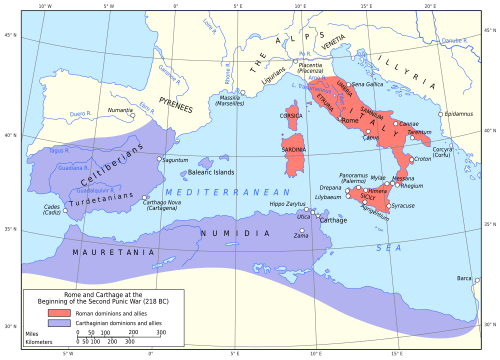


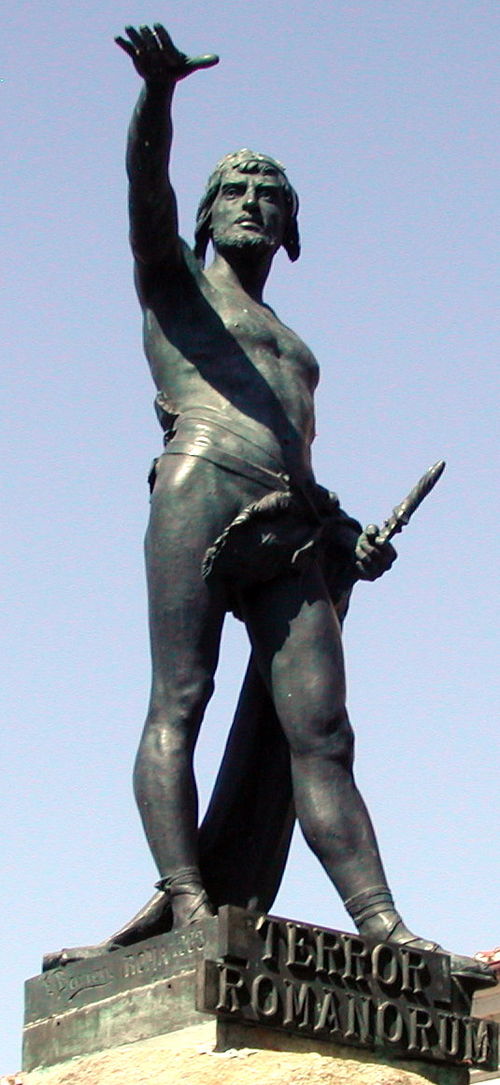


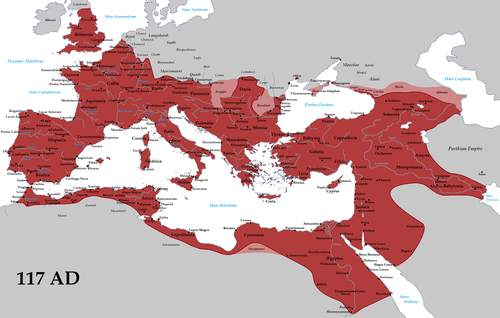


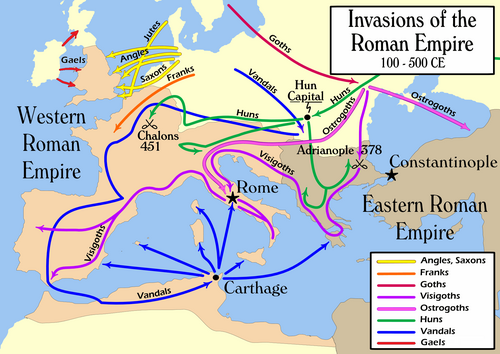


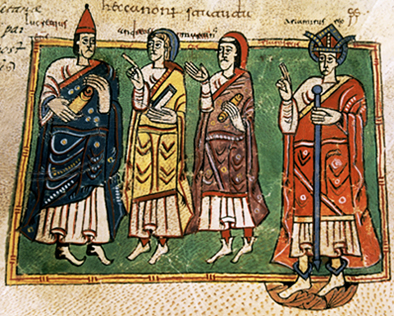


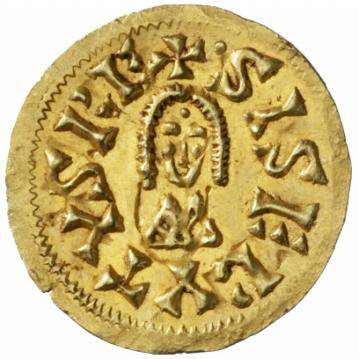


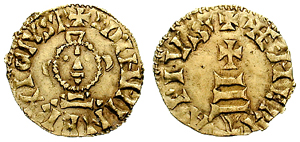

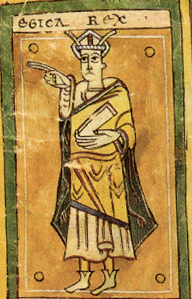

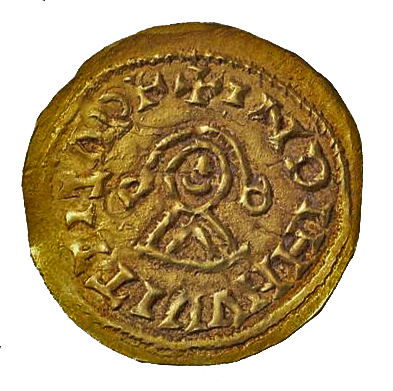


![“Berber flag”. Originally created by the Berber Academy (Agraw Imazighen) in the 70s, the flag was adopted in 1998 flag of the Berber people by the Amazigh World Congress (CMA, Agraw Amadlan Amazigh). The “ⵣ” symbol is a Tifinagh letter called "yaz" and pronounced [z].](https://upload.wikimedia.org/wikipedia/commons/thumb/e/ec/Berber_flag.svg/500px-Berber_flag.svg.png)


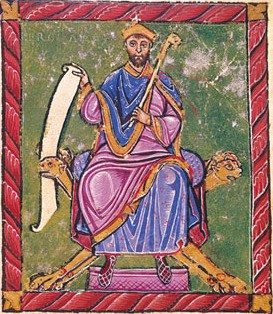


![Map the Fatimid Empire (chronological)Map drawn acc. to: Euratlas' map of the Fatimid Empire c.1000 [1] Qantara-Med's map of the Mediterranean c.1000 [2] Territories in green represent Hammadid and Zirid realms, resp. indep. in 1018 and 1048 Ian Mladjov's map of the Eastern Mediterranean in 1096 [3] Qantara-Med's map of the Mediterranean c.1100 [4]](https://upload.wikimedia.org/wikipedia/commons/thumb/b/bc/Fatimid_Caliphate.PNG/500px-Fatimid_Caliphate.PNG)


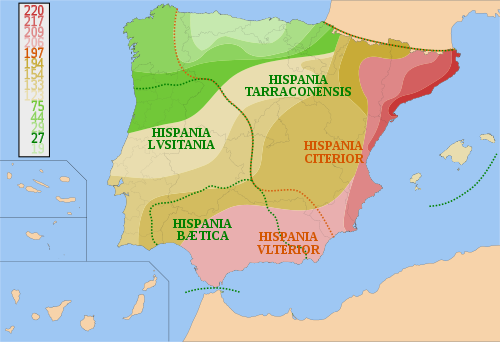


![O palácio foi ideia de um nobre local que morreu pouco depois do início da construção em meados dos anos de 1840. Outra personalidade local, José Francisco da Silva, adquiriu o palácio e completou-o em 1909. Foi feito visconde de Estói graças ao dinheiro e esforços que despendeu na sua construção. O trabalho foi dirigido pelo arquitecto Domingos da Silva Meira, cujo interesse pela escultura é evidente. O interior do palácio, em pastel e estuque, está a ser restaurado e irá ser uma pousada. O palácio tem também uns jardins com laranjeiras e palmeiras, que condizem com o seu alegre estilo rococó. O terraço inferior exibe um pavilhão e azulejos azuis e brancos, a Casa da Cascata, no interior da qual se encontra uma cópia das Três Graças, de Canova. O terraço superior , o Patamar da Casa do Presépio, tem um grande pavilhão com vitrais, fontes decoradas com ninfas e nichos em azulejos. O palácio foi classificado como Imóvel de Interesse Público em 1977. Em 2006 as «Preguiças», duas esculturas femininas de tamanho real, importadas de Itália, de incalculável valor, com 200 quilos cada uma, foram furtadas do palácio algarvio. As esculturas eram o «ex-libris» dos jardins do paço. O Palácio de Estói foi totalmente remodelado pelo Arq. Gonçalo Byrne e passou a ser uma das "Pousadas de Charme" do Algarve. Faz parte das Pousadas de Portugal. Entretanto estão a construir réplicas das duas estátuas "desaparecidas". <a href="http://pt.wikipedia.org/wiki/Pal%c3%a1cio_de_Est%c3%b3i" rel="nofollow">pt.wikipedia.org/wiki/Pal%C3%A1cio_de_Est%C3%B3i</a> <a href="http://loc.alize.us/#/flickr:8291585643" rel="nofollow">See where this picture was taken.</a> <a href="https://www.flickr.com/groups/geotagging/discuss/72157594165549916/">[?]</a>](https://upload.wikimedia.org/wikipedia/commons/thumb/6/6e/Pal%C3%A1cio_de_Est%C3%B3i_-_Portugal_%288291585643%29_%28cropped%29.jpg/500px-Pal%C3%A1cio_de_Est%C3%B3i_-_Portugal_%288291585643%29_%28cropped%29.jpg)
