Encyclopedia/3. History, Societies & Civilizations/09. Modern Nations/05. Europe • Curated by Admin Timeline.sg
History of France, sourced from Wikipedia's "Timeline of French history".
Chronological Storyline (250 Milestones)
418 CE
Gallia Aquitania
Honorius]] gave land in Gallia Aquitania to his Visigoth federates in which to settle, forming the nucleus of the future Visigothic Kingdom under king Wallia and then his son and heir Theodoric I.</span> Source — Wikipedia, "Timeline of French history" (<span lang="fr" dir="ltr">5th century</span>):
Locator map of the Aquitania province in the Roman Empire (125). Extracted from File:Roman Empire 125 political map.svg By Milenioscuro - Own work, CC BY-SA 4.0, https://commons.wikimedia.org/w/index.php?curid=45059699
426 CE
Clodio
<span lang="fr" dir="ltr">Clodio, the earliest recorded king lord of the Salian Franks, began his reign.</span> Source — Wikipedia, "Timeline of French history" (<span lang="fr" dir="ltr">5th century</span>):
448 CE
Clodio
<span lang="fr" dir="ltr">Clodio died. He was succeeded by Merovech.</span> Source — Wikipedia, "Timeline of French history" (<span lang="fr" dir="ltr">5th century</span>):
Auteur Dassier, Jean (1676-1763 ; médailleur) Titre : Médaille Publication [Paris], [ca 1720] Description : bronze ; 31 mm ; 15,37 g Licence GPL et fr:GFDL Notes Acq. 95-0632 Cote : BNF Richelieu Monnaies, médailles etantiques exemplaire unique L'ensemble est conservé dans deux boîtes cylindriques en buis. Tranche cannelée. Identifiant 07700003 Détail du contenu : No d'image 1 Titre Mérovée roy de France Notes 1720 Sujet(s) Mérovée (vers 448-vers 457 ; roi des Francs) Modifié par Rinaldum 11 jan 2004 à 21:30 (CET) Image trouvé sur le site fr:Gallica de la BNF By Bibliothèque nationale de France - https://gallica.bnf.fr, Public domain, https://commons.wikimedia.org/w/index.php?curid=16238352
451 CE
Visigoths
Romans]], Visigoths under Theodoric I and their allies (including the Franks) definitively stop further Hunnic invasion in Gaul. Theodoric I died during the battle, he was succeeded by his son Thorismund who also had a decisive role during the battle.</span> Source — Wikipedia, "Timeline of French history" (<span lang="fr" dir="ltr">5th century</span>):
Walters 54.421 and 54.422 are a pair of superb eagle-shaped fibulae found at Tierra de Barros (Badajoz, southwest Spain) made of sheet gold over bronze inlaid with garnets, amythysts, and colored glass. Pendants once dangled from the loops at the bottom. The eagle, a popular symbol during the Migration period adopted from Roman imperial insignia, was favored by the Goths. Similar eagle-shaped fibulae have been excavated from Visigothic graves in Spain and Ostrogothic graves in northern Italy, but this pair is one of the finest. These fibulae would have been worn at the same time to fasten a cloak at either shoulder. By Anonymous (Visigothic)Unknown author - Walters Art Museum: Home page Info about artwork, Public domain, https://commons.wikimedia.org/w/index.php?curid=18802623
453 CE
Thorismund
<span lang="fr" dir="ltr">Thorismund was murdered by his younger brother Theodoric II who succeeded him in the throne of the Visigothic Kingdom.</span> Source — Wikipedia, "Timeline of French history" (<span lang="fr" dir="ltr">5th century</span>):
Visigoths, Spain. Leovigild (?). AD 568-586. AV Tremissis (1.23 g, 6h). Toledo(?) mint. Struck circa AD 573-578. Obv.: CVRRIO + OIRRVC (retrograde), diademed and draped bust right; cross with crescents at corners on drapery. Tomasini, Group C3, 590; cf. Miles, Visigoths Type H, 8; cf. Chaves 79-81; MEC 1, 207 var. (obv. legend). EF, toned By You may select the license of your choice. - http://www.cngcoins.com/Coin.aspx?CoinID=86004, CC BY-SA 3.0, https://commons.wikimedia.org/w/index.php?curid=32869144
457 CE
Merovech
<span lang="fr" dir="ltr">Merovech died. His son Childeric I succeeded him as king.</span> Source — Wikipedia, "Timeline of French history" (<span lang="fr" dir="ltr">5th century</span>):
Auteur Dassier, Jean (1676-1763 ; médailleur) Titre : Médaille Publication [Paris], [ca 1720] Description : bronze ; 31 mm ; 15,37 g Licence GPL et fr:GFDL Notes Acq. 95-0632 Cote : BNF Richelieu Monnaies, médailles etantiques exemplaire unique L'ensemble est conservé dans deux boîtes cylindriques en buis. Tranche cannelée. Identifiant 07700003 Détail du contenu : No d'image 1 Titre Mérovée roy de France Notes 1720 Sujet(s) Mérovée (vers 448-vers 457 ; roi des Francs) Modifié par Rinaldum 11 jan 2004 à 21:30 (CET) Image trouvé sur le site fr:Gallica de la BNF By Bibliothèque nationale de France - https://gallica.bnf.fr, Public domain, https://commons.wikimedia.org/w/index.php?curid=16238352
462 CE
Septimania
<span lang="fr" dir="ltr">Roman territory of Septimania was ceded to the Visigothic Kingdom.</span> Source — Wikipedia, "Timeline of French history" (<span lang="fr" dir="ltr">5th century</span>):
Septimania3 By File:537Septimania3.JPG: The original uploader was Polylerus at English Wikipedia. / *derivative work Niczar - File:537Septimania3.JPG, Public domain, https://commons.wikimedia.org/w/index.php?curid=7976138
463 CE
Gothic war against Aegidius
<span lang="fr" dir="ltr">Gothic war against Aegidius: Aegidius and Childeric I defeated the invading Visigoths in Orléans.</span> Source — Wikipedia, "Timeline of French history" (<span lang="fr" dir="ltr">5th century</span>):
Low resolution map in plate caree projection with modern coastline of the Roman provinces Aquitania Prima (Aquitania I), Aquitania Secunda (Aquitania II), Aquitania Tre (Aquitania III) and Narbonensis Prima (Narbonensis I) around 400 AD. By user:Cplakidas - Excerpt from Map of the Roman Empire, CC0, https://commons.wikimedia.org/w/index.php?curid=144431063
464 CE
Aegidius
<span lang="fr" dir="ltr">Aegidius died. His son Syagrius succeeded him as magister militum of the Domain of Soissons.</span> Source — Wikipedia, "Timeline of French history" (<span lang="fr" dir="ltr">5th century</span>):
Author: Daniel Adams (me) I created this myself and release it to the public domain. By PocklingtonDan at English Wikipedia - Transferred from en.wikipedia to Commons by Alagos using CommonsHelper., Public domain, https://commons.wikimedia.org/w/index.php?curid=13319759
466 CE
Theodoric II
<span lang="fr" dir="ltr">Theodoric II was murdered and succeeded by his younger brother Euric as king of the Visigoths, declaring total independence from Roman influence and extending during his reign the Visigothic kingdom to most of the Iberian Peninsula.</span> Source — Wikipedia, "Timeline of French history" (<span lang="fr" dir="ltr">5th century</span>):
Retrato imaginario de Eurico (440–484), rey de los Visigodos e hijo del rey Teodorico I y hermano de Teodorico II, a quien sucedió en el trono después de asesinarlo. By Manuel Rodríguez de Guzmán - https://content2.museodelprado.es/imagenes/Documentos/imgsem/ef/ef08/ef08c7af-a2bf-49ae-ace8-19954eb824a8/188c0fc1-614a-4469-b6b1-4d7f6cd620a3.jpg, Public domain, https://commons.wikimedia.org/w/index.php?curid=48074113
469 CE
Euric
Revolt of Euric]]: Euric takes possession of parts of Spain and conquers the south of Gaul.</span> Source — Wikipedia, "Timeline of French history" (<span lang="fr" dir="ltr">5th century</span>):
Retrato imaginario de Eurico (440–484), rey de los Visigodos e hijo del rey Teodorico I y hermano de Teodorico II, a quien sucedió en el trono después de asesinarlo. By Manuel Rodríguez de Guzmán - https://content2.museodelprado.es/imagenes/Documentos/imgsem/ef/ef08/ef08c7af-a2bf-49ae-ace8-19954eb824a8/188c0fc1-614a-4469-b6b1-4d7f6cd620a3.jpg, Public domain, https://commons.wikimedia.org/w/index.php?curid=48074113
481 CE
Childeric I
<span lang="fr" dir="ltr">Childeric I died. His son Clovis I succeeded him.</span> Source — Wikipedia, "Timeline of French history" (<span lang="fr" dir="ltr">5th century</span>):
Ring with image of Childeric. Copy : the original was stolen in 1831. By Unknown author - Gallica, Public domain, https://commons.wikimedia.org/w/index.php?curid=1756524
485 CE
Euric
<span lang="fr" dir="ltr">Euric died and was succeeded by his son Alaric II as king of the Visigoths.</span> Source — Wikipedia, "Timeline of French history" (<span lang="fr" dir="ltr">5th century</span>):
Retrato imaginario de Eurico (440–484), rey de los Visigodos e hijo del rey Teodorico I y hermano de Teodorico II, a quien sucedió en el trono después de asesinarlo. By Manuel Rodríguez de Guzmán - https://content2.museodelprado.es/imagenes/Documentos/imgsem/ef/ef08/ef08c7af-a2bf-49ae-ace8-19954eb824a8/188c0fc1-614a-4469-b6b1-4d7f6cd620a3.jpg, Public domain, https://commons.wikimedia.org/w/index.php?curid=48074113
486 CE
Franks
Battle of Soissons]]: A Frankish army under Clovis I defeated Syagrius and conquered the Domain of Soissons. Syagrius sought refuge in Alaric II's kingdom, but was later handed back to Clovis and beheaded.</span> Source — Wikipedia, "Timeline of French history" (<span lang="fr" dir="ltr">5th century</span>):
Roads and Towns in Germania Inferior By Hans Erren - eigen werk (own work), Modified from Germanie-inferieure.jpg by Moutschen based on a map from the DVD: Free Software Foundation Europe, Free Layers (licensed under GFDL)., CC BY-SA 3.0, https://commons.wikimedia.org/w/index.php?curid=7802075
507 CE
Franco-Gothic War
Franco-Gothic War (507–511): Clovis defeated a Visigoth army under Alaric II in the Battle of Vouillé, and conquered Gallia Aquitania, thus forming the basis of modern-day France. Source — Wikipedia, "Timeline of French history" (6th century):
Campaign map of the Second Franco-Visigothic War. By Go-Chlodio - Own work, CC BY-SA 4.0, https://commons.wikimedia.org/w/index.php?curid=75205514
Nov 27, 511 CE
Clovis I
Clovis died. His kingdom was divided among his four sons; the territory with its seat at Paris went to Childebert I, the kingdom of Soissons went to Chlothar I, the kingdom of Orléans went to Chlodomer, and the kingdom of Rheims (Austrasia) went to Theuderic I. Source — Wikipedia, "Timeline of French history" (6th century):
Ivory binding plate, Reims, last quarter of the 9th century. The baptism of Clovis by Remi of Reims with the miracle of the Holy Bulb, Picardy Museum in Amiens By Pethrus (talk) - File:Saint Remigius binding Medieval Picardie Museum.jpg, Public domain, https://commons.wikimedia.org/w/index.php?curid=49664545
Jun 25, 524 CE
Battle of Vézeronce
Battle of Vézeronce: The united armies of Clovis' sons inflicted a serious defeat on the Burgundian king Godomar. Chlodomer, the king of Orléans, was killed in battle. Source — Wikipedia, "Timeline of French history" (6th century):
Battle of Vézeronce By Unknown authorUnknown author - Grandes Chroniques de France (Bibliothèque Sainte-Geneviève, Ms. 783 f. 013) - https://portail.biblissima.fr/fr/ark:/43093/ifdatac41b9d7fd47ae848e1b0ab6bc10ff49472092fd2, Public domain, https://commons.wikimedia.org/w/index.php?curid=147607227
534 CE
Theuderic I
Theuderic I died, his son Theudebert I succeeded him as king of Austrasia. Source — Wikipedia, "Timeline of French history" (6th century):
Monnaie de bronze de Thierry Ier (511-534). BNF, monnaies, médailles et antiques. Avers : Coix au-dessus d'un globe. Revers : Monogramme de Thierry. By Unknown author - http://images.bnf.fr/jsp/index.jsp?destination=afficherListeCliches.jsp&origine=rechercherListeCliches.jsp&contexte=resultatRechercheAvancee, Public domain, https://commons.wikimedia.org/w/index.php?curid=11844018
547 CE
Theudebert I
Theudebert I died, his son Theudebald succeeded him as king of Austrasia. Source — Wikipedia, "Timeline of French history" (6th century):
Theodebert I. von Reims *um 496 †um 548, König von Austrasien, Sohn des Theoderich I. von Reims. Er wurde zum Zweck der Erbverbrüderung von seinem Onkel Childebert I. adoptiert. Sein Waffenrock trägt das den Grafen von Rothenburg o.d.T. zugeschriebene Wappenbild. Sein Sohn Sigibertus floh zu seinen Verwandten den Herzögen Gothfrid und Genebald in Ost-Franken, nachdem dessen Brüder Gunthramus und Lotharius von Brunihilda in Metz erschlagen wurden. By Verfasser: Terzio, Francesco / Oselli, Gaspare - Titel: Theodobertus I., Rex Austrasia Verfasser: Terzio, Francesco Beteiligte Person(en): Oselli, Gaspare Erschienen Oeniponti : [s.n.], 1569 Umfang 1 Bildliche Darstellung : Kupferstich, 34 x 44 cm Quelle der Aufnahme In Terzio, Francesco : Austriacae Gentis imaginum Schlagwörter Merowinger <Dynastie : 400-751> Online-Ausgabe Düsseldorf : Universitäts- und Landesbibliothek, 2012 URN urn:nbn:de:hbz:061:1-106423, CC0, https://commons.wikimedia.org/w/index.php?curid=141426796
555 CE
Theudebald
Theudebald died, his realm passed to his great-uncle Chlothar I. Source — Wikipedia, "Timeline of French history" (6th century):
Expansion of the Merowingian Frankish Empire from Cloivs accesion to power (481) to the death of Theudebald (555), including probably tributary areas Sources: Eugen Ewig: Die Merowinger und das Frankenreich. Kohlhammer Verlag, Fünfte aktualisierte Auflage 2006. Matthias Springer: Die Sachsen. Kohlhammer, Stuttgart 2004, ISBN 3-17-016588-7. Dieter Geuenich: Geschichte der Alemannen. 2., überarbeitete Auflage, Kohlhammer, Stuttgart 2005, ISBN 978-3-17-018227-1. By Altaileopard - Own work - Base map derived from File:Europe relief laea location map.jpg by Alexrk2, CC BY-SA 3.0, https://commons.wikimedia.org/w/index.php?curid=22910368
Dec 13, 558 CE
Childebert I
Childebert I died. His brother Chlothar I inherited his territory, thus becoming sole King of the Franks and reuniting Clovis' kingdom. Source — Wikipedia, "Timeline of French history" (6th century):
Tiers de sou d'or de Childebert Ier. Bibliothèque nationale. By Tiers_de_sou_d'or_de_Childebert_Ier.jpg: Unknown authorUnknown author derivative work: M0tty (talk) - Tiers_de_sou_d'or_de_Childebert_Ier.jpg, Public domain, https://commons.wikimedia.org/w/index.php?curid=11520983
Nov 29, 561 CE
Chlothar I
Chlothar I died. The kingdom was divided among his four sons; Paris went to Charibert I, Burgundy to Guntram, Austrasia to Sigebert I, Soissons to Chilperic I. Source — Wikipedia, "Timeline of French history" (6th century):
Chlothar I By Unknown author, Public domain, https://commons.wikimedia.org/w/index.php?curid=11835844
Nov 1, 567 CE
Charibert I
Charibert I, king of Paris, died. With no heir, his realm was partitioned among his brothers. Source — Wikipedia, "Timeline of French history" (6th century):
Charibert I By Unknown author, CC BY-SA 3.0, https://commons.wikimedia.org/w/index.php?curid=507038
575 CE
Sigebert I
Sigebert I of Austrasia died, his son, Childebert II, inherited his kingdom. Source — Wikipedia, "Timeline of French history" (6th century):
Sigebert I. By Lavisse, Ernest, 1842-1922 - Histoire de France depuis les origines jusqu'à la révolution, Public domain, https://commons.wikimedia.org/w/index.php?curid=11132455
Sep 1, 584 CE
Chilperic I
Chilperic I of Soissons (Neustria) was assassinated. His infant son Chlothar II became king and his wife Fredegund became regent. Source — Wikipedia, "Timeline of French history" (6th century):
Auteur Dassier, Jean (1676-1763 ; médailleur) Titre Médaille Publication [Paris], [ca 1720] Description : bronze ; 31 mm ; 15,48 g Licence GPL et fr:GFDL Notes Acq. 95-0638 Cote : BNF Richelieu Monnaies, médailles etantiques exemplaire unique L'ensemble est conservé dans deux boîtes cylindriques en buis. Tranche cannelée Identifiant 07700009 Détail du contenu : No d'image 1 Titre Chilpéric roy de France Notes 1720 Sujet(s) Chilpéric (539-584 ; roi de Soissons :Ier:+01+ Buste du roi à gauche ceint d'une couronne. Modifié par Rinaldum 11 jan 2004 à 21:27 (CET) Image trouvé sur le site fr:Gallica de la BNF 11 janvier 2004 à 20:23 Rinaldum 286x326 (26222 octets) (Chilpéric roy de France.) By User Rinaldum on fr.wikipedia - Originally from fr.wikipedia; description page is (was) here, CC BY-SA 3.0, https://commons.wikimedia.org/w/index.php?curid=749209
Oct 17, 589 CE
Charibert II
Charibert II, Franco-Lombard-Byzantine war over the Po Valley. The war was stopped by breaching dam in Cucca, transferred to the Lombards by the Byzantine emperor Maurice, which caused a severe flood, that blocked the franks' army advance into Italy. Source — Wikipedia, "Timeline of French history" (6th century):
Caribert_II_Tremissis_Banassac_629_632 By PHGCOM - Own work by uploader, photographed at Cabinet des Médailles, CC BY-SA 3.0, https://commons.wikimedia.org/w/index.php?curid=5737475
Jan 28, 592 CE
Guntram
Guntram of Burgundy died, his realm was passed on to Childebert II who was his adoptive son. Source — Wikipedia, "Timeline of French history" (6th century):
Tiers de sou de Gontran frappé à Chalon-sur-Saône (561-592). BNF, monnaies, médailles et antiques. Avers : Buste diadémé, drapé et cuirassé à droite. Revers : Victoire debout de face tenant une croix courte et une couronne. By Atelier de Chalon-sur-Saône - http://images.bnf.fr/jsp/index.jsp?destination=afficherListeCliches.jsp&origine=rechercherListeCliches.jsp&contexte=resultatRechercheSimple, Public domain, https://commons.wikimedia.org/w/index.php?curid=11763855
595 CE
Childebert II
Childebert II died, his kingdom was divided between his two sons. The kingdom of Austrasia went to Theudebert II, the kingdom of Burgundy to Theuderic II. Source — Wikipedia, "Timeline of French history" (6th century):
Tiers de sou de Childebert II. BNF, monnaies, médailles et antiques. Avers : Buste diadémé à droite, une croix sur la poitrine. Revers : Victoire debout de face, tenant une croix et une couronne. By Tiers_de_sou_de_Childebert_II.jpg: Inconnu derivative work: Leovilok (talk) - Tiers_de_sou_de_Childebert_II.jpg, Public domain, https://commons.wikimedia.org/w/index.php?curid=12034399
612 CE
Theudebert II
Theudebert II, the king of Austrasia, was assassinated. His realm went to his brother Theuderic II, king of Burgundy. Source — Wikipedia, "Timeline of French history" (7th century):
Tiers de sou de Théodebert II frappé à Clermont (595-612). BNF, monnaies, médailles et antiques. Avers : Buste drapé et diadémé à droite. Revers : A R dans le champ. By Tiers_de_sou_de_Théodebert_II_frappé_à_Clermont.jpeg: Atelier de Clermont-Ferrand derivative work: Leovilok (talk) - Tiers_de_sou_de_Théodebert_II_frappé_à_Clermont.jpeg, Public domain, https://commons.wikimedia.org/w/index.php?curid=12034492
613 CE
Sigebert II
Theuderic II died. His bastard son Sigebert II briefly inherited his kingdom. Source — Wikipedia, "Timeline of French history" (7th century):
Sou d'or de Sigebert II frappé à Marseille (639-650). BNF, monnaies, médailles et antiques. Avers : Buste diadémé à droite. Revers : Croix sur un degré posé sur un globe, accostée de M-A et X-X. By Sou_d'or_de_Sigebert_II_frappé_à_Marseille.jpeg: Inconnu derivative work: Leovilok (talk) - Sou_d'or_de_Sigebert_II_frappé_à_Marseille.jpeg, Public domain, https://commons.wikimedia.org/w/index.php?curid=12034294
623 CE
Chlothar II
Chlothar II gave Austrasia its independence under the kingship of his son, Dagobert I. Source — Wikipedia, "Timeline of French history" (7th century):
Clothar or Chlothar II (r. 613–628) By PHGCOM - Own work by uploader, photographed at the British Museum, Public domain, https://commons.wikimedia.org/w/index.php?curid=5969234
629 CE
Chlothar II
Chlothar II died. Under an agreement forged after his death, Dagobert I succeeded him as king of Neustria but ceded what would become Aquitaine to his brother, Charibert II. Source — Wikipedia, "Timeline of French history" (7th century):
Clothar or Chlothar II (r. 613–628) By PHGCOM - Own work by uploader, photographed at the British Museum, Public domain, https://commons.wikimedia.org/w/index.php?curid=5969234
Apr 8, 632 CE
Charibert II
Charibert II died, possibly in an assassination ordered by his brother Dagobert I. His infant son Chilperic succeeded him as king of Aquitaine. Source — Wikipedia, "Timeline of French history" (7th century):
Caribert_II_Tremissis_Banassac_629_632 By PHGCOM - Own work by uploader, photographed at Cabinet des Médailles, CC BY-SA 3.0, https://commons.wikimedia.org/w/index.php?curid=5737475
Jan 19, 639 CE
Dagobert I
Dagobert I died. Austrasia went to his son Sigebert III, and the Kingdom of Neustria and Burgundy to Clovis II. Both of these new kings are considered early rois fainéants. Source — Wikipedia, "Timeline of French history" (7th century):
Trémissis by Dagobert I. BNF, onnaies, medals and antiques. Obverse: Diadem bust on the left. Reverse: Cross accosted by the letters C and A, in a mermaid. By Unknown author - http://images.bnf.fr/jsp/index.jsp?destination=afficherListeCliches.jsp&origine=rechercherListeCliches.jsp&contexte=resultatRechercheSimple, Public domain, https://commons.wikimedia.org/w/index.php?curid=11742614
655 CE
Clovis II
Clovis II died. He was succeeded by his son Chlothar III (roi fainéant). Source — Wikipedia, "Timeline of French history" (7th century):
Tiers de sou de Paris aux noms de Clovis II et saint Eloi. BNF, monnaies, médailles et antiques. Avers : Buste drapé et diadémé à droite. Revers : Croix latine ancrée, accostée de EL ICI. By Atelier de Paris - http://images.bnf.fr/jsp/index.jsp?destination=afficherListeCliches.jsp&origine=rechercherListeCliches.jsp&contexte=resultatRechercheAvancee, Public domain, https://commons.wikimedia.org/w/index.php?curid=11853935
Feb 1, 656 CE
Sigebert III
Sigebert III died. He was succeeded by Childebert the Adopted. Source — Wikipedia, "Timeline of French history" (7th century):
Signet ring of King Sigebert III. By Unknown author - Cropped version of File:Cluny_-_Mero_-_Bague_de_Sigebert_III_-_Trève_-_Or_639-656.jpg., CC-BY-SA-4.0, https://en.wikipedia.org/w/index.php?curid=53700358
661 CE
Childebert the Adopted
Childebert the Adopted died. Chlothar III annexed his kingdom, and became sole king of the Franks. Source — Wikipedia, "Timeline of French history" (7th century):
Tremissis de 7 siliques émis par Childebert l'Adopté (656-662). Avers : MAS /ILI/A buste diadémé et drapé à droite. Revers : (CHIL)DEBERTVS RX croix latine pattée, au pied potencé, accostée des lettres M et A, posée sur un globe entre deux séries de points : quatre d’un côté pour X et deux de l’autre, (résidu des chiffres de valeur). By Unknown author - http://ogn-numismatique.com/article.asp?langue=fr&article=3869, Public domain, https://commons.wikimedia.org/w/index.php?curid=11696573
673 CE
Childeric II
Childeric II annexed Theuderic III's kingdom, and became sole king of the Franks. Source — Wikipedia, "Timeline of French history" (7th century):
Solidus en or pâle de 20 siliques émis par Childéric II (662-675). Avers : CHILDE…CVS REX grand buste diadémé et drapé à droite. Revers : (MA)SILIE CIVIT[ATI] croix au pied potencé, accostée des lettres M et A, posée sur un globe, entre deux séries de points : quatre d’un côté pour X et deux de l’autre, (résidu des chiffres de valeur). Ce monnayage est presque en argent, c’est le tout dernier solidus marseillais. On considère que c’est à partir de 675 que l’or disparaît en Gaule. A Marseille, la disparition de l’or n’est pas aussi précise que dans le royaume Franc. On peut encore attribuer des tremisses à Clovis III (675-676) et à Dagobert II (676-679). By Unknown author - http://ogn-numismatique.com/article.asp?langue=fr&article=3870, Public domain, https://commons.wikimedia.org/w/index.php?curid=11696667
675 CE
Childeric II
Childeric II died. Theuderic III inherited Neustria, Clovis III (roi fainéant) inherited Austrasia. Source — Wikipedia, "Timeline of French history" (7th century):
Solidus en or pâle de 20 siliques émis par Childéric II (662-675). Avers : CHILDE…CVS REX grand buste diadémé et drapé à droite. Revers : (MA)SILIE CIVIT[ATI] croix au pied potencé, accostée des lettres M et A, posée sur un globe, entre deux séries de points : quatre d’un côté pour X et deux de l’autre, (résidu des chiffres de valeur). Ce monnayage est presque en argent, c’est le tout dernier solidus marseillais. On considère que c’est à partir de 675 que l’or disparaît en Gaule. A Marseille, la disparition de l’or n’est pas aussi précise que dans le royaume Franc. On peut encore attribuer des tremisses à Clovis III (675-676) et à Dagobert II (676-679). By Unknown author - http://ogn-numismatique.com/article.asp?langue=fr&article=3870, Public domain, https://commons.wikimedia.org/w/index.php?curid=11696667
676 CE
Clovis III
Clovis III died. Theuderic III inherited his kingdom, becoming sole king of the Franks. Source — Wikipedia, "Timeline of French history" (7th century):
Clovis III By Unknown author, PD-US, https://en.wikipedia.org/w/index.php?curid=60380166
691 CE
Theuderic III
Theuderic III died. He was succeeded by his son Clovis IV (roi fainéant). Source — Wikipedia, "Timeline of French history" (7th century):
This image has been extracted from another file By https://commons.m.wikimedia.org/wiki/User:Giogo - Wikimedia commons, CC BY 3.0, https://commons.wikimedia.org/w/index.php?curid=174139533
695 CE
Clovis IV
Clovis IV died. He was succeeded by his brother Childebert III. Source — Wikipedia, "Timeline of French history" (7th century):
Jugement par lequel le roi Clovis III remet un orphelin nommé Ingramnus en possession de la terre de Baddanecurt(e) en Beauvaisis dont s'était emparé un certain Amalbercthus. Valenciennes By Unknown author - This file was provided to Wikimedia Commons by the Archives Nationales as part of a cooperation project with Wikimédia France., Public domain, https://commons.wikimedia.org/w/index.php?curid=40310856
Apr 23, 711 CE
Childebert III
Childebert died. He was succeeded by his son Dagobert III. Source — Wikipedia, "Timeline of French history" (8th century):
Childebert_III_694_711 By PHGCOM - Own work by uploader, photographed at British Museum., Public domain, https://commons.wikimedia.org/w/index.php?curid=5969187
715 CE
Dagobert III
Dagobert died. He was succeeded by Chilperic II, the youngest son of Childeric II. Source — Wikipedia, "Timeline of French history" (8th century):
Portrait du Roi de france fr:Dagobert III By The original uploader was Rinaldum at French Wikipedia. - Transferred from fr.wikipedia to Commons., CC BY-SA 3.0, https://commons.wikimedia.org/w/index.php?curid=3683543
Feb 13, 721 CE
Chilperic II
Chilperic died. He was succeeded by Theuderic IV, Dagobert III's son. Source — Wikipedia, "Timeline of French history" (8th century):
Chilperic II By Unknown author, PD, https://en.wikipedia.org/w/index.php?curid=76175724
Oct 10, 732 CE
Battle of Tours
Battle of Tours: Frankish and Burgundian soldiers under the Mayor of the Palace Charles Martel inflicted a significant defeat on the invading armies of the Umayyad Caliphate. Source — Wikipedia, "Timeline of French history" (8th century):
Charles Martel in the Battle of Tours By Charles de Steuben - Unknown source, Public domain, https://commons.wikimedia.org/w/index.php?curid=363367
737 CE
Theuderic IV
Theuderic died. Charles Martel was prevented succession. Source — Wikipedia, "Timeline of French history" (8th century):
Charles Martel divides the realm between Pepin and Carloman. Miniature (illuminated manuscript) from Grandes Chroniques de France. Bibliothèque Nationale, Ms. fr. 2615, fol. 72. By Unknown author - This file comes from Gallica Digital Library and is available under the digital ID btv1b55013869k/f149, Public domain, https://commons.wikimedia.org/w/index.php?curid=8999821
Oct 22, 741 CE
Charles Martel
Charles Martel died and his realm was divided between his two sons, Pepin the Short and Carloman, acting as Mayors of the Palace. Source — Wikipedia, "Timeline of French history" (8th century):
Charles Martel divides the realm between Pepin and Carloman. Miniature (illuminated manuscript) from Grandes Chroniques de France. Bibliothèque Nationale, Ms. fr. 2615, fol. 72. By Unknown author - This file comes from Gallica Digital Library and is available under the digital ID btv1b55013869k/f149, Public domain, https://commons.wikimedia.org/w/index.php?curid=8999821
743 CE
Childeric III
Childeric III was finally proclaimed king of the Franks thanks to Pepin the Short's influence, after the throne was vacant for 7 years. Source — Wikipedia, "Timeline of French history" (8th century):
Childeric III By Didier Descouens - Own work, CC BY-SA 4.0, https://commons.wikimedia.org/w/index.php?curid=81225631
Aug 15, 747 CE
Carloman, Mayor of the Palace
Carloman renounced his position as Mayor of the Palace and withdrew to monastic life, his realm was given to his brother, Pepin the Short. Source — Wikipedia, "Timeline of French history" (8th century):
Charles Martel divides the realm between Pepin and Carloman. Miniature (illuminated manuscript) from Grandes Chroniques de France. Bibliothèque Nationale, Ms. fr. 2615, fol. 72. By Unknown author - This file comes from Gallica Digital Library and is available under the digital ID btv1b55013869k/f149, Public domain, https://commons.wikimedia.org/w/index.php?curid=8999821
751 CE
Childeric III
Childeric III was dethroned as the last king of the Merovingian dynasty, Pepin the Short was later crowned king of the Franks, thus starting the rule of the Carolingian dynasty. Source — Wikipedia, "Timeline of French history" (8th century):
Childeric III By Didier Descouens - Own work, CC BY-SA 4.0, https://commons.wikimedia.org/w/index.php?curid=81225631
Sep 24, 768 CE
Pepin the Short
Pepin the Short died. Source — Wikipedia, "Timeline of French history" (8th century):
Pepin the Short, miniature, Imperial Chronicle (Anonymi chronica imperatorum), Corpus Christi College MS 373, fol. 14 References: Binski P., Panayotova S.: The Cambridge Illuminations, No. 107 By from the Middle Ages, unknown - Corpus Christi College, MS 373, Public domain, https://commons.wikimedia.org/w/index.php?curid=10940438
Dec 4, 771 CE
Carloman I
Carloman I died, Charlemagne annexed his kingdom. Source — Wikipedia, "Timeline of French history" (8th century):
Nom de l'atelier/ville : Angers Métal : argent Diamètre : 18mm Axe des coins : 9h. Poids : 1,22g. Degré de rareté : R3 Titulature avers : CARO. Description avers : sous un trait. Traduction avers : (Carloman). Description revers : Monogramme ANDE accosté à gauche d’une croix, à droite d’un groupe de douze points formant un demi-cercle. Traduction revers : (Angers). By cgb.fr - http://vso.numishop.eu/fiche-v42_0001-vso_mo-1-CARLOMAN_Ier_Denier_n_d_.html, CC BY-SA 3.0, https://commons.wikimedia.org/w/index.php?curid=23315494
774 CE
king of the Lombards
Following successful conquests, Charlemagne became king of the Lombards. Source — Wikipedia, "Timeline of French history" (8th century):
795 CE
Spanish March
The Spanish March was created by Charlemagne as a buffer zone between the Frankish kingdom and Al-Andalus. Source — Wikipedia, "Timeline of French history" (8th century):
Marca hispánica 814 By Europe 814.svg: Hel-hama (talk · contribs) derivative work: Janitoalevic (talk) - Own work, CC BY 4.0, https://commons.wikimedia.org/w/index.php?curid=163827994
Dec 25, 800 CE
Charlemagne
Charlemagne is crowned Imperator Augustus by Pope Leo III. Source — Wikipedia, "Timeline of French history" (9th century):
Appartient à l’ensemble documentaire : MonnFrCar By Charlemagne. Autorité émettrice de monnaie indéterminé. Atelier monétaire. Émetteur - Bibliothèque nationale de France, Public domain, https://commons.wikimedia.org/w/index.php?curid=136608827
811 CE
treaty of Heiligen
The treaty of Heiligen is signed between Charlemagne and the Danish king establishing the boundary between Denmark and the Frankish Empire. Source — Wikipedia, "Timeline of French history" (9th century):
Smaller section depicting the Danish king Hemming from "Veræ effigies regum omnium qvi a primo Dan usqe Christianum IV modo regnantem imperii Danici gloria eminuerunt" published in 1670 by Erico Olai Tormio. Hemming Danish king between 810 and 812. In 811 he concluded the first documented peace and border agreement with the Frankish emperor Charlemagne. By Erico Olai Tormio (publisher) - From a 17th century 'poster' with pictures of all Danish monarchs since mythological times, Public domain, https://commons.wikimedia.org/w/index.php?curid=86058765
812 CE
Al-Hakam I
Frankish conquests in Spain were recognized by Emir Al-Hakam I. Source — Wikipedia, "Timeline of French history" (9th century):
Dírham de Al-Hàkam I, en plata. Encunyada l'any 190 de l'Hègira. By Numismática Pliego, CC BY-SA 3.0, https://commons.wikimedia.org/w/index.php?curid=30864465
Jan 28, 814 CE
Charlemagne
Charlemagne dies and his only legitimate son, Louis the Pious, inherits the Empire. Source — Wikipedia, "Timeline of French history" (9th century):
Appartient à l’ensemble documentaire : MonnFrCar By Charlemagne. Autorité émettrice de monnaie indéterminé. Atelier monétaire. Émetteur - Bibliothèque nationale de France, Public domain, https://commons.wikimedia.org/w/index.php?curid=136608827
Jun 20, 840 CE
Frankish Empire
Louis the Pious dies, the Frankish Empire is claimed by his eldest son Lothair I, over his two brothers, Louis the German and Charles the Bald. Source — Wikipedia, "Timeline of French history" (9th century):
A map of the Carolingian Empire (a.k.a. Francia, the Frankish Empire) within Europe circa 814 CE. By Blank map of Europe.svg: maix¿? derivative work: Alphathon - This file was derived from: Blank map of Europe.svg: Data sources: Main data: http://www.lib.utexas.edu/maps/historical/shepherd/byzantine_empires_814.jpg (A lower quality version is available on commons: Europe around 800.gif) Bulgarian Empire: Territorial expansion during the reign of Khan Krum (803-814).png, CC BY-SA 4.0, https://commons.wikimedia.org/w/index.php?curid=48980912
843 CE
Treaty of Verdun
Treaty of Verdun: An alliance between Louis the German and Charles the Bald, and their victories over Lothair I, compelled the elder brother to negotiate the division of the Frankish Empire. It was divided in three parts; West Francia for Charles the Bald, Middle Francia for Lothair I and East Francia for Louis the German, hence laying the foundations of modern France and Germany. Source — Wikipedia, "Timeline of French history" (9th century):
Louis the Pious (right) blessing the division of the Carolingian Empire in 843 into West Francia, Lotharingia, and East Francia; from the Chroniques des rois de France, fifteenth century By AnonymousUnknown author - https://www.nybooks.com/articles/2019/12/19/lotharingia-mess-tiny-principalities/, Public domain, https://commons.wikimedia.org/w/index.php?curid=99183843
Dec 29, 875 CE
Holy Roman Emperor
Charles the Bald is crowned Holy Roman Emperor by Pope John VIII. Source — Wikipedia, "Timeline of French history" (9th century):
Frederick III, Holy Roman Emperor, displaying the arms of Altösterreich ("Old Austria"): Azure/Sable, five eagles displayed or and the arms of Habsburg (modern) Gules, a fess argent ("Bindenschild"); originally the arms of the House of Babenburg (Duchies of Austria and Styria). Also Habsburg as inescutcheon on the Imperial Eagle (Reichsadler) By Unknown author, Public domain, https://commons.wikimedia.org/w/index.php?curid=4892107
Oct 8, 876 CE
Battle of Andernach
Battle of Andernach: After Louis the German's death, Charles the Bald is badly defeated at Andernach by Louis' successor, Carloman of Bavaria, in an attempt to conquer his late brother's kingdom. Source — Wikipedia, "Timeline of French history" (9th century):
Miniature of the battle of Andernach between Charles the Bald and Louis, his nephew. Image taken from f. 231v of Chroniques de France ou de St Denis. By Mahiet (or Master of the Vie de Saint Louis) and the Master of the Cambrai Missal - British Library Royal Collection, BL Royal 16 G VI, f. 231v : http://www.bl.uk/catalogues/illuminatedmanuscripts/ILLUMIN.ASP?Size=mid&IllID=44014, Public domain, https://commons.wikimedia.org/w/index.php?curid=69915743
Oct 6, 877 CE
Carloman of Bavaria
Fleeing Northern Italy from Carloman's army, Charles the Bald falls ill and dies. His son Louis the Stammerer (Louis II) succeeds him as King of West Francia. Source — Wikipedia, "Timeline of French history" (9th century):
Carloman of Bavaria. By Ekkehard von Aura - This file was derived from: Stammtafel der Karolinger.jpg:, Public domain, https://commons.wikimedia.org/w/index.php?curid=63914428
Apr 10, 879 CE
Louis the Stammerer
Louis the Stammerer dies of illness. His two sons Louis III and Carloman II succeed him as joint kings of West Francia. Source — Wikipedia, "Timeline of French history" (9th century):
Nom de l'atelier/ville : Visé Métal : argent Diamètre : 18mm Axe des coins : 1h. Poids : 0,96g. Degré de rareté : R3 Titulature avers : + HVDOVVICVS PEX, (légende commençant à 9 heures). Description avers : Monogramme carolin (KAROLVS). Traduction avers : (Louis, roi). Titulature revers : + H VICO VIOSATO. Description revers : Croix. Traduction revers : (Du vicus de Visé). By cgb.fr - http://vso.numishop.eu/fiche-v31_0908-vso_mo-1-LOUIS_II_DIT_LE_BEGUE_Denier_c_877_879.html, CC BY-SA 3.0, https://commons.wikimedia.org/w/index.php?curid=23399366
Mar 1, 880 CE
Amiens
Louis III and Carloman II sign a treaty in Amiens dividing the kingdom between each other. Louis III obtains Neustria, Carloman II receives Burgundy and Aquitaine. Source — Wikipedia, "Timeline of French history" (9th century):
Amiens (Somme - France), the Cathedral of Our Lady of Amiens seen from the Place du Don. By Jean-Pol GRANDMONT - Own work, CC BY-SA 3.0, https://commons.wikimedia.org/w/index.php?curid=20466772
Aug 5, 882 CE
Louis III of France
Louis III dies, Carloman II becomes sole king of West Francia. Source — Wikipedia, "Timeline of French history" (9th century):
Basilique de Saint-Denis @ Saint-Denis By Guilhem Vellut from Paris, France - Basilique de Saint-Denis @ Saint-Denis, CC BY 2.0, https://commons.wikimedia.org/w/index.php?curid=144851983
Dec 12, 884 CE
Carloman II
Carloman II dies, his cousin Charles the Fat (Louis the German's youngest son) already king of East Francia, succeeds in the rule of West Francia reviving until his death the entire Carolingian Empire. Source — Wikipedia, "Timeline of French history" (9th century):
Basilica_di_saint_Denis Carlomanno_II_di_Francia Paris By Sailko - Own work, CC BY 2.5, https://commons.wikimedia.org/w/index.php?curid=144860508
Jan 13, 888 CE
Charles the Fat
Charles the Fat dies, with no legitimate or recognized heir, the Empire falls apart never to be reunited again. Source — Wikipedia, "Timeline of French history" (9th century):
Sceau de Charles III le gros, IXème siècle. Bayerisches Nationalmuseum, Munich. By Unknown author - http://www.britannica.com/EBchecked/topic/106899/Charles-III, Public domain, https://commons.wikimedia.org/w/index.php?curid=9379920
Jan 1, 898 CE
Odo of France
Odo of France dies leaving no surviving heir. Charles the Simple, son of Louis the Stammerer, is declared king of West Francia, the Carolingian dynasty is thus again ruler of France. Source — Wikipedia, "Timeline of French history" (9th century):
Coronation of Odo of Paris, King of West Francia, from the 13th-century Grandes Chroniques de France (higher quality) By Makers of the 13th-century Grandes Chroniques de France - https://portail.biblissima.fr/ark:/43093/mdatab556ccf39ba42ab7f5eeb6bd7675f94551e16d7a, Public domain, https://commons.wikimedia.org/w/index.php?curid=166574629
911 CE
Charles the Simple
Charles signed the Treaty of Saint-Clair-sur-Epte with Rollo, the king of the Vikings, allowing their settlement in what would become the Duchy of Normandy. Source — Wikipedia, "Timeline of French history" (10th century):
Nom de l'atelier/ville : Bourges Métal : argent Diamètre : 20,5mm Axe des coins : 6h. Poids : 1,67g. Titulature avers : + CARLVS INP AVC. Description avers : Croix. Traduction avers : (Charles, empereur auguste). Titulature revers : + BITVRICES CIVIT, (légende commençant à 9 heures). Description revers : Monogramme carolin (KAROLVS). Traduction revers : (Cité de Bourges). By cgb.fr - http://vso.numishop.eu/fiche-v48_0012-vso_mo-1-CHARLES_III_LE_SIMPLE_Denier_n_d_.html, CC BY-SA 3.0, https://commons.wikimedia.org/w/index.php?curid=23400100
922 CE
Charles the Simple
Charles was overthrown by a noble revolt and replaced by Robert I, Odo's brother. Source — Wikipedia, "Timeline of French history" (10th century):
Nom de l'atelier/ville : Bourges Métal : argent Diamètre : 20,5mm Axe des coins : 6h. Poids : 1,67g. Titulature avers : + CARLVS INP AVC. Description avers : Croix. Traduction avers : (Charles, empereur auguste). Titulature revers : + BITVRICES CIVIT, (légende commençant à 9 heures). Description revers : Monogramme carolin (KAROLVS). Traduction revers : (Cité de Bourges). By cgb.fr - http://vso.numishop.eu/fiche-v48_0012-vso_mo-1-CHARLES_III_LE_SIMPLE_Denier_n_d_.html, CC BY-SA 3.0, https://commons.wikimedia.org/w/index.php?curid=23400100
Jun 15, 923 CE
Battle of Soissons
Battle of Soissons (923): Robert was killed. Charles was captured by Rudolph, the duke of Burgundy. Source — Wikipedia, "Timeline of French history" (10th century):
Charles III the Simple imprisoned (middle), and Raoul crowned (right). (British Library, Royal 16 G VI f. 248) By Chroniques de Saint-Denis - http://www.bl.uk/catalogues/illuminatedmanuscripts/ILLUMIN.ASP?Size=mid&IllID=44007, Public domain, https://commons.wikimedia.org/w/index.php?curid=14571281
Jan 15, 936 CE
Rudolph of France
Rudolph died. He was succeeded by Louis IV, a son of Charles the Simple. Source — Wikipedia, "Timeline of French history" (10th century):
King Rudolph of France By Grandes Chroniques de France - https://www.meisterdrucke.uk/similar/999122.html, CC0, https://commons.wikimedia.org/w/index.php?curid=162304838
Sep 10, 954 CE
Louis IV of France
Louis IV died. He was succeeded by his son Lothair. Source — Wikipedia, "Timeline of French history" (10th century):
Louis_IV_denier_Chinon_936_954. By PHGCOM - Own work by uploader, photographed by me at Cabinet des Médailles, Paris., CC BY-SA 3.0, https://commons.wikimedia.org/w/index.php?curid=5737494
Mar 1, 986 CE
Lothair of France
Lothair died. He was succeeded by his son Louis V. Source — Wikipedia, "Timeline of French history" (10th century):
tête du roi sculptée au XIIe siècle. By G.Garitan - Own work, CC BY-SA 4.0, https://commons.wikimedia.org/w/index.php?curid=65675453
May 21, 987 CE
Louis V of France
Louis V died. With no heir, Hugh Capet was chosen as his successor for his noble blood and military successes, thus ending the Carolingian dynasty's reign, and starting the Capetian dynasty. Source — Wikipedia, "Timeline of French history" (10th century):
Louis V of France in the Bibliotheque. By AnonymousUnknown author - https://mandragore.bnf.fr/mirador/ark:/12148/btv1b7910105r/f1, Public domain, https://commons.wikimedia.org/w/index.php?curid=136040900
Oct 24, 996 CE
Hugh Capet
Hugh Capet died. He was succeeded by his son Robert II. Source — Wikipedia, "Timeline of French history" (10th century):
Sceau d'Hugues Capet autrefois fixé sur un diplôme du roi en faveur de Saint-Philibert de Tournus, relevé par Jean Mabillon en 1681 et publié dans son œuvre, De re diplomatica. By LeThéodorus - Own work, CC BY-SA 3.0, https://commons.wikimedia.org/w/index.php?curid=142124063
1004 CE
Robert II of France
Robert annexed the Duchy of Burgundy. Source — Wikipedia, "Timeline of French history" (11th century):
Seal of Robert II. By Natalis de Wailly - Natalis de Wailly, Éléments de paléographie, tome 2, Paris, Imprimerie royale, 1838, planche B, voir en ligne., Public domain, https://commons.wikimedia.org/w/index.php?curid=61954434
Jul 6, 1016 CE
Battle of Pontlevoy
Battle of Pontlevoy Source — Wikipedia, "Timeline of French history" (11th century):
1022 CE
Orléans heresy
Orléans heresy Source — Wikipedia, "Timeline of French history" (11th century):
Orléans heresy in 1022 (É. Bayard) By Émile Bayard - Histoire de France populaire, depuis les temps les plus reculés jusqu'à nos jours. Tome 1. Henri Martin. Furne, Jouvet et Cie (Paris), 1867. Onlineː https://gallica.bnf.fr/ark:/12148/bpt6k9766156r/, Public domain, https://commons.wikimedia.org/w/index.php?curid=164412188
Jul 20, 1031 CE
Robert II of France
Robert died in a civil war against his sons. His second son, Henry I, succeeded him; his third, Robert I Capet, disputed the succession and led a new revolt. Source — Wikipedia, "Timeline of French history" (11th century):
Seal of Robert II. By Natalis de Wailly - Natalis de Wailly, Éléments de paléographie, tome 2, Paris, Imprimerie royale, 1838, planche B, voir en ligne., Public domain, https://commons.wikimedia.org/w/index.php?curid=61954434
1032 CE
Henry I of France
Henry purchased peace by reversing the annexation of the Duchy of Burgundy and giving it to his brother. Source — Wikipedia, "Timeline of French history" (11th century):
Seal of king Henry I. By Natalis de Wailly - Natalis de Wailly, Éléments de paléographie, tome 2, Paris, Imprimerie royale, 1838, planche B, voir en ligne., Public domain, https://commons.wikimedia.org/w/index.php?curid=61954879
1047 CE
Battle of Val-ès-Dunes
Battle of Val-ès-Dunes Source — Wikipedia, "Timeline of French history" (11th century):
Map of the battle of Val-ès-Dunes By Pethrus - Report of the battle in The history of the Norman conquest of England: its causes and its results, Edward A. Freeman, 1868. Volume 2, p. 252-262 Report of the battle inStatistique monumentale du Calvados, Arcisse de Caumont, 1850. Volume 2 p. 50 Other reports of the battle, CC BY-SA 3.0, https://commons.wikimedia.org/w/index.php?curid=9728104
1054 CE
Battle of Mortemer
Battle of Mortemer Source — Wikipedia, "Timeline of French history" (11th century):
Duke William the Bastard defeating the French, and Duke William sending a herald to Henry I of France. (British Library, Royal 16 G VI f. 266v) By Chroniques de Saint-Denis - http://www.bl.uk/catalogues/illuminatedmanuscripts/ILLUMIN.ASP?Size=mid&IllID=44046, Public domain, https://commons.wikimedia.org/w/index.php?curid=14571313
Aug 4, 1060 CE
Henry I of France
Henry died. The throne passed to his seven-year-old son, Philip I, with his wife Anne of Kiev acting as regent. Source — Wikipedia, "Timeline of French history" (11th century):
Seal of king Henry I. By Natalis de Wailly - Natalis de Wailly, Éléments de paléographie, tome 2, Paris, Imprimerie royale, 1838, planche B, voir en ligne., Public domain, https://commons.wikimedia.org/w/index.php?curid=61954879
1066 CE
Philip I of France
Philip entered his majority. Source — Wikipedia, "Timeline of French history" (11th century):
Seal of king Philip I. By Natalis de Wailly - Natalis de Wailly, Éléments de paléographie, tome 2, Paris, Imprimerie royale, 1838, planche B, voir en ligne., Public domain, https://commons.wikimedia.org/w/index.php?curid=61954806
Jul 29, 1108 CE
Philip I of France
Philip died. He was succeeded by his late son Louis VI, the Fat. Source — Wikipedia, "Timeline of French history" (12th century):
Seal of king Philip I. By Natalis de Wailly - Natalis de Wailly, Éléments de paléographie, tome 2, Paris, Imprimerie royale, 1838, planche B, voir en ligne., Public domain, https://commons.wikimedia.org/w/index.php?curid=61954806
Oct 25, 1131 CE
Louis VI of France
Louis' son, the future Louis VII, the Young, was crowned the junior king and heir to the throne. Source — Wikipedia, "Timeline of French history" (12th century):
Seal of Louis VI of France. By Natalis de Wailly (1805-1886) - Natalis de Wailly, Éléments de paléographie, tome 2, Paris, Imprimerie royale, 1838, planche C, voir en ligne., Public domain, https://commons.wikimedia.org/w/index.php?curid=11199673
Jul 22, 1137 CE
Louis VII of France
Louis VII became duke of Aquitaine by a political marriage to the duchess Eleanor. Source — Wikipedia, "Timeline of French history" (12th century):
Seal of Louis VII of France. By Natalis de Wailly (1805-1886) - Natalis de Wailly, Éléments de paléographie, tome 2, Paris, Imprimerie royale, 1838, planche C, voir en ligne., Public domain, https://commons.wikimedia.org/w/index.php?curid=11199688
Mar 21, 1152 CE
Louis VII of France
The marriage of Louis VII and Eleanor was annulled. Source — Wikipedia, "Timeline of French history" (12th century):
Seal of Louis VII of France. By Natalis de Wailly (1805-1886) - Natalis de Wailly, Éléments de paléographie, tome 2, Paris, Imprimerie royale, 1838, planche C, voir en ligne., Public domain, https://commons.wikimedia.org/w/index.php?curid=11199688
Sep 18, 1180 CE
Louis VII of France
Louis VII died. He was succeeded by his son Philip II. Source — Wikipedia, "Timeline of French history" (12th century):
Seal of Louis VII of France. By Natalis de Wailly (1805-1886) - Natalis de Wailly, Éléments de paléographie, tome 2, Paris, Imprimerie royale, 1838, planche C, voir en ligne., Public domain, https://commons.wikimedia.org/w/index.php?curid=11199688
Jul 27, 1214 CE
Battle of Bouvines
Battle of Bouvines: The French army defeated a combined English–Flemish force, enabling the kingdom to consolidate its control over Anjou, Brittany, Maine, Normandy and the Touraine. Source — Wikipedia, "Timeline of French history" (13th century):
Bataille_de_Bouvines_gagnee_par_Philippe_Auguste By Horace Vernet - Own work by uploader, photographed at Versailles http://forum.artinvestment.ru/blog.php?b=273473&langid=5, Public domain, https://commons.wikimedia.org/w/index.php?curid=6801381
Jul 14, 1223 CE
Philip II of France
Philip II died. He was succeeded by his son Louis VIII, the Lion. Source — Wikipedia, "Timeline of French history" (13th century):
Philip II of France By Unknown author - This file was provided to Wikimedia Commons by the Archives Nationales as part of a cooperation project with Wikimédia France., Public domain, https://commons.wikimedia.org/w/index.php?curid=28427529
Nov 8, 1226 CE
Louis VIII of France
Louis died. He was succeeded by his son Louis IX. Source — Wikipedia, "Timeline of French history" (13th century):
Seal of Louis VII of France. By Natalis de Wailly - Natalis de Wailly, Éléments de paléographie, tome 2, Paris, Imprimerie royale, 1838, planche D, voir en ligne., Public domain, https://commons.wikimedia.org/w/index.php?curid=11199769
Jun 1, 1241 CE
Louis IX of France
Louis IX announced that the County of Poitiers would go to his brother Alphonse – offending Isabella of Angoulême, whose son would have inherited the territory had the English won the Battle of Bouvines. Source — Wikipedia, "Timeline of French history" (13th century):
Saint Louis By AnonymousUnknown author - http://www.themorgan.org/collections/collections.asp?id=81, Public domain, https://commons.wikimedia.org/w/index.php?curid=125035610
May 20, 1242 CE
Saintonge War
Saintonge War: Henry III of England arrived with an army in support of Isabella's claim to Poitiers. Source — Wikipedia, "Timeline of French history" (13th century):
Saintonge War By Eugène Delacroix - [1], Public domain, https://commons.wikimedia.org/w/index.php?curid=5209190
Aug 25, 1270 CE
Louis IX of France
Louis IX died. He was succeeded by his son Philip III. Source — Wikipedia, "Timeline of French history" (13th century):
Saint Louis By AnonymousUnknown author - http://www.themorgan.org/collections/collections.asp?id=81, Public domain, https://commons.wikimedia.org/w/index.php?curid=125035610
Oct 5, 1285 CE
Philip III of France
Philip III died. He was succeeded by his son Philip IV. Source — Wikipedia, "Timeline of French history" (13th century):
Philip III of France By AnonymousUnknown author - Grandes Chroniques de France . Bibliothèque Sainte-Geneviève,Ms. 782, CC BY-SA 3.0, https://commons.wikimedia.org/w/index.php?curid=5695260
1297 CE
Louis IX of France
Louis IX was canonized by Pope Boniface VIII, and was from then on better known as Saint Louis. He is the only French monarch to be declared a saint. Source — Wikipedia, "Timeline of French history" (13th century):
Saint Louis By AnonymousUnknown author - http://www.themorgan.org/collections/collections.asp?id=81, Public domain, https://commons.wikimedia.org/w/index.php?curid=125035610
May 18, 1302 CE
Bruges Matins
Bruges Matins: The exiled citizens of Bruges, in Flanders, returned to their hometown and killed every Frenchman. Source — Wikipedia, "Timeline of French history" (14th century):
Brugse Metten By Unknown sculptor, Chest of Courtrai - http://www.liebaart.org/figuren/oxtafer1.jpg, Public domain, https://commons.wikimedia.org/w/index.php?curid=2110496
Nov 29, 1314 CE
Philip IV of France
Philip IV died. He was succeeded by his eldest son Louis X, the Headstrong. Source — Wikipedia, "Timeline of French history" (14th century):
Миниатюра "Филипп IV с семьёй". Raymond de Béziers, ca. 1313, Paris, Bibliothèque nationale de France, MS lat. 8504 By Unknown author - Philippe IV le Bel et sa famille. De gauche à droite, les enfants de Philippe IV, le prince Charles, futur Charles IV, le prince Philippe, futur Philippe V, la fille du roi Isabelle (reine d'Angleterre par son mariage avec Édouard II). Au centre, le roi Philippe IV le Bel assis sur le trône. Puis à droite, le fils ainé du roi, Louis (futur Louis X le Hutin) alors roi de Navarre (dot de sa mère) et le frère du roi Charles de Valois père du futur roi Philippe VI. Bibliothèque nationale de France, département des manuscrits, Latin 8504., Public domain, https://commons.wikimedia.org/w/index.php?curid=110822836
Jun 5, 1316 CE
Louis X of France
Louis X died, possibly of poisoning. His wife was pregnant with their first child; his brother Philip V was appointed regent. Source — Wikipedia, "Timeline of French history" (14th century):
Miniature depiction of Louis X from the Life of Saint Louis, c. 1330–1340 By AnonymousUnknown author - Vie de saint Louis, BNF Gallica, Public domain, https://commons.wikimedia.org/w/index.php?curid=52508965
Jan 3, 1322 CE
Philip V of France
Philip V died. With no heir, his younger brother Charles IV succeeded him. Source — Wikipedia, "Timeline of French history" (14th century):
Coronation of Philip V of France. (Bibliothèque nationale de France) By Grandes Chroniques de France - This file comes from Gallica Digital Library and is available under the digital ID btv1b84472995/f688, Public domain, https://commons.wikimedia.org/w/index.php?curid=125035760
Feb 1, 1328 CE
Charles IV of France
Charles IV died. He was succeeded by his cousin Philip VI. Source — Wikipedia, "Timeline of French history" (14th century):
Karel IV. Francouzský By Jean de Liège - Acoma. Vlastní dílo (own work), CC BY 3.0, https://commons.wikimedia.org/w/index.php?curid=6412212
Aug 22, 1350 CE
Philip VI of France
Philip VI died. He was succeeded by his son John II. Source — Wikipedia, "Timeline of French history" (14th century):
Philippe VI de Valois, détail de la miniature Le procès de Robert d'Artois (vers 1336), Bibliothèque nationale de France, manuscrit Français 18437, folio 2 [1]. By Unknown author - Jean-Marie Perouse de Montclos : Paris - Kunstmetropole und Kulturstadt, Ullmann/Tandem 2008., Public domain, https://commons.wikimedia.org/w/index.php?curid=1598995
Sep 19, 1356 CE
Battle of Poitiers
Battle of Poitiers a major battle of the Hundred Years' War between England and France. Source — Wikipedia, "Timeline of French history" (14th century):
Battle of Poitiers By Eugène Delacroix - Encyclopaedia Britannica, Public domain, https://commons.wikimedia.org/w/index.php?curid=24913842
1357 CE
French States-General
The States-General passed Étienne Marcel's Great Ordinance in an attempt to impose limits on the monarchy, in particular in fiscal and monetary matters. Source — Wikipedia, "Timeline of French history" (14th century):
The opening of the Estates General May 5, 1789 in the Salle des Menus Plaisirs in Versailles. By Isidore-Stanislaus Helman (1743-1806) and Charles Monnet (1732-1808) - Bibliothèque nationale de France, Public domain, https://commons.wikimedia.org/w/index.php?curid=4731449
Apr 8, 1364 CE
John II of France
John II died. He was succeeded by his son Charles V. Source — Wikipedia, "Timeline of French history" (14th century):
John II of France By anonymous - photo Shonagon 2024-12-13, Public domain, https://commons.wikimedia.org/w/index.php?curid=157451921
Sep 16, 1380 CE
Charles V of France
Charles V died. He was succeeded by his son Charles VI. Source — Wikipedia, "Timeline of French history" (14th century):
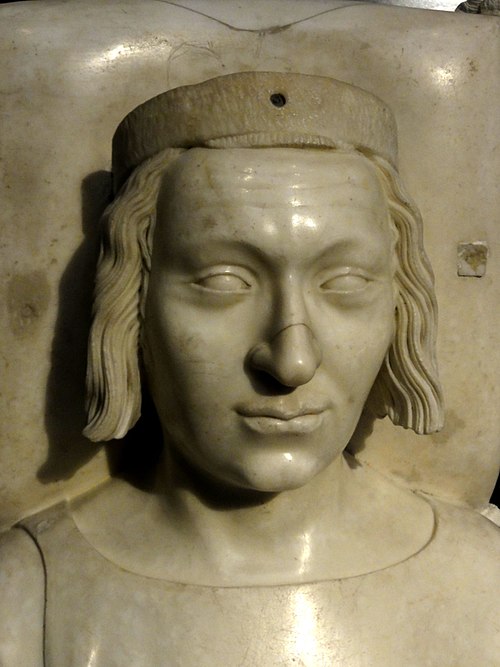
Recumbent of Charles V (1364) carved by André Beauneveu at his request when he was 27 years old. By P.poschadel - Own work, CC BY-SA 3.0, https://commons.wikimedia.org/w/index.php?curid=28323446
1412 CE
Birth of Jeanne d'Arc (The Maid
Birth of Jeanne d'Arc (The Maid of Orleans) Source — Wikipedia, "Timeline of French history" (15th century):
Aug 13, 1415 CE
Hundred Years' War
Hundred Years' War (1415–1429): An English army under King Henry V landed in the north of France. Source — Wikipedia, "Timeline of French history" (15th century):
Siege of Orléans in 1428 (Vigiles de Charles VII, 15th century). By AnonymousUnknown author - This file comes from Gallica Digital Library and is available under the digital ID btv1b105380390/f117, Public domain, https://commons.wikimedia.org/w/index.php?curid=1070913
Oct 25, 1415 CE
Battle of Agincourt
Battle of Agincourt: A major loss to the French in the Hundred Years' War (1415–1429) Source — Wikipedia, "Timeline of French history" (15th century):
Battle of Agincourt (1415) By Unknown author - Antoine Leduc, Sylvie Leluc et Olivier Renaudeau (dir.), D'Azincourt à Marignan. Chevaliers et bombardes, 1415-1515, Paris, Gallimard / Musée de l'armée, 2015, p. 18-19, ISBN 978-2-07-014949-0, Public domain, https://commons.wikimedia.org/w/index.php?curid=10026708
May 30, 1418 CE
John the Fearless
The army of John the Fearless, duke of Burgundy, captured Paris. The dauphin, the future Charles VII, fled. Source — Wikipedia, "Timeline of French history" (15th century):
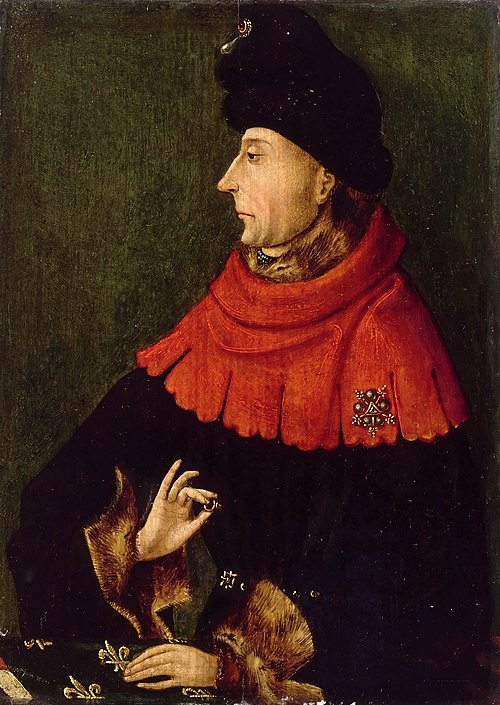
John the Fearless By anonymous / After Jean Malouel / School of Jan van Eyck - Bridgeman Art Library: Object 204998, Public domain, https://commons.wikimedia.org/w/index.php?curid=9085831
Sep 20, 1419 CE
John the Fearless
John the Fearless was assassinated by companions of the dauphin. He was succeeded by his son Philip the Good, who would ally himself with the English against the French crown. Source — Wikipedia, "Timeline of French history" (15th century):
John the Fearless By anonymous / After Jean Malouel / School of Jan van Eyck - Bridgeman Art Library: Object 204998, Public domain, https://commons.wikimedia.org/w/index.php?curid=9085831
May 21, 1420 CE
Burgundian
The Burgundians compelled Charles VI to sign the Treaty of Troyes, under which the throne was to pass to Henry V. Source — Wikipedia, "Timeline of French history" (15th century):
Burgundian By anonymous / After Jean Malouel / School of Jan van Eyck - Bridgeman Art Library: Object 204998, Public domain, https://commons.wikimedia.org/w/index.php?curid=9085831
Aug 31, 1422 CE
Henry V of England
Henry V died. He was succeeded as King of England by his infant son Henry VI. Source — Wikipedia, "Timeline of French history" (15th century):
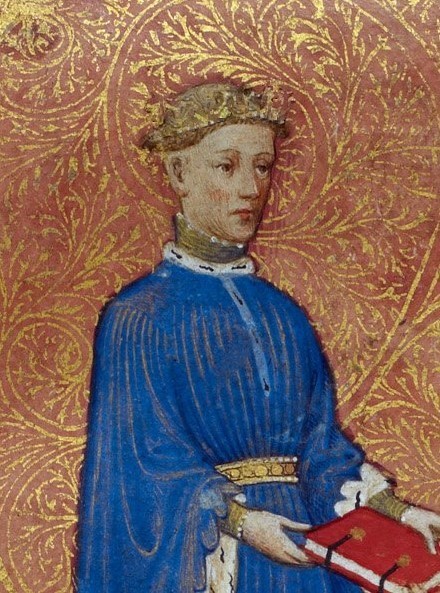
Detail of a miniature of Henry V of England. By Unknown author - File:Henry,_Prince_of_Wales,_presenting_this_book_to_John_Mowbray._Thomas_Hoccleve,_Regement_of_Princes,_London,_c._1411-1413,_Arundel_38,_f._37detail.jpg, Public domain, https://commons.wikimedia.org/w/index.php?curid=107486905
Jul 7, 1438 CE
Pragmatic Sanction of Bourges
Charles VII issues the Pragmatic Sanction of Bourges, requiring Church councils to be held every 10 years, and confirming the right of the Gallican Church to appoint ecclesiastical officials. Source — Wikipedia, "Timeline of French history" (15th century):
Karel VII By Demay, Germain, 1819-1886; Vaivre, Jean Bernard de - Le Costume au Moyen âge d'après les sceaux - 1880, Public domain, https://commons.wikimedia.org/w/index.php?curid=66749329
Jul 17, 1453 CE
Battle of Castillon
Battle of Castillon: In what is considered the last battle of the Hundred Years' War, the French inflict a decisive victory on the English army, eventually gaining back all English-held territories of France. Source — Wikipedia, "Timeline of French history" (15th century):
La mort de Talbot à la bataille de Castillon, le 17 juillet 1453. Enluminure du manuscrit de Martial d'Auvergne, Les Vigiles de Charles VII, vers 1484, BnF, Manuscrit Français 5054, enluminure du folio 229 verso (détail). By Unknown author - This file comes from Gallica Digital Library and is available under the digital ID btv1b105380390/f466, Public domain, https://commons.wikimedia.org/w/index.php?curid=61978675
Jul 22, 1461 CE
Charles VII of France
Charles VII died. He was succeeded by his son Louis XI. Source — Wikipedia, "Timeline of French history" (15th century):
Charles VII of France By Unknown author - Swedish Wikipedia, uploaded there by user Lamré on 2005-01-25, 04:39, Public domain, https://commons.wikimedia.org/w/index.php?curid=594388
Aug 30, 1483 CE
Louis XI
Louis XI died. He was succeeded by his son Charles VIII. Source — Wikipedia, "Timeline of French history" (15th century):
Louis XI By Jacob de Litemont - https://www.weissgallery.com/artworks/categories/10/9377-attributed-to-jacob-de-litemont-d.-1475-louis-xi-king-of-france-1423-1483-circa-1469/, Public domain, https://commons.wikimedia.org/w/index.php?curid=89957023
1494 CE
Italian War of 1494–98
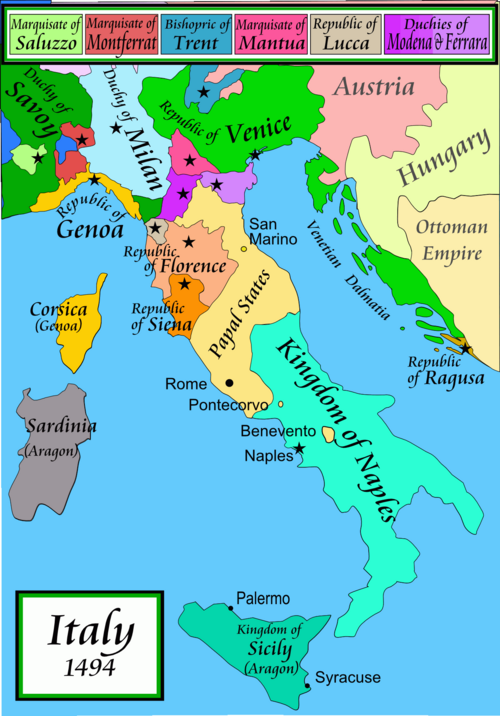
Charles VIII begins the first of the Italian Wars by invading Italy, but is eventually repulsed by the League of Venice. Source — Wikipedia, "Timeline of French history" (15th century):
Italian War of 1494–98 By Unknown author, CC BY-SA 3.0, https://commons.wikimedia.org/w/index.php?curid=1545060
Apr 7, 1498 CE
Charles VIII of France
Charles VIII died. With no heir, he was succeeded by his father's second cousin, the Duke of Orléans, Louis XII. Source — Wikipedia, "Timeline of French history" (15th century):
Portrait of King Charles VIII of France (1470–1498), wearing the Collar of the Order of Saint Michael By anonymous / After Jean Perréal - [2], Public domain, https://commons.wikimedia.org/w/index.php?curid=155992852
1499 CE
Italian War of 1499–1504
Louis XII begins the Italian War of 1499–1504 in order to press his claims to the Duchy of Milan and the Kingdom of Naples. Source — Wikipedia, "Timeline of French history" (15th century):
Dec 10, 1508 CE
War of the League of Cambrai
War of the League of Cambrai: Representatives of the Papacy, France, and the Holy Roman Empire and Ferdinand I of Spain established the League of Cambrai, whose purpose was to defeat Venice and partition its territory. Source — Wikipedia, "Timeline of French history" (16th century):
May 18, 1514 CE
Claude of France
Claude, the duchess of Brittany, was married to Francis of Angoulême, the heir to the French throne. Source — Wikipedia, "Timeline of French history" (16th century):
Satellite view of Britanny by the NASA in 2002 By Credit: Jacques Descloitres, MODIS Rapid Response Team, NASA/GSFC - Cropped from https://visibleearth.nasa.gov/images/59502/phytoplankton-bloom-off-brittany-france/59503l, Public domain, https://commons.wikimedia.org/w/index.php?curid=86953090
Jan 1, 1515 CE
Louis XII
Louis XII died. Francis of Angoulême succeeded him as Francis I. Source — Wikipedia, "Timeline of French history" (16th century):
Jul 20, 1524 CE
Claude of France
Claude died. Her eldest son Francis, Dauphin of France, became Duke of Brittany. Source — Wikipedia, "Timeline of French history" (16th century):
Satellite view of Britanny by the NASA in 2002 By Credit: Jacques Descloitres, MODIS Rapid Response Team, NASA/GSFC - Cropped from https://visibleearth.nasa.gov/images/59502/phytoplankton-bloom-off-brittany-france/59503l, Public domain, https://commons.wikimedia.org/w/index.php?curid=86953090
Feb 24, 1525 CE
Battle of Pavia
Battle of Pavia. Francis is defeated by Imperial forces under Charles V and captured. Source — Wikipedia, "Timeline of French history" (16th century):
1532 CE
Francis I of France
Francis I issued an edict incorporating Brittany into the kingdom of France. Source — Wikipedia, "Timeline of French history" (16th century):
Satellite view of Britanny by the NASA in 2002 By Credit: Jacques Descloitres, MODIS Rapid Response Team, NASA/GSFC - Cropped from https://visibleearth.nasa.gov/images/59502/phytoplankton-bloom-off-brittany-france/59503l, Public domain, https://commons.wikimedia.org/w/index.php?curid=86953090
Mar 31, 1547 CE
Francis I of France
Francis I died. He was succeeded by his son Henry II. Source — Wikipedia, "Timeline of French history" (16th century):
Apr 3, 1559 CE
Peace of Cateau-Cambrésis
Henry II ends the Italian Wars by signing the Peace of Cateau-Cambrésis and renouncing all his Italian claims. Source — Wikipedia, "Timeline of French history" (16th century):
Dec 5, 1560 CE
Francis II of France
Francis II died. With no heir, he was succeeded by his brother Charles IX. Source — Wikipedia, "Timeline of French history" (16th century):
Mar 1, 1562 CE
Massacre of Vassy
Massacre of Vassy begins the French Wars of Religion. Source — Wikipedia, "Timeline of French history" (16th century):
Aug 23, 1572 CE
St. Bartholomew's Day massacre
St. Bartholomew's Day massacre of French Protestants. Source — Wikipedia, "Timeline of French history" (16th century):
May 30, 1574 CE
Charles IX of France
Charles IX died. With no heir, he was succeeded by his brother Henry III. Source — Wikipedia, "Timeline of French history" (16th century):
Aug 2, 1589 CE
Henry III of France
Henry III died with no heir, thus ending the reign of the Valois branch of the Capetian dynasty. He was succeeded by Henry IV, the first monarch of the House of Bourbon. Source — Wikipedia, "Timeline of French history" (16th century):
Apr 13, 1598 CE
Henry IV of France
Henry IV issued the Edict of Nantes to end the French civil war of religion. Source — Wikipedia, "Timeline of French history" (16th century):
May 14, 1610 CE
Henry IV of France
King Henry IV died, by assassination Francois Ravaillac. He was succeeded by his eldest son Louis XIII, with de' Medici ruling as regent. Source — Wikipedia, "Timeline of French history" (17th century):
1617 CE
Louis XIII
Sixteen-year-old Louis exiled his mother and took control of the government. Source — Wikipedia, "Timeline of French history" (17th century):
Aug 1, 1624 CE
Louis XIII
Louis took Cardinal Richelieu as his chief minister. Source — Wikipedia, "Timeline of French history" (17th century):
May 14, 1643 CE
Louis XIII
Louis died. His five-year-old son Louis XIV succeeded him. Cardinal Mazarin became regent. Source — Wikipedia, "Timeline of French history" (17th century):
Aug 1, 1648 CE
Fronde
Fronde: Cardinal Mazarin ordered the arrest of the leaders of the parlement of Paris, which provoked widespread rioting. Source — Wikipedia, "Timeline of French history" (17th century):
La Tour Eiffel vue de la Tour Saint-Jacques, Paris. By Yann Caradec from Paris, France - La Tour Eiffel vue de la Tour Saint-Jacques, CC BY-SA 2.0, https://commons.wikimedia.org/w/index.php?curid=34933538
Nov 1, 1659 CE
Franco-Spanish War
Franco-Spanish War: Victorious France signs the Treaty of the Pyrenees with Spain and annexes northern Catalonia and French Flanders. The war confirms France as the dominant continental power and Bourbon strength over the Habsburgs. Source — Wikipedia, "Timeline of French history" (17th century):
May 2, 1668 CE
Treaty of Aix-la-Chapelle
Treaty of Aix-la-Chapelle: end of the War of Devolution. France obtains Lille and other territories of Flanders from Spain. Source — Wikipedia, "Timeline of French history" (17th century):
1678 CE
Treaties of Nijmegen
Treaties of Nijmegen: A series of treaties ending the Franco-Dutch War. France obtains the Franche-Comté and some cities in Flanders and Hainaut (from Spain). Source — Wikipedia, "Timeline of French history" (17th century):
Aug 15, 1684 CE
Truce of Ratisbon
Truce of Ratisbon: End of the War of the Reunions. France obtains further territories in the north-west from Spain. Source — Wikipedia, "Timeline of French history" (17th century):
Sep 20, 1697 CE
Treaty of Ryswick
Treaty of Ryswick: End of the Nine Years' War between France and the Grand Alliance. Territorial changes were made in Europe and the colonial empires of the countries involved. Source — Wikipedia, "Timeline of French history" (17th century):
Jul 9, 1701 CE
Battle of Carpi
Battle of Carpi: In what was the first battle of the War of the Spanish Succession, Austrian invaders encountered the French army at Carpi, and defeated them. Source — Wikipedia, "Timeline of French history" (18th century):
Mar 7, 1713 CE
Treaty of Rastatt
War of the Spanish Succession: The Treaty of Rastatt ended hostilities between France and Austria. Source — Wikipedia, "Timeline of French history" (18th century):
Apr 11, 1713 CE
War of the Spanish Succession
War of the Spanish Succession: France and England signed the Treaty of Utrecht, under which Philip V of Spain renounced for himself and his descendants any right to the French throne. Similarly, possible heirs to the French crown renounced all rights to the rulership of Spain. Source — Wikipedia, "Timeline of French history" (18th century):
Flag of England. Saint George's cross (a red cross on a white background), used as the Flag of England, the Italian city of Genoa and various other places. By Original: traditional Vector: Nicholas Shanks - Own work, Public domain, https://commons.wikimedia.org/w/index.php?curid=389789
Sep 1, 1715 CE
Louis XIV
Louis XIV died of gangrene. His five-year-old great-grandson Louis XV succeeded him, with Louis XIV's nephew Philippe II, Duke of Orléans, acting as regent. Source — Wikipedia, "Timeline of French history" (18th century):
Feb 17, 1720 CE
Treaty of The Hague
Treaty of The Hague: France and its allies signed a treaty with Spain, thus ending the War of the Quadruple Alliance. Source — Wikipedia, "Timeline of French history" (18th century):
Feb 15, 1723 CE
Louis XV
Louis XV became the new King of France. Source — Wikipedia, "Timeline of French history" (18th century):
Nov 18, 1738 CE
Treaty of Vienna
Treaty of Vienna: The signing of the treaty ended the War of the Polish Succession. France gained the Duchy of Lorraine and Bar. Source — Wikipedia, "Timeline of French history" (18th century):
Oct 5, 1744 CE
Louis XV
Louis XV visits Strasbourg. It is the first time since 1681 that a monarch goes to Alsace. Sumptuous festivals are organized throughout the city, the wine flows in the fountains of the squares, fireworks are fired, and a huge screen 12 meters high and 30 wide is set up in front of the Rohan Palace to partially hide the little-appreciated Gothic houses. This visit will leave the city ecstatic and indebted for many years. Source — Wikipedia, "Timeline of French history" (18th century):
Feb 23, 1745 CE
Louis, Dauphin of France
The Dauphin Louis of France marries Infanta Maria Teresa Rafaela of Spain at the Chapel of Versailles. Source — Wikipedia, "Timeline of French history" (18th century):
Aug 5, 1746 CE
Christophe de Beaumont
Christophe de Beaumont becomes Archbishop of Paris at the age of forty-three. Source — Wikipedia, "Timeline of French history" (18th century):
Oct 18, 1748 CE
Treaty of Aix-la-Chapelle
Treaty of Aix-la-Chapelle: The signing of the treaty, dictated by France and Britain, ended the War of the Austrian Succession. The French population was dissatisfied with the terms, considering the French conquests during the war. Source — Wikipedia, "Timeline of French history" (18th century):
Feb 10, 1763 CE
Seven Years' War
Seven Years' War: France and some allied and enemy nations sign the Treaty of Paris ending the Seven Years' War, resulting in a major blow on French colonial possessions. Source — Wikipedia, "Timeline of French history" (18th century):
May 15, 1768 CE
Treaty of Versailles
Treaty of Versailles: In order to pay its debts and being no longer able to suppress struggle for independence, the Republic of Genoa ceded Corsica to France. Corsica remained French ever since. Source — Wikipedia, "Timeline of French history" (18th century):
May 16, 1770 CE
Louis XVI
The Dauphin Louis Auguste of France marries Archduchess Maria Antonia of Austria at the Chapel of Versailles. Source — Wikipedia, "Timeline of French history" (18th century):
May 10, 1774 CE
Louis XV
Louis XV died. He was succeeded by his grandson Louis XVI. Source — Wikipedia, "Timeline of French history" (18th century):
Feb 1, 1778 CE
Thirteen Colonies
France recognizes the American colonies as independent from the United Kingdom, making its involvement in the American War of Independence official. France will wage war with the United Kingdom in the Americas and other parts of the world assuring victory with the Peace of Paris. Source — Wikipedia, "Timeline of French history" (18th century):
Jun 21, 1786 CE
Louis XVI
Louis XVI visits Cherbourg to see the construction site of the dam and the arsenal. Source — Wikipedia, "Timeline of French history" (18th century):
Jul 14, 1789 CE
French Revolution
The French Revolution began with the storming of the Bastille. Source — Wikipedia, "Timeline of French history" (18th century):
Sep 21, 1792 CE
French First Republic
The constitutional monarchy in France is abolished, and the French First Republic was declared. Source — Wikipedia, "Timeline of French history" (18th century):
Jan 21, 1793 CE
Louis XVI
Former King of France Louis XVI was executed by guillotine. The National Convention had taken power a few months earlier. Source — Wikipedia, "Timeline of French history" (18th century):
Nov 2, 1795 CE
French Directory
The Directory seized power over the Convention. Source — Wikipedia, "Timeline of French history" (18th century):
Oct 17, 1797 CE
War of the First Coalition
War of the First Coalition – The Treaty of Campo Formio is signed between France and Austria following decisive French military victories. The treaty marks the collapse of the First Coalition, composed of European powers which tried to contain Revolutionary France. Source — Wikipedia, "Timeline of French history" (18th century):
Jul 7, 1798 CE
United States
The United States Congress rescinded treaties with France, a moment considered as the semi-official beginning of the Quasi-War. Source — Wikipedia, "Timeline of French history" (18th century):
Nov 9, 1799 CE
Coup of 18 Brumaire
Coup of 18 Brumaire: General Napoleon Bonaparte overthrew the French Directory, replacing it with the French Consulate. Source — Wikipedia, "Timeline of French history" (18th century):
Feb 9, 1801 CE
War of the Second Coalition
War of the Second Coalition: The Treaty of Lunéville was signed after the victory of the French Republic against the Second Coalition states (led by the Austrian and Russian Empires), marking the end of the war with only Britain left fighting France. Source — Wikipedia, "Timeline of French history" (19th century):
Feb 3, 1802 CE
Saint-Domingue expedition
Saint-Domingue expedition: French Army General Charles Leclerc and the first 5,000 of 20,000 troops arrive at Cap-François (now Cap-Haïtien) to suppress Toussaint L'Ouverture and the rebellion of the black population in Haiti. Source — Wikipedia, "Timeline of French history" (19th century):
May 2, 1803 CE
Louisiana Purchase
Louisiana Purchase: France sold Louisiana to the United States of America, renouncing its last territorial possessions on continental North America. Source — Wikipedia, "Timeline of French history" (19th century):
Jan 1, 1804 CE
Haitian Revolution
Haitian Revolution: Dessalines declared the independence of Haiti. Source — Wikipedia, "Timeline of French history" (19th century):
Dec 2, 1805 CE
War of the Third Coalition
War of the Third Coalition: The French Empire is victorious at the decisive Battle of Austerlitz which marks the end of the Third Coalition (Austria, Russia, United Kingdom, Sweden and others) against France and its client states. Source — Wikipedia, "Timeline of French history" (19th century):
Jul 12, 1806 CE
Holy Roman Empire
Napoleon dissolved the Holy Roman Empire, and created the Confederation of the Rhine, a union of French client states composed of 16 states in present-day Germany. Source — Wikipedia, "Timeline of French history" (19th century):
Flag of Germany, Commons page → Germany. By User:SKopp, User:Madden, and other users - Own work, Public domain, https://commons.wikimedia.org/w/index.php?curid=343071
Jun 14, 1807 CE
War of the Fourth Coalition
War of the Fourth Coalition: The French Empire is victorious at the decisive Battle of Friedland which marks the end of the Fourth Coalition (mainly Prussia, Russia, Saxony, Sweden, and the United Kingdom) against France and its client states. Source — Wikipedia, "Timeline of French history" (19th century):
May 2, 1808 CE
Peninsular War
Beginning of the Peninsular War which will last until Napoleon's defeat against the Sixth Coalition in 1814. Source — Wikipedia, "Timeline of French history" (19th century):
Jul 5, 1809 CE
War of the Fifth Coalition
War of the Fifth Coalition: The French Empire is victorious at the decisive Battle of Wagram which marks the end of the Fifth Coalition (mainly the Austrian Empire and the United Kingdom) against France and its client states. (to 6 July) Source — Wikipedia, "Timeline of French history" (19th century):
Sep 14, 1812 CE
War of the Sixth Coalition
War of the Sixth Coalition: The Fire of Moscow marks the beginning of French retreat after the French invasion of Russia. The First French Empire reached the height of its power and declined henceforth with the disastrous Battle of Berezina. The Sixth Coalition will go on to win the war and Napoleon will be exiled in 1814 to Elba. Source — Wikipedia, "Timeline of French history" (19th century):
Aug 26, 1813 CE
Battle of Dresden
Battle of Dresden, took place around Dresden, Germany, resulting in a French victory under Napoleon against forces of the Sixth Coalition of Austrians, Russians and Prussians under Field Marshal Schwartzenberg. However, Napoleon's victory was not as complete as it could have been. Substantial pursuit was not undertaken after the battle, and the flanking corps was surrounded and forced to surrender a few days later at the Battle of Kulm. Source — Wikipedia, "Timeline of French history" (19th century):
Oct 16, 1813 CE
Battle of Leipzig
Battle of Leipzig, 600,000 soldiers are involved in the largest battle in Europe prior to World War I. Coalition routs the French. Source — Wikipedia, "Timeline of French history" (19th century):
Apr 4, 1814 CE
Forced abdication of Napoleon and subsequent
Forced abdication of Napoleon and subsequent exile to Elba. Source — Wikipedia, "Timeline of French history" (19th century):
Apr 24, 1814 CE
First Restoration
First Restoration: The House of Bourbon was briefly restored with Louis XVIII as King of France in an intermediate period of the Napoleonic Wars. Source — Wikipedia, "Timeline of French history" (19th century):
Jan 21, 1815 CE
Louis XVI
The transfer of the coffins of King Louis XVI and his wife, Marie Antoinette, to the church St. Denis in Paris. Source — Wikipedia, "Timeline of French history" (19th century):
Feb 13, 1820 CE
Charles Ferdinand, Duke of Berry
Assassination of the Duke of Berry. Source — Wikipedia, "Timeline of French history" (19th century):
May 5, 1821 CE
Napoleon
Death of Napoleon. Source — Wikipedia, "Timeline of French history" (19th century):
Apr 1, 1823 CE
Hundred Thousand Sons of Saint Louis
French invasion of Spain: France started its invasion of Spain, eventually succeeding and restoring the monarchy, ending the Liberal Triennium. Source — Wikipedia, "Timeline of French history" (19th century):
Jul 26, 1830 CE
July Revolution
July Revolution or French Revolution of 1830: the conservative House of Bourbon is overthrown and replaced by the more liberal Orleans Monarchy with Louis Philippe I becoming King of France. Source — Wikipedia, "Timeline of French history" (19th century):
Nov 22, 1831 CE
Canut revolts
First Canut revolt: first clearly defined worker uprising of the Industrial Revolution. Source — Wikipedia, "Timeline of French history" (19th century):
Jun 5, 1832 CE
June Rebellion
June Rebellion: Unsuccessful Anti-monarchist insurrection in Paris. Source — Wikipedia, "Timeline of French history" (19th century):
La Tour Eiffel vue de la Tour Saint-Jacques, Paris. By Yann Caradec from Paris, France - La Tour Eiffel vue de la Tour Saint-Jacques, CC BY-SA 2.0, https://commons.wikimedia.org/w/index.php?curid=34933538
Jul 28, 1835 CE
Giuseppe Marco Fieschi
The Fieschi attentat: In Paris, the assassination of Louis Philippe I is attempted by Giuseppe Marco Fieschi using a home-made volley gun. Eighteen are killed but the King escapes with a minor wound. Source — Wikipedia, "Timeline of French history" (19th century):
Mar 9, 1839 CE
Pastry War
Pastry War: Victorious French troops withdraw from Mexico after their demands were satisfied. Source — Wikipedia, "Timeline of French history" (19th century):
Feb 1, 1848 CE
French Revolution of 1848
February Revolution or French Revolution of 1848: Republican riots forced King Louis Philippe I to abdicate and flee to England. Source — Wikipedia, "Timeline of French history" (19th century):
Dec 2, 1851 CE
French coup of 1851
Exactly one year after his coup d'état, president Louis-Napoléon Bonaparte becomes Napoleon III, ending the Second Republic and creating the Second French Empire with him as emperor. Source — Wikipedia, "Timeline of French history" (19th century):
Mar 28, 1853 CE
Crimean War
Crimean War: France and Britain formally declared war on Russia. Source — Wikipedia, "Timeline of French history" (19th century):
1860 CE
Austrian Empire
Following the Franco-Sardinian victory over the Austrian Empire in the Second Italian War of Independence, Italian regions of Nice and Savoy were transferred to the French Empire as a reward. Source — Wikipedia, "Timeline of French history" (19th century):
May 31, 1866 CE
Second French intervention in Mexico
French intervention in Mexico: French troops start withdrawing from the country. Source — Wikipedia, "Timeline of French history" (19th century):
1870 CE
French Third Republic
Third Republic Source — Wikipedia, "Timeline of French history" (19th century):
May 10, 1871 CE
Franco-Prussian War
The end of the Franco-Prussian War: France's loss marked the downfall of Napoleon III and led to the end of the Second French Empire. The Third Republic was subsequently declared and Napoleon III went into exile in the United Kingdom until his death. Source — Wikipedia, "Timeline of French history" (19th century):
May 24, 1873 CE
Patrice de Mac-Mahon
Patrice de Mac-Mahon began his term as president of France. Source — Wikipedia, "Timeline of French history" (19th century):
Jan 30, 1879 CE
Jules Grévy
Jules Grévy began his term as president of France. Source — Wikipedia, "Timeline of French history" (19th century):
Jan 28, 1887 CE
Eiffel Tower
Work begins on the foundations of the Eiffel Tower. Source — Wikipedia, "Timeline of French history" (19th century):
Mar 20, 1888 CE
Eiffel Tower
First Stage of the Eiffel Tower is completed. Source — Wikipedia, "Timeline of French history" (19th century):
May 15, 1889 CE
Eiffel Tower
The Eiffel Tower is opened to the public. Source — Wikipedia, "Timeline of French history" (19th century):
Jan 4, 1894 CE
Franco-Russian Alliance
The Franco-Russian Alliance was confirmed. Source — Wikipedia, "Timeline of French history" (19th century):
Jan 17, 1895 CE
Félix Faure
Félix Faure began his term as president of France. Source — Wikipedia, "Timeline of French history" (19th century):
Feb 18, 1899 CE
Émile Loubet
Émile Loubet began his term as president of France. Source — Wikipedia, "Timeline of French history" (19th century):
Apr 8, 1904 CE
Entente Cordiale
The Entente Cordiale was signed, as an agreement mainly based on imperial issues. With the Anglo-Russian Entente of 1907, France, Britain and Russia were known as the Triple Entente in opposition to the Triple Alliance of Germany, Austria and Italy. Source — Wikipedia, "Timeline of French history" (20th century):
Dec 15, 1905 CE
1905 French law on the separation of Church and St
The 1905 French law on the separation of Church and State ended government funding of religious groups. Source — Wikipedia, "Timeline of French history" (20th century):
Feb 18, 1906 CE
Armand Fallières
Armand Fallières began his term as president of France. Source — Wikipedia, "Timeline of French history" (20th century):
Feb 18, 1913 CE
Raymond Poincaré
Raymond Poincaré began his term as president of France. Source — Wikipedia, "Timeline of French history" (20th century):
Aug 3, 1914 CE
French entry into World War I
French entry into World War I: Germany declared war on France. Source — Wikipedia, "Timeline of French history" (20th century):
Nov 11, 1918 CE
Armistice with Germany
World War I: The first armistice at Compiègne was signed between France and Germany, ending the Great War. France regained Alsace-Lorraine. Source — Wikipedia, "Timeline of French history" (20th century):
Jan 1, 1923 CE
occupation of the Ruhr
Beginning of Franco-Belgian occupation of the Ruhr. Source — Wikipedia, "Timeline of French history" (20th century):
Jun 13, 1924 CE
Gaston Doumergue
Gaston Doumergue began his term as president of France. Source — Wikipedia, "Timeline of French history" (20th century):
Jun 13, 1931 CE
Paul Doumer
Paul Doumer began his term as president of France. Source — Wikipedia, "Timeline of French history" (20th century):
May 10, 1932 CE
Albert Lebrun
Albert Lebrun began his term as president of France. Source — Wikipedia, "Timeline of French history" (20th century):
Feb 6, 1934 CE
6 February 1934 crisis
Riots by far-right leagues were repressed by the state in what was considered as a failed coup d'état, and a major political crisis of the Third Republic. Source — Wikipedia, "Timeline of French history" (20th century):
May 25, 1937 CE
Agfacolor
Place de Varsovie in Paris in 1937 (Agfacolor photo).]] Source — Wikipedia, "Timeline of French history" (20th century):
Sep 3, 1939 CE
Second World War
Second World War: France declared war on Germany. Source — Wikipedia, "Timeline of French history" (20th century):
May 9, 1940 CE
Battle of France
The Battle of France begins. Source — Wikipedia, "Timeline of French history" (20th century):
Jun 8, 1941 CE
Syria–Lebanon campaign
Syria–Lebanon campaign Source — Wikipedia, "Timeline of French history" (20th century):
Nov 11, 1942 CE
Case Anton
Case Anton Source — Wikipedia, "Timeline of French history" (20th century):
Jun 6, 1944 CE
Normandy landings
Normandy landings Source — Wikipedia, "Timeline of French history" (20th century):
Apr 22, 1945 CE
Sigmaringen enclave
Capture of the Sigmaringen enclave Source — Wikipedia, "Timeline of French history" (20th century):
Oct 13, 1946 CE
France
France adopted the constitution of the Fourth Republic. Source — Wikipedia, "Timeline of French history" (20th century):
Jan 16, 1947 CE
Vincent Auriol
Vincent Auriol began his term as the first president of the Fourth Republic. Source — Wikipedia, "Timeline of French history" (20th century):
Apr 18, 1951 CE
Treaty of Paris
Treaty of Paris: Establishment of the European Coal and Steel Community (ECSC) between France, West Germany, Italy, and the Benelux countries, producing diplomatic and economic stability in Europe between former enemy states. The ECSC is credited as one of the major "ancestors" of the European Union. Source — Wikipedia, "Timeline of French history" (20th century):
Jan 16, 1954 CE
René Coty
René Coty began his term as president of France. Source — Wikipedia, "Timeline of French history" (20th century):
Mar 25, 1957 CE
Treaties of Rome
Treaties of Rome: The Inner Six countries (including France) signed two treaties establishing the European Economic Community (EEC) and the European Atomic Energy Community (EAEC). Source — Wikipedia, "Timeline of French history" (20th century):
Jan 8, 1959 CE
Charles de Gaulle
Charles de Gaulle became the first president of the Fifth Republic, whose new constitution greatly increased the President's powers (as opposed the Third and Fourth Republics, in which the office of President of the Republic was a largely ceremonial and powerless one). Source — Wikipedia, "Timeline of French history" (20th century):
Mar 19, 1962 CE
Algerian War
End of the Algerian War, Algeria, a French colony, obtained independence from France after almost 8 years of official strife. Source — Wikipedia, "Timeline of French history" (20th century):
Apr 8, 1965 CE
Merger Treaty
Merger Treaty: this treaty merged the ECSC, the EEC and the EAEC into a single institutional structure known as the European Community. Source — Wikipedia, "Timeline of French history" (20th century):
Jul 24, 1967 CE
Charles de Gaulle
Charles de Gaulle's famous "Vive le Québec libre" speech provoked a diplomatic crisis in Canada–France relations. Source — Wikipedia, "Timeline of French history" (20th century):
May 1, 1968 CE
May 1968 events in France
May '68: a series of protests, occupations and strikes against capitalism, consumerism and traditional institutions, values and order (part of the 1968 worldwide protests). Source — Wikipedia, "Timeline of French history" (20th century):
Jun 20, 1969 CE
Georges Pompidou
Georges Pompidou began his term as president of France. Source — Wikipedia, "Timeline of French history" (20th century):
May 27, 1974 CE
Valéry Giscard d'Estaing
Valéry Giscard d'Estaing began his term as president of France. Source — Wikipedia, "Timeline of French history" (20th century):
May 21, 1981 CE
François Mitterrand
François Mitterrand began his term as president of France. Source — Wikipedia, "Timeline of French history" (20th century):
Feb 17, 1986 CE
Single European Act
Single European Act : a major revision of the Treaty of Rome to establish a common market by the end of 1992. (to 28 February 1987) Source — Wikipedia, "Timeline of French history" (20th century):
Feb 7, 1992 CE
Maastricht Treaty
Maastricht Treaty: Members of the European Community (including France) signed a treaty creating what is now known as the European Union. Source — Wikipedia, "Timeline of French history" (20th century):
May 17, 1995 CE
Jacques Chirac
Jacques Chirac began his term as president of France. Source — Wikipedia, "Timeline of French history" (20th century):
Jul 12, 1998 CE
1998 World Cup
France won the 1998 World Cup of football on home soil. This was their first FIFA World Cup title. Source — Wikipedia, "Timeline of French history" (20th century):
2001 CE
Web page
"French government adopts a law that requires every French Web page to be officially archived." Source — Wikipedia, "Timeline of French history" (21st century):
Jan 2, 2002 CE
euro
Introduction of the first euro coins and bills replacing the legacy currency, the franc. Source — Wikipedia, "Timeline of French history" (21st century):
Mar 15, 2004 CE
French law on secularity and conspicuous religious
A law bans "conspicuous" religious symbols in schools. The law is renowned to target the Islamic headscarf, but forbids also Christian and Jewish symbols. Source — Wikipedia, "Timeline of French history" (21st century):
Oct 1, 2005 CE
2005 French riots
2005 French riots. Source — Wikipedia, "Timeline of French history" (21st century):
May 15, 2007 CE
Nicolas Sarkozy
Nicolas Sarkozy began his term as president of France. Source — Wikipedia, "Timeline of French history" (21st century):

![Auteur Dassier, Jean (1676-1763 ; médailleur) Titre : Médaille Publication [Paris], [ca 1720] Description : bronze ; 31 mm ; 15,37 g Licence GPL et fr:GFDL Notes Acq. 95-0632 Cote : BNF Richelieu Monnaies, médailles etantiques exemplaire unique L'ensemble est conservé dans deux boîtes cylindriques en buis. Tranche cannelée. Identifiant 07700003 Détail du contenu : No d'image 1 Titre Mérovée roy de France Notes 1720 Sujet(s) Mérovée (vers 448-vers 457 ; roi des Francs) Modifié par Rinaldum 11 jan 2004 à 21:30 (CET) Image trouvé sur le site fr:Gallica de la BNF](https://upload.wikimedia.org/wikipedia/commons/f/f6/M%C3%A9daille_Roi_de_France_M%C3%A9rov%C3%A9e.png)


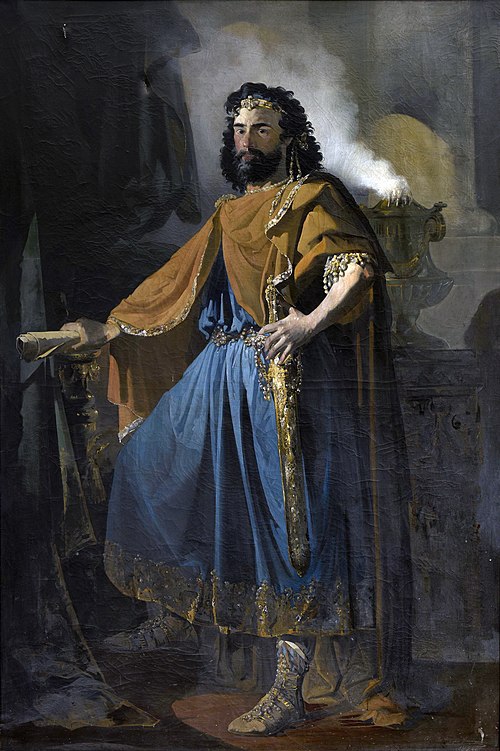
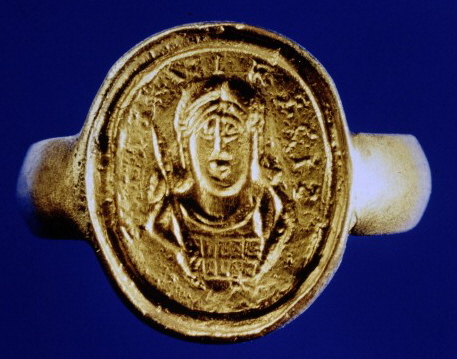


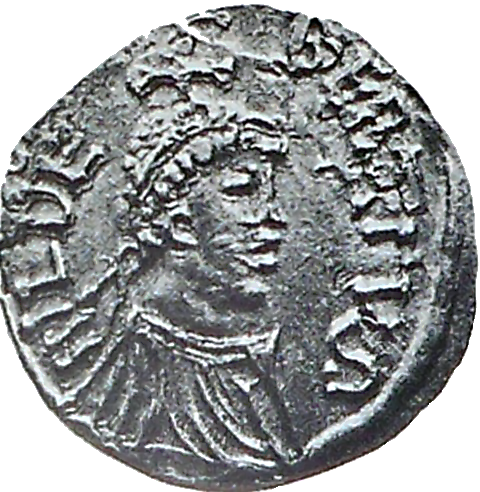


![Auteur Dassier, Jean (1676-1763 ; médailleur) Titre Médaille Publication [Paris], [ca 1720] Description : bronze ; 31 mm ; 15,48 g Licence GPL et fr:GFDL Notes Acq. 95-0638 Cote : BNF Richelieu Monnaies, médailles etantiques exemplaire unique L'ensemble est conservé dans deux boîtes cylindriques en buis. Tranche cannelée Identifiant 07700009 Détail du contenu : No d'image 1 Titre Chilpéric roy de France Notes 1720 Sujet(s) Chilpéric (539-584 ; roi de Soissons :Ier:+01+ Buste du roi à gauche ceint d'une couronne. Modifié par Rinaldum 11 jan 2004 à 21:27 (CET) Image trouvé sur le site fr:Gallica de la BNF 11 janvier 2004 à 20:23 Rinaldum 286x326 (26222 octets) (Chilpéric roy de France.)](https://upload.wikimedia.org/wikipedia/commons/4/49/Portrait_Roi_de_france_Chilp%C3%A9ric_roy_de_France.jpg)


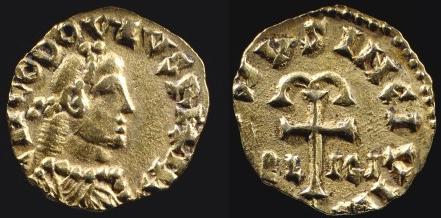


![Solidus en or pâle de 20 siliques émis par Childéric II (662-675). Avers : CHILDE…CVS REX grand buste diadémé et drapé à droite. Revers : (MA)SILIE CIVIT[ATI] croix au pied potencé, accostée des lettres M et A, posée sur un globe, entre deux séries de points : quatre d’un côté pour X et deux de l’autre, (résidu des chiffres de valeur). Ce monnayage est presque en argent, c’est le tout dernier solidus marseillais. On considère que c’est à partir de 675 que l’or disparaît en Gaule. A Marseille, la disparition de l’or n’est pas aussi précise que dans le royaume Franc. On peut encore attribuer des tremisses à Clovis III (675-676) et à Dagobert II (676-679).](https://upload.wikimedia.org/wikipedia/commons/thumb/d/db/Solidus_en_or_p%C3%A2le_de_20_siliques_%C3%A9mis_par_Child%C3%A9ric_II.jpg/500px-Solidus_en_or_p%C3%A2le_de_20_siliques_%C3%A9mis_par_Child%C3%A9ric_II.jpg)


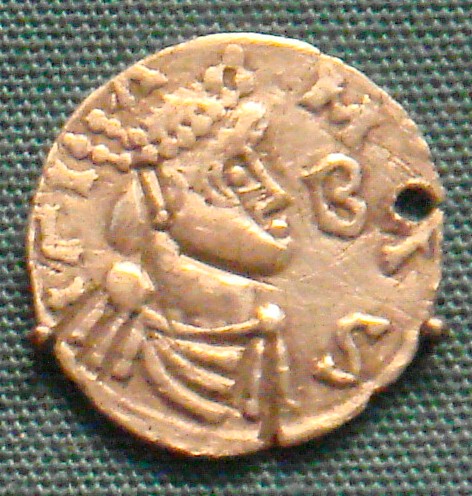


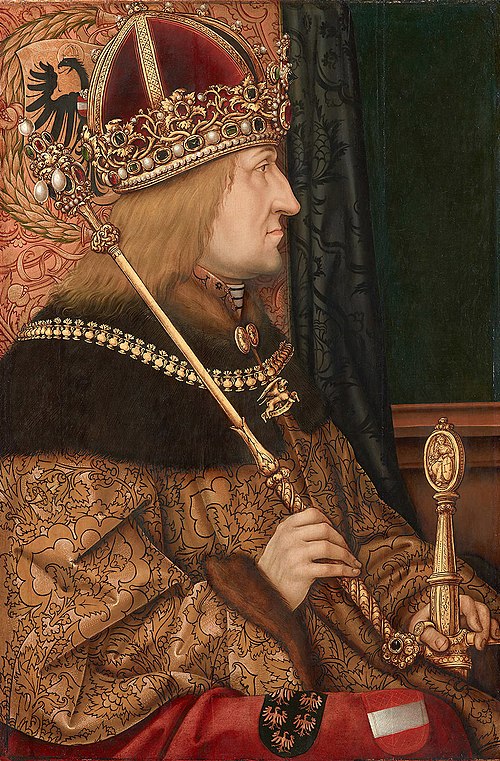


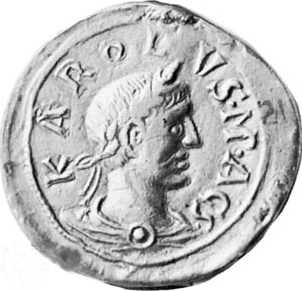


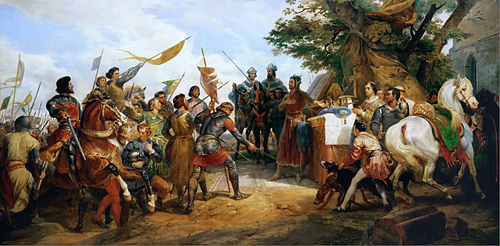


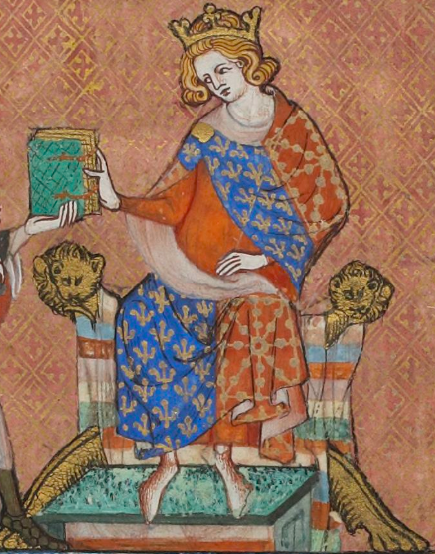


![Philippe VI de Valois, détail de la miniature Le procès de Robert d'Artois (vers 1336), Bibliothèque nationale de France, manuscrit Français 18437, folio 2 [1].](https://upload.wikimedia.org/wikipedia/commons/9/93/Phil6france.jpg)