Encyclopedia/3. History, Societies & Civilizations/09. Modern Nations/05. Europe • Curated by Admin Timeline.sg
History of Estonia, sourced from Wikipedia's "Timeline of Estonian history".
Chronological Storyline (210 Milestones)
3 BCE
Baltic Sea
Finno-Ugric peoples (ancestors of Estonians) started to move from eastern Europe to northeastern coast of Baltic Sea. Source — Wikipedia, "Timeline of Estonian history" (BC (Before Common-era)): )
A map of the Baltic Sea Region with Political Borders, Rivers, Lakes, Cities, Another Seas, Referencial Map, Compass and Detailed. By Gabriel Ziegler - Own work, CC BY-SA 4.0, https://commons.wikimedia.org/w/index.php?curid=125638072
98 CE
Rome
Roman historian Tacitus writes in the book Germania about aesti tribes. Source — Wikipedia, "Timeline of Estonian history" (1st century):
A 5x5 segment panorama taken by myself with a Canon 5D and 24-105mm f/4L IS lens. Stitched with rectilinear projection to keep lines straight. This view is about 100 degrees horizontally, close to the upper practical limit of rectilinear projection. By Diliff - Own work, CC BY 3.0, https://commons.wikimedia.org/w/index.php?curid=3943681
600 CE
Gotland
Vikings from Gotland sail to Hiiumaa (Dagö) island and build a fortification there. Source — Wikipedia, "Timeline of Estonian history" (6th century):
Location map of Gotland in Sweden with complete Sweden in upper left corner. N-S stretching is 187%, geographic limits of the map: N: 58.45° N S: 56.80° N W: 17.80° E E: 19.50° E By Erik Frohne, NordNordWest (for the location map of Sweden) - Own work, CC BY-SA 3.0, https://commons.wikimedia.org/w/index.php?curid=6738034
800 CE
Battle of Brávellir
Estonians participate in the Battle of Brávellir on the side of the Swedes and against the Danes. Source — Wikipedia, "Timeline of Estonian history" (8th century):
Battle of Brávellir By August Malmström - Björk, Tomas: August Malmström - Grindslantens målare och 1800-talets bildvärld, Nordiska Museets Förlag, 1997. ISBN 91-7108-416-9., Public domain, https://commons.wikimedia.org/w/index.php?curid=10591770
967 CE
Olaf Tryggvason
Olaf Tryggvason, the future King of Norway, is captured by Estonian vikings, and sold as a slave. Source — Wikipedia, "Timeline of Estonian history" (10th century):
Coin of Olaf Tryggvasson (Olaf I of Norway). By Ole Andreas Øverland (1855-1911) - Øverland, O.A. (1885). Illustreret Norges Historie. B. 1: Fra de ældste Tider til Slaget på Stiklestad (1030). Folkebladet., Public domain, https://commons.wikimedia.org/w/index.php?curid=22363274
972 CE
Icelanders
A battle between Estonian and Icelandic Vikings in Saaremaa. Source — Wikipedia, "Timeline of Estonian history" (10th century):
Map of the Icelandic people in the world. (The map might include people of Icelandic ancestry or citizenship) Iceland + 100,000 + 10,000 + 1,000 + 100 By Allice Hunter - Empty map: File:World map (Miller cylindrical projection, blank).svg Information available on page Icelanders on the English Wikipedia Number of Icelanders living abroad per country: NW, 1615 L. St. Pew Research Center's Global Attitudes Project Global Migration Map: Origins and Destinations, 1990-2017 (American English). Immigrant and Emigrant Populations: Immigrant and Emigrant Populations by Country of Origin and Destination (English). migrationpolicy.org (2014-02-10)., CC BY-SA 4.0, https://commons.wikimedia.org/w/index.php?curid=98214558
1008 CE
Olaf II of Norway
Olaf Haraldsson, the future King of Norway, wins a battle in Saaremaa. Source — Wikipedia, "Timeline of Estonian history" (11th century):
Olaf II of Norway By Unknown author, Public domain, https://commons.wikimedia.org/w/index.php?curid=1033532
1030 CE
Yaroslav the Wise
Prince Yaroslav the Wise of Kiev defeats Chuds and founds a fort named Yuryev (modern Tartu). Source — Wikipedia, "Timeline of Estonian history" (11th century):
The most probable (live) picture of the Yaroslav the Wise is his seal. By Unknown author - [1] (Ukranian) Transferred from en.wikipedia to Commons by User:Logan using CommonsHelper последняя версия - "Ярослав Мудрый", ЖЗЛ, Public domain, https://commons.wikimedia.org/w/index.php?curid=14993588
1050 CE
Vikings
Estonians started trading and raiding Viking expeditions over Baltic Sea to Sweden. Source — Wikipedia, "Timeline of Estonian history" (11th century):
Viking attack on Guérande By Abbey of Saint-Aubin - https://gallica.bnf.fr/ark:/12148/btv1b105157428/f27.item, Public domain, https://commons.wikimedia.org/w/index.php?curid=99222344
1061 CE
Pskov
Sosols (Estonian tribe) destroy the Yuryev castle and attack Pskov. Source — Wikipedia, "Timeline of Estonian history" (11th century):
Псковский государственный историко-архитектурный музей-заповедник: г. Псков, Псков, Псковская область By Олег Токарев - Own work, CC BY-SA 4.0, https://commons.wikimedia.org/w/index.php?curid=51941201
1113 CE
Mstislav I of Kiev
Prince Mstislav I of Kiev wins a battle against the Chuds (Estonians or people related to Estonians). Source — Wikipedia, "Timeline of Estonian history" (12th century):
Prince Mstislav Vladimirovich on the throne of Novgorod, part of miniature from Radziwiłł Chronicle, 15th century (cropped from original: https://commons.wikimedia.org/wiki/File:%D0%92%D0%BE%D0%BA%D0%BD%D1%8F%D0%B6%D0%B5%D0%BD%D0%B8%D0%B5_%D0%9C%D1%81%D1%82%D0%B8%D1%81%D0%BB%D0%B0%D0%B2%D0%B0_%D0%92%D0%BB%D0%B0%D0%B4%D0%B8%D0%BC%D0%B8%D1%80%D0%BE%D0%B2%D0%B8%D1%87%D0%B0_%D0%B2_%D0%9D%D0%BE%D0%B2%D0%B3%D0%BE%D1%80%D0%BE%D0%B4%D0%B5;_%D0%B2%D1%81%D1%82%D1%80%D0%B5%D1%87%D0%B0_%D0%98%D0%B7%D1%8F%D1%81%D0%BB%D0%B0%D0%B2%D0%B0_%D0%92%D0%BB%D0%B0%D0%B4%D0%B8%D0%BC%D0%B8%D1%80%D0%BE%D0%B2%D0%B8%D1%87%D0%B0_%D0%9A%D1%83%D1%80%D1%81%D0%BA%D0%BE%D0%B3%D0%BE_%D0%B2_%D0%9C%D1%83%D1%80%D0%BE%D0%BC%D0%B5.jpg) By Skoropadsky - Own work, CC BY-SA 4.0, https://commons.wikimedia.org/w/index.php?curid=184788925
1116 CE
Otepää
Prince Mstislav of Kiev, aided by Pskov and Novgorod, makes a raid against the Chuds and conquers the Otepää stronghold. Source — Wikipedia, "Timeline of Estonian history" (12th century):
Otepää linnavalitsuse hoone By Ivo Kruusamägi - Own work, CC BY-SA 4.0, https://commons.wikimedia.org/w/index.php?curid=101299629
1132 CE
Vsevolod of Pskov
Prince Vsevolod of Novgorod is defeated by Estonians of Vaiga county. Source — Wikipedia, "Timeline of Estonian history" (12th century):
Vsevolod of Pskov By AnonymousUnknown author - [1], Public domain, https://commons.wikimedia.org/w/index.php?curid=7187658
1134 CE
Prince Vsevold of Novgorod fights against
Prince Vsevold of Novgorod fights against the Chuds and briefly captures the fortification of Tartu (Yuryev). Source — Wikipedia, "Timeline of Estonian history" (12th century):
1154 CE
Al Idrisi
Arab geographer Al Idrisi mentions Estonian places, also marking the foundation of Tallinn. Source — Wikipedia, "Timeline of Estonian history" (12th century):
Statue of Al-Idrisi under the bastion of the Mallorquines, Ceuta By Estatua_de_Al-Idrisi_bajo_el_baluarte_de_los_Mallorquines,_Ceuta_(3).jpg: Mario Sánchez Bueno derivative work: Ecemaml - This file was derived from: Estatua de Al-Idrisi bajo el baluarte de los Mallorquines, Ceuta (3).jpg:, CC BY-SA 3.0, https://commons.wikimedia.org/w/index.php?curid=23198254
1165 CE
Benedictine
The Benedictine bishop Fulco is named Bishop of the Estonians by the Archbishop of Lund. Source — Wikipedia, "Timeline of Estonian history" (12th century):
Coat of arms of the Order of Saint Benedict. Variant with a double-barred or patriarchal cross, as is often seen. By Tom-L - This file was derived from: Coat of Arms of the Order of Saint Benedict (ancient).svg, CC0, https://commons.wikimedia.org/w/index.php?curid=15312963
1170 CE
Valdemar I of Denmark
Valdemar I of Denmark fights with Curonian and Estonian pirates near Öland island. Source — Wikipedia, "Timeline of Estonian history" (12th century):
I forbindelse med kong Valdemar den Stores og dronning Sophies bryllup i 1157 blev der fremstillet en række små brakteater med billeder af parret. Fire forskellige motivtyper i alt findes disse brakteater fremstillet med. Der er næppe tale om portrætlighed, men det er første gang at en dansk konge og en dansk dronning afbildedes sammen på noget der kunne kaldes for en "erindringsmønt". By Author of book and creator of the drawing of the bracteate: P. Hauberg (Peter Christian Hauberg) [1844-1928] - "Danmarks Myntvæsen i Tidsrummet 1146-1241", published 1906, CC BY-SA 4.0, https://commons.wikimedia.org/w/index.php?curid=87013255
1171 CE
Bishop Fulco makes a missionary journey
Bishop Fulco makes a missionary journey to Estonia. Source — Wikipedia, "Timeline of Estonian history" (12th century):
1177 CE
Estonians attack and burn Pskov during
Estonians attack and burn Pskov during winter. Source — Wikipedia, "Timeline of Estonian history" (12th century):
1177 CE
Bishop Fulco
Fulco second missionary journey to Estonia. Source — Wikipedia, "Timeline of Estonian history" (12th century):
1187 CE
Karelians
Estonians, Karelians or/and Karelians ravage the Mälaren area in Sweden, pillage town of Sigtuna, and kill the archbishop Johannes. Source — Wikipedia, "Timeline of Estonian history" (12th century):
Karelian girl wearing traditional medieval costume of Karelia, with a traditional finno-karelian bowed lyre jouhikko By Vidgestr - Own work, CC BY-SA 4.0, https://commons.wikimedia.org/w/index.php?curid=87546540
1191 CE
Cistercian
Cistercian monk Theoderich, future Bishop of Estonia, makes an unsuccessful missionary journey to Estonia. Source — Wikipedia, "Timeline of Estonian history" (12th century):
Coat of arms of the Cistercian Order By Tardigradius - Own work, CC BY-SA 4.0, https://commons.wikimedia.org/w/index.php?curid=68630139
1192 CE
Prince Yaroslav Vladimirovich of Novgorod makes
Prince Yaroslav Vladimirovich of Novgorod makes two raids against Estonians, burning down the Tartu and Otepää strongholds. Source — Wikipedia, "Timeline of Estonian history" (12th century):
1193 CE
Celestine III
Pope Celestine III calls for a crusade against pagans in Northern Europe. Source — Wikipedia, "Timeline of Estonian history" (12th century):
Image of pope Celestine III By Peter of Eboli - Coronation sequence of Liber ad honorem Augusti, Public domain, https://commons.wikimedia.org/w/index.php?curid=66998228
1200 CE
Albert of Riga
Bishop Albert and his crusaders capture Riga in Latvia. Source — Wikipedia, "Timeline of Estonian history" (12th century):
Albert of Riga, Riga Dome Cathedral By Artifex - Own work, Public domain, https://commons.wikimedia.org/w/index.php?curid=10404221
1202 CE
Innocent III
Pope Innocent III declares Crusade to Christianize Old Livonia. The crusader Livonian Brothers of the Sword are founded. Source — Wikipedia, "Timeline of Estonian history" (13th century):
"The Pope Innocent III" - fresco mid 13th century - Monastery of Sacro Speco of Saint Benedict - Subiaco (Rome) By Carlo Raso - https://www.flickr.com/photos/70125105@N06/27634903650/, Public domain, https://commons.wikimedia.org/w/index.php?curid=115856200
1203 CE
Saaremaa
Saaremaa islanders ravage areas of Southern Sweden, then belonging to Denmark. The returning pirates skirmish with the German settlers of Riga near the town of Visby in Gotland. Source — Wikipedia, "Timeline of Estonian history" (13th century):
Bishop's castle in Kuressaare, Estonia By Sabine Hack (= Vonsoeckchen on de.wikipedia) - selbst fotografiert von Sabine Hack, CC BY-SA 3.0, https://commons.wikimedia.org/w/index.php?curid=904849
1206 CE
Valdemar II of Denmark
Valdemar II of Denmark builds a fortress in Saaremaa, but burns it down after finding no volunteers to man it. Source — Wikipedia, "Timeline of Estonian history" (13th century):
Coin minted for Valdemar II of Denmark, Valdemar II Sejr (1170-1241). King of Denmark 1202-1241. Photo taken at Lunds universitets historiska museum by the uploader. By Hedning - Own work, CC BY-SA 3.0, https://commons.wikimedia.org/w/index.php?curid=10232502
1207 CE
Terra Mariana
The Terra Mariana ("Land of St Mary) is established as the political unit of crusaders in Livonia. Source — Wikipedia, "Timeline of Estonian history" (13th century):
A political map of the Medieval Livonia, circa 1260, along with surrounding areas By No machine-readable author provided. Termer assumed (based on copyright claims). - No machine-readable source provided. Own work assumed (based on copyright claims)., CC BY-SA 3.0, https://commons.wikimedia.org/w/index.php?curid=5191835
1208 CE
Latvians
Sword Brothers, Letts and Livs invade Sakala and Ugandi in Southern Estonia, starting the Estonian Ancient Fight for Freedom (1208-1227). Source — Wikipedia, "Timeline of Estonian history" (13th century):
Map of the Latvian people around the world. (The map might include people with Latvian ancestry or citizenship) Latvia + 100,000 + 10,000 + 1,000 By Allice Hunter - Empty map: File:BlankMap-World6.svg Information available on page Latvians on the English Wikipedia and at Joshua Project Since the map data is from Wikipedia's own pages and the Joshua Project, information may be omitted or out of date or maybe inaccurate. If you intend to make changes to this map, you must provide a source and make them available here., CC BY-SA 4.0, https://commons.wikimedia.org/w/index.php?curid=92573529
1209 CE
Latvians
Sword Brothers and Letts attack Ugandi. Source — Wikipedia, "Timeline of Estonian history" (13th century):
Map of the Latvian people around the world. (The map might include people with Latvian ancestry or citizenship) Latvia + 100,000 + 10,000 + 1,000 By Allice Hunter - Empty map: File:BlankMap-World6.svg Information available on page Latvians on the English Wikipedia and at Joshua Project Since the map data is from Wikipedia's own pages and the Joshua Project, information may be omitted or out of date or maybe inaccurate. If you intend to make changes to this map, you must provide a source and make them available here., CC BY-SA 4.0, https://commons.wikimedia.org/w/index.php?curid=92573529
1210 CE
Battle of Cēsis
Estonians besiege the Cēsis stronghold in Latvia. Source — Wikipedia, "Timeline of Estonian history" (13th century):
Counties of Ancient Estonia By No machine-readable author provided. 藏骨集团 assumed (based on copyright claims). - No machine-readable source provided. Own work assumed (based on copyright claims)., Public domain, https://commons.wikimedia.org/w/index.php?curid=6421206
1210 CE
Plague
First recorded plague in Estonia. Source — Wikipedia, "Timeline of Estonian history" (13th century):
Yersinia pestis, Direct Fluorescent Antibody Stain (DFA), 200x Magnification. CDC 2057 - US Government public domain image By Photo Credit= Content Providers= CDC/ Courtesy of Larry Stauffer, Oregon State Public Health Laboratory - Transferred from en.wikipedia to Commons by Fvasconcellos. This media comes from the Centers for Disease Control and Prevention's Public Health Image Library (PHIL), with identification number #1918. Note: Not all PHIL images are public domain; be sure to check copyright status and credit authors and content providers. العربية | Deutsch | English | македонски | slovenščina | +/−, Public domain, https://commons.wikimedia.org/w/index.php?curid=4036692
1211 CE
Pskov troops raid Western Estonia.
Pskov troops raid Western Estonia. Source — Wikipedia, "Timeline of Estonian history" (13th century):
1212 CE
Varbola Stronghold
Russian troops besiege the Varbola Stronghold. Source — Wikipedia, "Timeline of Estonian history" (13th century):
Varbola Stronghold Ruins in Western Estonia, 10-12th century CE By Terker - Own work, CC BY-SA 3.0, https://commons.wikimedia.org/w/index.php?curid=2964626
1213 CE
Lithuanians
Lithuanians raid the Sakala area. Source — Wikipedia, "Timeline of Estonian history" (13th century):
Map of the Lithuanian people around the world. (The map might include people with Lithuanian ancestry or citizenship) Lithuania + 100,000 + 10,000 + 1,000 By Allice Hunter - Empty map: File:World map (Miller cylindrical projection, blank).svg Information available on page Lithuanians on the English Wikipedia Number of Lithuanians living abroad per country: NW, 1615 L. St. Pew Research Center's Global Attitudes Project Global Migration Map: Origins and Destinations, 1990-2017 (American English). Immigrant and Emigrant Populations: Immigrant and Emigrant Populations by Country of Origin and Destination (English). migrationpolicy.org (2014-02-10)., CC BY-SA 4.0, https://commons.wikimedia.org/w/index.php?curid=92573142
1215 CE
Battle of Lehola
Sword Brothers defeat Estonians in the Battle of Lehola. Source — Wikipedia, "Timeline of Estonian history" (13th century):
1216 CE
Pskov troops capture the Otepää stronghold.
Pskov troops capture the Otepää stronghold. Source — Wikipedia, "Timeline of Estonian history" (13th century):
Feb 1, 1217 CE
Battle of Otepää
Sword Brothers are defeated by Estonians and Russians in the Battle of Otepää. Source — Wikipedia, "Timeline of Estonian history" (13th century):
Jun 15, 1219 CE
Valdemar II of Denmark
Valdemar II of Denmark conquers Tallinn in the Battle of Lindanise and builds the Toompea Castle. Source — Wikipedia, "Timeline of Estonian history" (13th century):
Coin minted for Valdemar II of Denmark, Valdemar II Sejr (1170-1241). King of Denmark 1202-1241. Photo taken at Lunds universitets historiska museum by the uploader. By Hedning - Own work, CC BY-SA 3.0, https://commons.wikimedia.org/w/index.php?curid=10232502
Aug 8, 1220 CE
John I of Sweden
John I of Sweden invades Läänemaa, but is defeated by troops from Saaremaa in the Battle of Lihula. Source — Wikipedia, "Timeline of Estonian history" (13th century):
Coin of King John I of Sweden (Johan Sverkersson) By Unknown 13th century mintmaster; photo/scan by unknown - Images in the public domain since 1945, Public domain, https://commons.wikimedia.org/w/index.php?curid=80505817
1221 CE
Siege of Tallinn
Estonians besiege Tallinn. Source — Wikipedia, "Timeline of Estonian history" (13th century):
1222 CE
The invading Danish troops are defeated
The invading Danish troops are defeated by Estonians in Saaremaa. Source — Wikipedia, "Timeline of Estonian history" (13th century):
Jan 29, 1223 CE
Battle of Viljandi
Estonians defeat the Sword Brothers in the Battle of Viljandi and the entire Southern Estonia is liberated. Source — Wikipedia, "Timeline of Estonian history" (13th century):
Aug 15, 1224 CE
Siege of Tartu
Sword Brothers capture the Tartu stronghold from joint Estonian and Russian troops - mainland Estonia falls to the crusaders. Source — Wikipedia, "Timeline of Estonian history" (13th century):
Jan 1, 1227 CE
Battle of Muhu
Sword Brothers conquer stronghold of Muhu, and last pagan stronghold of Valjala surrenders. Source — Wikipedia, "Timeline of Estonian history" (13th century):
Muhu maalinn, mälestuskivi. By Ivo Kruusamägi - Own work, CC BY-SA 3.0 ee, https://commons.wikimedia.org/w/index.php?curid=21471682
1227 CE
Sword Brothers conquer Northern Estonia from
Sword Brothers conquer Northern Estonia from Denmark. Source — Wikipedia, "Timeline of Estonian history" (13th century):
Oct 1, 1228 CE
Bishopric of Ösel–Wiek
The Bishopric of Ösel–Wiek is established in Western Estonia. Source — Wikipedia, "Timeline of Estonian history" (13th century):
A political map of the Medieval Livonia, circa 1260, along with surrounding areas By No machine-readable author provided. Termer assumed (based on copyright claims). - No machine-readable source provided. Own work assumed (based on copyright claims)., CC BY-SA 3.0, https://commons.wikimedia.org/w/index.php?curid=5191835
1234 CE
Pskov and Novgorod troops invade the
Pskov and Novgorod troops invade the Bishopric of Dorpat, that is forced to pay tribute for four years. Source — Wikipedia, "Timeline of Estonian history" (13th century):
Sep 22, 1236 CE
Samogitians
Sword Brothers are defeated by Samogitians in the Battle of Saule. Saaremaa islanders rebel against German rule. Source — Wikipedia, "Timeline of Estonian history" (13th century):
Samogitians in the first half of the 19th century. On the right and left, the darker skin people are Gypsies. By Jan Lewicki - Les Costumes du peuple polonais // Paris, 1841, Public domain, https://commons.wikimedia.org/w/index.php?curid=93767156
1237 CE
Teutonic Order
Livonian Brothers of the Sword merge into the Teutonic Order and become known as the Livonian Order, autonomous of the Teutonic Order State. Source — Wikipedia, "Timeline of Estonian history" (13th century):
Teutonic Order By Unknown author - Own work, Public domain, https://commons.wikimedia.org/w/index.php?curid=16028974
1238 CE
The Livonian Order helps restore the
The Livonian Order helps restore the power of the Bishop of Ösel Wiek in Kullamaa Parish. Source — Wikipedia, "Timeline of Estonian history" (13th century):
1239 CE
Liber Census Daniae
The Liber Census Daniae is compiled. The book also gives first recorded data on northern Estonia. Source — Wikipedia, "Timeline of Estonian history" (13th century):
Reverse side of the Seal of Danish King Valdemar the Victorious (Valdemar 2. Sejr). This seal is known from documents dating 1204-1241. By Karl Georg Jensen (1851-1933) - This image has been extracted from another file, Public domain, https://commons.wikimedia.org/w/index.php?curid=47582086
Apr 5, 1242 CE
Battle of the Ice
The Livonian Order and Estonians are defeated by Novgorod in the Battle of the Ice. Source — Wikipedia, "Timeline of Estonian history" (13th century):
Alexander Nevskiy at the 1242 Battle of Lake Peipus ("ice battle") as depicted in the Laptev Volume of the Illustrated Chronicle of Ivan the Terrible ("Tsar-Book"), produced in c. 1560s–1570s (over 3 centuries after the events). Manuscript in the National Library of Russia (RNL/РНБ) in Saint Petersburg, manuscript ID: РНБ F.IV.233; л. 938. By Anonymous Russian manuscript illuminators, 1560-1570s Facial Chronicle (Illustrated Chronicle of Ivan the Terrible) (in 10 volumes: pdf, pdf with translation)Public domain image - http://www.akteon-elib.ru/LITsIeVOI-LIeTOPISNYI-SVOD-Russkaya-letopisnaya-istoriya-Kniga-6/#20, Public domain, https://commons.wikimedia.org/w/index.php?curid=3723039
1249 CE
St. Michael's Convent, Tallinn
St. Michael's Convent is founded in Tallinn. Source — Wikipedia, "Timeline of Estonian history" (13th century):
1251 CE
Pärnu
first mentioning of a school in Estonia (the cathedral school in Pärnu). Source — Wikipedia, "Timeline of Estonian history" (13th century):
Aerial photo of Pärnu in Estonia By Kristian Pikner - Own work, CC BY-SA 4.0, https://commons.wikimedia.org/w/index.php?curid=53662299
Feb 18, 1268 CE
Battle of Wesenberg
Pskov and Novgorod defeat the Livonian Order in the Battle of Rakvere, ending the Order's attempts to invade Russia. Source — Wikipedia, "Timeline of Estonian history" (13th century):
A political map of the Medieval Livonia, circa 1260, along with surrounding areas By No machine-readable author provided. Termer assumed (based on copyright claims). - No machine-readable source provided. Own work assumed (based on copyright claims)., CC BY-SA 3.0, https://commons.wikimedia.org/w/index.php?curid=5191835
Feb 16, 1270 CE
Livonian Order
Lithuanians defeat the Livonian Order in the Battle of Karuse. Source — Wikipedia, "Timeline of Estonian history" (13th century):
This map depicts the Baltic states Latvia and Estonia. Ever since the Treaty of Altmar in 1629 this area was a Swedish province which was mainly inhabited by Germans. The map was published in 1662 in the second volume of Joan Blaeus Atlas Maior. As a basis for this map, Blaeu used a large-size wall map from the Swedish scientist Anders Bureus (1571-1661), who was head of the topographical survey. By Dirk Jansz van Santen - This digital media file - and/or the physical objects depicted on it - originates from the digital and/or physical collections of the Koninklijke Bibliotheek, national library of the Netherlands., Public domain, https://commons.wikimedia.org/w/index.php?curid=41683961
1285 CE
Hanseatic League
Tallinn becomes a member of the Hanseatic League. Source — Wikipedia, "Timeline of Estonian history" (13th century):
The spread of the Hanseatic League in the year 1400 By Droysen/Andrée - Plate 28 of Professor G. Droysens Allgemeiner Historischer Handatlas, published by R. Andrée, 1886, CC BY-SA 3.0, https://commons.wikimedia.org/w/index.php?curid=17108274
1298 CE
A border war between the Livonian
A border war between the Livonian Order and the Bishopric of Ösel-Wiek. Source — Wikipedia, "Timeline of Estonian history" (13th century):
1305 CE
Padise Abbey
Padise Abbey is founded. Source — Wikipedia, "Timeline of Estonian history" (14th century):
Padise cloister, Estonia By Zosma - Own work by the original uploader, CC BY-SA 3.0, https://commons.wikimedia.org/w/index.php?curid=3120485
1343 CE
St.George's Night Uprising
St.George's Night Uprising (1343–1345) in Northwestern Estonia and Saaremaa. Source — Wikipedia, "Timeline of Estonian history" (14th century):
A political map of the Medieval Livonia, circa 1260, along with surrounding areas By No machine-readable author provided. Termer assumed (based on copyright claims). - No machine-readable source provided. Own work assumed (based on copyright claims)., CC BY-SA 3.0, https://commons.wikimedia.org/w/index.php?curid=5191835
1346 CE
Valdemar IV
King Valdemar IV of Denmark sells Northern Estonia to the Teutonic Order. Source — Wikipedia, "Timeline of Estonian history" (14th century):
Waldemar IV of Denmark (Valdemar Atterdag) shown on 14th century fresco in Næstved's Saint Peter's Church (Sankt Peders Kirke). The fresco was created shortly after the king's death, and rediscovered in the late 19th century. The three lions in the king's coat of arms are 19th century reconstructions based on a preserved seal used by king Valdemar. By Unknown contemporary 14th-century artist - Unknown photographer, Public domain, https://commons.wikimedia.org/w/index.php?curid=17979136
1347 CE
The Teutonic Order gives Northern Estonia
The Teutonic Order gives Northern Estonia to Livonian Order. Source — Wikipedia, "Timeline of Estonian history" (14th century):
1407 CE
Pirita convent
Pirita convent is built. Source — Wikipedia, "Timeline of Estonian history" (15th century):
Ruins of the St. Bridget's Convent, Pirita, Tallinn, Estonia By Anosmia/Jennifer Boyer - originally posted to Flickr as Püha Brigitta Klooster (Convent of St. Bridget), CC BY 2.0, https://commons.wikimedia.org/w/index.php?curid=8011325
1419 CE
The Livonian Diet is formed to
The Livonian Diet is formed to solve internal disputes in Livonia. Source — Wikipedia, "Timeline of Estonian history" (15th century):
1433 CE
First recorded great fire in Tallinn.
First recorded great fire in Tallinn. Source — Wikipedia, "Timeline of Estonian history" (15th century):
1435 CE
Livonian Confederation
The Livonian Confederation is established to solve internal disputes in Livonia. Source — Wikipedia, "Timeline of Estonian history" (15th century):
A political map of the Medieval Livonia, circa 1260, along with surrounding areas By No machine-readable author provided. Termer assumed (based on copyright claims). - No machine-readable source provided. Own work assumed (based on copyright claims)., CC BY-SA 3.0, https://commons.wikimedia.org/w/index.php?curid=5191835
1440 CE
The Livonian Order becomes self-governing from
The Livonian Order becomes self-governing from the Teutonic Order. Source — Wikipedia, "Timeline of Estonian history" (15th century):
1464 CE
Plague
Plague kills 2/3 of population of Tallinn. Source — Wikipedia, "Timeline of Estonian history" (15th century):
Yersinia pestis, Direct Fluorescent Antibody Stain (DFA), 200x Magnification. CDC 2057 - US Government public domain image By Photo Credit= Content Providers= CDC/ Courtesy of Larry Stauffer, Oregon State Public Health Laboratory - Transferred from en.wikipedia to Commons by Fvasconcellos. This media comes from the Centers for Disease Control and Prevention's Public Health Image Library (PHIL), with identification number #1918. Note: Not all PHIL images are public domain; be sure to check copyright status and credit authors and content providers. العربية | Deutsch | English | македонски | slovenščina | +/−, Public domain, https://commons.wikimedia.org/w/index.php?curid=4036692
1480 CE
Muscovite Russia
First war between Old Livonia and Muscovite Russia. Source — Wikipedia, "Timeline of Estonian history" (15th century):
Territorial expansion of the Grand Duchy of Moscow, 1300–1547 Territory in 1300 Territory in 1389, after the final merging of Moscow and Vladimir Territory in 1505, on the death of Ivan III Territory in 1533, on the death of Vasily III Modern national borders are shown for orientation. By Dbachmann - blank map: File:Europe location POR.png. Territorial boundaries based on File:Moscow1500.png, File:Kievan-rus-1015-1113-(en).png, File:Muscovy 1300-1462.png. See also File:Russia 1533-1896.gif. See talkpage for discussion of the sources used. Information on historical territory relies on maps uploaded by ru:Участник:Koryakov Yuri (2008)., Attribution, https://commons.wikimedia.org/w/index.php?curid=14943136
1500 CE
Estonian population exceeds 250,000.
Estonian population exceeds 250,000. Source — Wikipedia, "Timeline of Estonian history" (15th century):
1500 CE
Second Livonian-Russian war.
Second Livonian-Russian war. Source — Wikipedia, "Timeline of Estonian history" (16th century):
1504 CE
Plague
Plague ravages Estonia. Source — Wikipedia, "Timeline of Estonian history" (16th century):
Yersinia pestis, Direct Fluorescent Antibody Stain (DFA), 200x Magnification. CDC 2057 - US Government public domain image By Photo Credit= Content Providers= CDC/ Courtesy of Larry Stauffer, Oregon State Public Health Laboratory - Transferred from en.wikipedia to Commons by Fvasconcellos. This media comes from the Centers for Disease Control and Prevention's Public Health Image Library (PHIL), with identification number #1918. Note: Not all PHIL images are public domain; be sure to check copyright status and credit authors and content providers. العربية | Deutsch | English | македонски | slovenščina | +/−, Public domain, https://commons.wikimedia.org/w/index.php?curid=4036692
1507 CE
Old Livonian peasants are not allowed
Old Livonian peasants are not allowed to own weapons. Source — Wikipedia, "Timeline of Estonian history" (16th century):
1523 CE
The Reformation
The Reformation comes to Estonia. Source — Wikipedia, "Timeline of Estonian history" (16th century):
Sep 14, 1524 CE
Catholic churches are pillaged in Tallinn.
Catholic churches are pillaged in Tallinn. Source — Wikipedia, "Timeline of Estonian history" (16th century):
1525 CE
The Teutonic Order is secularized and
The Teutonic Order is secularized and the Livonian Order becomes de facto independent. Source — Wikipedia, "Timeline of Estonian history" (16th century):
1552 CE
First library is founded in Tallinn.
First library is founded in Tallinn. Source — Wikipedia, "Timeline of Estonian history" (16th century):
1558 CE
Livonian War
Russian forces invade Eastern Estonia, starting the Livonian War. Source — Wikipedia, "Timeline of Estonian history" (16th century):
Livonian war. Siege of Narva 1558 by Russians. By Boris Chorikov - Unknown source, Public domain, https://commons.wikimedia.org/w/index.php?curid=78763
1559 CE
Frederick II of Denmark
The Bishop of Ösel-Wiek sells his bishopric to King Frederick II of Denmark, who gives the land to his brother Duke Magnus of Holstein. Lutheranism prevails in Western Estonia. Source — Wikipedia, "Timeline of Estonian history" (16th century):
Frederick II of Denmark By Hans Knieper - https://dnm.dk/opslag/frederik-2/, Public domain, https://commons.wikimedia.org/w/index.php?curid=148043332
1560 CE
Duke Magnus of Holstein takes power
Duke Magnus of Holstein takes power in the Bishopric of Ösel-Wiek. Source — Wikipedia, "Timeline of Estonian history" (16th century):
1561 CE
The Commandery of Tallinn and the
The Commandery of Tallinn and the nobility of other North Estonian bailiwicks of the Livonian Order swear allegiance to Sweden. Source — Wikipedia, "Timeline of Estonian history" (16th century):
1562 CE
The Livonian Order is dissolved.
The Livonian Order is dissolved. Source — Wikipedia, "Timeline of Estonian history" (16th century):
1564 CE
The Bailiwick of Maasilinna gives itself
The Bailiwick of Maasilinna gives itself under Danish rule. Source — Wikipedia, "Timeline of Estonian history" (16th century):
Jan 1, 1573 CE
The Russians occupied Pärnu (Pernau) in
The Russians occupied Pärnu (Pernau) in Western Estonia and the fortress of Weissenstein (Paide). Source — Wikipedia, "Timeline of Estonian history" (16th century):
1578 CE
Balthasar Russow
Balthasar Russow publishes his cronicles about the Livonian War. Source — Wikipedia, "Timeline of Estonian history" (16th century):
Chronicle of Balthasar Russow By Balthasar Russow - Eesti rahva ajalugu By Juhan Libe Tartu : Loodus, 1932., Public domain, https://commons.wikimedia.org/w/index.php?curid=5231410
Sep 6, 1581 CE
Narva
A mercenary army of Sweden under Pontus de la Gardie captured Narva from Russia. Source — Wikipedia, "Timeline of Estonian history" (16th century):
View of Narva from Hermann Castle in May of 2026. By WeaponizingArchitecture - Own work, CC BY 4.0, https://commons.wikimedia.org/w/index.php?curid=193202946
1582 CE
By the armistice of Jam Zapolski,
By the armistice of Jam Zapolski, Dorpat together with Southern Estonia was incorporated into the state of Poland-Lithuania. Source — Wikipedia, "Timeline of Estonian history" (16th century):
1595 CE
Treaty of Teusina
Treaty of Teusina: Sweden's right to Narva and Estonia was signed. Source — Wikipedia, "Timeline of Estonian history" (16th century):
Border changes in Finland 1595 By Ximfel1 - Own work, CC BY-SA 4.0, https://commons.wikimedia.org/w/index.php?curid=46914259
1625 CE
Jacob De la Gardie
Swedish commander Jacob De la Gardie took Dorpat (Tartu) and Southern Estonia from Poland Source — Wikipedia, "Timeline of Estonian history" (17th century):
Jacob De la Gardie By Unknown author - Nationalmuseum, Public domain, https://commons.wikimedia.org/w/index.php?curid=52127098
1628 CE
Hiiumaa
First glass manufacturer is established in Estonia on Hiiumaa (operates until 1664). Source — Wikipedia, "Timeline of Estonian history" (17th century):
Asukoht: Tahkuna, Hiiumaa By Blizzard1 - Own work, CC BY-SA 3.0, https://commons.wikimedia.org/w/index.php?curid=17841083
1629 CE
Truce of Altmark
Truce of Altmark: Sweden acquired the territory of Livonia. Source — Wikipedia, "Timeline of Estonian history" (17th century):
Pomnik upamiętniający rozejm polsko-szwedzki w 1629 By Pawmak - Own work, Public domain, https://commons.wikimedia.org/w/index.php?curid=7112768
1630 CE
Printer
First printer is established in Estonia in Tallinn. Source — Wikipedia, "Timeline of Estonian history" (17th century):
Printing places of incunabula showing the spread of printing in the 15th century. 271 locations are known, the largest of them are designated by name. The data is based on the Incunabula Short Title Catalogue of the British Library (as of March 2, 2011). Bodies of water correspond to present state. By NordNordWest - Own work, CC BY-SA 3.0 de, https://commons.wikimedia.org/w/index.php?curid=16276810
1630 CE
Gustav Adolf Gymnasium
Gustav Adolf Gymnasium is established in Tallinn (being the oldest continuously operating secondary school in Estonia). Source — Wikipedia, "Timeline of Estonian history" (17th century):
Gustav Adolph School with special 400th anniversary decoration (portraits of all current students)Place: Suur-Kloostri 16, Tallinn, Estonia By Jacob Truedson Demitz for the Southerly Clubs - This image comes from the Southerly Clubs of Stockholm, Sweden, a non-profit society which owns image publication rights to the archives of Lars Jacob Prod, Mimical Productions, F.U.S.I.A., Swenglistic Underground (formerly CabarEng), Ristesson Ent and FamSAC. Southerly Clubs donated this picture to the Public Domain. Deputy Chairman Emil Eikner for the Board of Directors, Hallowe'en 2008. .mw-parser-output .messagebox{margin:4px 0;width:auto;border-collapse:collapse;border:2px solid var(--border-color-progressive,#6485d1);background-color:var(--background-color-neutral-subtle,#fbfcff);color:var(--color-base,#202122);box-sizing:border-box;border-inline-start-width:8px}.mw-parser-output .messagebox.mbox-small{font-size:88%;line-height:1.25em}.mw-parser-output .mbox-warning,.mw-parser-output .mbox-speedy{border:2px solid var(--border-color-error,#b22222);background:var(--background-color-error-subtle,#ffdbdb);border-inline-start-width:8px}.mw-parser-output .mbox-serious,.mw-parser-output .mbox-delete,.mw-parser-output .mbox-stop{border:2px solid var(--border-color-error,#b22222);border-inline-start-width:8px}.mw-parser-output .mbox-issue,.mw-parser-output .mbox-content{border:2px solid #f28500;background:var(--background-color-warning-subtle,#ffe);border-inline-start-width:8px}.mw-parser-output .mbox-query,.mw-parser-output .mbox-style{border:2px solid #f4c430;background:var(--background-color-warning-subtle,#ffe);border-inline-start-width:8px}.mw-parser-output .mbox-shit{border:2px solid #960;border-inline-start-width:8px}.mw-parser-output .mbox-license{border:2px solid #88a;border-inline-start-width:initial}.mw-parser-output .mbox-legal{border:2px solid var(--border-color-notice,#666);background:var(--background-color-base,#fff);border-inline-start-width:8px}.mw-parser-output .mbox-honor{border:2px solid #ca3;background:var(--background-color-warning-subtle,#fcf4db);border-inline-start-width:8px}.mw-parser-output .mbox-growth{border:2px solid #8d4;background:var(--background-color-success-subtle,#d5fdf4);border-inline-start-width:8px}.mw-parser-output .mbox-move{border:2px solid #93c;border-inline-start-width:8px}.mw-parser-output .mbox-protection,.mw-parser-output .mbox-message{border:2px solid var(--border-color-base,#aaa);border-inline-start-width:8px}.mw-parser-output .messagebox .mbox-text{border:none;padding:0.25em 0.9em;width:100%}.mw-parser-output .messagebox .mbox-image{border:none;padding:2px 0 2px 0.9em;text-align:center}.mw-parser-output .messagebox .mbox-imageright{border:none;padding:2px 0.9em 2px 0;text-align:center}.mw-parser-output .messagebox .mbox-empty-cell{border:none;padding:0;width:1px}.mw-parser-output .messagebox .mbox-invalid-type{text-align:center}@media(min-width:720px){.mw-parser-output .messagebox{margin:4px 10%}.mw-parser-output .messagebox.mbox-small{clear:right;float:right;margin:4px 0 4px 1em;width:238px}}body.skin--responsive .mw-parser-output table.messagebox img{max-width:none!important}This work is free and may be used by anyone for any purpose. If you wish to use this content, you do not need to request permission as long as you follow any licensing requirements mentioned on this page. The Wikimedia Foundation has received an e-mail confirming that the copyright holder has approved publication under the terms mentioned on this page. This correspondence has been reviewed by a Volunteer Response Team (VRT) member and stored in our permission archive. The correspondence is available to trusted volunteers as ticket #2010092510008875. If you have questions about the archived correspondence, please use the VRT noticeboard. Ticket link: https://ticket.wikimedia.org/otrs/index.pl?Action=AgentTicketZoom&TicketNumber=2010092510008875 Find other files from the same ticket:, Public domain, https://commons.wikimedia.org/w/index.php?curid=110082556
1630 CE
First gymnasium is established in Estonia
First gymnasium is established in Estonia in Tartu. Source — Wikipedia, "Timeline of Estonian history" (17th century):
1632 CE
University of Tartu
Foundation of the University of Tartu under Swedish king Gustavus Adolphus. Source — Wikipedia, "Timeline of Estonian history" (17th century):
University of Tartu circular logo By University of Tartu - https://stiiliraamat.ut.ee/, CC BY-SA 4.0, https://commons.wikimedia.org/w/index.php?curid=163275152
Aug 13, 1645 CE
Treaty of Brömsebro
Saaremaa (Ösel) island was ceded from Denmark to Sweden by the Treaty of Brömsebro. Source — Wikipedia, "Timeline of Estonian history" (17th century):
Denmark-Norway in 1646. The Treaty of Brömsebro. In yellow; Denmark ceded the Norwegian provinces of Jemtia and Herdalia and Baltic Sea islands of Gotland and Ösel to Sweden. In red, Hallandia, ceded for a period of 30 years. Created by kasper Holl, 2005. By No machine-readable author provided. Kasper Holl assumed (based on copyright claims). - No machine-readable source provided. Own work assumed (based on copyright claims)., CC BY-SA 3.0, https://commons.wikimedia.org/w/index.php?curid=232737
1684 CE
Forselius Seminar for schoolmasters is opened
Forselius Seminar for schoolmasters is opened near Tartu (operated until 1688). Source — Wikipedia, "Timeline of Estonian history" (17th century):
1687 CE
Over the Estonia, widespread opening of
Over the Estonia, widespread opening of village schools for peasants, starts. Source — Wikipedia, "Timeline of Estonian history" (17th century):
1690 CE
Pärnu
Tartu University is re-opened, but 1699–1710 operates in Pärnu. Source — Wikipedia, "Timeline of Estonian history" (17th century):
Aerial photo of Pärnu in Estonia By Kristian Pikner - Own work, CC BY-SA 4.0, https://commons.wikimedia.org/w/index.php?curid=53662299
1695 CE
Great Famine of Estonia
Great Famine of Estonia. Source — Wikipedia, "Timeline of Estonian history" (17th century):
Nov 20, 1700 CE
Charles XII of Sweden
Battle at Narva, where the Swedish army under King Charles XII defeats the Russian army. Source — Wikipedia, "Timeline of Estonian history" (17th century):
Karl XII var berömd i hela Europa. Alla ville ha hans porträtt. Det här har tillkommit i den franske hovmålaren Rigauds ateljé. I skinande rustning och med fladdrande mantel står kungen uppställd som på en teaterscen – kriget i bakgrunden liknar mest en kuliss. Det korta håret hade blivit hans signum, en symbol för soldatkungen. 1715, när porträttet målades, var den svenska stormakten på väg att falla samman. Verkliga krig, mycket blodigare än målningens teaterkrig, rasade på alla håll. Tre år senare var kungen död. By Workshop of Hyacinthe Rigaud - NM 883, Public domain, https://commons.wikimedia.org/w/index.php?curid=77134106
1704 CE
Peter I of Russia
Russian troops under czar Peter the Great captured Dorpat (Tartu) in the Great Northern War. Source — Wikipedia, "Timeline of Estonian history" (18th century):
Peter I of Russia By Attributed to Jean-Marc Nattier - 4. The Hermitage, St. Petersburg3. Unknown sourceUnknown source2. http://img15.nnm.ru/3/c/9/6/9/3223e6d548f3dff6bc0cb50f947.jpg1. The Hermitage, St. Petersburg, Public domain, https://commons.wikimedia.org/w/index.php?curid=3227131
1708 CE
Tartu
Fearful of Swedish attack, Russians burned down the city of Tartu. Source — Wikipedia, "Timeline of Estonian history" (18th century):
Tartu and Emajõgi in 2019 By Boreaallane - Own work, CC BY-SA 4.0, https://commons.wikimedia.org/w/index.php?curid=81396367
1710 CE
Plague
Last great plague in Estonia. About 200,000 people dies (about half of population). Source — Wikipedia, "Timeline of Estonian history" (18th century):
Yersinia pestis, Direct Fluorescent Antibody Stain (DFA), 200x Magnification. CDC 2057 - US Government public domain image By Photo Credit= Content Providers= CDC/ Courtesy of Larry Stauffer, Oregon State Public Health Laboratory - Transferred from en.wikipedia to Commons by Fvasconcellos. This media comes from the Centers for Disease Control and Prevention's Public Health Image Library (PHIL), with identification number #1918. Note: Not all PHIL images are public domain; be sure to check copyright status and credit authors and content providers. العربية | Deutsch | English | македонски | slovenščina | +/−, Public domain, https://commons.wikimedia.org/w/index.php?curid=4036692
1710 CE
Russian empire
Whole Estonia was included in Russian empire. Source — Wikipedia, "Timeline of Estonian history" (18th century):
Flag of Russia By Peter the Great - Государственный флаг Российской Федерации. Цвета флага: (Blue - Pantone 286 C, Red - Pantone 485 C) взяты из [1][2][3][4], Public domain, https://commons.wikimedia.org/w/index.php?curid=9450374
1718 CE
Kadriorg Palace
Construction of Kadriorg Palace begins. Source — Wikipedia, "Timeline of Estonian history" (18th century):
Kadriorg Palace (west facade) in Tallinn, Estonia By A.Savin - Own work, FAL, https://commons.wikimedia.org/w/index.php?curid=121388991
Aug 30, 1721 CE
Treaty of Nystad
Estonia was formally ceded by Sweden to Russia by the Treaty of Nystad. Source — Wikipedia, "Timeline of Estonian history" (18th century):
Treaty of Nystad By Mix321 at Polish Wikipedia - Atlas historyczny dla liceum, wyd. PWN. Transferred from pl.wikipedia to Commons by Piotrus using CommonsHelper., CC BY-SA 3.0, https://commons.wikimedia.org/w/index.php?curid=8774859
1730 CE
Herrnhuter Brüdergemeinde
Herrnhut sects arrives in Estonia. Amongst the other things, they propagate reading among peasants. Source — Wikipedia, "Timeline of Estonian history" (18th century):
Moravian Seal, or Agnus Dei, stained glass window in the Rights Chapel at Trinity Moravian Church, Winston-Salem, NC By JJackman - Own work, CC BY-SA 3.0, https://commons.wikimedia.org/w/index.php?curid=11934613
1782 CE
Baltic governorates
The customs border between Russia and Baltic governorates is abolished. Source — Wikipedia, "Timeline of Estonian history" (18th century):
Map of the Baltic Governorates of the Russian Empire in 1914. Showing the Governorates and Districts of Esthonia, Livonia and Courland. Source Map Data: Специальная карта европейской России (1:420k), Ubersichtskarte von Mitteleuropa (1:300k), courtesy of www.mapywig.com By XrysD - Own work, CC BY-SA 4.0, https://commons.wikimedia.org/w/index.php?curid=73019371
1792 CE
First mirrors producing factory is opened
First mirrors producing factory is opened in Estonia. Source — Wikipedia, "Timeline of Estonian history" (18th century):
1802 CE
Tartu University
Tartu University is re-opened (was closed until 1710). Source — Wikipedia, "Timeline of Estonian history" (19th century):
University of Tartu circular logo By University of Tartu - https://stiiliraamat.ut.ee/, CC BY-SA 4.0, https://commons.wikimedia.org/w/index.php?curid=163275152
1816 CE
Serfdom
Serfdom was abolished in Estonia (Estonian Governorate). Source — Wikipedia, "Timeline of Estonian history" (19th century):
Medieval illustration of men harvesting wheat with reaping-hooks or sickles, on a calendar page for August. Queen Mary's Psalter (Ms. Royal 2. B. VII), c. 1310, fol. 78v[1]. By anonymous (Queen Mary Master) - this file: scan dated 2009, uploaded (without identification of the source) 12 May 2010 by Ann Scott (medievalminds.comReeve-and-Serfs.original1.jpg), Public domain, https://commons.wikimedia.org/w/index.php?curid=16340916
1819 CE
Livonian Governorate
Serfdom was abolished in Livonia (Livonian Governorate). Source — Wikipedia, "Timeline of Estonian history" (19th century):
Locator map of XY (see filename) province in Russian Empire (1914), extracted from File:Subdivisions of the Russian Empire in 1914.svg By Milenioscuro - Own work, CC BY-SA 4.0, https://commons.wikimedia.org/w/index.php?curid=85193612
1823 CE
Johann August Hagen forms the first
Johann August Hagen forms the first choir of native Estonians in Tallinn. Source — Wikipedia, "Timeline of Estonian history" (19th century):
1834 CE
Vana-Kuuste
agricultural institute is opened in Vana-Kuuste (operated until 1838). Source — Wikipedia, "Timeline of Estonian history" (19th century):
Vana-Kuuste raudteepeatus By Ivo Kruusamägi - Own work, CC BY-SA 3.0, https://commons.wikimedia.org/w/index.php?curid=21693163
1838 CE
Estonian Learned Society
Estonian Learned Society is founded. Source — Wikipedia, "Timeline of Estonian history" (19th century):
1839 CE
Cimze seminary
Cimze seminary for schoolmasters is opened in Valmiera. Source — Wikipedia, "Timeline of Estonian history" (19th century):
Jānis Cimze By Unknown author - [1], Public domain, https://commons.wikimedia.org/w/index.php?curid=49490247
1843 CE
Eduard Ahrens
Eduard Ahrens publishes his Estonian grammar book. The book is a base of for written Estonian language. Source — Wikipedia, "Timeline of Estonian history" (19th century):
Eduard Ahrens By Unknown author - http://www.utlib.ee/ekollekt/eeva/index.php?do=autor_pilt&eid=33&lang=1&aid=12&loupe=120&lens=true, Public domain, https://commons.wikimedia.org/w/index.php?curid=3169889
1849 CE
New peasant farm law is proclaimed
New peasant farm law is proclaimed in Livonian Governorate. This allows peasants to purchase their tenant farms as freeholds. Source — Wikipedia, "Timeline of Estonian history" (19th century):
1850 CE
Kreenholm Manufacturing Company
Narva Linen Mill (predecessor of Kreenholm Manufacturing Company) is founded. Source — Wikipedia, "Timeline of Estonian history" (19th century):
1853 CE
Estonian Naturalists' Society
Estonian Naturalists' Society is established. Source — Wikipedia, "Timeline of Estonian history" (19th century):
1854 CE
Peasant farm law (1849) is also
Peasant farm law (1849) is also extended to Estonian Governorate. Source — Wikipedia, "Timeline of Estonian history" (19th century):
1855 CE
Perno Postimees
The first Estonian permanent newspaper Perno Postimees is founded. Source — Wikipedia, "Timeline of Estonian history" (19th century):
1855 CE
Kreenholm Manufacturing Company
Kreenholm Manufacturing Company is founded. Source — Wikipedia, "Timeline of Estonian history" (19th century):
1858 CE
Mahtra War
peasant revolt: Mahtra War. Source — Wikipedia, "Timeline of Estonian history" (19th century):
1861 CE
Kalevipoeg
"Kalevipoeg", Estonia's national epic, was published in both Estonian and German. Source — Wikipedia, "Timeline of Estonian history" (19th century):
Eesti rahvuseepos "Kalevipoeg", 1935 By Hando Mugasto (†1937) - Dr. Fr. R. Kreutzwaldi Memoriaalmuuseum / muis.ee, Public domain, https://commons.wikimedia.org/w/index.php?curid=21103702
1861 CE
Prophet Maltsvet
Prophet Maltsvet followers migrate to Crimea, in hope to find the promised land. Source — Wikipedia, "Timeline of Estonian history" (19th century):
The orthographic projection map of Crimea. By The Emirr, Spesh531 - Own work based on: Turkey (orthographic projection).svg, CC BY-SA 3.0, https://commons.wikimedia.org/w/index.php?curid=31561475
1863 CE
Estonian Aleksander School
Preparatory works to establish the first Estonian-language secondary school (Estonian Aleksander School) begin. (school opened in 1888). Source — Wikipedia, "Timeline of Estonian history" (19th century):
Nov 21, 1864 CE
Johann Köler
On Johann Köler's initiative, the a major Estonian peasants' petition ( ) is presented to the imperator. Source — Wikipedia, "Timeline of Estonian history" (19th century):
Johann Köler By Unknown author - http://kreutzwald.kirmus.ee/et/lisamaterjalid/ajatelje_materjalid?item_id=9&page_start=&table=Persons KM EKLA A-80-83, Public domain, https://commons.wikimedia.org/w/index.php?curid=8909297
1865 CE
Vanemuine Cultural Society
Vanemuine Cultural Society is founded in Tartu. Source — Wikipedia, "Timeline of Estonian history" (19th century):
Vanemuine Cultural Society By Unknown author, Public domain, https://commons.wikimedia.org/w/index.php?curid=671685
1865 CE
Estonia
Estonia is founded in Tallinn. Source — Wikipedia, "Timeline of Estonian history" (19th century):
Maja, kus 1870.aastatel tegutses laulu- ja mänguselts "Estonia" By Vamps - Own work, CC BY-SA 3.0 ee, https://commons.wikimedia.org/w/index.php?curid=16402897
1866 CE
The Law of Local Self-Government (
The Law of Local Self-Government ( ) comes into force. Noble estate owners' rights over peasants are severely reduced. Source — Wikipedia, "Timeline of Estonian history" (19th century):
1867 CE
Carl Robert Jakobson
Three influential patriotic speeches by Carl Robert Jakobson. Source — Wikipedia, "Timeline of Estonian history" (19th century):
Carl Robert Jakobson (1841–1882), estonian writer and national rebirth movement activist. By Unknown author - http://www.histrodamus.ee/upload/files/Maailm/Asulakohad/Carl_Robert_Jakobson.jpg, Public domain, https://commons.wikimedia.org/w/index.php?curid=2258243
1869 CE
Estonian Song Festival
Estonian Song Festivals established. Source — Wikipedia, "Timeline of Estonian history" (19th century):
25th Estonian Song Celebration. By ToBreatheAsOne - Flickr, CC BY-SA 2.0, https://commons.wikimedia.org/w/index.php?curid=7253012
Nov 5, 1870 CE
Paldiski
First railroad is opened in Estonia. The railroad connects Paldiski, Tallinn, Narva and St. Petersburg. Source — Wikipedia, "Timeline of Estonian history" (19th century):
Paldiski Northern Port By Paldiskinp - Own work, CC BY-SA 4.0, https://commons.wikimedia.org/w/index.php?curid=46721678
1870 CE
Saaremaa onupoeg
First Estonian-language play Saaremaa onupoeg by Lydia Koidula is published. Source — Wikipedia, "Timeline of Estonian history" (19th century):
Lydia Koidula By Reinhold Sachker - http://kreutzwald.kirmus.ee/et/lisamaterjalid/ajatelje_materjalid?item_id=18&table=Persons KM EKLA A-29-113, Public domain, https://commons.wikimedia.org/w/index.php?curid=8678052
1870 CE
Viljandi
First agricultural societies are founded in Tartu, Pärnu and Viljandi. Source — Wikipedia, "Timeline of Estonian history" (19th century):
Viljandi linnavalitsuse hoone By Vaido Otsar - Own work, CC BY-SA 4.0, https://commons.wikimedia.org/w/index.php?curid=34461871
1872 CE
Society of Estonian Literati
Society of Estonian Literati is founded. Source — Wikipedia, "Timeline of Estonian history" (19th century):
1875 CE
Endla
Cultural society Endla is founded in Pärnu. Source — Wikipedia, "Timeline of Estonian history" (19th century):
1876 CE
Tapa, Estonia
Rail traffic between Tartu and Tapa is opened. Source — Wikipedia, "Timeline of Estonian history" (19th century):
Tapa central square By Bandaranaice - Own work, CC BY-SA 4.0, https://commons.wikimedia.org/w/index.php?curid=107188844
Jun 11, 1880 CE
Estonian Song Festival
Third Estonian Song Festival, first time in Tallinn. Source — Wikipedia, "Timeline of Estonian history" (19th century):
25th Estonian Song Celebration. By ToBreatheAsOne - Flickr, CC BY-SA 2.0, https://commons.wikimedia.org/w/index.php?curid=7253012
1880 CE
Eduard Bornhöhe
Eduard Bornhöhe short story Tasuja ('The Avenger') is published. Due to the book, patriotic fervor remarkably intensifies. Source — Wikipedia, "Timeline of Estonian history" (19th century):
Eduard Bornhöhe By Unknown author, Public domain, https://commons.wikimedia.org/w/index.php?curid=418913
Jun 4, 1884 CE
flag of Estonia
Blue-black-white tricolor (later the flag of Estonia) of the Estonian Students' Society is blessed at Otepää Church. Source — Wikipedia, "Timeline of Estonian history" (19th century):
Flag of Estonia By Original: Unknown author Vector: SKopp, PeepP and others - https://web.archive.org/web/20150307005607/https://riigikantselei.ee/et/valitsuse-toetamine/eesti-riigi-sumboolika/eesti-lipp, Public domain, https://commons.wikimedia.org/w/index.php?curid=343044
1886 CE
Russian language is decreed to be
Russian language is decreed to be official language of communication in urban and rural administrations in Estonia. Source — Wikipedia, "Timeline of Estonian history" (19th century):
1887 CE
Russian language is decreed to be
Russian language is decreed to be official language of instruction in all public schools since grade three. Source — Wikipedia, "Timeline of Estonian history" (19th century):
Aug 10, 1888 CE
horse-drawn tram
The first horse-drawn tram route is opened in Tallinn . Source — Wikipedia, "Timeline of Estonian history" (19th century):
Illustration with the legend "Rapid transit in 1877" - First horsecar run in Manchester, New Hampshire". By Unknown author - Postcard published by the Hugh C. Leighton Company, Portland, Maine, Public domain, https://commons.wikimedia.org/w/index.php?curid=15450864
1888 CE
Jakob Hurt
Jakob Hurt initiates the collection of national folkloric poetry. Source — Wikipedia, "Timeline of Estonian history" (19th century):
Jakob Hurt By Unknown author, Public domain, https://commons.wikimedia.org/w/index.php?curid=418847
1888 CE
Estonian Aleksander School
Estonian Aleksander School is opened. Source — Wikipedia, "Timeline of Estonian history" (19th century):
1889 CE
Tori, Estonia
First temperance society is founded in Tori. Source — Wikipedia, "Timeline of Estonian history" (19th century):
Tori kirik By Oskar.susi - Own work, CC BY-SA 3.0, https://commons.wikimedia.org/w/index.php?curid=21137073
1889 CE
Russification
Policy of Russification introduced where Baltic German legal and educational institutions are abolished or transformed into Russian. Source — Wikipedia, "Timeline of Estonian history" (19th century):
Evidence of russification in Minsk, capital of Belarus. By Da voli - Own work, CC BY-SA 3.0, https://commons.wikimedia.org/w/index.php?curid=18186358
1893 CE
Kunda, Estonia
First hydroelectric power plant is opened in Kunda. Source — Wikipedia, "Timeline of Estonian history" (19th century):
Kunda hydroelectric station, the oldest in Estonia. By Hannu - Own work, Public domain, https://commons.wikimedia.org/w/index.php?curid=5695103
1896 CE
First automobile is arrived in Estonia.
First automobile is arrived in Estonia. Source — Wikipedia, "Timeline of Estonian history" (19th century):
1896 CE
Valga, Estonia
First narrow-gauge railroad is opened. It connects Pärnu and Valga. Source — Wikipedia, "Timeline of Estonian history" (19th century):
Valga town hall, railway station and Jaani church By Sten153 - Own work, CC BY-SA 4.0, https://commons.wikimedia.org/w/index.php?curid=45526409
1896 CE
First cinematic presentations in Tallinna and
First cinematic presentations in Tallinna and Tartu. Source — Wikipedia, "Timeline of Estonian history" (19th century):
1900 CE
Economic crisis.
Economic crisis. Source — Wikipedia, "Timeline of Estonian history" (19th century):
1900 CE
symphony orchestra
First Estonian symphony orchestra is formed in Tartu. Source — Wikipedia, "Timeline of Estonian history" (19th century):
The National Chamber Orchestra of Armenia in concert at The Alex Theatre in Glendale, California on November 15, 2013. By Սէրուժ Ուրիշեան (Serouj Ourishian) - Own work, CC BY-SA 3.0, https://commons.wikimedia.org/w/index.php?curid=29677543
1900 CE
Volta
Volta electric motor factory is established. Source — Wikipedia, "Timeline of Estonian history" (19th century):
Renovated administration building of Volta factory By HartOve - Own work, CC BY 4.0, https://commons.wikimedia.org/w/index.php?curid=154246107
1901 CE
Konstantin Päts
Konstantin Päts founds the newspaper Teataja in Tallinn. Source — Wikipedia, "Timeline of Estonian history" (20th century):
Konstantin Päts By Unknown author - Riigikogu Kantselei / Chancellery of the Riigikogu, Public domain, https://commons.wikimedia.org/w/index.php?curid=15800383
1902 CE
First commercial bank in Estonia is
First commercial bank in Estonia is established in Tartu. Source — Wikipedia, "Timeline of Estonian history" (20th century):
1903 CE
Ants Laikmaa
Ants Laikmaa founds the first arts academy in Estonia. Source — Wikipedia, "Timeline of Estonian history" (20th century):
Антс Лайкмаа By Unknown author - http://www.estonica.org/et/pildid/Sajandi_alguse_kultuurieliit/, Public domain, https://commons.wikimedia.org/w/index.php?curid=18387500
1904 CE
Local elections in Tallinn. Estonian-Russian joint
Local elections in Tallinn. Estonian-Russian joint group (led by Konstantin Päts) takes power from Baltic Germans group in city council. Source — Wikipedia, "Timeline of Estonian history" (20th century):
1904 CE
Noor-Eesti
Noor-Eesti is established. Source — Wikipedia, "Timeline of Estonian history" (20th century):
1904 CE
Keila-Haapsalu rail line is opened.
Keila-Haapsalu rail line is opened. Source — Wikipedia, "Timeline of Estonian history" (20th century):
Nov 1, 1905 CE
Russian Revolution of 1905
Russian Revolution of 1905 swept through Estonia. Estonian nationalist feeling is widespread, and autonomy from Russia is demanded. Source — Wikipedia, "Timeline of Estonian history" (20th century):
Bloody Sunday in 1905 by Wojciech Kossak By Wojciech Kossak - http://joker-photoworks.blogspot.com/2015/04/9-1905.html, Public domain, https://commons.wikimedia.org/w/index.php?curid=58143969
1906 CE
Miina Härma Gymnasium
The first fully Estonian-language school ( , nowadays Miina Härma Gymnasium) is opened in Tartu. Source — Wikipedia, "Timeline of Estonian history" (20th century):
Miina Härma Gümnaasiumi hoone. Arhitekt Georg Hellat By Pietade - Own work by the original uploader, Public domain, https://commons.wikimedia.org/w/index.php?curid=31867108
1907 CE
First small-scale electric plant starts operating
First small-scale electric plant starts operating in Pärnu. Plant provides electric power to nearby households. Source — Wikipedia, "Timeline of Estonian history" (20th century):
1908 CE
Mihhail Rostovtsev
Mihhail Rostovtsev opens Tartu Private University. University operates until 1918. Source — Wikipedia, "Timeline of Estonian history" (20th century):
1908 CE
First radio transmission station in Estonia
First radio transmission station in Estonia is opened. It is located at the Russian Imperial Baltic Fleet's Tallinn port. Source — Wikipedia, "Timeline of Estonian history" (20th century):
Apr 14, 1909 CE
Estonian National Museum
Estonian National Museum is opened in Tartu. Source — Wikipedia, "Timeline of Estonian history" (20th century):
Estonian National Museum By Estonian National Museum - Estonian National Museum https://www.erm.ee/fi, Public domain, https://commons.wikimedia.org/w/index.php?curid=109750381
Apr 27, 1912 CE
First airplane lands in Estonia.
First airplane lands in Estonia. Source — Wikipedia, "Timeline of Estonian history" (20th century):
Aug 24, 1913 CE
Estonia Theatre
Estonia Theatre and Concert Halls building is opened. Source — Wikipedia, "Timeline of Estonian history" (20th century):
Building of Estonian National Opera in Tallinn, Estonia Здание Национальной оперы в Таллине, Эстония By A.Savin - Own work, FAL, https://en.wikipedia.org/w/index.php?curid=78457338
Aug 1, 1914 CE
Russian Empire enters WW I.
Russian Empire enters WW I. Source — Wikipedia, "Timeline of Estonian history" (20th century):
Aug 20, 1915 CE
Waldhof
Retreating Russian forces burn the Waldhof pulp mill. Then the largest pulp mill in Europe. Source — Wikipedia, "Timeline of Estonian history" (20th century):
"Waldhofi" tselluloosivabrik Pärnus Papiniidus. By Unknown author - MUIS: PäMu _ 1 F 1972:32 Pärnu Muuseum SA, Public domain, https://commons.wikimedia.org/w/index.php?curid=48573294
Nov 15, 1915 CE
Steam tram
Steam trams begin operating in Tallinn. Source — Wikipedia, "Timeline of Estonian history" (20th century):
Steam tram By Unknown author, Public domain, https://commons.wikimedia.org/w/index.php?curid=693681
Mar 30, 1917 CE
Russian Provisional Government granted Estonia its
Russian Provisional Government granted Estonia its autonomy. Source — Wikipedia, "Timeline of Estonian history" (20th century):
Apr 8, 1917 CE
Petrograd
40,000 Estonians are demonstrating in Petrograd. Their main slogan is that divided Estonia (two governorates) should be merged to Province of Estonia. Source — Wikipedia, "Timeline of Estonian history" (20th century):
Aerial photo of St. Michael Castle in Saint Petersburg, Russia. By A.Savin - This image has been extracted from another file, FAL, https://commons.wikimedia.org/w/index.php?curid=182383586
Feb 24, 1918 CE
Estonian Declaration of Independence
Estonian Declaration of Independence Source — Wikipedia, "Timeline of Estonian history" (20th century):
Estonia, Pärnu - Celebration of declaration of independence (on previous day). By Unknown author - Filmiarhiiv, EFA.114.2-430 https://ekspress.delfi.ee/artikkel/81087811/kas-eesti-vabariigi-sunnipaev-on-24-voi-hoopis-25-veebruar, Public domain, https://commons.wikimedia.org/w/index.php?curid=7840516
1919 CE
Bolsheviks are driven out of Estonia.
Bolsheviks are driven out of Estonia. Source — Wikipedia, "Timeline of Estonian history" (20th century):
Feb 2, 1920 CE
Treaty of Tartu
Treaty of Tartu which gives Estonia recognition by Soviet Russia. Source — Wikipedia, "Timeline of Estonian history" (20th century):
Adolf Joffe (Soviet Russia, left) signing the Treaty of Tartu. By Armin Lomp - https://www.muis.ee/museaalview/3466910, Public domain, https://commons.wikimedia.org/w/index.php?curid=4898342
Jan 1, 1921 CE
League of Nations
Estonia is recognized as an independent state, and starts its pursuit to join League of Nations. Source — Wikipedia, "Timeline of Estonian history" (20th century):
Emblem of the League of Nations in 1939. Note that the League of Nations (LoN) never had any official flag, logo or emblem. This flag was used at the 1939 New York World's Fair. So, this is a flag of the LoN (to make it recognisable in this big event) and not the flag of the LoN. In addition, the League ceased its effective activities a few months after the beginning of the Fair because of the World War, the decision to create this flag is therefore not the product of a consultation between States but a simple illustration for communication purposes. By Martin Grandjean This W3C-unspecified vector image was created with Inkscape . - Strictly based on a flag kept by the League of Nations Archives (United Nations Geneva)., CC BY-SA 4.0, https://commons.wikimedia.org/w/index.php?curid=71926201
Sep 22, 1922 CE
Estonia joins the League of Nations.
Estonia joins the League of Nations. Source — Wikipedia, "Timeline of Estonian history" (20th century):
Oct 14, 1933 CE
Plebiscite in favour of constitutional reform
Plebiscite in favour of constitutional reform giving wide powers to a new office of the president. Source — Wikipedia, "Timeline of Estonian history" (20th century):
Jan 24, 1934 CE
New constitution in effect.
New constitution in effect. Source — Wikipedia, "Timeline of Estonian history" (20th century):
Feb 24, 1937 CE
Election sees National Front winning 63
Election sees National Front winning 63 seats and all the opposition winning 17 seats. Source — Wikipedia, "Timeline of Estonian history" (20th century):
Apr 24, 1938 CE
Konstantin Päts
Konstantin Päts elected president. Source — Wikipedia, "Timeline of Estonian history" (20th century):
Konstantin Päts By Unknown author - Riigikogu Kantselei / Chancellery of the Riigikogu, Public domain, https://commons.wikimedia.org/w/index.php?curid=15800383
Aug 23, 1939 CE
Molotov–Ribbentrop Pact
The Molotov–Ribbentrop Pact is signed, promising mutual non-aggression between Germany and the Soviet Union and agreeing to a division of much of Europe between these two countries. Source — Wikipedia, "Timeline of Estonian history" (20th century):
For documentary purposes the German Federal Archive often retained the original image captions, which may be erroneous, biased, obsolete or politically extreme. ADN-ZB/Archiv Sowjetunion, August 1939, Im Moskauer Kreml wird am 23.8.1939 ein Nichtangriffsvertrag zwischen dem deutschen Reich und der UdSSR unterzeichnet. Nach der Unterzeichnung im Gespräch J.W. Stalin und der deutsche Reichsaußenminister Joachim von Ribbentrop (r.). By Template:Helmut Laux - This image was provided to Wikimedia Commons by the German Federal Archive (Deutsches Bundesarchiv) as part of a cooperation project. The German Federal Archive guarantees an authentic representation only using the originals (negative and/or positive), resp. the digitalization of the originals as provided by the Digital Image Archive., CC BY-SA 3.0 de, https://commons.wikimedia.org/w/index.php?curid=5434059
Jun 17, 1940 CE
Latvia
The Red Army occupies Estonia and Latvia. Source — Wikipedia, "Timeline of Estonian history" (20th century):
Flag of Latvia. Section 2. Description of the National Flag of Latvia The national flag of Latvia is carmine with a white horizontal stripe. The red-white-red stripe ratio of the national flag of Latvia is 2:1:2. The width to length ratio of the National flag of Latvia is 1:2. The red-white-red ratio of the national flag of Latvia, as well as the width to length ratio irrespective of the dimensions of the flag, shall conform to the sample indicated in Annex 1 to this Law. The national flag of Latvia is a Latvian State symbol.[1] If the national flag of Latvia or the pennant of the national flag of Latvia is made from a textile, the carmine colour thereof shall conform with the Pantone Textile Colour System 19-1629 TPX or 19-1629 TC Colour Code. The 27 November 2018 amendment, which came into force 1 January 2019, states that non-fabric flags, as well as representations produced using other techniques (including digital representations), use Pantone 201 C. [2] By Original: Ansis Cīrulis Vector: SKopp - Own work References ↑ [1] ↑ "IV. 18-21." ↑ Latvijas valsts karoga likums ↑ "IV. 18.", Public domain, https://commons.wikimedia.org/w/index.php?curid=343629
1941 CE
Germany
German troops (with help of Forest Brothers) take over Estonia from the Soviets. Source — Wikipedia, "Timeline of Estonian history" (20th century):
Flag of Germany, Commons page → Germany. By User:SKopp, User:Madden, and other users - Own work, Public domain, https://commons.wikimedia.org/w/index.php?curid=343071
1944 CE
Otto Tief
Otto Tief is captured by Soviet forces; Jüri Uluots and members of the Tief government escape to Sweden. Source — Wikipedia, "Timeline of Estonian history" (20th century):
Former Estonian prime minister Otto Tief (1889–1976) By Unknown author - EKLA, A-206:39, Public domain, https://commons.wikimedia.org/w/index.php?curid=49168194
Mar 25, 1949 CE
Operation Priboi
Operation Priboi: An extensive deportation campaign is conducted in Estonia, Latvia and Lithuania. The Soviet authorities deport more than 92,000 people from the Baltics to remote areas of the Soviet Union. Source — Wikipedia, "Timeline of Estonian history" (20th century):
The plan of deportations of the civilian population during the operation "Priboi" (1949) created by the Soviet MGB (Ministry of State Security). A photo from the exposition in the Palace of the Grand dukes in Vilnius (Lithuania). By Dirgela - Own work, CC BY 4.0, https://commons.wikimedia.org/w/index.php?curid=96051154
Jul 19, 1955 CE
Eesti Televisioon
Estonian Television (ETV) began broadcasting. Source — Wikipedia, "Timeline of Estonian history" (20th century):
Sep 28, 1978 CE
Forest Brothers
One of the last Forest Brother guerilla movement fighter, August Sabbe, is discovered and killed in Estonia. Source — Wikipedia, "Timeline of Estonian history" (20th century):
Lithuanian partisans of the Tauras military district in 1945. By Unknown author - 15min.lt, Public domain, https://commons.wikimedia.org/w/index.php?curid=113045974
1980 CE
Estonian SSR
Youth riots in the capital of the Soviet Republic of Estonia are quickly suppressed. Source — Wikipedia, "Timeline of Estonian history" (20th century):
Flag of the Estonian Soviet Socialist Republic By First-uploaded SVG file versions authored by Urmas, Nokka - Own work based on publicly-available information. Schematic of the flag as adopted in (1938—1956), Public domain, https://commons.wikimedia.org/w/index.php?curid=389922
1988 CE
In Estonia, 300,000 people demonstrate for
In Estonia, 300,000 people demonstrate for independence. Source — Wikipedia, "Timeline of Estonian history" (20th century):
1989 CE
Flag of Estonia
After 44 years, the Estonian flag is raised on the Pikk Hermann castle tower. Source — Wikipedia, "Timeline of Estonian history" (20th century):
Flag of Estonia By Original: Unknown author Vector: SKopp, PeepP and others - https://web.archive.org/web/20150307005607/https://riigikantselei.ee/et/valitsuse-toetamine/eesti-riigi-sumboolika/eesti-lipp, Public domain, https://commons.wikimedia.org/w/index.php?curid=343044
1991 CE
Latvia and Estonia vote for independence
Latvia and Estonia vote for independence from the Soviet Union. Source — Wikipedia, "Timeline of Estonian history" (20th century):
1992 CE
Constitution of Estonia
Estonia holds a referendum on its constitution. Source — Wikipedia, "Timeline of Estonian history" (20th century):
1994 CE
Russian Ground Forces
The Russian army leaves Estonia. Source — Wikipedia, "Timeline of Estonian history" (20th century):
The Russian Federation Ground Forces (Sukhoputnjye vojska Rossijskoj Federatsii) medium emblem. By F l a n k e r - www.mil.ru - Эмблема Сухопутные войска, Public domain, https://commons.wikimedia.org/w/index.php?curid=6899944
2001 CE
methanol
68 people died in Estonia after drinking bootleg alcohol that contained methanol. Source — Wikipedia, "Timeline of Estonian history" (21st century):
Methanol By Danny S. - Own work, CC BY-SA 3.0, https://commons.wikimedia.org/w/index.php?curid=21316818
2002 CE
Eurovision Song Contest
Estonia hosted the first Eurovision Song Contest in a former Soviet republic. Source — Wikipedia, "Timeline of Estonian history" (21st century):
The logo of the Eurovision Song Contest used from 2025 onwards. By European Broadcasting Union - https://eurovision.tv/, PD, https://en.wikipedia.org/w/index.php?curid=80776649
2003 CE
Estonia approved joining the European Union
Estonia approved joining the European Union in a referendum with 66% agreed with joining and 34% were against it. Source — Wikipedia, "Timeline of Estonian history" (21st century):
Mar 29, 2004 CE
North Atlantic Treaty Organization
The largest expansion of the North Atlantic Treaty Organization to date takes place, allowing Bulgaria, Estonia, Latvia, Lithuania, Romania, Slovakia and Slovenia into the organization. Source — Wikipedia, "Timeline of Estonian history" (21st century):
NATO/OTAN Logo. Source converted by Imalipusram By Unknown author - Rotated version of File:NATO_OTAN_portrait_logo.svg, Public domain, https://commons.wikimedia.org/w/index.php?curid=18466386
2005 CE
England
The same storm which pounded the U.S. earlier in the month hit England, Scandinavia and the Baltic States, leaving 13 dead with widespread flooding and power cuts. <!--confirmed here: > Source — Wikipedia, "Timeline of Estonian history" (21st century): https://en.wikipedia.org/wiki/Timeline_of_Estonian_history
Flag of England. Saint George's cross (a red cross on a white background), used as the Flag of England, the Italian city of Genoa and various other places. By Original: traditional Vector: Nicholas Shanks - Own work, Public domain, https://commons.wikimedia.org/w/index.php?curid=389789
Oct 9, 2006 CE
Toomas Hendrik Ilves
Toomas Hendrik Ilves was elected President of Estonia. Source — Wikipedia, "Timeline of Estonian history" (21st century):
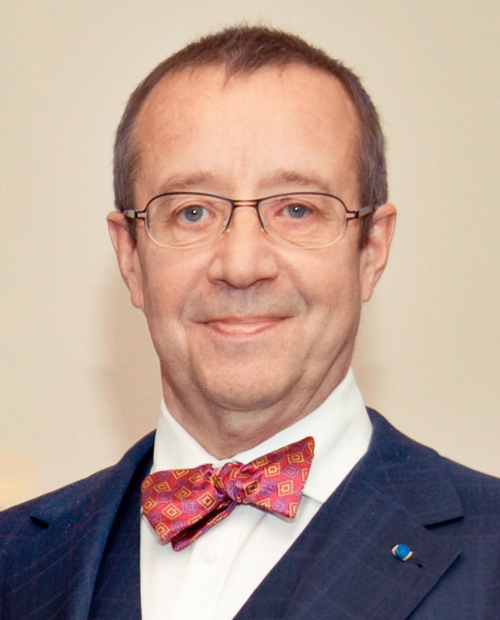
Noore teadlase preemia üleandmine Peeter Lauale. By Jelena Rudi - Presidendi kantselei / Office of the President, CC BY-SA 3.0, https://commons.wikimedia.org/w/index.php?curid=36319459
Apr 27, 2007 CE
Tallinn
Russians riot in Tallinn, Estonia, about moving the Bronze Soldier. Two nights of rioting left one dead. Cyber attacks launched against Estonia. Source — Wikipedia, "Timeline of Estonian history" (21st century):
Aug 1, 2011 CE
Toomas Hendrik Ilves
Toomas Hendrik Ilves is re-elected president for a second five-year term. Source — Wikipedia, "Timeline of Estonian history" (21st century):
Noore teadlase preemia üleandmine Peeter Lauale. By Jelena Rudi - Presidendi kantselei / Office of the President, CC BY-SA 3.0, https://commons.wikimedia.org/w/index.php?curid=36319459
Oct 10, 2016 CE
Kersti Kaljulaid
Kersti Kaljulaid was elected as the first female President of Estonia since independence. Source — Wikipedia, "Timeline of Estonian history" (21st century):
Kersti Kaljulaid By Unknown author, Public domain, https://commons.wikimedia.org/w/index.php?curid=1803491
Oct 11, 2021 CE
Alar Karis
Alar Karis was elected President of Estonia. Source — Wikipedia, "Timeline of Estonian history" (21st century):
Alar Karis By Unknown author, Public domain, https://commons.wikimedia.org/w/index.php?curid=1803491

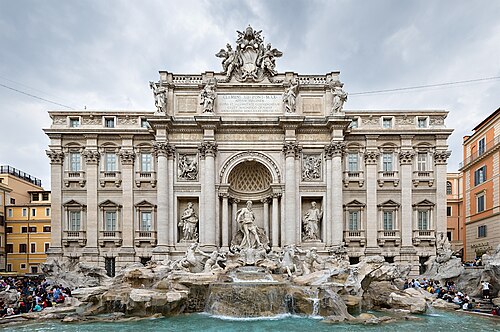
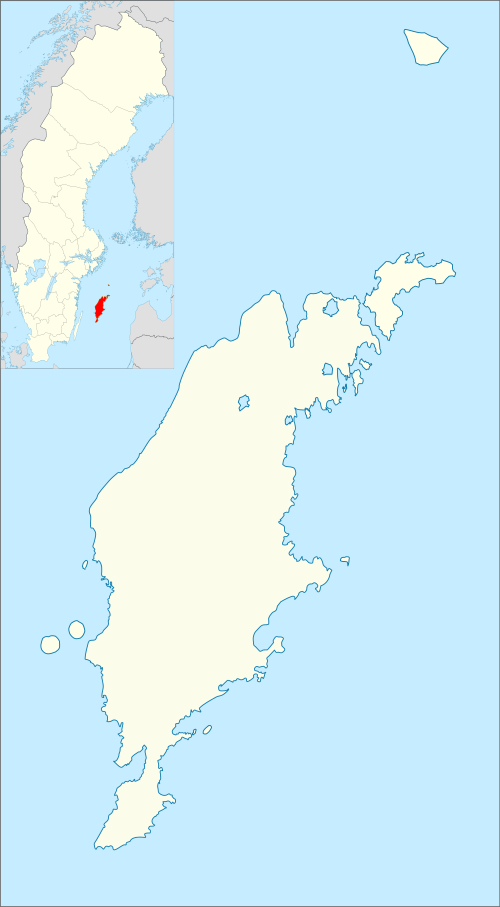


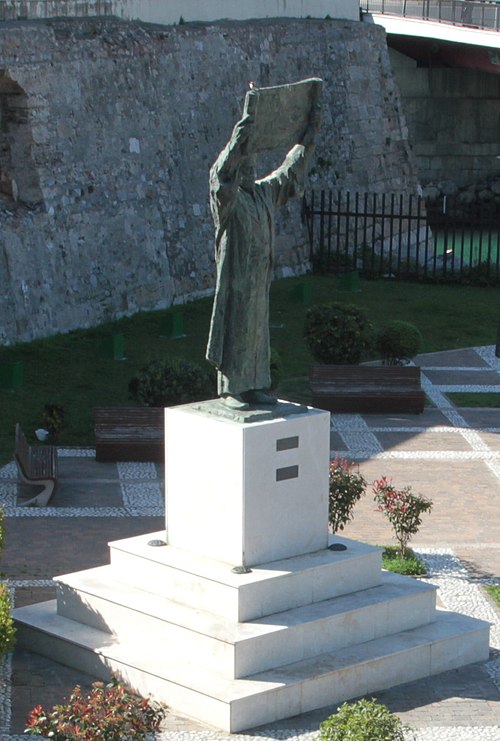


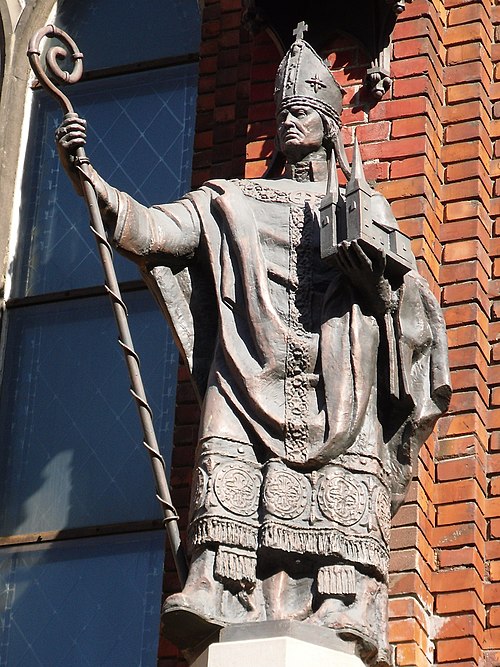


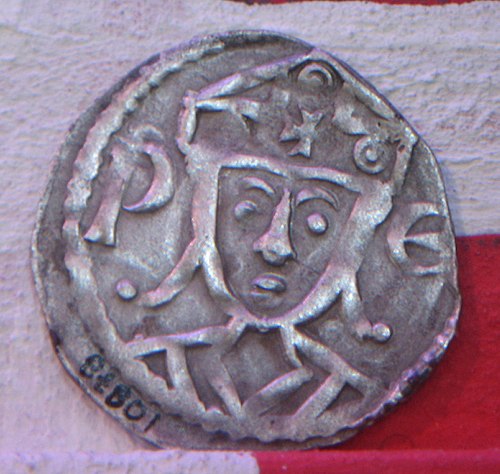
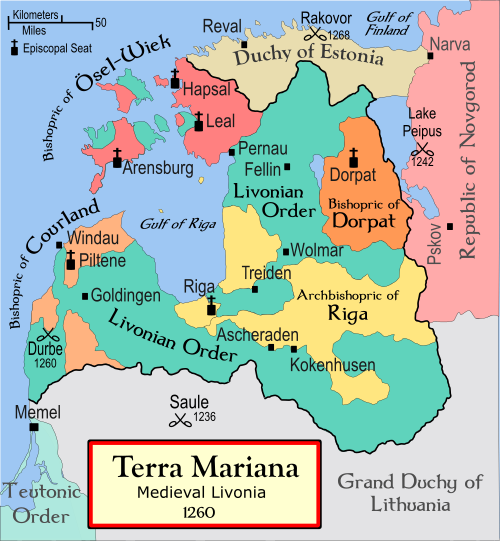


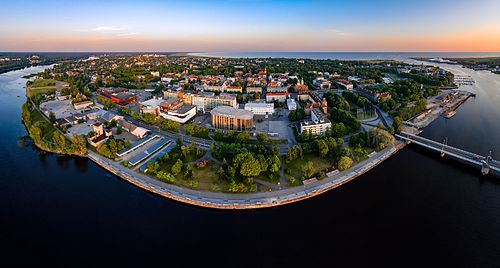


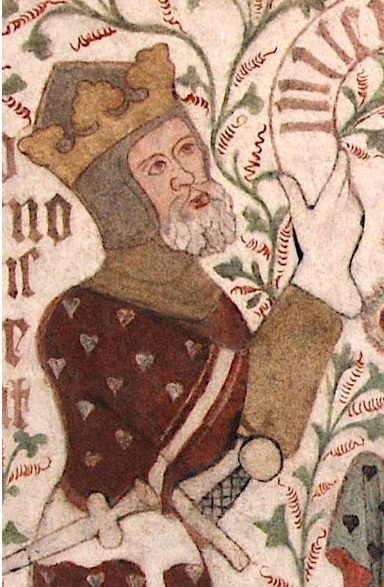

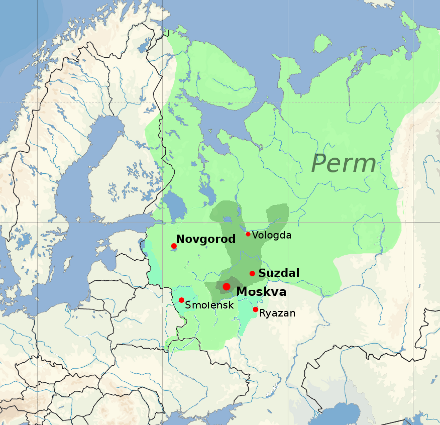


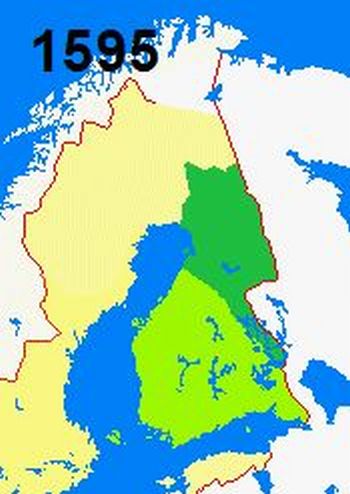


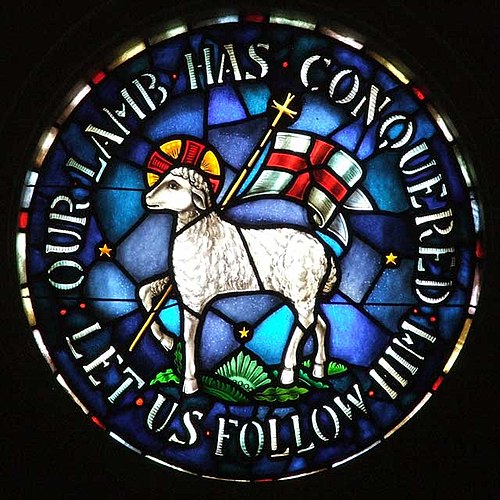

![Medieval illustration of men harvesting wheat with reaping-hooks or sickles, on a calendar page for August. Queen Mary's Psalter (Ms. Royal 2. B. VII), c. 1310, fol. 78v[1].](https://upload.wikimedia.org/wikipedia/commons/thumb/6/61/Reeve_and_Serfs.jpg/500px-Reeve_and_Serfs.jpg)


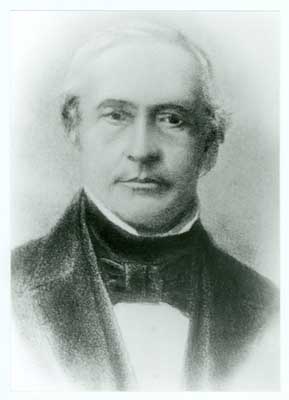


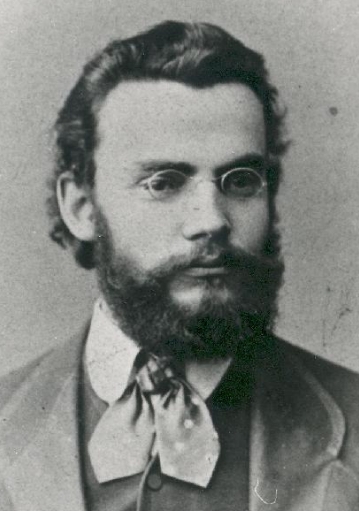


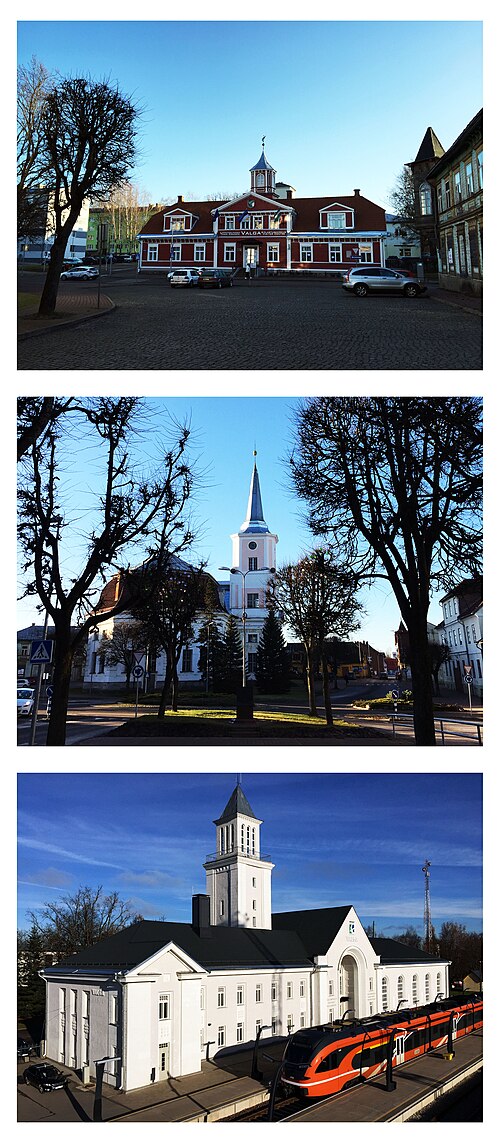


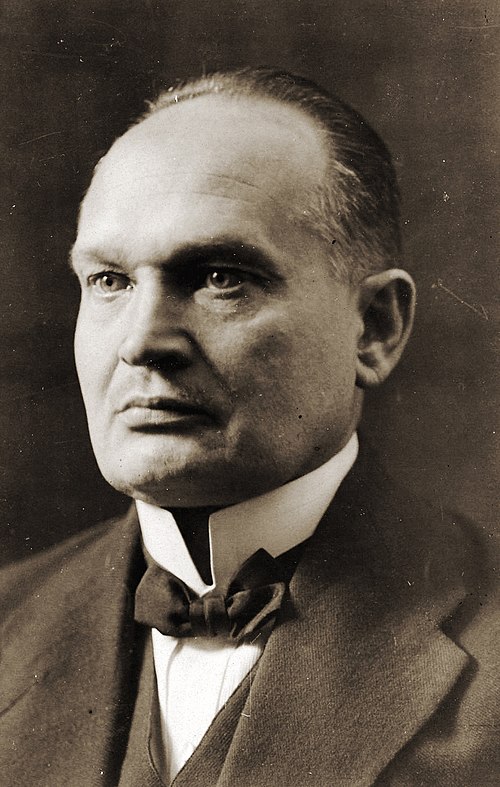


![Flag of Latvia. Section 2. Description of the National Flag of Latvia The national flag of Latvia is carmine with a white horizontal stripe. The red-white-red stripe ratio of the national flag of Latvia is 2:1:2. The width to length ratio of the National flag of Latvia is 1:2. The red-white-red ratio of the national flag of Latvia, as well as the width to length ratio irrespective of the dimensions of the flag, shall conform to the sample indicated in Annex 1 to this Law. The national flag of Latvia is a Latvian State symbol.[1] If the national flag of Latvia or the pennant of the national flag of Latvia is made from a textile, the carmine colour thereof shall conform with the Pantone Textile Colour System 19-1629 TPX or 19-1629 TC Colour Code. The 27 November 2018 amendment, which came into force 1 January 2019, states that non-fabric flags, as well as representations produced using other techniques (including digital representations), use Pantone 201 C. [2]](https://upload.wikimedia.org/wikipedia/commons/thumb/8/84/Flag_of_Latvia.svg/500px-Flag_of_Latvia.svg.png)