Encyclopedia/3. History, Societies & Civilizations/09. Modern Nations/09. Southeast Asia • Curated by Admin Timeline.sg
History of Malaysia, sourced from Wikipedia's "Timeline of Malaysian history".
Chronological Storyline (216 Milestones)
40 BCE
Niah Caves
The earliest evidence of modern human habitation in Malaysia is a skull excavated from the Niah Caves from this time period. Source — Wikipedia, "Timeline of Malaysian history" (Prehistory):
The entrance to the main cave at Niah Caves National Park, Miri, Sarawak, East Malaysia. By Starlightchild - Own work, CC BY-SA 3.0, https://commons.wikimedia.org/w/index.php?curid=15548430
11 BCE
Lenggong
Perak Man: The oldest complete skeleton found in Malaysia was dated to this time. Source — Wikipedia, "Timeline of Malaysian history" (Prehistory):
Photo of Lenggong By L joo at English Wikipedia - Transferred from en.wikipedia to Commons by Olivier2 using CommonsHelper., Public domain, https://commons.wikimedia.org/w/index.php?curid=12728803
1 BCE
Homo erectus
Hand axes from early hominids, probably Homo erectus, have been unearthed in Lenggong, making them some of the oldest evidence of hominid habitation in Southeast Asia. Source — Wikipedia, "Timeline of Malaysian history" (Prehistory):
The holotype of Homo erectus as published by Dubois in Anonymous (1893), consisting of A) the molar Trinil 1, B) the calotte Trinil 2, and C) the femur Trinil 3. By Eduard Pop et al. - https://doi.org/10.1016/j.jhevol.2024.103516, CC BY 4.0, https://commons.wikimedia.org/w/index.php?curid=157471223
200 CE
Hinduism
The ancient Hindu Malay kingdom of Langkasuka was founded by Merong Mahawangsa, a descendant of Alexander the Great or Dhu al-Qarnayn. Source — Wikipedia, "Timeline of Malaysian history" (2nd century):
SVG version of Icon-religion.png, containing icons of various religions including Hinduism, Buddhism, Jainism, Sikhism, Judaism, Christianity, and Islam. By Nancystodd - Own work; svg version of png file , composed by Shiva., Public domain, https://commons.wikimedia.org/w/index.php?curid=108649282
400 CE
Kedah Tua
The emergence of the Kedah Tua civilization began with the involvement of the community in Guar Kepah conducting trade with foreign traders in Sungai Mas. The center of the civilization was in Sungai Mas and Pangkalan Bujang. Source — Wikipedia, "Timeline of Malaysian history" (4th century):
Kedah Tua By Unknown author - This file is from the Mechanical Curator collection, a set of over 1 million images scanned from out-of-copyright books and released to Flickr Commons by the British Library. View image on Flickr View all images from book View catalogue entry for book., Public domain, https://commons.wikimedia.org/w/index.php?curid=34727484
630 CE
Hindu
The Hindu Malay Kingdom of Kedah was founded by Maharaja Derbar Raja of Persia. Source — Wikipedia, "Timeline of Malaysian history" (7th century):
Halftone, Divided back, 13.90 x 8.90 cm. This image by the Indian painter M.V. Dhurandhar manages to convey a real sense of personality and drama to the situation through the face and gesture of the priest. Sent to Miss C. Blackwood, R.D. Route No. 11, Corry, Pennsylvania, USA, and postmarked Feb. 27, 1909 in Bombay: "I got Malaria fever the last time I was here, hope to have better luck this trip, it is a most depressing illness, John." By M.V. Dhurandhar [signed ]Unknown Publisher - https://www.paperjewels.org/postcard/puran-reading-temple, CC BY 4.0, https://commons.wikimedia.org/w/index.php?curid=117143050
671 CE
Yijing
Yijing visited Kedah and Srivijaya on his way to India from China. Source — Wikipedia, "Timeline of Malaysian history" (7th century):
An artist impression of Yi Jing 义净(635~713), Tang dynasty Buddhist monk. By User:L joo - http://en.wikipedia.org/wiki/Image:Yi_Jing.JPG, Public domain, https://commons.wikimedia.org/w/index.php?curid=798597
682 CE
Yijing
Yijing returned to Kedah and Srivijaya on his way back from India to China. He described the Malays as having high status in controlling the economy and its kingdom's entry points. Source — Wikipedia, "Timeline of Malaysian history" (7th century):
An artist impression of Yi Jing 义净(635~713), Tang dynasty Buddhist monk. By User:L joo - http://en.wikipedia.org/wiki/Image:Yi_Jing.JPG, Public domain, https://commons.wikimedia.org/w/index.php?curid=798597
700 CE
Malay Peninsula
The Malay Peninsula fell under the dominance of the Buddhist Malay Srivijaya, based in Palembang. Source — Wikipedia, "Timeline of Malaysian history" (7th century):
Gambar Memenanjung Malaka By Dino Eri - Own work, CC BY-SA 4.0, https://commons.wikimedia.org/w/index.php?curid=119180205
750 CE
Srivijaya
Srivijaya attacked Langkasuka and conquered the kingdom. Source — Wikipedia, "Timeline of Malaysian history" (8th century):
Maximum extent of Srivijaya Empire around 8th century. Expanding from Sumatra, Central Java, to Malay Peninsula. The red arrows show the series of Srivijayan expedition and conquest, in diplomatic alliances, military campaign, or naval raids. By Gunawan Kartapranata - Own work by uploader,redrawed from Munoz "Early Kingdoms of the Indonesian Archipelago and the Malay Peninsula" page 128, CC BY-SA 3.0, https://commons.wikimedia.org/w/index.php?curid=7662386
775 CE
Srivijaya
The king of Srivijaya married a princess of Langkasuka and made Ligor his capital. Source — Wikipedia, "Timeline of Malaysian history" (8th century):
Maximum extent of Srivijaya Empire around 8th century. Expanding from Sumatra, Central Java, to Malay Peninsula. The red arrows show the series of Srivijayan expedition and conquest, in diplomatic alliances, military campaign, or naval raids. By Gunawan Kartapranata - Own work by uploader,redrawed from Munoz "Early Kingdoms of the Indonesian Archipelago and the Malay Peninsula" page 128, CC BY-SA 3.0, https://commons.wikimedia.org/w/index.php?curid=7662386
850 CE
Gangga Negara
Gangga Negara defended its sovereignty from a Srivijaya invasion. Source — Wikipedia, "Timeline of Malaysian history" (9th century):
1922年英屬馬來亞區劃 By Lilauid (talk · contribs) - This vector image includes elements that have been taken or adapted from this file:, CC BY-SA 4.0, https://commons.wikimedia.org/w/index.php?curid=153419997
890 CE
Kota Gelanggi
Klang Kio attacked and defeated Gangga Negara but withdrew after its ruler, Bolaputra, married a princess of Gangga Negara. Source — Wikipedia, "Timeline of Malaysian history" (9th century):
Sujet : Asie Couverture : Monde Langue : français français By Sanson, Nicolas (1600-1667). Cartographe Idrīsī, Muḥammad ibn Muḥammad al-Šarīf Abū ʿAbd Allâh al- (1100?-1165?). Auteur adapté Peyrounin, Abraham (1620-1666). Graveur - Bibliothèque nationale de France, Public domain, https://commons.wikimedia.org/w/index.php?curid=160816508
1025 CE
Chola invasion of Srivijaya
A Chola army invasion from southern India weakened trade in Kedah and Gangga Negara. Source — Wikipedia, "Timeline of Malaysian history" (11th century):
Chola Empire at its apex under Rajendra Chola I c.1030 By Nikel3012 - Map showing the extent of the Chola empire during Rajendra Chola I (c. 1030 CE) per http://cw.routledge.com/textbooks/9780415485432/15.asp "THE CŌḶAS" by K. A. Nilakanta Sastri and other histories of South Asia consulted. The file has several changes from the original. The map is corrected to show areas of influence and direct control in Sri Lanka. Correction was based on the work of Spencer, G. (1976). The Politics of Plunder: The Cholas in Eleventh-Century Ceylon. The Journal of Asian Studies, 35(3), 405-419. doi:10.2307/2053272. The correction about the Chola influence in Malay areas is based on https://archive.org/details/earlykingdomsofi0000muno/page/118/mode/2up The influence added the area of Lamuri based on the Tanjore inscription. Andaman is deleted leaving only Nicobar (information on Tanjore inscription)., CC0, https://commons.wikimedia.org/w/index.php?curid=150869169
1100 CE
The Melano Kingdom was founded by
The Melano Kingdom was founded by Tugau near Sungai Retus. Source — Wikipedia, "Timeline of Malaysian history" (11th century):
1136 CE
Sultan Mudzafar Shah I
Phra Ong Mahawangsa converted to Islam and founded the Kedah Sultanate, ending the practice of Hinduism in the dynasty. Source — Wikipedia, "Timeline of Malaysian history" (12th century):
The Kaabah (Kaaba) is located in the Masjid Al-Haram in Makkah (Mecca, Saudi Arabia). This photo was taken during the 2018 Hajj Season. Performing hajj is one of the pillars of Islam and required once for those who can afford to do it. Here the hajj pilgrims are performing the 'tawaf' around the Kaabah. By Adli Wahid Minor modifications made by Basile Morin, from the original version. - File:The Kaaba during Hajj.jpg, CC BY-SA 4.0, https://commons.wikimedia.org/w/index.php?curid=157575049
1245 CE
Sang Sapurba
Sang Sapurba, a legendary ancestor of significant dynasties in the Malay world and descendant of Alexander the Great or Dhul-Qarnayn, entered into a sacred covenant with Demang Lebar Daun, the ruler of Palembang, and subsequently laid the basis of the relationship between the Malay rulers and subjects. Source — Wikipedia, "Timeline of Malaysian history" (13th century):
Map of Malay world and areas historically influenced by Malay culture. By Runebox80 - Own work, CC BY-SA 4.0, https://commons.wikimedia.org/w/index.php?curid=79589640
1260 CE
Minangkabau people
Minangkabau people journeyed to the Malay Peninsula. Source — Wikipedia, "Timeline of Malaysian history" (13th century):
Bendera Kerajaan Pagaruyung By RahmatdenasMuffin Wizard This W3C-unspecified vector image was created with Inkscape . - Own work, Flag of Pagaruyung Kingdom ::, Public domain, https://commons.wikimedia.org/w/index.php?curid=16118309
1280 CE
Sukhothai Kingdom
Siamese begun to occupy the northern Malay Peninsula. Negara Sri Dharmaraja and Patani, became Siamese vassals. Source — Wikipedia, "Timeline of Malaysian history" (13th century):
Map of the Sukhothai Kingdom at its greatest extent during the late 13th century under the reign of King Ramkhamhaeng according to the Ram Khamhaeng Inscription. The coastlines reflect the era-accurate coastline. By Ubs6u!d-pongsakorn - Own work, CC BY-SA 4.0, https://commons.wikimedia.org/w/index.php?curid=176057637
1299 CE
Kingdom of Singapura
Kingdom of Singapura was founded by Sang Nila Utama, a son of Sang Sapurba. Source — Wikipedia, "Timeline of Malaysian history" (13th century):
A survey map of Singapore showing the old lines of Singapore; the Singapore River; and Rocky Point, where the ancient sandstone slab which the Singapore Stone is a fragment of once stood. By Unknown authorUnknown author. - Uploaded by Jacklee on 22 November 2007., Public domain, https://commons.wikimedia.org/w/index.php?curid=3127525
1303 CE
Islam
Islam reached Terengganu, proven by the discovery of the Terengganu Inscription Stone in Kuala Berang. This is the earliest evidence of Jawi writing in Malay. Source — Wikipedia, "Timeline of Malaysian history" (14th century):
The Kaabah (Kaaba) is located in the Masjid Al-Haram in Makkah (Mecca, Saudi Arabia). This photo was taken during the 2018 Hajj Season. Performing hajj is one of the pillars of Islam and required once for those who can afford to do it. Here the hajj pilgrims are performing the 'tawaf' around the Kaabah. By Adli Wahid Minor modifications made by Basile Morin, from the original version. - File:The Kaaba during Hajj.jpg, CC BY-SA 4.0, https://commons.wikimedia.org/w/index.php?curid=157575049
1330 CE
Wang Dayuan
The Chinese traveler Wang Dayuan visited Singapura and recorded an attack by Siam, recording it alongside Long Ya Men and Ban Zu. Source — Wikipedia, "Timeline of Malaysian history" (14th century):
A survey map of Singapore showing the old lines of Singapore; the Singapore River; and Rocky Point, where the ancient sandstone slab which the Singapore Stone is a fragment of once stood. By Unknown authorUnknown author. - Uploaded by Jacklee on 22 November 2007., Public domain, https://commons.wikimedia.org/w/index.php?curid=3127525
1360 CE
Kingdom of Singapura
Singapura Kingdom attacked and was defeated by the Hindu Buddhist Javanese Kingdom of Majapahit. Source — Wikipedia, "Timeline of Malaysian history" (14th century):
A survey map of Singapore showing the old lines of Singapore; the Singapore River; and Rocky Point, where the ancient sandstone slab which the Singapore Stone is a fragment of once stood. By Unknown authorUnknown author. - Uploaded by Jacklee on 22 November 2007., Public domain, https://commons.wikimedia.org/w/index.php?curid=3127525
1362 CE
Badang
Badang, a legendary Malay strongman, was elected as the Hulubalang of Singapura. Source — Wikipedia, "Timeline of Malaysian history" (14th century):
Drawing of Badang by Ghazali Ngah Azia By Malayan Law - Own work, CC BY-SA 4.0, https://commons.wikimedia.org/w/index.php?curid=118229708
1363 CE
Brunei Sultanate
The Brunei Sultanate was established when the Sultan of Brunei married a princess of Singapura and converted to Islam. Source — Wikipedia, "Timeline of Malaysian history" (14th century):
Flag of Brunei Darussalam By Nightstallion - From the Open Clip Art website. Public domainPublic domainfalsefalse This image of a flag is ineligible for copyright and therefore in the public domain, because it consists entirely of information that is common property and contains no original authorship. For more information, see Commons:Threshold of originality § Logos and flags. Deutsch ∙ English ∙ español ∙ français ∙ हिन्दी ∙ 日本語 ∙ português ∙ slovenščina ∙ 中文(简体) ∙ +/− Flag Insignia This image shows a flag, a coat of arms, a seal or some other official insignia. The use of such symbols is restricted in many countries. These restrictions are independent of the copyright status., Public domain, https://commons.wikimedia.org/w/index.php?curid=433208
1398 CE
Parameswara
Parameswara, a prince of Srivijaya and the last king of Singapura fled from the Singapura. Source — Wikipedia, "Timeline of Malaysian history" (14th century):
A portrait of Parameswara (also known as Sultan Iskandar Shah, 1344–1414), a Hindu-Buddhist prince from Palembang who founded Singapore ("Singapura") then Malacca around 1400. By L joo. - Own work; transferred from English Wikipedia., Public domain, https://commons.wikimedia.org/w/index.php?curid=3911857
1400 CE
Malacca Sultanate
Malacca Kingdom was founded by Parameswara, the last king of Singapura. Source — Wikipedia, "Timeline of Malaysian history" (15th century):
The historical map of Malacca Sultanate (1402–1511) Malay Peninsula and East Coast of Sumatra. Made and improved based on "Atlas Sejarah Indonesia dan Dunia" (The Atlas of Indonesian and World History), PT Pembina Peraga Jakarta 1996. By Gunawan Kartapranata - Own work, CC BY-SA 3.0, https://commons.wikimedia.org/w/index.php?curid=16975908
1403 CE
Chen Cheng
Chinese admiral Yin Ching reached Malacca, and established diplomatic ties between China and Malacca. Source — Wikipedia, "Timeline of Malaysian history" (15th century):
Some of the major long-distance military-diplomatic expeditions of the Yongle and Xuande reigns of the Ming Dynasty (1402-1435). BLACK: Route of the 7th expedition of Zheng He's fleet (1431-1433). Solid line: the route of the main fleet from Nanjing to Hormuz, as described in Xia Xiyang (下西洋). Dashed line: a possible route of Hong Bao's squadron, to Bengal, Arabia and Africa, based on suggestions made in Dreyer (2007) (who uses Ma Huan's Ying-yai Sheng-lan (瀛涯胜览), Ming shi and other sources. Dotted line: travel of 7 Chinese explorers, on an Indian (or Arab? vessel) and by caravan from Calicut to Mecca and Medina. Red circles: cities thought to have been visited by the fleets of Zheng He, or the elements of the fleet, on the 7th and/or earlier voyages. Green circles: important places in the biography of Zheng He, and Arabian cities visited by Ma Huan. The previous 6 expeditions went along similar routes (the first 3, only to Calicut; 3rd through 6th, to Hormuz and other points in Africa/Arabia). BLUE: Yishiha's expeditions from Jilin down the Sungari and the Amur to Tyr (Telin) (1411-1426) GREEN: Approximate route of Chen Cheng, an envoy to the Timurid Empire (1414, 1416, 1420) Sources: The main source for Zheng He routes: chapter on the last expedition of Zheng He in: Dreyer E. L., Zheng He: China and the Oceans in the Early Ming Dynasty, 1405-1433. — Longman, 2007. — 256 p. — (Library of World Biography Series). — ISBN 0321084438. The cities in Bengal are given as per : Barbosa, Duarte & Dames, Mansel Longworth (1996), An Account Of The Countries Bordering On The Indian Ocean And Their Inhabitants; Written By Duarte Barbosa And Completed About The Year 1518 A.D. Vol 1: Including The Coasts Of East Africa, Arabia, Persia And Western India As Far As The Kingdom Of Vijayanagar. Vol. Ii: Including The Coasts Of Malabar, Eastern India, Further India, China And The Indian Archipelago., Asian Educational Services, pp. 138-139, ISBN 8120604512 The routes of Yishiha and Chen Cheng are based on the descriptions in the articles "Isiha" and "Ch'en Ch'eng" in: Goodrich, L. Carrington; Fang, Chaoying, eds. (1976), Dictionary of Ming Biography, 1368–1644. Volume I (A-L), Columbia University Press, pp. 685–686, ISBN 0-231-03801-1 By Vmenkov, based on the blank map File:Asie.svg (ver. 1) by User:Historicair - Own work, CC BY 1.0, https://commons.wikimedia.org/w/index.php?curid=11276910
1409 CE
Zheng He
Chinese admiral Cheng Ho reached Malacca, strengthening diplomatic ties between China and Malacca. Source — Wikipedia, "Timeline of Malaysian history" (15th century):
This is a photo of a monument in Malaysia, identified by ID By Marcin Konsek - Own work, CC BY-SA 4.0, https://commons.wikimedia.org/w/index.php?curid=51927875
1414 CE
Malacca Sultanate
Malacca established diplomatic ties with Pasai, when Megat Iskandar Shah married a princess of Pasai and converted to Islam. Source — Wikipedia, "Timeline of Malaysian history" (15th century):
The historical map of Malacca Sultanate (1402–1511) Malay Peninsula and East Coast of Sumatra. Made and improved based on "Atlas Sejarah Indonesia dan Dunia" (The Atlas of Indonesian and World History), PT Pembina Peraga Jakarta 1996. By Gunawan Kartapranata - Own work, CC BY-SA 3.0, https://commons.wikimedia.org/w/index.php?curid=16975908
1444 CE
Hang Tuah
Hang Tuah, the legendary Malaccan Laksamana, was born in Malacca. Source — Wikipedia, "Timeline of Malaysian history" (15th century):
Artwork depicting Hang Tuah at National Museum of Malaysia (Muzium Negara) By Chainwit. - Own work, CC BY-SA 4.0, https://commons.wikimedia.org/w/index.php?curid=118080361
1445 CE
Tun Perak
Tun Perak, the Penghulu of Klang, lead the Malaccan army to victory by defeating Siamese invaders in Muar. Source — Wikipedia, "Timeline of Malaysian history" (15th century):
Artis'st depiction of Tun Perak, Malacca Sultanate Palace Museum By Orhanghazi - Own work, taken at Malacca Sultanate Palace Museum, CC BY-SA 3.0, https://commons.wikimedia.org/w/index.php?curid=30787175
1450 CE
Sharif ul-Hāshim of Sulu
Sharif ul-Hashim arrived in Sulu from Malacca, married a daughter of Raja Baginda, and founded the Sultanate of Sulu. Source — Wikipedia, "Timeline of Malaysian history" (15th century):
Sulu Provincial Capitol, Asturias, Jolo, Sulu By Patrickroque01 - Taken using my own camera, CC-BY-SA-4.0, https://en.wikipedia.org/w/index.php?curid=75215502
1451 CE
Malacca Sultanate
Malacca became the center of Islam in southeast Asia. Source — Wikipedia, "Timeline of Malaysian history" (15th century):
The historical map of Malacca Sultanate (1402–1511) Malay Peninsula and East Coast of Sumatra. Made and improved based on "Atlas Sejarah Indonesia dan Dunia" (The Atlas of Indonesian and World History), PT Pembina Peraga Jakarta 1996. By Gunawan Kartapranata - Own work, CC BY-SA 3.0, https://commons.wikimedia.org/w/index.php?curid=16975908
1456 CE
Tun Perak
Tun Perak lead the Malaccan army to victory by defeating Siamese invaders in Batu Pahat. He was made Bendahara of Malacca. Source — Wikipedia, "Timeline of Malaysian history" (15th century):
Artis'st depiction of Tun Perak, Malacca Sultanate Palace Museum By Orhanghazi - Own work, taken at Malacca Sultanate Palace Museum, CC BY-SA 3.0, https://commons.wikimedia.org/w/index.php?curid=30787175
1459 CE
Ming China
Emperor of China sent his daughter Hang Li Po and 500 followers as a gift to Sultan Mansur Shah. Sultan Mansur Shah established Bukit Cina as a settlement for the Chinese. Source — Wikipedia, "Timeline of Malaysian history" (15th century):
Detail of the Ming Empire (yellow) under the Yongle Emperor in the year 1415 For a guide to typography, symbols, etc., see "HCAC Scripts Symbols & Abbreviations.jpg". By Albert Herrmann Creator:Q1509115 & Georg Westermann - Historical and Commercial Atlas of China, Public domain, https://commons.wikimedia.org/w/index.php?curid=158240988
1463 CE
Malacca Sultanate
Malacca established diplomatic ties with Ryukyu. Ryukyu traders were respected in Malacca. Source — Wikipedia, "Timeline of Malaysian history" (15th century):
The historical map of Malacca Sultanate (1402–1511) Malay Peninsula and East Coast of Sumatra. Made and improved based on "Atlas Sejarah Indonesia dan Dunia" (The Atlas of Indonesian and World History), PT Pembina Peraga Jakarta 1996. By Gunawan Kartapranata - Own work, CC BY-SA 3.0, https://commons.wikimedia.org/w/index.php?curid=16975908
1470 CE
Tun Perak
Tun Besar, a son of Tun Perak was killed because he had accidentally displaced Raja Muhammad's destar, a prince of Malacca. Source — Wikipedia, "Timeline of Malaysian history" (15th century):
Artis'st depiction of Tun Perak, Malacca Sultanate Palace Museum By Orhanghazi - Own work, taken at Malacca Sultanate Palace Museum, CC BY-SA 3.0, https://commons.wikimedia.org/w/index.php?curid=30787175
Sep 11, 1509 CE
Diogo Lopes de Sequeira
Diogo Lopes de Sequeira, the first European to reach the Far East, arrived in Malacca. Source — Wikipedia, "Timeline of Malaysian history" (16th century):
Portrait of Diogo Lopes de Sequeira (Archaeological Survey of India, Goa) By Sailko - This file was derived from: Goa vecchia, museo archeologico, ritratti dei governatori portoghesi, 02 diego lopes de sequeira, 1518-1522.jpg, CC BY 3.0, https://commons.wikimedia.org/w/index.php?curid=194423369
Aug 24, 1511 CE
Malacca Sultanate
Malacca came under Portuguese rule after falling to an army led by Alfonso de Albuquerque. Source — Wikipedia, "Timeline of Malaysian history" (16th century):
The historical map of Malacca Sultanate (1402–1511) Malay Peninsula and East Coast of Sumatra. Made and improved based on "Atlas Sejarah Indonesia dan Dunia" (The Atlas of Indonesian and World History), PT Pembina Peraga Jakarta 1996. By Gunawan Kartapranata - Own work, CC BY-SA 3.0, https://commons.wikimedia.org/w/index.php?curid=16975908
1512 CE
Fortress of Malacca
Fortress of Malacca, the oldest European architectural remains in the Far East, was built in Malacca. Source — Wikipedia, "Timeline of Malaysian history" (16th century):
A Famosa, Melaka City, Melaka, Malaysia By Chongkian - Own work, CC BY-SA 4.0, https://commons.wikimedia.org/w/index.php?curid=43021772
Apr 21, 1521 CE
Magellan Expedition
The Magellan Expedition was received with hostility by the Mactan natives, led by Lapu-Lapu. Panglima Awang was believed to have left Mactan and made his way back to the Malay Peninsula, becoming the first person in recorded history to circumnavigate the world. Source — Wikipedia, "Timeline of Malaysian history" (16th century):
Detail from a map of Ortelius: Magellan's ship Victoria By Abraham Ortelius - www.helmink.com(Archive: https://web.archive.org/web/20170203125700/http://www.helmink.com/Antique_Map_Ortelius_Pacific/), Public domain, https://commons.wikimedia.org/w/index.php?curid=1593812
1522 CE
Malay language
The first Malay-Italian dictionary was compiled by Antonio Pigafetta, who accompanied Ferdinand Magellan around the globe. The dictionary contains about 426 words related to trade in the Moluccas. Source — Wikipedia, "Timeline of Malaysian history" (16th century):
Hukum Kanun Melaka (manuskrip asal). Dipamerkan di Balairong Seri, Istana Negara Lama, Jalan Istana, 50566 Kuala Lumpur. By Kerina yin at Malay Wikipedia - Own work, CC BY-SA 3.0, https://commons.wikimedia.org/w/index.php?curid=37870089
1528 CE
Johor Sultanate
Johor Sultanate was founded by Raja Alauddin, son of Mahmud Shah, the last king of Malacca. Source — Wikipedia, "Timeline of Malaysian history" (16th century):
Partition of the Johor Empire prior and after the Anglo-Dutch Treaty of 1824 between the 18th-19th centuries. Under British influence: Johor Sultanate Pahang Kingdom Singapore Under Dutch influence: Indragiri Sultanate Riau-Lingga Sultanate By Molecule Extraction - Redrawn from www.zum.de, CC BY-SA 4.0, https://commons.wikimedia.org/w/index.php?curid=65863319
1540 CE
Rembau
Luak Rembau is founded. Source — Wikipedia, "Timeline of Malaysian history" (16th century):
The town centre of Rembau, Negeri Sembilan, Malaysia. By AyyanD - Own work, CC BY-SA 4.0, https://commons.wikimedia.org/w/index.php?curid=129762447
1545 CE
Francis Xavier
Francis Xavier arrived in Malacca and devoted his life to missions in Asia, especially in Malacca and Maluku Islands. Source — Wikipedia, "Timeline of Malaysian history" (16th century):
Franz Xaver By Unknown author - 『中公バックス 日本の歴史 別巻2 図録 鎌倉から戦国』より。, Public domain, https://commons.wikimedia.org/w/index.php?curid=1262310
1547 CE
Francis Xavier
Francis Xavier met a Japanese man named Anjirō who had traveled from Kagoshima to Malacca to meet him and become the first Japanese Christian. Source — Wikipedia, "Timeline of Malaysian history" (16th century):
Franz Xaver By Unknown author - 『中公バックス 日本の歴史 別巻2 図録 鎌倉から戦国』より。, Public domain, https://commons.wikimedia.org/w/index.php?curid=1262310
1548 CE
Francis Xavier
Francis Xavier established a school on the premises of the chapel known as Church of Saint Paul. Source — Wikipedia, "Timeline of Malaysian history" (16th century):
Franz Xaver By Unknown author - 『中公バックス 日本の歴史 別巻2 図録 鎌倉から戦国』より。, Public domain, https://commons.wikimedia.org/w/index.php?curid=1262310
1563 CE
Siti Wan Kembang
Kota Jelasin was built for Cik Siti Wan Kembang and her adopted daughter, Puteri Saadong. Source — Wikipedia, "Timeline of Malaysian history" (16th century):
1577 CE
Aceh Sultanate
Sultan Mansur Shah was abducted by the Acehnese forces. Acehnese forces captured the Sultan's widow and children and brought them back to Aceh. Source — Wikipedia, "Timeline of Malaysian history" (16th century):
Flag of Aceh Sultanate By MapGrid (old version SKopp, Zscout370 and Ranking Update) - Own work, Public domain, https://commons.wikimedia.org/w/index.php?curid=65330897
1578 CE
Castilian War
Castilian War: War broke out between Brunei and Spain in Borneo and Mindanao. Source — Wikipedia, "Timeline of Malaysian history" (16th century):
Bruneian forces fighting Spanish forces in Borneo, Castilian War By Rozan Yunos but upscaled by Syazwi Irfan - https://sitbatan.blogspot.com/2013/02/spain-philippines-and-brunei-connection.html but upscaled with https://www.upscale.media/, CC BY-SA 4.0, https://commons.wikimedia.org/w/index.php?curid=148509165
1594 CE
Perak
Perak rotational succession system among members of the royal family began. Source — Wikipedia, "Timeline of Malaysian history" (16th century):
Flag of the Malaysian state of Perak By No machine-readable author provided. Urmas assumed (based on copyright claims). - sultan.perak.gov.my, Public domain, https://commons.wikimedia.org/w/index.php?curid=565424
1598 CE
Sultan of Brunei
Raja Tengah accepted the offer by the Sultan of Brunei to be the Sultan of Sarawak Source — Wikipedia, "Timeline of Malaysian history" (16th century):
Personal Emblem of the Sultan of Brunei By Heralder - Brunei. Hubert Herald, CC BY-SA 4.0, https://commons.wikimedia.org/w/index.php?curid=50343136
Feb 25, 1603 CE
Dutch people
Dutch led by Jacob van Heemskerk with the assistance of Johor, seized the Portuguese merchant vessel Santa Catarina off the coast of Singapore. Source — Wikipedia, "Timeline of Malaysian history" (17th century):
Flag of the Netherlands By Zscout370 - Own work, Public domain, https://commons.wikimedia.org/w/index.php?curid=363168
1612 CE
Sejarah Melayu
Sejarah Melayu was composed by Tun Sri Lanang, the Bendahara of Johor. Source — Wikipedia, "Timeline of Malaysian history" (17th century):
The frontispiece of a Jawi edition of the Sejerah Melayu or Malay Annals, a Malay literary work which is believed to have been commissioned in 1612 by the Regent of Johor, the Yang di-Pertuan Di Hilir Raja Abdullah (Raja Bongsu, later His Royal Highness Sultan Abdullah Mu'ayat Syah ibni Sultan Abdul Jalil Syah). It was compiled and edited by Tun Sri Lanang. By Unknown authorUnknown author. - Not stated by uploader., Public domain, https://commons.wikimedia.org/w/index.php?curid=12684239
1613 CE
Aceh Sultanate
Aceh attacked Johor in Batu Sawar. Tun Sri Lanang was captured and taken to Aceh. Source — Wikipedia, "Timeline of Malaysian history" (17th century):
Flag of Aceh Sultanate By MapGrid (old version SKopp, Zscout370 and Ranking Update) - Own work, Public domain, https://commons.wikimedia.org/w/index.php?curid=65330897
1614 CE
Pahang Sultanate
Pahang was ruled by Johor. Source — Wikipedia, "Timeline of Malaysian history" (17th century):
Sujet : Asie Couverture : Monde Langue : français français By Sanson, Nicolas (1600-1667). Cartographe Idrīsī, Muḥammad ibn Muḥammad al-Šarīf Abū ʿAbd Allâh al- (1100?-1165?). Auteur adapté Peyrounin, Abraham (1620-1666). Graveur - Bibliothèque nationale de France, Public domain, https://commons.wikimedia.org/w/index.php?curid=160816508
1635 CE
Raja Kuning
Raja Kuning of Patani married the Yang di-Pertuan Muda of Johor. Source — Wikipedia, "Timeline of Malaysian history" (17th century):
This is a photo of a monument in Thailand identified by the ID By K.Phothiwijit - Own work, CC BY-SA 3.0, https://commons.wikimedia.org/w/index.php?curid=35794972
1636 CE
Perak
Perak nobles turned to Sultan Iskandar Thani of Aceh who sent his relative, Raja Sulong, to be the sultan of Perak because the previous sultan died without an heir and many royal family members died due to an epidemic that swept through the sultanate. Raja Sulong was a prince of Siak and was not genealogically linked to Perak royalty on his father's side. Source — Wikipedia, "Timeline of Malaysian history" (17th century):
Flag of the Malaysian state of Perak By No machine-readable author provided. Urmas assumed (based on copyright claims). - sultan.perak.gov.my, Public domain, https://commons.wikimedia.org/w/index.php?curid=565424
1641 CE
Dutch Republic
Dutch, with the help from Johor, conquered Malacca from the Portuguese. Hikayat Hang Tuah was composed by an unknown writer from Johor after the Portuguese defeat in Malacca. Source — Wikipedia, "Timeline of Malaysian history" (17th century):
Prince's flag, orange, white, blue By Miyamaki, Oren neu dag, Artem Karimov, Golradir - SVG implementation of the Prinsenvlag., Public domain, https://commons.wikimedia.org/w/index.php?curid=816789
1644 CE
Asyik
Tarian Asyik was created to comfort the mourning Raja Kuning after the loss of her beloved bird. Source — Wikipedia, "Timeline of Malaysian history" (17th century):
1650 CE
Sultanate of Kelantan
Kelantan became a part of the Patani founded by Raja Sakti I. Source — Wikipedia, "Timeline of Malaysian history" (17th century):
Royal Standard of the Sultan of Kelantan (Sultan Muhammad V) By Aimanrasul - Own work, CC BY-SA 4.0, https://commons.wikimedia.org/w/index.php?curid=115916544
1653 CE
Muhyiddin Mansur Shah of Kedah
Kota Sena was established by Muhyiddin Mansur Shah as a capital of Kedah. Source — Wikipedia, "Timeline of Malaysian history" (17th century):
Flag of the Malaysian state of Kedah. SVG version. By Bukhrin at English Wikipedia - Transferred from en.wikipedia to Commons., Public domain, https://commons.wikimedia.org/w/index.php?curid=3827325
1660 CE
Bruneian Civil War of 1660
The Brunei Civil War began over a disagreement between the son of the Sultan of Brunei, Pengiran Muda Bongsu, and Pengiran Muda Alam, the son of Pengiran Abdul Mubin, over the results of a cockfight which Pengiran Muda Bungsu lost. Source — Wikipedia, "Timeline of Malaysian history" (17th century):
Territory in 1878 agreement between Sulu and British syndicate - Pandassan River (6.526386 N 116.502644 S) on the north west coast to Sibuco River (4.437895 N 117.603570 S) in the south. By Kawaputra (author of the KeningauLocationMap on Commons) - (Map line border referred based on source from British North Borneo company charter (page 4)), CC0, https://commons.wikimedia.org/w/index.php?curid=24989506
Sep 1, 1666 CE
Kedah Sultanate
Kedah was under Thai sovereignty. Source — Wikipedia, "Timeline of Malaysian history" (17th century):
Flag of the Malaysian state of Kedah. SVG version. By Bukhrin at English Wikipedia - Transferred from en.wikipedia to Commons., Public domain, https://commons.wikimedia.org/w/index.php?curid=3827325
1667 CE
Puteri Saadong
Puteri Saadong ruled the territory of Kota Jelasin. Source — Wikipedia, "Timeline of Malaysian history" (17th century):
1670 CE
Sultanate of Kelantan
Kelantan split into two, Kelantan Barat (center in Kota Kubang Labu) and Kelantan Timur (center in Kota Pangkalan Datu). Source — Wikipedia, "Timeline of Malaysian history" (17th century):
Royal Standard of the Sultan of Kelantan (Sultan Muhammad V) By Aimanrasul - Own work, CC BY-SA 4.0, https://commons.wikimedia.org/w/index.php?curid=115916544
1671 CE
Puteri Saadong
Puteri Saadong managed to heal the King Narai of Siam, who promised her freedom if she could cure his disease. Puteri Saadong returned to Kota Jelasin and killed her husband, Raja Abdullah, who had remarried another princess in her absence. Source — Wikipedia, "Timeline of Malaysian history" (17th century):
Statue of King Narai the great of Siam. By Clestur at English Wikipedia - Own work by the original uploader, CC BY 3.0, https://commons.wikimedia.org/w/index.php?curid=13557695
1673 CE
Johor Sultanate
Johor-Jambi war: Jambi attacked Johor in Johor Lama. Source — Wikipedia, "Timeline of Malaysian history" (17th century):
Partition of the Johor Empire prior and after the Anglo-Dutch Treaty of 1824 between the 18th-19th centuries. Under British influence: Johor Sultanate Pahang Kingdom Singapore Under Dutch influence: Indragiri Sultanate Riau-Lingga Sultanate By Molecule Extraction - Redrawn from www.zum.de, CC BY-SA 4.0, https://commons.wikimedia.org/w/index.php?curid=65863319
1679 CE
Johor Sultanate
Johor-Jambi war: Tun Abdul Jamil defeated Jambi, so ending the Johor-Jambi war. Source — Wikipedia, "Timeline of Malaysian history" (17th century):
Partition of the Johor Empire prior and after the Anglo-Dutch Treaty of 1824 between the 18th-19th centuries. Under British influence: Johor Sultanate Pahang Kingdom Singapore Under Dutch influence: Indragiri Sultanate Riau-Lingga Sultanate By Molecule Extraction - Redrawn from www.zum.de, CC BY-SA 4.0, https://commons.wikimedia.org/w/index.php?curid=65863319
1699 CE
Abdul Jalil Shah IV of Johor
Tun Abdul Jalil, the Bendahara of Johor was elected as the Sultan of Johor, after the dead of "Sultan Mahmud Mangkat Dijulang". Source — Wikipedia, "Timeline of Malaysian history" (17th century):
Flag of the Sultanate of Pahang from 1853 - 1887. By Ranking Update - Own work, draw from a list of historical Malaysian flag source, Public domain, https://commons.wikimedia.org/w/index.php?curid=36023394
1700 CE
Seremban
Luak Sungai Ujong was founded. Source — Wikipedia, "Timeline of Malaysian history" (18th century):
Dari rumah PRIMA By Shaqil Zikri - https://www.flickr.com/photos/203262685@N06/55260717235/, CC BY-SA 4.0, https://commons.wikimedia.org/w/index.php?curid=192173366
1701 CE
Malay language
First original Malay-English dictionary by Thomas Bowrey was printed in London. Source — Wikipedia, "Timeline of Malaysian history" (18th century):
Hukum Kanun Melaka (manuskrip asal). Dipamerkan di Balairong Seri, Istana Negara Lama, Jalan Istana, 50566 Kuala Lumpur. By Kerina yin at Malay Wikipedia - Own work, CC BY-SA 3.0, https://commons.wikimedia.org/w/index.php?curid=37870089
1704 CE
Bruneian Empire
Sultan of Brunei ceded the lands east of Marudu Bay to the Sultanate of Sulu. Source — Wikipedia, "Timeline of Malaysian history" (18th century):
Flag of Brunei before 1906 By The original uploader was at . (Original text : Orange Tuesday (talk)) - Transferred from en.wikipedia to Commons by man77. (Original text : Based on en:Image:Flag of Brunei.svg), Public domain, https://commons.wikimedia.org/w/index.php?curid=3876102
1708 CE
Terengganu Sultanate
Terengganu Sultanate was founded by Zainal Abidin I, son of Tun Habib Abdul Majid, the Bendahara of Johor. Source — Wikipedia, "Timeline of Malaysian history" (18th century):
Event | Hari Malaysia 2011 Gotcha! the closest I ever had.. Al-Wathiqu Billah, Tuanku Mizan Zainal Abidin Ibni Almarhum Sultan Mahmud Al-Muktafi Billah Shah. The 13th Yang di-Pertuan Agong of Malaysia. Today 16 September is declared a public holiday for Malaysia to commemorate the establishment of the Malaysian federation and marked the joining together of Malaya, North Borneo (Sabah) and Sarawak to form Malaysia as we call today is 'Hari Malaysia'. By Eshar - https://www.flickr.com/photos/esharkj/6287318207/in/photostream/, CC BY 2.0, https://commons.wikimedia.org/w/index.php?curid=24778510
1718 CE
Abdul Jalil Shah IV of Johor
Abdul Jalil Shah IV was overthrown by Raja Kecik from Siak and was supported by Minangkabau forces. Source — Wikipedia, "Timeline of Malaysian history" (18th century):
Bendera Kerajaan Pagaruyung By RahmatdenasMuffin Wizard This W3C-unspecified vector image was created with Inkscape . - Own work, Flag of Pagaruyung Kingdom ::, Public domain, https://commons.wikimedia.org/w/index.php?curid=16118309
1722 CE
Sulaiman Badrul Alam Shah of Johor
Raja Sulaiman, a son of Abdul Jalil Shah IV was overthrown by Raja Kecik with the help of five Bugis warrior – Daeng Parani, Daeng Marewah, Daeng Chelak, Daeng Menambun, and Daeng Kamasi. Source — Wikipedia, "Timeline of Malaysian history" (18th century):
Our first stop on our round-the-world adventure was Makassar on the Indonesian island of Sulawesi. Makassar, also still referred to by its former name Ujung Pandang, is not only an interesting place to visit in its own right, but was also the location of our friend's wedding, making it a special stop for us. In days of tradition and ritual mixed with glitz and glamor, from intimate ceremonies to a huge party to remember, here is a window into some of the Makassan and Bugis ethnic traditions we were lucky enough to witness and even be a part of. By Rejalobo - Own work, CC BY-SA 4.0, https://commons.wikimedia.org/w/index.php?curid=76765903
1750 CE
Seremban
Luak Teraci was founded, under the suzerainty of Sungai Ujong. Source — Wikipedia, "Timeline of Malaysian history" (18th century):
Dari rumah PRIMA By Shaqil Zikri - https://www.flickr.com/photos/203262685@N06/55260717235/, CC BY-SA 4.0, https://commons.wikimedia.org/w/index.php?curid=192173366
1757 CE
Temenggong Abdul Jamal
Tun Abdul Jamal was elected as the first Temenggong of Johor, direct ancestor to the House of Temenggong. Source — Wikipedia, "Timeline of Malaysian history" (18th century):
A fascinating discovery of a photograph of Dato' Temenggung Abu bakar Seri Maharaja, taken by Thomson’s Singapore studio in a carte-de-visite format around 1862–1865. This photograph is part of the collection of photographer John Thomson (1837–1921) at the National Library of Scotland, with another copy held at the Pitt Rivers Museum, University of Oxford. This is among the earliest known photographs depicting Temenggung Abu Bakar Daeng Ibrahim of Johore dressed in full Malay attire, complete with keris, destar (traditional Malay headgear), and capal (traditional sandals). Credit info: Izmal Karim By John Thomson (1837-1921) - National Library of Scotland, CC0, https://commons.wikimedia.org/w/index.php?curid=175261466
1762 CE
Long Yunus, a prince from Kota
Long Yunus, a prince from Kota Kubang Labu, succeeded in uniting both Kelantan Barat and Kelantan Timur. Source — Wikipedia, "Timeline of Malaysian history" (18th century):
1766 CE
Selangor Sultanate
Selangor Sultanate was founded by Raja Lumu, son of Daeng Chelak, the Yang di-Pertuan Muda of Johor. Source — Wikipedia, "Timeline of Malaysian history" (18th century):
The standard of the Sultan of Selangor, Malaysia. Source: http://www.crwflags.com/fotw/flags/my-selan.html By Derkommander0916 - Own work, CC BY-SA 4.0, https://commons.wikimedia.org/w/index.php?curid=46136752
1767 CE
Kedah Sultanate
Kedah was under Burmese sovereignty after the fall of Ayutthaya Source — Wikipedia, "Timeline of Malaysian history" (18th century):
Flag of the Malaysian state of Kedah. SVG version. By Bukhrin at English Wikipedia - Transferred from en.wikipedia to Commons., Public domain, https://commons.wikimedia.org/w/index.php?curid=3827325
1769 CE
Kedah Sultanate
Kedah once again was under Thai sovereignty. Source — Wikipedia, "Timeline of Malaysian history" (18th century):
Flag of the Malaysian state of Kedah. SVG version. By Bukhrin at English Wikipedia - Transferred from en.wikipedia to Commons., Public domain, https://commons.wikimedia.org/w/index.php?curid=3827325
1770 CE
Penghulu
Penghulu Luak of Sungai Ujong, Jelebu, Johol and Rembau invited a prince of the Minangkabau in Sumatra to rule Negeri Sembilan. Source — Wikipedia, "Timeline of Malaysian history" (18th century):
Portrait of a penghulu in adat clothes By Daniël David Veth - Wereldmuseum Amsterdam, CC BY-SA 3.0, https://commons.wikimedia.org/w/index.php?curid=8586416
1773 CE
Negeri Sembilan
Negeri Sembilan was established as a confederation of nine states, with Raja Melewar as its first Yamtuan Besar. Source — Wikipedia, "Timeline of Malaysian history" (18th century):
Location of state XY (see filename) in Malaysia By TUBS - This vector image includes elements that have been taken or adapted from this file:, CC BY-SA 3.0, https://commons.wikimedia.org/w/index.php?curid=16764662
1784 CE
Raja Haji Fisabilillah
Raja Haji Fisabilillah, the Yang di-Pertuan Muda of Johor, led a series of raids against the Dutch in Malacca and died at Teluk Ketapang. Source — Wikipedia, "Timeline of Malaysian history" (18th century):
This is the seal of Raja Haji Fii Sabilillah (the Yang Dipertuan Muda of Johor-Riau), inscribed with: Al-Sultan Alauddin Syah, son of Opu, 1189. By Unknown author - Arkib Belanda, CC0, https://commons.wikimedia.org/w/index.php?curid=173427953
Aug 11, 1786 CE
Penang Island
Penang was founded by Francis Light and was named "Prince of Wales Island" Source — Wikipedia, "Timeline of Malaysian history" (18th century):
Photograph of Penang Island from the International Space Station. By A member of the Expedition 64 crew - http://earthobservatory.nasa.gov/images/148640/clouds-and-haze-over-malay-peninsula, Public domain, https://commons.wikimedia.org/w/index.php?curid=163098613
1795 CE
Dutch Malacca
Administration of Malacca was given to the British following the Kew Letters. Source — Wikipedia, "Timeline of Malaysian history" (18th century):
Flag of the Dutch East India Company By Himasaram - Own work, Public domain, https://commons.wikimedia.org/w/index.php?curid=2397508
1796 CE
Abdullah bin Abdul Kadir
Abdullah bin Abdul Kadir, the father of modern Malay literature was born in Malacca Source — Wikipedia, "Timeline of Malaysian history" (18th century):
A page of the Hikayat Abdullah by Abdullah bin Abdul Kadir (Munshi Abdullah, 1796–1854) written in Malay in the Jawi script, from the collection of the National Library of Singapore. A rare first edition, it was written between 1840 and 1843, printed by lithography and published in Singapore by the Mission Press in 1849. See Hikayat Abdullah, 1849. Treasures from the World's Great Libraries, National Library of Australia. Archived from the original on 2008-10-20. Retrieved on 2008-11-18. By Abdullah bin Abdul Kadir. - http://www.nla.gov.au/worldtreasures/html/theme-people-7-hikayat.html., Public domain, https://commons.wikimedia.org/w/index.php?curid=5226077
1800 CE
Seberang Perai
Seberang Perai was ceded to Penang and was named "Province Wellesley" Source — Wikipedia, "Timeline of Malaysian history" (18th century):
Drone photo of the Port of Penang in Seberang Perai, Penang, taken with DJI Air 3S By HundenvonPenang - Own work, CC BY-SA 4.0, https://commons.wikimedia.org/w/index.php?curid=164859270
1807 CE
Fortress of Malacca
Fortress of Malacca was almost totally demolished but was saved by Stamford Raffles. Source — Wikipedia, "Timeline of Malaysian history" (19th century):
A Famosa, Melaka City, Melaka, Malaysia By Chongkian - Own work, CC BY-SA 4.0, https://commons.wikimedia.org/w/index.php?curid=43021772
1808 CE
Raja Ali Haji
Raja Ali Haji, a grandson of Raja Haji Fisabilillah was born in Selangor or Johor-Pahang-Riau-Lingga. As a scholar and historian, he led the renaissance of Malay letters. Source — Wikipedia, "Timeline of Malaysian history" (19th century):
This is the seal of Raja Haji Fii Sabilillah (the Yang Dipertuan Muda of Johor-Riau), inscribed with: Al-Sultan Alauddin Syah, son of Opu, 1189. By Unknown author - Arkib Belanda, CC0, https://commons.wikimedia.org/w/index.php?curid=173427953
Jun 1, 1809 CE
Kedah Sultanate
Kedah helped Siam during the Burmese invasion of Tanjung Salang Source — Wikipedia, "Timeline of Malaysian history" (19th century):
Flag of the Malaysian state of Kedah. SVG version. By Bukhrin at English Wikipedia - Transferred from en.wikipedia to Commons., Public domain, https://commons.wikimedia.org/w/index.php?curid=3827325
1811 CE
Malay gamelan
Malay gamelan was first performed in public in Pekan during the wedding ceremony of Tengku Hussain, the son of Sultan Mahmud Shah of Johor-Pahang-Riau-Lingga, with Wan Esah, a sister of Raja Bendahara Tun Ali of Pahang. Source — Wikipedia, "Timeline of Malaysian history" (19th century):
Joget Gamelan 1937 By Unknown author - History and Development of Malay Gamelan in Peninsular Malaysia, Public domain, https://commons.wikimedia.org/w/index.php?curid=193647101
1816 CE
Penang
Sekolah Melayu Gelugor was established in Penang, the first Malay school. Source — Wikipedia, "Timeline of Malaysian history" (19th century):
1818 CE
Dutch Malacca
Malacca was once again ruled by the Dutch following the end of the Napoleonic Wars Source — Wikipedia, "Timeline of Malaysian history" (19th century):
Flag of the Dutch East India Company By Himasaram - Own work, Public domain, https://commons.wikimedia.org/w/index.php?curid=2397508
Feb 6, 1819 CE
Stamford Raffles
Stamford Raffles, Temenggong Abdul Rahman and Tengku Hussain signed a treaty, marking Singapore as a British settlement. Source — Wikipedia, "Timeline of Malaysian history" (19th century):
Stamford Raffles By George Francis Joseph - one or more third parties have made copyright claims against Wikimedia Commons in relation to the work from which this is sourced or a purely mechanical reproduction thereof. This may be due to recognition of the "sweat of the brow" doctrine, allowing works to be eligible for protection through skill and labour, and not purely by originality as is the case in the United States (where this website is hosted). These claims may or may not be valid in all jurisdictions. As such, use of this image in the jurisdiction of the claimant or other countries may be regarded as copyright infringement. Please see Commons:When to use the PD-Art tag for more information., Public domain, https://commons.wikimedia.org/w/index.php?curid=3017592
1820 CE
Cantonese
Cantonese-dominated Ghee Hin and Hakka-dominated Hai San, two main secret societies in Malaya were established. Source — Wikipedia, "Timeline of Malaysian history" (19th century):
The Ghee Hin membership certificate By Dr. Cheah Boon Kheng - The Encyclopedia of Malaysia: Early Modern History, Public domain, https://commons.wikimedia.org/w/index.php?curid=106043620
Nov 1, 1821 CE
Kedah Sultanate
Kedah was invaded by the Siamese forces, a few years after Mahsuri's execution. Source — Wikipedia, "Timeline of Malaysian history" (19th century):
Flag of the Malaysian state of Kedah. SVG version. By Bukhrin at English Wikipedia - Transferred from en.wikipedia to Commons., Public domain, https://commons.wikimedia.org/w/index.php?curid=3827325
Nov 27, 1822 CE
Abdul Rahman Muazzam Shah of Johor
Tengku Jummat was proclaimed the Sultan of Johor-Pahang-Riau-Lingga with strong support from Raja Jaafar, Yang di-Pertuan Muda of Johor-Pahang-Riau-Lingga and the Dutch Source — Wikipedia, "Timeline of Malaysian history" (19th century):
Partition of the Johor Empire prior and after the Anglo-Dutch Treaty of 1824 between the 18th-19th centuries. Under British influence: Johor Sultanate Pahang Kingdom Singapore Under Dutch influence: Indragiri Sultanate Riau-Lingga Sultanate By Molecule Extraction - Redrawn from www.zum.de, CC BY-SA 4.0, https://commons.wikimedia.org/w/index.php?curid=65863319
Mar 17, 1824 CE
Anglo-Dutch Treaty of 1824
Anglo-Dutch Treaty of 1824 was signed by the United Kingdom and the Netherlands, partitioning the southern Malay states, Johor-Pahang-Riau-Lingga between British Malaya and Dutch East Indies. Source — Wikipedia, "Timeline of Malaysian history" (19th century):
Flag of the United Kingdom, Union Jack or Union Flag in a 1:2 ratio (typical on British warships and also the rank flag of an admiral of the fleet). By Original: Acts of Union 1800 Vector: Zscout370 - Own work based on: United Kingdom at Flag of the World United Kingdom Flag at the Flag Institute, Public domain, https://commons.wikimedia.org/w/index.php?curid=347935
Jun 20, 1826 CE
Burney Treaty
Burney Treaty was signed between Siam and the United Kingdom, partitioning the northern Malay states between British Malaya and Siam. Source — Wikipedia, "Timeline of Malaysian history" (19th century):
What: A Thai duplicate of the Burney Treaty. Where: The file is scanned from: The Secretariat of the Cabinet. (1995). The Royal Emblems. Bangkok : The Secretariat of the Cabinet Publishing House. ISBN 974-7771-632. By Clumsily - Own work, Public domain, https://commons.wikimedia.org/w/index.php?curid=12478655
1831 CE
Naning War
Naning War: The opposition of Dol Said to British taxation policy in Naning led to the Naning War. Source — Wikipedia, "Timeline of Malaysian history" (19th century):
The picture of Dol Said. By Zariefziqri - Own work, CC BY-SA 4.0, https://commons.wikimedia.org/w/index.php?curid=132379863
1832 CE
Tampin
Luak Tampin was founded. Source — Wikipedia, "Timeline of Malaysian history" (19th century):
1833 CE
Naning War
Naning War: Dol Said surrendered to British forces in return for an official pardon, so ending the Naning War. Source — Wikipedia, "Timeline of Malaysian history" (19th century):
The picture of Dol Said. By Zariefziqri - Own work, CC BY-SA 4.0, https://commons.wikimedia.org/w/index.php?curid=132379863
1836 CE
Bruneian Sultanate
Malays and Bidayuhs of the Sarawak River basin revolted and proclaimed their independence from Brunei. Source — Wikipedia, "Timeline of Malaysian history" (19th century):
1839 CE
Kedah Sultanate
Kedah was divided into four administrative units by Siam, Setul, Perlis, Kubang Pasu and Kedah. Source — Wikipedia, "Timeline of Malaysian history" (19th century):
Flag of the Malaysian state of Kedah. SVG version. By Bukhrin at English Wikipedia - Transferred from en.wikipedia to Commons., Public domain, https://commons.wikimedia.org/w/index.php?curid=3827325
Dec 20, 1840 CE
James Brooke
James Brooke and Serib Japper negotiated and accepted the surrender of Siniawan Rebels in Upper Sarawak Source — Wikipedia, "Timeline of Malaysian history" (19th century):
Feb 14, 1841 CE
James Brooke
James Brooke received permission from the Sultan of Brunei to trade and reside in Sarawak Source — Wikipedia, "Timeline of Malaysian history" (19th century):
1843 CE
Rattanakosin Kingdom
Siam recognized Syed Hussin Jamalullail as the ruler of Perlis. Source — Wikipedia, "Timeline of Malaysian history" (19th century):
Jul 8, 1846 CE
Brunei was captured by the British
Brunei was captured by the British Source — Wikipedia, "Timeline of Malaysian history" (19th century):
Jan 1, 1853 CE
Rentap
Rentap forces attacked Brooke's fort in Nanga Skrang and killed Alan Lee, a British officer. Source — Wikipedia, "Timeline of Malaysian history" (19th century):
1855 CE
Ali Wallace
Ali Wallace was recruited as a cook for Alfred Russel Wallace in his explorations and was later responsible for independently collecting many significant specimens that are credited to Wallace. Source — Wikipedia, "Timeline of Malaysian history" (19th century):
Jun 25, 1859 CE
Sharif Masahor
Sharif Masahor forces attacked Brooke's fort in Kanowit and killed Charles Fox and Henry Steele, two British officers. Source — Wikipedia, "Timeline of Malaysian history" (19th century):
Jul 1, 1861 CE
Larut Wars
First Larut War: Hai San Society tried to sabotage Ghee Hin's waterway. Source — Wikipedia, "Timeline of Malaysian history" (19th century):
Captain China surrounded by his Chinese and Malay followers.Collected by J.E. Taylor, bef. 1880. Iconographic Collections Keywords: Captain China; Malaysia; John Edmund Taylor By Unknown author - https://wellcomeimages.org/indexplus/obf_images/93/3b/b331f194ca9b1febc64cdd355870.jpg Gallery: https://wellcomeimages.org/indexplus/image/V0037516.html Wellcome Collection gallery (2018-03-31): https://wellcomecollection.org/works/xeve9ncr CC-BY-4.0, CC BY 4.0, https://commons.wikimedia.org/w/index.php?curid=36626832
1865 CE
Larut Wars
Second Larut War: Started over a gambling quarrel between members of Ghee Hin and Hai San. Source — Wikipedia, "Timeline of Malaysian history" (19th century):
The Ghee Hin membership certificate By Dr. Cheah Boon Kheng - The Encyclopedia of Malaysia: Early Modern History, Public domain, https://commons.wikimedia.org/w/index.php?curid=106043620
1866 CE
Baju Kurung
Baju Kurung Telok Belanga, a version of Baju Kurung was designed by Sultan Abu Bakar and named after the centre of the Johor at that time. Baju Kurung is the national dress of Malaysia. Source — Wikipedia, "Timeline of Malaysian history" (19th century):
Partition of the Johor Empire prior and after the Anglo-Dutch Treaty of 1824 between the 18th-19th centuries. Under British influence: Johor Sultanate Pahang Kingdom Singapore Under Dutch influence: Indragiri Sultanate Riau-Lingga Sultanate By Molecule Extraction - Redrawn from www.zum.de, CC BY-SA 4.0, https://commons.wikimedia.org/w/index.php?curid=65863319
1867 CE
Klang War
Klang War: Raja Mahadi challenged Raja Abdullah for authority over Klang. Source — Wikipedia, "Timeline of Malaysian history" (19th century):
1869 CE
Yap Ah Loy
Yap Ah Loy became the Kapitan of Kuala Lumpur Source — Wikipedia, "Timeline of Malaysian history" (19th century):
1870 CE
Klang War
Klang War: Ghee Hin had joined Raja Mahadi's forces, and Hai San had sided with Tengku Kudin. Source — Wikipedia, "Timeline of Malaysian history" (19th century):
The Ghee Hin membership certificate By Dr. Cheah Boon Kheng - The Encyclopedia of Malaysia: Early Modern History, Public domain, https://commons.wikimedia.org/w/index.php?curid=106043620
1871 CE
Larut Wars
Third Larut War: Began with an affair between Ghee Hin's leader and a member of Hai San and conflict of Perak succession between Raja Abdullah and Raja Ismail. Source — Wikipedia, "Timeline of Malaysian history" (19th century):
1873 CE
Larut Wars
Fourth Larut War: Quarrelling Malay chiefs had taken sides in the Larut Wars, by showing support to the quarreling Chinese secret societies. Source — Wikipedia, "Timeline of Malaysian history" (19th century):
Jan 20, 1874 CE
Pangkor Treaty of 1874
Pangkor Treaty of 1874 was signed, signaling the British involvement in the policies of the Malays, and the establishment of British Malaya. Source — Wikipedia, "Timeline of Malaysian history" (19th century):
The flag of the United Kingdom using a 3:5 ratio. This flag is the Union Flag in the 3:5 ratio exclusively used on land. At sea, the correct ratio is 1:2. By Original: Acts of Union 1800 Vector: Yaddah - Design data from http://fotw.vexillum.com/flags/gb.html; original code is from Image:Flag of the United Kingdom (1-2).svg, Public domain, https://commons.wikimedia.org/w/index.php?curid=127049491
Nov 2, 1875 CE
Perak War
Perak War: James W. W. Birch, the first Resident of Perak was assassinated by Malay chief, Dato Maharaja Lela's forces in Pasir Salak. Source — Wikipedia, "Timeline of Malaysian history" (19th century):
Malay couple during the bersanding ceremony. By Azlan DuPree - Flickr, CC BY 2.0, https://commons.wikimedia.org/w/index.php?curid=48178363
1876 CE
Perak War
Perak War: Raja Abdullah, Ngah Ibrahim and Mohammad Amin were exiled to the Seychelles. Source — Wikipedia, "Timeline of Malaysian history" (19th century):
Jan 20, 1877 CE
Perak War
Perak War: Dato' Maharaja Lela was executed by hanging in Taiping. Source — Wikipedia, "Timeline of Malaysian history" (19th century):
May 1, 1882 CE
North Borneo
North Borneo became a British protectorate under the sovereign North Borneo Chartered Company. Source — Wikipedia, "Timeline of Malaysian history" (19th century):
1885 CE
Taiping, Perak
The first Railway track was built connecting Taiping with Port Weld. Source — Wikipedia, "Timeline of Malaysian history" (19th century):
1887 CE
Terengganu Inscription Stone
Terengganu Inscription Stone was discovered by villagers in Kuala Berang. Source — Wikipedia, "Timeline of Malaysian history" (19th century):
By Mohd Hafiz Noor Shams. User: __earth. At National History Museum, Kuala Lumpur, Malaysia. Taken on January 22 2006. [1] By Earth - EN.Wikipedia, CC BY 2.5, https://commons.wikimedia.org/w/index.php?curid=3178509
1895 CE
Wan Mat Saman Aqueduct
Terusan Wan Mat Saman was built by the Prime Minister of Kedah, connecting Alor Setar with Gurun, the longest aqueduct in Malaysia. Source — Wikipedia, "Timeline of Malaysian history" (19th century):
Flag of the Malaysian state of Kedah. SVG version. By Bukhrin at English Wikipedia - Transferred from en.wikipedia to Commons., Public domain, https://commons.wikimedia.org/w/index.php?curid=3827325
1895 CE
Undang-undang Tubuh Negeri Johor
Undang-undang Tubuh Kerajaan Johor was introduced by Sultan Abu Bakar, the first written constitution in Malaysia. Source — Wikipedia, "Timeline of Malaysian history" (19th century):
1896 CE
Selangor
Selangor, Perak, Negeri Sembilan and Pahang joined to become the Federated Malay States, a federation of British protectorates. Source — Wikipedia, "Timeline of Malaysian history" (19th century):
Flag of the Malaysian state Selangor. By Mysid - w:Image:Selangor flag.svg, CC BY-SA 3.0, https://commons.wikimedia.org/w/index.php?curid=1069135
1897 CE
Mat Salleh Rebellion
Mat Salleh Rebellion: Mat Salleh forces attacked and destroyed the British's administrative center in Pulau Gaya. Source — Wikipedia, "Timeline of Malaysian history" (19th century):
Mar 10, 1909 CE
Anglo-Siamese Treaty of 1909
The Anglo-Siamese Treaty of 1909 was signed by the United Kingdom and Thailand, effectively dissecting the northern Malay states. Source — Wikipedia, "Timeline of Malaysian history" (20th century):
"The White Elephant Flag" Thai national flag from 1855 to 1916, 31 December. It has a white elephant (based on Image:Naval Ensign of Thailand.svg) on red plain rectangular flag. By Xiengyod & Sodacan iThe source code of this SVG is valid. This vector image was created with Inkscape . - Own work, Public domain, https://commons.wikimedia.org/w/index.php?curid=2587664
Oct 28, 1914 CE
Battle of Penang
Battle of Penang: The German cruiser sank two Allied warships in the Strait of Malacca. Source — Wikipedia, "Timeline of Malaysian history" (20th century):
Apr 29, 1915 CE
Kelantan rebellion
Kelantan Rebellion: Villagers led by Tok Janggut resisted British taxes and land control before being suppressed. Source — Wikipedia, "Timeline of Malaysian history" (20th century):
1922 CE
Haji Abdul Rahman Limbong
Haji Abdul Rahman Limbong represented one of the 43 farmers being put to trial in a court for doing farming without permission. Source — Wikipedia, "Timeline of Malaysian history" (20th century):
1928 CE
Haji Abdul Rahman Limbong
Haji Abdul Rahman Limbong assembled about 1,000 people in Kampung Buluh to launch their resistance to get the British out of their state. Several police stations were attacked in Kuala Berang. Source — Wikipedia, "Timeline of Malaysian history" (20th century):
Dec 7, 1941 CE
Attack on Pearl Harbor
Attack on Pearl Harbor: Japan opened hostilities with the Allies and their colonies. Source — Wikipedia, "Timeline of Malaysian history" (20th century):
Jan 14, 1942 CE
Battle of Muar
Battle of Muar: The last major battle of the Malayan campaign was fought. Source — Wikipedia, "Timeline of Malaysian history" (20th century):
Jan 11, 1944 CE
Action of 11 January 1944
World War II: Action of 11 January 1944 Source — Wikipedia, "Timeline of Malaysian history" (20th century):
Jan 1, 1945 CE
Sandakan Death Marches
Sandakan Death Marches, marches forced by the Japanese, began. Source — Wikipedia, "Timeline of Malaysian history" (20th century):
Jan 29, 1946 CE
Communist allied trade unions staged a
Communist allied trade unions staged a successful 24-hour general strike across Malaya. Source — Wikipedia, "Timeline of Malaysian history" (20th century):
Jan 31, 1948 CE
Malayan Union
Opposition from Malay nationalists forced the Malayan Union to disband in favour of the Federation of Malaya, which restored the symbolic positions of the rulers of the Malay states. Source — Wikipedia, "Timeline of Malaysian history" (20th century):
May 4, 1949 CE
S. A. Ganapathy
|British forces hung S. A. Ganapathy, the former president of Malaya's largest trade union. Source — Wikipedia, "Timeline of Malaysian history" (20th century):
Feb 23, 1950 CE
Bukit Kepong Incident
Bukit Kepong Incident: An armed encounter took place between Communists and the police. Source — Wikipedia, "Timeline of Malaysian history" (20th century):
Oct 6, 1951 CE
Assassination of Sir Henry Gurney
Assassination of Sir Henry Gurney: British High Commissioner Sir Henry Gurney was killed by members of the Malayan Communist Party in Fraser's Hill. Source — Wikipedia, "Timeline of Malaysian history" (20th century):
Apr 28, 1952 CE
Morning Star
The British communist newspaper the Daily Worker leaked photographs of British soldiers in Malay posing with the severed heads of guerrillas belonging to the Malayan National Liberation Army, a common practice among British forces during the Malayan Emergency. These photographs created an uproar among British politicians and military leaders. Winston Churchill ordered Gerald Templer to stop this practice. Source — Wikipedia, "Timeline of Malaysian history" (20th century):
Dec 28, 1955 CE
Baling Talks
Baling Talks: A talk between representatives of the government of Malaya and Malayan Communist Party to resolve the Malayan Emergency situation. Tan Cheng Lock, David Marshall and Tunku Abdul Rahman represented the government whereas Chin Peng, Rashid Maidin and Chen Tien represented the communists. However, the talks were unsuccessful because the surrender terms were unacceptable to the Malayan Communist Party. Source — Wikipedia, "Timeline of Malaysian history" (20th century):
Jan 18, 1956 CE
Reid Commission
A constitutional conference proposed the appointment of the Reid Commission to devise a constitution for a fully self-governing and independent Federation of Malaya. Source — Wikipedia, "Timeline of Malaysian history" (20th century):
Feb 21, 1957 CE
Reid Commission
The Reid Commission submitted its working draft to a Working Committee. Source — Wikipedia, "Timeline of Malaysian history" (20th century):
Jan 26, 1959 CE
Central Bank of Malaysia
Central Bank of Malaysia, which is known as Bank Negara Tanah Melayu, was founded. Source — Wikipedia, "Timeline of Malaysian history" (20th century):
May 31, 1960 CE
Malayan Banking Berhad
Malayan Banking Berhad, which known as Maybank, was incorporated. Source — Wikipedia, "Timeline of Malaysian history" (20th century):
May 27, 1961 CE
Tunku Abdul Rahman
Malayan Prime Minister Tunku Abdul Rahman proposed a "Malaysia" merger between Peninsular Malaya, Singapore, North Borneo and Sarawak. Source — Wikipedia, "Timeline of Malaysian history" (20th century):
Jan 19, 1962 CE
Dato' Onn Jaafar, the founder of
Dato' Onn Jaafar, the founder of UMNO, died. His body was laid to rest at Makam Mahmoodiah, Johor Bahru. Source — Wikipedia, "Timeline of Malaysian history" (20th century):
Jan 20, 1963 CE
Indonesia–Malaysia confrontation
Indonesia–Malaysia confrontation: Indonesian Foreign Minister Subandrio announced that Indonesia would declared Confrontation or konfrontasi against proposed Federation of Malaysia. Source — Wikipedia, "Timeline of Malaysian history" (20th century):
Apr 25, 1964 CE
People's Action Party
Elections were held for the first time since the formation of Malaysia. Alliance won most of the seats, but the Singapore party, People's Action Party (PAP) won 1 seat in Selangor. This PAP victory sent outrage and an angry reaction to UMNO and threatened Malaysian politics. Source — Wikipedia, "Timeline of Malaysian history" (20th century):
Mar 10, 1965 CE
Bomb blast was detonated by Indonesian
Bomb blast was detonated by Indonesian saboteurs at the MacDonald House building in Orchard Road, Singapore. Source — Wikipedia, "Timeline of Malaysian history" (20th century):
Feb 7, 1966 CE
Malaysia
The exchange of notes by the government of Malaysia (formerly Malaya) and the Philippines constituted an agreement relating to the implementation of the Manila Accord of 31 July 1963. Source — Wikipedia, "Timeline of Malaysian history" (20th century):
Feb 1, 1967 CE
Communist insurgency in Malaysia
Communist insurgency in Malaysia (1968–1989): A renewed insurgency was conducted by the Malayan Communist Party against Malaysian federal security forces. Source — Wikipedia, "Timeline of Malaysian history" (20th century):
Feb 17, 1968 CE
The Angkasapuri, the new main information
The Angkasapuri, the new main information building for the government and also the headquarters for Radio Television Malaysia (RTM), was officially opened in Lembah Pantai, Kuala Lumpur, Malaysia. Shortly after, Radio Malaysia and Television Malaysia (RTM) service were moved from Tunku Abdul Rahman multipurpose hall at Jalan Ampang to the Angkasapuri. Source — Wikipedia, "Timeline of Malaysian history" (20th century):
May 10, 1969 CE
1969 Malaysian general election
1969 Malaysian general election: Alliance won 4th general election in West Malaysia but suffered a loss of two-thirds majority in Parliament for the first time since Independence. Alliance also lost government power to the Opposition in Perak, Selangor, Penang, and Kelantan. Source — Wikipedia, "Timeline of Malaysian history" (20th century):
Apr 4, 1970 CE
Malaysia's first satellite station was commissione
Malaysia's first satellite station was commissioned in Kuantan, Pahang. Source — Wikipedia, "Timeline of Malaysian history" (20th century):
Jan 5, 1971 CE
A significant flash flood occurred in
A significant flash flood occurred in Kuala Lumpur after heavy monsoon rains that swelled the Klang, Batu, and Gombak rivers. Thirty-two people were killed. Source — Wikipedia, "Timeline of Malaysian history" (20th century):
Feb 1, 1972 CE
Kuala Lumpur was awarded city status,
Kuala Lumpur was awarded city status, and Tan Sri Dato' Lokman bin Yusof was appointed the first Kuala Lumpur mayor. Source — Wikipedia, "Timeline of Malaysian history" (20th century):
May 29, 1973 CE
Famous Malaysian actor and singer P.
Famous Malaysian actor and singer P. Ramlee died at the age of 44 from a heart attack and was buried at Jalan Ampang Muslim Cemetery in Kuala Lumpur Source — Wikipedia, "Timeline of Malaysian history" (20th century):
Feb 1, 1974 CE
Federal Territories of Malaysia
Kuala Lumpur was awarded as first Federal Territory state. Source — Wikipedia, "Timeline of Malaysian history" (20th century):
Aug 5, 1975 CE
1975 AIA building hostage crisis
1975 AIA building hostage crisis: Japanese Red Army took more than 50 hostages at the AIA building, which housed several embassies. Source — Wikipedia, "Timeline of Malaysian history" (20th century):
Jan 14, 1976 CE
Prime Minister Tun Abdul Razak died
Prime Minister Tun Abdul Razak died at 53 in London due to leukemia. His body was flown back to Malaysia 2 days later and was laid to rest at Makam Pahlawan, Masjid Negara, Kuala Lumpur. Source — Wikipedia, "Timeline of Malaysian history" (20th century):
Apr 24, 1977 CE
A car racing in the unlimited
A car racing in the unlimited formula car race on the program with the Malaysian Grand Prix ran off the track into a group of spectators today, killing five children and injuring 19 other people. Source — Wikipedia, "Timeline of Malaysian history" (20th century):
Dec 21, 1979 CE
Pedra Branca dispute
Pedra Branca dispute: Singapore lodged a formal protest with Malaysia in response to a map published by Malaysia in 1979 claiming Pedra Branca. Source — Wikipedia, "Timeline of Malaysian history" (20th century):
Apr 6, 1980 CE
1980 Summer Olympics
The Malaysian football team qualified for the 1980 Summer Olympics football tournament after defeating South Korea by 2-1 in a play-off match at Stadium Merdeka, Kuala Lumpur. Later, Malaysia was replaced by Iraq because the Government joined the American-led political boycott of the Soviet Union in protest of the Soviet invasion of Afghanistan. Source — Wikipedia, "Timeline of Malaysian history" (20th century):
Jul 16, 1981 CE
Mahathir Mohamad
Mahathir Mohamad was sworn in as fourth Prime Minister. Musa Hitam was appointed as deputy the next day. Source — Wikipedia, "Timeline of Malaysian history" (20th century):
Jan 1, 1982 CE
time zone
The time zone in Peninsular Malaysia and Singapore changed to UTC+08:00 and has not changed since. Source — Wikipedia, "Timeline of Malaysian history" (20th century):
Apr 16, 1984 CE
Labuan
Labuan became a second Federal Territory state in Malaysia. This is the first Federal Territory in East Malaysia along Borneo states. Source — Wikipedia, "Timeline of Malaysian history" (20th century):
Jul 10, 1985 CE
Proton Saga
Proton Saga, the first national car, was officially launched by then Prime Minister Mahathir Mohamad, marked the beginning of the car manufacturer industry in Malaysia Source — Wikipedia, "Timeline of Malaysian history" (20th century):
Feb 26, 1986 CE
1986 Sabah riots
Sabah Chief Minister and United Sabah Party (PBS) president Joseph Pairin Kitingan asked Sabah Governor Adnan Robert to dissolve the State Assembly by stating that his party has lost the majority as state government with 4 PBS assembly members left party and government, caused hung state assembly, which was weakened Sabah government and also, led to 1986 Sabah riots. Source — Wikipedia, "Timeline of Malaysian history" (20th century):
Apr 24, 1987 CE
The UMNO crisis began when election
The UMNO crisis began when election leader President Mahathir, who led "Team A", was challenged by Tengku Razaleigh Hamzah, who led "Team B" for the Presidency position. Later, the official results saw Mahathir's Team A as the winner, by a thin majority, with 761 votes, to Razaleigh's Team B with 718. Source — Wikipedia, "Timeline of Malaysian history" (20th century):
Feb 4, 1988 CE
1988 constitutional crisis
1988 constitutional crisis: UMNO was declared an illegal organization by the Kuala Lumpur High Court due to reports by 11 Group or Kumpulan 11 which believed to be allied with Tengku Razaleigh that challenged 1987 UMNO election results. Source — Wikipedia, "Timeline of Malaysian history" (20th century):
Mar 19, 1989 CE
Singer Sudirman Arshad won the title
Singer Sudirman Arshad won the title "Best Performer" in the 1989 Salem Asian Music Awards at Royal Albert Hall, London, United Kingdom. Source — Wikipedia, "Timeline of Malaysian history" (20th century):
May 29, 1990 CE
Former Prime Minister Tun Hussein Onn
Former Prime Minister Tun Hussein Onn died at age 68 from heart disease in San Francisco, California. He was laid to rest at Makam Pahlawan, Masjid Negara, Kuala Lumpur. Source — Wikipedia, "Timeline of Malaysian history" (20th century):
May 7, 1991 CE
Bright Sparklers fireworks disaster
Bright Sparklers Fireworks disaster occurred in Sungai Buloh, Selangor, after the fireworks factory caught fire and caused a massive explosion, leaving 26 people killed and over 100 people injured in the disaster. Some local houses and residential properties had damaged roofs due to the same blast. Source — Wikipedia, "Timeline of Malaysian history" (20th century):
Feb 22, 1992 CE
Singer Sudirman Arshad died at 39
Singer Sudirman Arshad died at 39 at his sister's house in Bangsar, Kuala Lumpur. His body is brought back to his hometown in Temerloh, Pahang, and laid to rest at Chengal Muslim Cemetery. Source — Wikipedia, "Timeline of Malaysian history" (20th century):
Jan 17, 1993 CE
1993 amendments to the Constitution of Malaysia
1993 Constitutional Crisis: 6 Sultans including Pahang, Terengganu, Perlis, Negeri Sembilan, Selangor, and Perak proposed amendments to remove legal immunity during the meeting at Istana Negara involving both Rulers and government. Johor, Kelantan, and Kedah were the only ones absent. Source — Wikipedia, "Timeline of Malaysian history" (20th century):
Jan 1, 1994 CE
Petronas Towers construction commenced.
Petronas Towers construction commenced. Source — Wikipedia, "Timeline of Malaysian history" (20th century):
Jun 29, 1995 CE
20 people were killed in the
20 people were killed in the landslide at Genting Highlands slip road near the Karak Highway. Source — Wikipedia, "Timeline of Malaysian history" (20th century):
Jan 12, 1996 CE
MEASAT 1, the first Malaysian satellite,
MEASAT 1, the first Malaysian satellite, was launched by the Ariane rocket from Kourou, French Guiana, to provide satellite services to leading Malaysia broadcasters and communications through space. Source — Wikipedia, "Timeline of Malaysian history" (20th century):
May 17, 1997 CE
Cyberjaya, Malaysia's city with a science
Cyberjaya, Malaysia's city with a science park as the core that forms a key part of the Multimedia Super Corridor, was officially launched by then Prime Minister Mahathir Mohamad. Source — Wikipedia, "Timeline of Malaysian history" (20th century):
Jan 7, 1998 CE
1997 Asian financial crisis
1997 Asian financial crisis: The ringgit depreciated against the dollar by almost 50 percent, hitting a high of RM 4.88 to the US dollar at its lowest point. Source — Wikipedia, "Timeline of Malaysian history" (20th century):
Jan 7, 1999 CE
Tan Sri Abdul Rahim Noor resigned
Tan Sri Abdul Rahim Noor resigned as the Inspector General of Police after taking full responsibility for injuries suffered by former Deputy Prime Minister Anwar Ibrahim while in police custody last September 1998. Source — Wikipedia, "Timeline of Malaysian history" (20th century):
Apr 23, 2000 CE
2000 Sipadan kidnappings
2000 Sipadan kidnappings: 21 hostages were kidnapped by six Abu Sayyaf militants from a dive resort on the island of Sipadan, Sabah, and taken to the Abu Sayyaf base in Jolo, Sulu, in the southern Philippines. Source — Wikipedia, "Timeline of Malaysian history" (20th century):
Sulu Provincial Capitol, Asturias, Jolo, Sulu By Patrickroque01 - Taken using my own camera, CC-BY-SA-4.0, https://en.wikipedia.org/w/index.php?curid=75215502
Feb 1, 2001 CE
Putrajaya
Putrajaya was declared the third Federal Territory. Source — Wikipedia, "Timeline of Malaysian history" (21st century):
Jun 22, 2002 CE
Mahathir Mohamad
At the 2002 UMNO General Assembly, Mahathir Mohamad shocked the nation by announcing his resignation as Prime Minister, UMNO President, and BN Chairman. This prompted his supporters to rush to calm him down and tearfully convince him to reconsider his decision on stage. Shortly after, it was decided that the handover would occur in October 2003. Source — Wikipedia, "Timeline of Malaysian history" (21st century):
Feb 11, 2003 CE
Telekom Tower
Telekom Tower was officially opened. Source — Wikipedia, "Timeline of Malaysian history" (21st century):
Jan 7, 2004 CE
Najib Razak
Najib Razak was appointed Deputy Prime Minister. Source — Wikipedia, "Timeline of Malaysian history" (21st century):
Apr 22, 2006 CE
TV9
TV9, a new Malaysian television channel, was launched. Source — Wikipedia, "Timeline of Malaysian history" (21st century):
Aug 31, 2007 CE
Malaysia celebrated its 50th anniversary of
Malaysia celebrated its 50th anniversary of independence. Source — Wikipedia, "Timeline of Malaysian history" (21st century):
Mar 8, 2008 CE
2008 Malaysian general election
Barisan Nasional won the election but suffered its worst results since the 1969 election, losing its two-thirds majority. The opposition captured Kedah, Penang, Perak, and Selangor from BN, while PAS retained Kelantan. Source — Wikipedia, "Timeline of Malaysian history" (21st century):
Jan 31, 2009 CE
2 PKR Perak State Assembly members
2 PKR Perak State Assembly members went missing, and 1 DAP State Assembly also went missing 2 days later. It was believed that they would defect to the opposition party, BN, thus marking the beginning of the Perak political crisis. Source — Wikipedia, "Timeline of Malaysian history" (21st century):
Feb 9, 2010 CE
Federal Court ruled that Zambry Abdul
Federal Court ruled that Zambry Abdul Kadir is the rightful Menteri Besar after Nizar's appeal is rejected, ending the Perak political crisis. Source — Wikipedia, "Timeline of Malaysian history" (21st century):
Jul 9, 2011 CE
Bersih 2.0 rally
Bersih 2.0 rally was held in the streets of Kuala Lumpur. Source — Wikipedia, "Timeline of Malaysian history" (21st century):
Jan 9, 2012 CE
Anwar Ibrahim was acquitted of sodomy
Anwar Ibrahim was acquitted of sodomy charges by the Kuala Lumpur High Court. During that time, three explosive devices detonated in the middle of Anwar's supporters. Source — Wikipedia, "Timeline of Malaysian history" (21st century):
Feb 11, 2013 CE
2013 Lahad Datu standoff
2013 Lahad Datu standoff: Sulu Militants arrived on the beach quietly in Lahad Datu, Sabah. Due to this, negotiations started between the Malaysian government and Sulu militants to resolve the intrusion. Source — Wikipedia, "Timeline of Malaysian history" (21st century):
Jan 27, 2014 CE
Kajang Move
Kajang Move: The attempted replacement of Khalid Ibrahim as Menteri Besar (Chief Minister) of Selangor with Anwar Ibrahim started a political crisis. Source — Wikipedia, "Timeline of Malaysian history" (21st century):
Feb 10, 2015 CE
Anwar Ibrahim was sentenced to 5
Anwar Ibrahim was sentenced to 5 years in prison by the Federal Court for the charge of sodomy against his aide, Saiful Bukhari Azlan, in 2008. Source — Wikipedia, "Timeline of Malaysian history" (21st century):
Feb 3, 2016 CE
Mukhriz Mahathir, the son of Tun
Mukhriz Mahathir, the son of Tun Dr Mahathir, resigned as Kedah Menteri Besar after he lost the majority of support among the assemblymen due to his criticism towards Najib Tun Razak over the 1MDB scandal. Source — Wikipedia, "Timeline of Malaysian history" (21st century):
Feb 13, 2017 CE
Kim Jong-nam
Kim Jong-nam, eldest son of North Korean leader Kim Jong II was murdered after he was grabbed and his face smeared with VX nerve agent at Kuala Lumpur International Airport. Source — Wikipedia, "Timeline of Malaysian history" (21st century):
May 9, 2018 CE
Pakatan Harapan
Pakatan Harapan, led by Tun Dr Mahathir Mohamad, won the 14th General Election (GE14), defeating Barisan Nasional , which was led by Prime Minister Najib Tun Razak after 61 years of BN ruling, marking the first change of government coalition since Independence. Source — Wikipedia, "Timeline of Malaysian history" (21st century):
Jan 6, 2019 CE
Muhammad V of Kelantan
Sultan Muhammad V of Kelantan stepped down as Yang Di-Pertuan Agong, marking that he was the first King of Malaysia to resign in history. Source — Wikipedia, "Timeline of Malaysian history" (21st century):
Jan 25, 2020 CE
COVID-19
|The first cases of novel coronavirus (COVID-19) were detected in Malaysia among travelers from China in Johor. Source — Wikipedia, "Timeline of Malaysian history" (21st century):
Jan 12, 2021 CE
2021 Malaysian state of emergency
The 2021 Malaysian state of emergency was declared with the approval of the government's request by Agong under Article 150 of the Malaysian Constitution to ease tense politics in containing the COVID-19 pandemic effectively from 12 January 2021 to 1 August 2021. Source — Wikipedia, "Timeline of Malaysian history" (21st century):
Mar 12, 2022 CE
2022 Johor state election
A snap election was held in Johor, resulting in Barisan Nasional (BN) winning most of the seats to form the Johor government. Source — Wikipedia, "Timeline of Malaysian history" (21st century):
Jan 27, 2023 CE
Khairy Jamaluddin
UMNO sacked Khairy Jamaluddin and Noh Omar from the party and also suspended Hishamuddin Tun Hussein and three other UMNO leaders for violating the party's Constitution by helping a rival coalition party to win in the last GE15. Source — Wikipedia, "Timeline of Malaysian history" (21st century):
Jan 10, 2024 CE
Merdeka 118
Merdeka 118 was officially opened by Yang di-Pertuan Agong Al-Sultan Abdullah Ri’ayatuddin Al-Mustafa Billah Shah and Raja Permaisuri Agong Tunku Azizah Aminah Maimunah Iskandariah. Source — Wikipedia, "Timeline of Malaysian history" (21st century):
Apr 1, 2025 CE
Petronas
A major Petronas gas pipeline leak in Putra Heights, Subang Jaya, Selangor triggered a massive explosion and fire that injured around 150 people (including burns and smoke inhalation), damaged hundreds of homes and vehicles, and displaced over 500 residents. No fatalities were reported. Source — Wikipedia, "Timeline of Malaysian history" (21st century):
Jan 5, 2026 CE
Anwar Ibrahim
Prime Minister Anwar Ibrahim announced major institutional reform bills, including a two-term (maximum 10-year) limit for the Prime Minister. Source — Wikipedia, "Timeline of Malaysian history" (21st century):
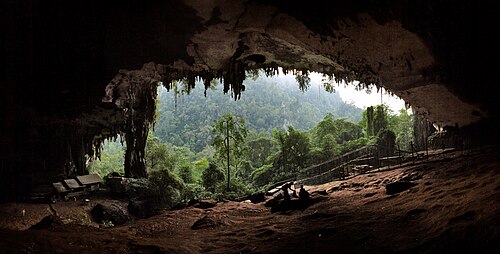


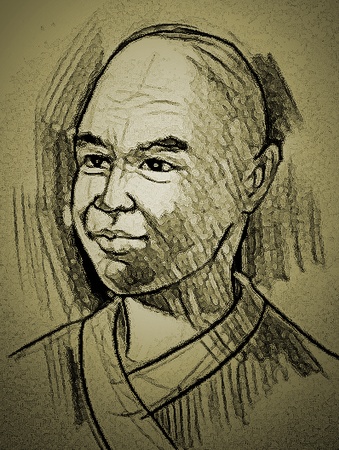


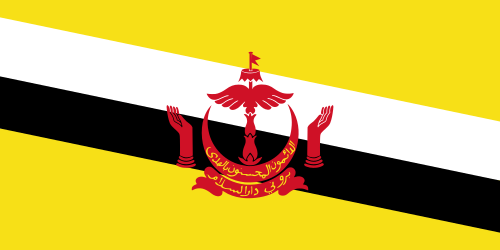


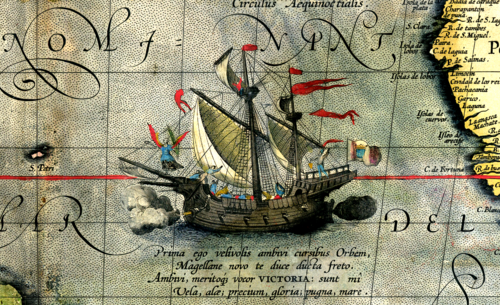



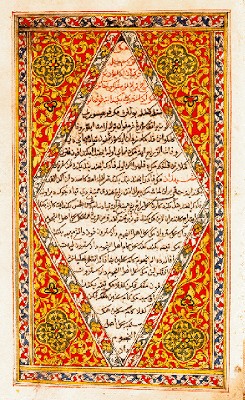




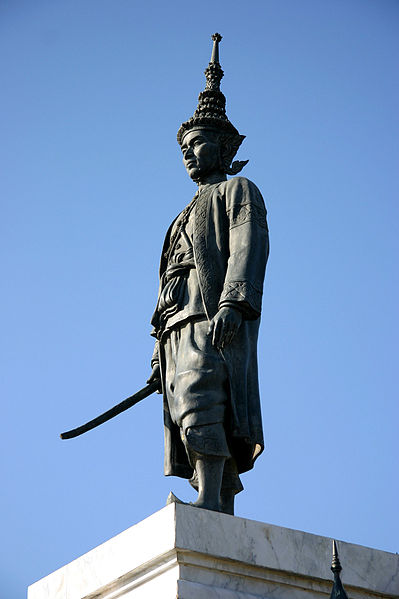


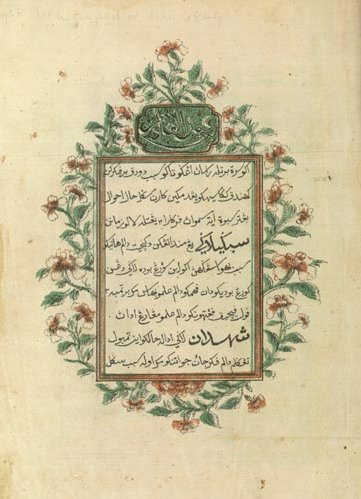




![By Mohd Hafiz Noor Shams. User: __earth. At National History Museum, Kuala Lumpur, Malaysia. Taken on January 22 2006. [1]](https://upload.wikimedia.org/wikipedia/commons/7/7c/KlMuseumBatuBersurat.jpg)

