Encyclopedia/3. History, Societies & Civilizations/09. Modern Nations/05. Europe • Curated by Admin Timeline.sg
History of Austria, sourced from Wikipedia's "Timeline of Austrian history".
Chronological Storyline (217 Milestones)
Aug 10, 955 CE
Battle of Lechfeld
Battle of Lechfeld (955): An East Frankish army under king Otto I, Holy Roman Emperor trapped a Hungarian army behind the Lech and wiped it out, saving the city of Augsburg and extending East Frankish territory eastward. Source — Wikipedia, "Timeline of Austrian history" (10th century):
The Battle of Lechfeld on an illustration in Sigmund Meisterlin' codex about the history of Nuremberg. By Hektor Mülich[1] (d. 1490) - https://www.archives.gov/preservation/conferences/papers-2003/zwaneveld.html, Public domain, https://commons.wikimedia.org/w/index.php?curid=4895972
960 CE
Burkhard, Margrave of Austria
Burkhard, Margrave of Austria was created margrave of the Eastern March, comprising territories recently conquered from the Hungarians, under the lordship of the Duchy of Bavaria and its duke, his sister-in-law's husband Henry II, Duke of Bavaria. Source — Wikipedia, "Timeline of Austrian history" (10th century):
Flag of Hungary from the Conquest Era (unreferenced, based on a jpeg at amibajank.hu (dead link). Flag of the Grand Principality of Hungary from its founding until the reign of Stephen I. This file should be renamed to Flag of Hungary (12 january 896-31 december 1000).svg By Oppashi - Own workhttp://nemzetijelkepek.hu/tortenelmi-galeria.shtml, CC0, https://commons.wikimedia.org/w/index.php?curid=52468269
976 CE
Henry II, Duke of Bavaria
Henry II, duke of Bavaria, launched a revolt in his duchy against Otto II, Holy Roman Emperor, the emperor of the Holy Roman Empire. Burkhard joined him. Source — Wikipedia, "Timeline of Austrian history" (10th century):
From the regulation of the monastery Niedermünster in Regensburg By anonymous - Regelbuch aus dem Niedermünster in Regensburg - Staatsbibliothek Bamberg Msc.Lit.142, fol. 4v, Public domain, https://commons.wikimedia.org/w/index.php?curid=8302481
984 CE
Leopold I, Margrave of Austria
Leopold the Illustrious captured the fortress at Melk, the last redoubt of Burkhard's partisans, and established his capital there. Source — Wikipedia, "Timeline of Austrian history" (10th century):
Markgraf Leopold I. (der Erlauchte). Ausschnitt aus dem Babenberger Stammbaum, Stift Klosterneuburg. By Hans Part - http://geschichte.landesmuseum.net/personen/personendetail.asp___id=-2043910503, Public domain, https://commons.wikimedia.org/w/index.php?curid=3417026
987 CE
Leopold I, Margrave of Austria
Leopold the Illustrious conquered territory extending to the Vienna Woods. Source — Wikipedia, "Timeline of Austrian history" (10th century):
Markgraf Leopold I. (der Erlauchte). Ausschnitt aus dem Babenberger Stammbaum, Stift Klosterneuburg. By Hans Part - http://geschichte.landesmuseum.net/personen/personendetail.asp___id=-2043910503, Public domain, https://commons.wikimedia.org/w/index.php?curid=3417026
991 CE
Leopold I, Margrave of Austria
Leopold the Illustrious conquered territory extending to the Fischa. Source — Wikipedia, "Timeline of Austrian history" (10th century):
Markgraf Leopold I. (der Erlauchte). Ausschnitt aus dem Babenberger Stammbaum, Stift Klosterneuburg. By Hans Part - http://geschichte.landesmuseum.net/personen/personendetail.asp___id=-2043910503, Public domain, https://commons.wikimedia.org/w/index.php?curid=3417026
Jul 8, 994 CE
Leopold I, Margrave of Austria
Leopold the Illustrious was struck in the eye by an arrow at a tournament in Würzburg. Source — Wikipedia, "Timeline of Austrian history" (10th century):
Markgraf Leopold I. (der Erlauchte). Ausschnitt aus dem Babenberger Stammbaum, Stift Klosterneuburg. By Hans Part - http://geschichte.landesmuseum.net/personen/personendetail.asp___id=-2043910503, Public domain, https://commons.wikimedia.org/w/index.php?curid=3417026
Nov 1, 996 CE
fief
The term Ostarrîchi was first used, possibly in reference to a small fief within the Eastern March. Source — Wikipedia, "Timeline of Austrian history" (10th century):
Bayeux Tapestry - Scene 23: Harold swearing oath on holy relics to William, Duke of Normandy. Titulus: UBI HAROLD SACRAMENTUM FECIT WILLELMO DUCI (Where Harold made an oath to Duke William) By Myrabella - Own work, Public domain, https://commons.wikimedia.org/w/index.php?curid=25401006
1002 CE
Henry II, Holy Roman Emperor
Henry II, Holy Roman Emperor, then duke of Bavaria and King of the Romans, added the land between the Kamp and Morava rivers and some territory southwest of Vienna to the territory of Austria. Source — Wikipedia, "Timeline of Austrian history" (11th century):
Sacramentary of king Henry II [1002-14] - München BSB Clm 4456 Seite 33c: King Henry II By anonymous - digitale-sammlungen.de, Public domain, https://commons.wikimedia.org/w/index.php?curid=67706
Jun 23, 1018 CE
Henry I, Margrave of Austria
Henry the Strong died from wounds he suffered in battle against Bolesław I the Brave, duke of Poland. He was succeeded as margrave by his younger brother Adalbert the Victorious, Margrave of Austria. Source — Wikipedia, "Timeline of Austrian history" (11th century):
Heinrich I., im Hintergrund das Martyrium des hl. Koloman. Ausschnitt aus dem Babenberger Stammbaum, Stift Klosterneuburg. By Hans Part - http://geschichte.landesmuseum.net/personen/personendetail.asp___id=-2043910503, Public domain, https://commons.wikimedia.org/w/index.php?curid=3417053
May 26, 1055 CE
Adalbert, Margrave of Austria
Adalbert the Victorious died in the Austrian capital Melk. He was succeeded by his son Ernest the Brave, Margrave of Austria. Source — Wikipedia, "Timeline of Austrian history" (11th century):
Adalbert im Kampf gegen die Ungarn, im Hintergrund Melk, Babenberger Stammbaum, Stift Klosterneuburg. By Hans Part - http://geschichte.landesmuseum.net/personen/personendetail.asp___id=-2043910503, Public domain, https://commons.wikimedia.org/w/index.php?curid=3417641
Apr 1, 1062 CE
Coup of Kaiserswerth
Coup of Kaiserswerth: Anno II, archbishop of Cologne, kidnapped the young Henry IV, Holy Roman Emperor, then King of the Romans, and demanded that his mother and regent Agnes of Poitou hand over the Imperial Regalia to his coconspirators. Source — Wikipedia, "Timeline of Austrian history" (11th century):
Coup of Kaiserswerth By Anton von Werner - Stadtmuseum Düsseldorf, Public domain, https://commons.wikimedia.org/w/index.php?curid=9443266
Mar 29, 1065 CE
accolade
An accolade ceremony was held in Mainz recognizing the majority of Henry IV, Holy Roman Emperor. Source — Wikipedia, "Timeline of Austrian history" (11th century):
accolade By Edmund Blair Leighton - nevsepic.com.ua (direct link), Public domain, https://commons.wikimedia.org/w/index.php?curid=14909937
Jun 29, 1073 CE
Saxon revolt of 1073–1075
Saxon Rebellion: The Saxon nobility, at the head of a large army, came to the Imperial Palace of Goslar to protest the frequent stays of Henry IV, Holy Roman Emperor, king of Germany, on their territory and his promotion of local ministeriales. The king fled. Source — Wikipedia, "Timeline of Austrian history" (11th century):
Duchy of Saxony at 919-1125 in nothern Germany By Hopfenpflücker - Copy of Historical Atlas by William R. Shepherd, 1923, CC BY-SA 3.0, https://commons.wikimedia.org/w/index.php?curid=5596795
Feb 2, 1074 CE
Henry IV, Holy Roman Emperor
Saxon Rebellion: Henry IV, Holy Roman Emperor, king of Germany signed the Treaty of Gerstungen agreeing to restore the rebel duke Otto of Nordheim in Bavaria. Source — Wikipedia, "Timeline of Austrian history" (11th century):
Henry IV, Holy Roman Emperor, miniature from the Emmeram Evangeliary By AnonymousUnknown author - File:Heinrich im Evangeliar von St. Emmeram.jpg, Public domain, https://commons.wikimedia.org/w/index.php?curid=68422
Jun 9, 1075 CE
Battle of Langensalza
Battle of Langensalza (1075): Henry IV, Holy Roman Emperor, king of Kingdom of Germany, and a number of his vassals, including Ernest the Brave, destroyed a Saxon army composed largely of peasant draftees near what is now Bad Langensalza. Ernest the Brave was killed. He was succeeded by his son Leopold II the Fair, Margrave of Austria. Source — Wikipedia, "Timeline of Austrian history" (11th century):
Plan of the attack during the battle of Langensalza (also Homburg, in 1075) (Pod orlicí, lvem a kalichem, 1938) By Otakar Frankenberger - Public domain - Kramerius Digital Library: https://kramerius.army.cz/view/uuid:1aa9166d-7554-4846-a88a-d5babd277952?page=uuid:00c97692-ca9d-11e9-ab31-005056b73ae5, Public domain, https://commons.wikimedia.org/w/index.php?curid=135664560
1078 CE
Altmann of Passau
Investiture Controversy: Altmann of Passau, bishop of Passau, fled to Austria following the invasion of his diocese by supporters of Henry IV, Holy Roman Emperor, the king of Germany. Source — Wikipedia, "Timeline of Austrian history" (11th century):
Bistumswappen Passau By Wolfgang Duschl - Bischöfliche Pressestelle Passau, Public domain, https://commons.wikimedia.org/w/index.php?curid=7441179
1079 CE
Henry IV, Holy Roman Emperor
Investiture Controversy: Henry IV, Holy Roman Emperor, king of Germany, invaded Austria in pursuit of the fugitive bishop Altmann of Passau. Source — Wikipedia, "Timeline of Austrian history" (11th century):
Henry IV, Holy Roman Emperor, miniature from the Emmeram Evangeliary By AnonymousUnknown author - File:Heinrich im Evangeliar von St. Emmeram.jpg, Public domain, https://commons.wikimedia.org/w/index.php?curid=68422
Aug 6, 1081 CE
Leopold II, Margrave of Austria
Leopold the Fair supported the election at Forchheim of Hermann of Salm, count of Salm, as king of Germany in opposition to Henry IV, Holy Roman Emperor. Source — Wikipedia, "Timeline of Austrian history" (11th century):
Leopold II. in der Schlacht bei Mailberg, Babenberger Stammbaum, um 1490, Stift Klosterneuburg. By Hans Part - http://geschichte.landesmuseum.net/, Public domain, https://commons.wikimedia.org/w/index.php?curid=3417613
May 12, 1082 CE
Battle of Mailberg
Battle of Mailberg: A Bohemian army invading in support of the claim of Vratislaus II of Bohemia decisively defeated the Austrians at Mailberg. Source — Wikipedia, "Timeline of Austrian history" (11th century):
Leopold II. in der Schlacht bei Mailberg, Babenberger Stammbaum, um 1490, Stift Klosterneuburg. By Hans Part - http://geschichte.landesmuseum.net/, Public domain, https://commons.wikimedia.org/w/index.php?curid=3417613
Oct 12, 1095 CE
Leopold II, Margrave of Austria
Leopold the Fair died. He was succeeded as margrave of Austria by his son Leopold III the Good, Margrave of Austria. Source — Wikipedia, "Timeline of Austrian history" (11th century):
Leopold II. in der Schlacht bei Mailberg, Babenberger Stammbaum, um 1490, Stift Klosterneuburg. By Hans Part - http://geschichte.landesmuseum.net/, Public domain, https://commons.wikimedia.org/w/index.php?curid=3417613
1103 CE
Henry IV, Holy Roman Emperor
Henry IV, Holy Roman Emperor, emperor of the Holy Roman Empire, issued the Landfrieden, establishing some rules on the resolution of disputes between rulers of states of the Empire. Source — Wikipedia, "Timeline of Austrian history" (12th century):
Henry IV, Holy Roman Emperor, miniature from the Emmeram Evangeliary By AnonymousUnknown author - File:Heinrich im Evangeliar von St. Emmeram.jpg, Public domain, https://commons.wikimedia.org/w/index.php?curid=68422
1104 CE
Henry V, Holy Roman Emperor
Investiture Controversy: Henry V, Holy Roman Emperor, king of Germany and son and heir of Henry IV, Holy Roman Emperor, emperor of the Holy Roman Empire, rebelled against his father at the urging of the pope Pope Paschal II. Source — Wikipedia, "Timeline of Austrian history" (12th century):
Der hier auf einem Faldistorium mit den Insignien Krone, Szepter und Reichsapfel dargestellte Herrscher wird mit Heinrich V. identifiziert. Evangeliar aus St. Emmeram in Regensburg, Krakau, Bibliothek des Domkapitels, Cod. 208, fol. 1r By Unknown author - Scan aus Buch: Die Salier: Macht im Wandel; [Ausstellung Die Salier. Macht im Wandel] / [Hrsg. Historisches Museum der Pfalz, Speyer; Institut für Fränkisch-Pfälzische Geschichte und Landeskunde, Heidelberg. Konzept Ausstellungspubl. Teil Essays, München 2011, S. 40., Public domain, https://commons.wikimedia.org/w/index.php?curid=59392576
1106 CE
Leopold III, Margrave of Austria
Leopold the Good married Agnes of Waiblingen, sister of Henry V, Holy Roman Emperor, the king of Germany. Source — Wikipedia, "Timeline of Austrian history" (12th century):
Leopold III. der Heilige vor Klosterneuburg, Babenberger Stammbaum, um 1490, Stift Klosterneuburg. By Hans Part - http://geschichte.landesmuseum.net/, Public domain, https://commons.wikimedia.org/w/index.php?curid=3417521
Nov 15, 1136 CE
Leopold III, Margrave of Austria
Leopold the Good died. He was succeeded as margrave of Austria by his son Leopold the Generous, Duke of Bavaria. Source — Wikipedia, "Timeline of Austrian history" (12th century):
Leopold III. der Heilige vor Klosterneuburg, Babenberger Stammbaum, um 1490, Stift Klosterneuburg. By Hans Part - http://geschichte.landesmuseum.net/, Public domain, https://commons.wikimedia.org/w/index.php?curid=3417521
1137 CE
Leopold, Duke of Bavaria
Leopold the Generous granted the Peterskirche in Vienna to the prince-bishop of Passau in exchange for some territory outside the city. Source — Wikipedia, "Timeline of Austrian history" (12th century):
Heiligenkreuz abbey ( Lower Austria ). Lavabo: Babenberg windows ( 1290s ), showing members of the house of Babenberg: Leopold IV, margrave of Austria and duke of Bavaria. By Wolfgang Sauber - Own work, CC BY-SA 3.0, https://commons.wikimedia.org/w/index.php?curid=15744126
Mar 7, 1138 CE
1138 Imperial election
1138 Imperial election: Conrad III of Germany was elected King of the Romans at Koblenz, defeating Henry X, Duke of Bavaria, duke of Bavaria, Saxony and Spoleto and margrave of Tuscany. Source — Wikipedia, "Timeline of Austrian history" (12th century):
Miniature of Conrad III of Germany from Chronica Regia Coloniensis (Cologne Kings' Chronicle; Cologne; ca. 1240). Brussels, Bibliothèque Royale, Ms. 467, fol. 64v By Unknown author - Scanned from Die Zeit der Staufer, Stuttgart 1977, vol. II, Abb. 544 (Kat. Nr. 752); cropped by Rosenzweig, Public domain, https://commons.wikimedia.org/w/index.php?curid=80912
Oct 18, 1141 CE
Leopold, Duke of Bavaria
Leopold the Generous died. He was succeeded as margrave of Austria and duke of Bavaria by his younger brother Henry II Jasomirgott, Duke of Austria. Source — Wikipedia, "Timeline of Austrian history" (12th century):
Heiligenkreuz abbey ( Lower Austria ). Lavabo: Babenberg windows ( 1290s ), showing members of the house of Babenberg: Leopold IV, margrave of Austria and duke of Bavaria. By Wolfgang Sauber - Own work, CC BY-SA 3.0, https://commons.wikimedia.org/w/index.php?curid=15744126
1145 CE
Henry II, Duke of Austria
Henry Jasomirgott established his residence in Vienna. Source — Wikipedia, "Timeline of Austrian history" (12th century):
Henry II, Duke of Austria By Karl von Sava - Die Siegel der österreichischen Regenten, Public domain, https://commons.wikimedia.org/w/index.php?curid=11174075
1156 CE
Frederick I, Holy Roman Emperor
Frederick I, Holy Roman Emperor, emperor of the Holy Roman Empire, restored the House of Welf to the Duchy of Bavaria in the person of Henry the Lion, son of Henry X, Duke of Bavaria. Source — Wikipedia, "Timeline of Austrian history" (12th century):
Bust of Friedrich I., "Barbarossa", gilded bronze, ca. 1160 By Montecappio - Own work, Public domain, https://commons.wikimedia.org/w/index.php?curid=9457219
Nov 1, 1176 CE
Henry II, Duke of Austria
Henry Jasomirgott broke his hip falling with his horse from a bridge near Melk. Source — Wikipedia, "Timeline of Austrian history" (12th century):
Henry II, Duke of Austria By Karl von Sava - Die Siegel der österreichischen Regenten, Public domain, https://commons.wikimedia.org/w/index.php?curid=11174075
Jan 13, 1177 CE
Henry II, Duke of Austria
Henry Jasomirgott died in Vienna. He was succeeded by his son Leopold V the Virtuous, Duke of Austria. Source — Wikipedia, "Timeline of Austrian history" (12th century):
Henry II, Duke of Austria By Karl von Sava - Die Siegel der österreichischen Regenten, Public domain, https://commons.wikimedia.org/w/index.php?curid=11174075
Aug 17, 1186 CE
Leopold V, Duke of Austria
Leopold the Virtuous and Ottokar IV, Duke of Styria, duke of Styria, signed the Georgenberg Pact, under which the former was to succeed the latter on his death. In exchange, Leopold the Virtuous promised to maintain the rights of the Styrian estates and citizens. Source — Wikipedia, "Timeline of Austrian history" (12th century):
Herzog Leopold V. (der Tugendhafte), links knieend, erhält sein neues rot-weiß-rotes Banner von Kaiser Heinrich VI. nach der Schlacht von Akkon. Ausschnitt aus dem Babenberger Stammbaum, Stift Klosterneuburg. By Hans Part - http://geschichte.landesmuseum.net/personen/personendetail.asp___id=-2043910503, Public domain, https://commons.wikimedia.org/w/index.php?curid=3416983
Oct 2, 1187 CE
Siege of Jerusalem
Siege of Jerusalem (1187): The city of Jerusalem fell to an Ayyubid siege. The capital of the Kingdom of Jerusalem was moved to Tyre, Lebanon. Source — Wikipedia, "Timeline of Austrian history" (12th century):
Aug 1, 1189 CE
Siege of Acre
Siege of Acre (1189–1191): Guy of Lusignan, jure uxoris king of Jerusalem, laid siege to the Ayyubid city of Acre, Israel. Source — Wikipedia, "Timeline of Austrian history" (12th century):
Aachen, Germany. Bust of Charlemagne in Aachen Cathedral Treasury. By Beckstet - Own work, CC BY-SA 3.0, https://commons.wikimedia.org/w/index.php?curid=15563212
1191 CE
Leopold V, Duke of Austria
Siege of Acre (1189–1191): Leopold the Virtuous took command of the crusader army at Acre, Israel. Source — Wikipedia, "Timeline of Austrian history" (12th century):
Herzog Leopold V. (der Tugendhafte), links knieend, erhält sein neues rot-weiß-rotes Banner von Kaiser Heinrich VI. nach der Schlacht von Akkon. Ausschnitt aus dem Babenberger Stammbaum, Stift Klosterneuburg. By Hans Part - http://geschichte.landesmuseum.net/personen/personendetail.asp___id=-2043910503, Public domain, https://commons.wikimedia.org/w/index.php?curid=3416983
May 8, 1192 CE
Ottokar IV, Duke of Styria
Ottokar IV, Duke of Styria, duke of Styria, died of leprosy. He was succeeded by Leopold the Virtuous. Source — Wikipedia, "Timeline of Austrian history" (12th century):
Portrait of His Grace James Duke of Chandos (1673–1744) By Michael Dahl - Berger Collection: Website; Archived webpage (work no longer in collection as of February 2011), Public domain, https://commons.wikimedia.org/w/index.php?curid=6436291
Apr 19, 1193 CE
Kingdom of England
English king Richard I of England was released from his captivity at Trifels Castle following the payment of a substantial ransom to Austria and the Holy Roman Empire. Source — Wikipedia, "Timeline of Austrian history" (12th century):
Flag of England. Saint George's cross (a red cross on a white background), used as the Flag of England, the Italian city of Genoa and various other places. By Original: traditional Vector: Nicholas Shanks - Own work, Public domain, https://commons.wikimedia.org/w/index.php?curid=389789
Dec 31, 1194 CE
Leopold V, Duke of Austria
Leopold the Virtuous died of gangrene after a botched amputation of his foot, injured at a tournament in Graz. He was succeeded as duke of Austria by one son, Frederick I the Catholic, Duke of Austria, and as duke of Styria by another, Leopold VI the Glorious, Duke of Austria. Source — Wikipedia, "Timeline of Austrian history" (12th century):
Herzog Leopold V. (der Tugendhafte), links knieend, erhält sein neues rot-weiß-rotes Banner von Kaiser Heinrich VI. nach der Schlacht von Akkon. Ausschnitt aus dem Babenberger Stammbaum, Stift Klosterneuburg. By Hans Part - http://geschichte.landesmuseum.net/personen/personendetail.asp___id=-2043910503, Public domain, https://commons.wikimedia.org/w/index.php?curid=3416983
1196 CE
pope
The pope Pope Celestine III censured the late Leopold the Virtuous and his house for his imprisonment and ransoming of Richard I of England, king of England and a fellow crusader. Source — Wikipedia, "Timeline of Austrian history" (12th century):
Pope Leo XIV during a meeting with the media on May 12, 2025 By Edgar Beltrán, The Pillar - Own work, CC BY-SA 4.0, https://commons.wikimedia.org/w/index.php?curid=165153532
Apr 1, 1197 CE
Crusade of 1197
Crusade of 1197: Frederick the Catholic left Austria on a crusade organized by Henry VI, Holy Roman Emperor, emperor of the Holy Roman Empire, to reconquer Jerusalem for the Kingdom of Jerusalem and convince the pope Pope Celestine III to support his claim to Sicily. Source — Wikipedia, "Timeline of Austrian history" (12th century):
Frederick I, Duke of Austria (Babenberg) By User:Acoma - Own work, Public domain, https://commons.wikimedia.org/w/index.php?curid=6827226
1198 CE
Emeric, King of Hungary
Emeric, King of Hungary, king of Hungary, was forced to appoint his younger brother Andrew II of Hungary duke in Croatia and Dalmatia. Source — Wikipedia, "Timeline of Austrian history" (12th century):
Emeric of Hungary By Szilágyi Sándor - http://hu.wikibooks.org/wiki/F%C3%A1jl:Imre_nagy_pecs%C3%A9tje.jpg, Public domain, https://commons.wikimedia.org/w/index.php?curid=7488467
1199 CE
Emeric, King of Hungary
Emeric, King of Hungary, king of Hungary, defeated his brother Andrew II of Hungary, duke in Croatia and Dalmatia, at Lake Balaton and forced him to flee into Austria. Source — Wikipedia, "Timeline of Austrian history" (12th century):
Emeric of Hungary By Szilágyi Sándor - http://hu.wikibooks.org/wiki/F%C3%A1jl:Imre_nagy_pecs%C3%A9tje.jpg, Public domain, https://commons.wikimedia.org/w/index.php?curid=7488467
1200 CE
Andrew II of Hungary
Andrew II of Hungary, then a refugee in Austria, was peacefully restored to power as duke in Croatia and Dalmatia. Source — Wikipedia, "Timeline of Austrian history" (12th century):
II. András magyar király pecsétje, 1224 By György Klösz - A magyar királyi Országos Levéltár diplomatikai osztályában őrzött pecsétek mutatója, Hungarian National Archives (MOL), Budapest, 1889, Public domain, https://commons.wikimedia.org/w/index.php?curid=75911962
1205 CE
Leopold VI, Duke of Austria
Leopold the Glorious accepted the five-year-old Ladislaus III of Hungary, king of Hungary, and his court as refugees from his uncle and regent Andrew II of Hungary. Source — Wikipedia, "Timeline of Austrian history" (13th century):
Leopold VI, Duke of Austria By Rudolf trónörökös ő cs. és kir. Fensége, József főherczeg ő cs. és kir. Fensége, Fülöp Szász-Koburg-Gothai herczeg ő Fensége - Az Osztrák-Magyar Monarchia Irásban és Képben, Public domain, https://commons.wikimedia.org/w/index.php?curid=11090236
1209 CE
Albigensian Crusade
Albigensian Crusade: The pope Pope Innocent III called for a crusade against Catharism, a gnostic heresy prevalent in Languedoc, and the sympathetic count of Toulouse, Raymond VI, Count of Toulouse. Source — Wikipedia, "Timeline of Austrian history" (13th century):
The Albigensian massacre, chronicle of Saint-Denis, 14th century, London, British Library. By Unknown author - British Library., Public domain, https://commons.wikimedia.org/w/index.php?curid=4662114
1212 CE
Leopold VI, Duke of Austria
Leopold the Glorious took part in an Imperial Diet at Nuremberg which deposed Otto IV, Holy Roman Emperor and elected Frederick II, Holy Roman Emperor as King of the Romans with the support of the pope Pope Innocent III. Source — Wikipedia, "Timeline of Austrian history" (13th century):
Leopold VI, Duke of Austria By Rudolf trónörökös ő cs. és kir. Fensége, József főherczeg ő cs. és kir. Fensége, Fülöp Szász-Koburg-Gothai herczeg ő Fensége - Az Osztrák-Magyar Monarchia Irásban és Képben, Public domain, https://commons.wikimedia.org/w/index.php?curid=11090236
Jul 12, 1213 CE
Frederick II, Holy Roman Emperor
Frederick II, Holy Roman Emperor, King of the Romans, issued the Golden Bull of 1213, a Golden Bull ceding some ecclesiastical rights to the Catholic Church. Source — Wikipedia, "Timeline of Austrian history" (13th century):
Frederick II and his falcon. From his book De arte venandi cum avibus (The art of hunting with birds). From a manuscript in Biblioteca Vaticana, Pal. lat 1071, fol. 1), late 13th century By Unknown author - http://www.fh-augsburg.de/~harsch/Chronologia/Lspost13/FridericusII/fri_arsp.html, Public domain, https://commons.wikimedia.org/w/index.php?curid=443120
Jul 1, 1217 CE
Fifth Crusade
Fifth Crusade: Leopold the Glorious left Vienna to take part in another crusade to reconquer Jerusalem from the Ayyubid dynasty. Source — Wikipedia, "Timeline of Austrian history" (13th century):
Leopold VI, Duke of Austria By Rudolf trónörökös ő cs. és kir. Fensége, József főherczeg ő cs. és kir. Fensége, Fülöp Szász-Koburg-Gothai herczeg ő Fensége - Az Osztrák-Magyar Monarchia Irásban és Képben, Public domain, https://commons.wikimedia.org/w/index.php?curid=11090236
May 29, 1218 CE
Siege of Damietta
Siege of Damietta (1218–1219): Crusader forces, including Austrian and Styrian forces, landed near the fortress of the Ayyubid city of Damietta. Source — Wikipedia, "Timeline of Austrian history" (13th century):
1221 CE
Vienna
Vienna was granted the staple right, the right to require merchants passing through to offer their goods for sale. Source — Wikipedia, "Timeline of Austrian history" (13th century):
Konzert der Wiener Philharmoniker vor Schloss Schönbrunn, Wien By Superbass - Own work, CC BY-SA 3.0, https://commons.wikimedia.org/w/index.php?curid=19845088
Jul 28, 1230 CE
Leopold VI, Duke of Austria
Leopold VI the Glorious, Duke of Austria died. He was succeeded as duke of Austria and Styria by his son Frederick II the Quarrelsome, Duke of Austria. Source — Wikipedia, "Timeline of Austrian history" (13th century):
Leopold VI, Duke of Austria By Rudolf trónörökös ő cs. és kir. Fensége, József főherczeg ő cs. és kir. Fensége, Fülöp Szász-Koburg-Gothai herczeg ő Fensége - Az Osztrák-Magyar Monarchia Irásban és Képben, Public domain, https://commons.wikimedia.org/w/index.php?curid=11090236
1235 CE
Frederick II, Holy Roman Emperor
Frederick II, Holy Roman Emperor, emperor of the Holy Roman Empire, invited Bohemia to invade and conquer Austria as punishment for the aggression and impertinence of Frederick the Quarrelsome. Source — Wikipedia, "Timeline of Austrian history" (13th century):
Frederick II and his falcon. From his book De arte venandi cum avibus (The art of hunting with birds). From a manuscript in Biblioteca Vaticana, Pal. lat 1071, fol. 1), late 13th century By Unknown author - http://www.fh-augsburg.de/~harsch/Chronologia/Lspost13/FridericusII/fri_arsp.html, Public domain, https://commons.wikimedia.org/w/index.php?curid=443120
1237 CE
Mongol invasion of Europe
Mongol invasion of Europe: The army of the Golden Horde arrived at Ryazan. Source — Wikipedia, "Timeline of Austrian history" (13th century):
1238 CE
Frederick II, Duke of Austria
Frederick the Quarrelsome created two administrative divisions of Austria: Upper Austria, above the Enns, and Lower Austria below. Source — Wikipedia, "Timeline of Austrian history" (13th century):
1239 CE
Frederick II, Holy Roman Emperor
Frederick II, Holy Roman Emperor, emperor of the Holy Roman Empire, restored Frederick the Quarrelsome as duke of Austria. Source — Wikipedia, "Timeline of Austrian history" (13th century):
Frederick II and his falcon. From his book De arte venandi cum avibus (The art of hunting with birds). From a manuscript in Biblioteca Vaticana, Pal. lat 1071, fol. 1), late 13th century By Unknown author - http://www.fh-augsburg.de/~harsch/Chronologia/Lspost13/FridericusII/fri_arsp.html, Public domain, https://commons.wikimedia.org/w/index.php?curid=443120
Apr 15, 1241 CE
Battle of Mohi
Battle of Mohi: Austrian forces defeated a small Golden Horde raiding party near Muhi, then withdrew. Hungarian and Templar forces remained in the theater. Source — Wikipedia, "Timeline of Austrian history" (13th century):
Hungarian flag in the 13th century. By Oppashi - This vector image includes elements that have been taken or adapted from this file:, CC BY-SA 4.0, https://commons.wikimedia.org/w/index.php?curid=52463187
Jun 15, 1246 CE
Battle of the Leitha River
Battle of the Leitha River: The Kingdom of Hungary defeated an Austrian invasion near the banks of the Leitha. Frederick the Quarrelsome was killed. His sister Margaret of Austria, Queen of Bohemia and his niece Gertrude of Austria both claimed the succession in Austria and Styria. Source — Wikipedia, "Timeline of Austrian history" (13th century):
Herman VI, Margrave of Baden, margrave of Baden, married Gertrude. He laid claim to Austria and Styria by right of his wife and left his brother Rudolf I, Margrave of Baden-Baden to govern Baden. Source — Wikipedia, "Timeline of Austrian history" (13th century):
Oct 4, 1250 CE
Herman VI, Margrave of Baden
Herman died. Source — Wikipedia, "Timeline of Austrian history" (13th century):
1251 CE
nobility
The Austrian nobility acclaimed Ottokar II the Iron and Golden King of Bohemia, son and heir of the king of Bohemia Wenceslaus I of Bohemia, duke. Source — Wikipedia, "Timeline of Austrian history" (13th century):
Queen Anne addressing the House of Lords By Peter Tillemans - http://www.royalcollection.org.uk/collection-search/queen%20anne?page=1&, Public domain, https://commons.wikimedia.org/w/index.php?curid=5940854
Feb 11, 1252 CE
Ottokar II of Bohemia
Ottokar the Iron and Golden King married Margaret. Source — Wikipedia, "Timeline of Austrian history" (13th century):
Sep 23, 1253 CE
Wenceslaus I of Bohemia
Wenceslaus I of Bohemia, king of Bohemia, died. He was succeeded by Ottokar the Iron and Golden King, his son. Source — Wikipedia, "Timeline of Austrian history" (13th century):
Aachen, Germany. Bust of Charlemagne in Aachen Cathedral Treasury. By Beckstet - Own work, CC BY-SA 3.0, https://commons.wikimedia.org/w/index.php?curid=15563212
1254 CE
pope
After mediation by the pope Pope Innocent IV, Ottokar the Iron and Golden King agreed to cede much of Styria to Béla IV of Hungary, king of Hungary, in exchange for the latter's recognition of his claims in Austria. Source — Wikipedia, "Timeline of Austrian history" (13th century):
Pope Leo XIV during a meeting with the media on May 12, 2025 By Edgar Beltrán, The Pillar - Own work, CC BY-SA 4.0, https://commons.wikimedia.org/w/index.php?curid=165153532
1258 CE
Stephen V of Hungary
Stephen V of Hungary, son and heir of Béla IV of Hungary, king of Hungary, was appointed duke of Styria. Source — Wikipedia, "Timeline of Austrian history" (13th century):
Pečeť Štěpána V. By Szilágyi Sándor - http://mek.niif.hu/00800/00893/html/img/nagy/1e59.jpg, Public domain, https://commons.wikimedia.org/w/index.php?curid=7476224
1260 CE
Ottokar II of Bohemia
Ottokar the Iron and Golden King invaded Styria in support of a revolt by the local nobility. Source — Wikipedia, "Timeline of Austrian history" (13th century):
Queen Anne addressing the House of Lords By Peter Tillemans - http://www.royalcollection.org.uk/collection-search/queen%20anne?page=1&, Public domain, https://commons.wikimedia.org/w/index.php?curid=5940854
1261 CE
Béla IV of Hungary
Béla IV of Hungary, king of Hungary, renounced his claim to Styria in favor of Ottokar the Iron and Golden King. Source — Wikipedia, "Timeline of Austrian history" (13th century):
Aachen, Germany. Bust of Charlemagne in Aachen Cathedral Treasury. By Beckstet - Own work, CC BY-SA 3.0, https://commons.wikimedia.org/w/index.php?curid=15563212
Oct 29, 1266 CE
Margaret of Austria, Queen of Bohemia
Margaret died. Source — Wikipedia, "Timeline of Austrian history" (13th century):
Oct 1, 1273 CE
1273 Imperial election
1273 Imperial election: Rudolf I of Habsburg of Germany, count of Habsburg, was elected King of the Romans in Frankfurt, defeating Ottokar the Iron and Golden King, who refused to recognize his election. Source — Wikipedia, "Timeline of Austrian history" (13th century):
Siegel Kaiser Rudolfs I. von Habsburg. Inscribed: RUDOLFUS DEI GRACIA ROMANORUM REX SEMPER AUGUSTUS ("Rudolf by the grace of God King of the Romans, ever majestic") By Wolfgang Sauber - Own work, Public domain, https://commons.wikimedia.org/w/index.php?curid=3273038
Nov 1, 1274 CE
Imperial Diet
An Imperial Diet at Nuremberg held that all territories which had changed hands in the interregnum following the death of Frederick II, Holy Roman Emperor had to be returned. Source — Wikipedia, "Timeline of Austrian history" (13th century):
Imperial Diet By Unknown author, Public domain, https://commons.wikimedia.org/w/index.php?curid=508490
1276 CE
Rudolf I of Germany
Rudolf I of Germany, King of the Romans, banned Ottokar the Iron and Golden King for failing to recognize his election and for failing to cede Austria, Styria and Carinthia to imperial administration after the extinction of the male line in each of those duchies. Source — Wikipedia, "Timeline of Austrian history" (13th century):
Siegel Kaiser Rudolfs I. von Habsburg. Inscribed: RUDOLFUS DEI GRACIA ROMANORUM REX SEMPER AUGUSTUS ("Rudolf by the grace of God King of the Romans, ever majestic") By Wolfgang Sauber - Own work, Public domain, https://commons.wikimedia.org/w/index.php?curid=3273038
1278 CE
Ottokar II of Bohemia
Ottokar the Iron and Golden King invaded Austria. Source — Wikipedia, "Timeline of Austrian history" (13th century):
Dec 27, 1282 CE
Hoftag
A Hoftag at Augsburg recognized the appointment of Rudolf I of Germany's sons Albert I of Habsburg of Germany and Rudolf II, Duke of Austria as dukes jointly and severally of Austria and Styria and margraves jointly and severally of Carniola and the Windic March. Source — Wikipedia, "Timeline of Austrian history" (13th century):
Hoftag By Unknown author, Public domain, https://commons.wikimedia.org/w/index.php?curid=659566
Jun 1, 1283 CE
Treaty of Rheinfelden
The Treaty of Rheinfelden was signed at Rheinfelden, establishing the succession of Rudolf I of Germany. Albert of Habsburg was to receive the sole rule of Austria and Styria. In exchange, Rudolf II would receive some territories in Further Austria. The treaty also established primogeniture as the Habsburg order of succession. Source — Wikipedia, "Timeline of Austrian history" (13th century):
Siegel Kaiser Rudolfs I. von Habsburg. Inscribed: RUDOLFUS DEI GRACIA ROMANORUM REX SEMPER AUGUSTUS ("Rudolf by the grace of God King of the Romans, ever majestic") By Wolfgang Sauber - Own work, Public domain, https://commons.wikimedia.org/w/index.php?curid=3273038
1286 CE
Meinhard, Duke of Carinthia
Meinhard, Duke of Carinthia, count of Tyrol and Albert of Habsburg's father in law, was made duke of Carinthia and margrave of Carniola and the Windic March as compensation for his earlier support of Rudolf I of Germany against Ottokar the Iron and Golden King. Source — Wikipedia, "Timeline of Austrian history" (13th century):
Meinhard II. (* um 1238; † 1. November 1295 in Greifenburg) aus dem Geschlecht der Meinhardiner war Graf (als Meinhard II.) von Görz und Tirol und Herzog von Kärnten (1286-1295). Er war einer der bedeutendsten Fürsten des 13. Jahrhunderts und der Begründer Tirols als eigenständiges Land. By Unknown author - Bildarchiv der Österreichischen Nationalbibliothek, Wien, für AEIOU, Public domain, https://commons.wikimedia.org/w/index.php?curid=13915877
May 10, 1290 CE
Rudolf II, Duke of Austria
Rudolf II died. Source — Wikipedia, "Timeline of Austrian history" (13th century):
König Rudolf I. vermählt den Sohn Rudolf II. mit Agnes von Böhmen, der Tochter des Ottokar II. Premysl, Öl auf Metall, 56 x 72 cm, gerahmt, Mitte 19. Jh. By AnonymousUnknown author - https://www.dorotheum.com/, Public domain, https://commons.wikimedia.org/w/index.php?curid=49215885
Jul 15, 1291 CE
Rudolf I of Germany
Rudolf I of Germany died. Source — Wikipedia, "Timeline of Austrian history" (13th century):
Siegel Kaiser Rudolfs I. von Habsburg. Inscribed: RUDOLFUS DEI GRACIA ROMANORUM REX SEMPER AUGUSTUS ("Rudolf by the grace of God King of the Romans, ever majestic") By Wolfgang Sauber - Own work, Public domain, https://commons.wikimedia.org/w/index.php?curid=3273038
Apr 27, 1292 CE
Adolf, King of the Romans
Adolf, King of the Romans, count of Nassau and Siegfried II of Westerburg, archbishop of Cologne signed the Treaty of Andernach, under which the latter agreed to support the former in the upcoming imperial election in exchange for significant territorial concessions. Source — Wikipedia, "Timeline of Austrian history" (13th century):
ADOLFVS DEI GRACIA ROMANORVM REX SEMPER AVGVSTVS By Otto Posse - Die Siegel der Deutschen Kaiser und Könige, Public domain, https://commons.wikimedia.org/w/index.php?curid=1689459
1294 CE
Adolf, King of the Romans
Adolf, King of the Romans, King of the Romans, purchased the landgraviate of Thuringia and the margravate of Meissen from Albert II, Margrave of Meissen. Source — Wikipedia, "Timeline of Austrian history" (13th century):
ADOLFVS DEI GRACIA ROMANORVM REX SEMPER AVGVSTVS By Otto Posse - Die Siegel der Deutschen Kaiser und Könige, Public domain, https://commons.wikimedia.org/w/index.php?curid=1689459
Jun 23, 1298 CE
Elector of Mainz
The Elector of Mainz, acting on behalf of himself and that of Wenceslaus II of Bohemia, king of Bohemia and Wigbold von Holte, the archbishop of Cologne, declared Adolf, King of the Romans, King of the Romans, deposed at a meeting in Mainz in the presence of some lesser nobility. Source — Wikipedia, "Timeline of Austrian history" (13th century):
Václav II. By Master of the Codex Manesse (Additional Painter I) - http://diglit.ub.uni-heidelberg.de/diglitData/image/cpg848/1/010r.jpg, Public domain, https://commons.wikimedia.org/w/index.php?curid=8686791
Aug 4, 1306 CE
Wenceslaus III of Bohemia
Wenceslaus III of Bohemia, the last king of Bohemia of the Přemyslid dynasty, was stabbed to death in Olomouc by an unknown assassin. Source — Wikipedia, "Timeline of Austrian history" (14th century):
Václav III. - pečeť By Szilágyi Sándor - http://mek.niif.hu/00800/00893/html/img/nagy/1f85.jpg, Public domain, https://commons.wikimedia.org/w/index.php?curid=7477724
May 31, 1307 CE
Battle of Lucka
Battle of Lucka: Frederick I, Margrave of Meissen defeated the forces of the Holy Roman Empire at Lucka, preserving the rule of the House of Wettin over Thuringia. Source — Wikipedia, "Timeline of Austrian history" (14th century):
Erinnerung an die Schlacht 1307 in Lucka By Tnemtsoni - Own work, CC BY-SA 3.0, https://commons.wikimedia.org/w/index.php?curid=20176820
May 1, 1308 CE
Albert I of Germany
Albert of Habsburg was murdered at Windisch by his nephew, Rudolf II's son John Parricida, who felt that the Treaty of Rheinfelden had deprived him of his inheritance. He was succeeded by two of his sons, Frederick the Fair and Leopold I, Duke of Austria, ruling jointly as dukes of Austria and Styria. Source — Wikipedia, "Timeline of Austrian history" (14th century):
Albert I of Habsburg Der österreichisch-ungarische Monarchie in Wort und Bild. [3], Übersichtsband. Abt. 2, Geschichtlicher Theil. Wien : Druck und Verlag der Kaiserlich-königlichen Hof- und Staatsdruckerei, 1887 By Unknown author - National Library of Poland, Public domain, https://commons.wikimedia.org/w/index.php?curid=179628094
1313 CE
Frederick the Fair
Frederick the Fair invaded Lower Bavaria in a dispute with Louis IV, Holy Roman Emperor, duke of Upper Bavaria, over who would tutor the sons of the late Stephen I, Duke of Bavaria, duke of Lower Bavaria. Source — Wikipedia, "Timeline of Austrian history" (14th century):
Portrait of His Grace James Duke of Chandos (1673–1744) By Michael Dahl - Berger Collection: Website; Archived webpage (work no longer in collection as of February 2011), Public domain, https://commons.wikimedia.org/w/index.php?curid=6436291
Oct 19, 1314 CE
Imperial election, October 19, 1314
Imperial election, October 19, 1314: Four electors of the Holy Roman Empire selected Frederick the Fair as King of the Romans at Frankfurt. Source — Wikipedia, "Timeline of Austrian history" (14th century):
Banner of the Holy Roman Empire, double headed eagle with halos (1400-1806) By David Liuzzo, eagle by N3MO - Own work, CC BY-SA 3.0, https://commons.wikimedia.org/w/index.php?curid=10025741
Nov 15, 1315 CE
Battle of Morgarten
Battle of Morgarten: A Swiss force ambushed and destroyed a Habsburg army at Ägerisee, saving the Swiss Confederacy from possible annexation to Austria. Source — Wikipedia, "Timeline of Austrian history" (14th century):
Battle of Morgarten By Unknown author - [1], CC BY-SA 3.0, https://commons.wikimedia.org/w/index.php?curid=26493282
1316 CE
Louis IV, Holy Roman Emperor
Louis IV, Holy Roman Emperor, a claimant against Frederick the Fair to the title of King of the Romans, granted the Waldstätte of the Old Swiss Confederacy independence from the House of Habsburg. Source — Wikipedia, "Timeline of Austrian history" (14th century):
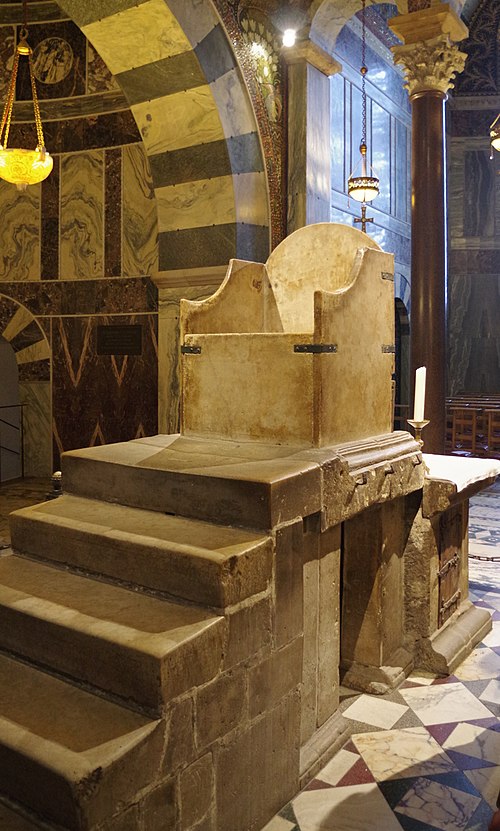
Aachener Dom, Karlsthron By Berthold Werner - Own work, CC BY-SA 3.0, https://commons.wikimedia.org/w/index.php?curid=50404068
Sep 28, 1322 CE
Battle of Mühldorf
Battle of Mühldorf: The forces of Louis IV, Holy Roman Emperor, duke of Upper Bavaria and a claimant to the title King of the Romans, defeated those of his rival Frederick the Fair in battle at Ampfing. Frederick the Fair was captured. Source — Wikipedia, "Timeline of Austrian history" (14th century):
Portrait of His Grace James Duke of Chandos (1673–1744) By Michael Dahl - Berger Collection: Website; Archived webpage (work no longer in collection as of February 2011), Public domain, https://commons.wikimedia.org/w/index.php?curid=6436291
1324 CE
pope
The pope Pope John XXII excommunicated Louis IV, Holy Roman Emperor, duke of Upper Bavaria and a claimant in opposition to Frederick the Fair to the title King of the Romans. Source — Wikipedia, "Timeline of Austrian history" (14th century):
Pope Leo XIV during a meeting with the media on May 12, 2025 By Edgar Beltrán, The Pillar - Own work, CC BY-SA 4.0, https://commons.wikimedia.org/w/index.php?curid=165153532
Mar 13, 1325 CE
Frederick the Fair
Frederick the Fair signed the Treaty of Trausnitz at Trausnitz Castle with his captor Louis IV, Holy Roman Emperor, duke of Upper Bavaria. Under its terms, he agreed to recognize his captor as King of the Romans in exchange for his liberty, and to convince his partisans to lay down their arms. Source — Wikipedia, "Timeline of Austrian history" (14th century):
Portrait of His Grace James Duke of Chandos (1673–1744) By Michael Dahl - Berger Collection: Website; Archived webpage (work no longer in collection as of February 2011), Public domain, https://commons.wikimedia.org/w/index.php?curid=6436291
Jan 7, 1326 CE
Louis IV, Holy Roman Emperor
Louis IV, Holy Roman Emperor and Frederick the Fair signed the Treaty of Ulm, under which the former was to be crowned Holy Roman Emperor, but the latter would administer the Holy Roman Empire as King of the Romans. Source — Wikipedia, "Timeline of Austrian history" (14th century):
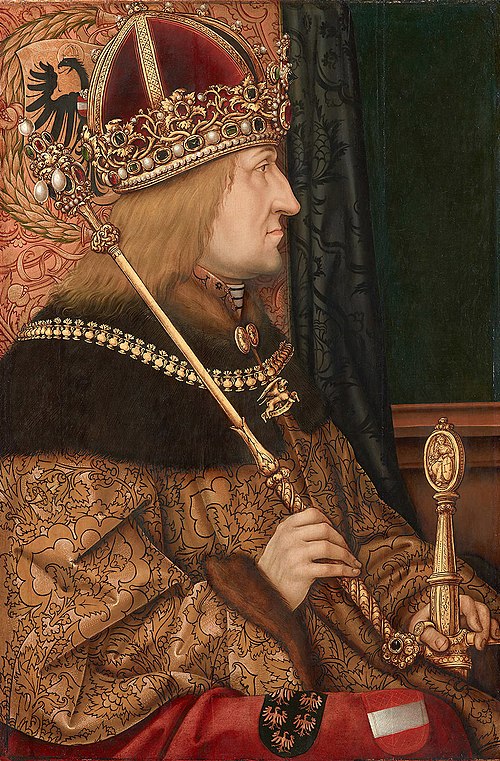
Frederick III, Holy Roman Emperor, displaying the arms of Altösterreich ("Old Austria"): Azure/Sable, five eagles displayed or and the arms of Habsburg (modern) Gules, a fess argent ("Bindenschild"); originally the arms of the House of Babenburg (Duchies of Austria and Styria). Also Habsburg as inescutcheon on the Imperial Eagle (Reichsadler) By Unknown author, Public domain, https://commons.wikimedia.org/w/index.php?curid=4892107
Jan 13, 1330 CE
Frederick the Fair
Frederick the Fair died. He was succeeded by his younger brothers Albert II the Wise, the Lame, Duke of Austria and Otto the Merry, Duke of Austria, ruling jointly as dukes of Austria and Styria. Source — Wikipedia, "Timeline of Austrian history" (14th century):
Portrait of His Grace James Duke of Chandos (1673–1744) By Michael Dahl - Berger Collection: Website; Archived webpage (work no longer in collection as of February 2011), Public domain, https://commons.wikimedia.org/w/index.php?curid=6436291
Apr 2, 1335 CE
Henry of Bohemia
Henry of Bohemia, duke of Carinthia and margrave of Carniola, died, leaving no male heirs. Source — Wikipedia, "Timeline of Austrian history" (14th century):
Portrait of His Grace James Duke of Chandos (1673–1744) By Michael Dahl - Berger Collection: Website; Archived webpage (work no longer in collection as of February 2011), Public domain, https://commons.wikimedia.org/w/index.php?curid=6436291
1339 CE
Otto, Duke of Austria
Otto the Merry died. He was survived by two young sons. Source — Wikipedia, "Timeline of Austrian history" (14th century):
Aug 10, 1344 CE
Otto, Duke of Austria
Otto the Merry's younger son, the sixteen-year-old Leopold II, Duke of Austria, died, possibly due to poisoning. Source — Wikipedia, "Timeline of Austrian history" (14th century):
Aug 16, 1358 CE
Albert II, Duke of Austria
Albert the Wise died. According to his will, he was succeeded by his eldest son, Rudolf IV the Founder, Duke of Austria. Source — Wikipedia, "Timeline of Austrian history" (14th century):
1359 CE
Rudolf IV, Duke of Austria
Rudolf the Founder ordered the creation of the Privilegium Maius, a set of forged documents, some purportedly issued by Julius Caesar, which raised Austria to an archduchy and granted it additional rights including the privilegium de non evocando, the right to issue judgments which could not be appealed to the Holy Roman Emperor. Source — Wikipedia, "Timeline of Austrian history" (14th century):
Frederick III, Holy Roman Emperor, displaying the arms of Altösterreich ("Old Austria"): Azure/Sable, five eagles displayed or and the arms of Habsburg (modern) Gules, a fess argent ("Bindenschild"); originally the arms of the House of Babenburg (Duchies of Austria and Styria). Also Habsburg as inescutcheon on the Imperial Eagle (Reichsadler) By Unknown author, Public domain, https://commons.wikimedia.org/w/index.php?curid=4892107
1363 CE
Rudolf IV, Duke of Austria
Rudolf the Founder and the childless Margaret, Countess of Tyrol signed a treaty providing for the former's inheritance of the County of Tyrol on the latter's death. Source — Wikipedia, "Timeline of Austrian history" (14th century):
White-red. Colours of the state of Tyrol. By No machine-readable author provided. Nightstallion assumed (based on copyright claims). - No machine-readable source provided. Own work assumed (based on copyright claims)., Public domain, https://commons.wikimedia.org/w/index.php?curid=435355
1364 CE
Rudolf IV, Duke of Austria
Rudolf the Founder took the title duke of Carniola. Source — Wikipedia, "Timeline of Austrian history" (14th century):
Portrait of His Grace James Duke of Chandos (1673–1744) By Michael Dahl - Berger Collection: Website; Archived webpage (work no longer in collection as of February 2011), Public domain, https://commons.wikimedia.org/w/index.php?curid=6436291
1365 CE
Novo Mesto
The town of Novo Mesto was established. Source — Wikipedia, "Timeline of Austrian history" (14th century):
1368 CE
Leopold III, Duke of Austria
Leopold the Just expelled Bavarian forces from County of Tyrol. Source — Wikipedia, "Timeline of Austrian history" (14th century):
Rautenflagge (24 Rauten) By Flag_of_Bavaria_(lozengy).svg: Jwnabd derivative work: NsMn (talk) - This file was derived from: Flag of Bavaria (lozengy).svg:, Public domain, https://commons.wikimedia.org/w/index.php?curid=18584631
Oct 3, 1369 CE
Margaret, Countess of Tyrol
Margaret, Countess of Tyrol died. Albert with the Braid and Leopold the Just succeeded her jointly as counts of Tyrol. Source — Wikipedia, "Timeline of Austrian history" (14th century):
Margaret, Countess of Tyrol By Johan Erik Lindh - https://www.finna.fi/Record/musketti.M012:H86056:6, Public domain, https://commons.wikimedia.org/w/index.php?curid=91622948
Dec 1, 1375 CE
Gugler
The mercenary Gugler army crossed the Jura Mountains into Habsburg territory. Source — Wikipedia, "Timeline of Austrian history" (14th century):
Gugler By Unknown author - [1], CC BY-SA 3.0, https://commons.wikimedia.org/w/index.php?curid=26493282
Jan 1, 1376 CE
Gugler
The Gugler were forced to retreat into France. Source — Wikipedia, "Timeline of Austrian history" (14th century):
1379 CE
Albert III, Duke of Austria
Albert with the Braid and Leopold the Just signed the Treaty of Neuberg at Neuberg Abbey, dividing their father's possessions. Albert and his descendants were to rule Austria, Leopold and his descendants Styria, Carinthia, Carniola, Tyrol, Further Austria and Friuli. Source — Wikipedia, "Timeline of Austrian history" (14th century):
A flag made up of a red and white stripe By Theodore Christopher - Own work, CC BY-SA 4.0, https://commons.wikimedia.org/w/index.php?curid=104968073
1382 CE
Imperial Free City of Trieste
The Imperial Free City of Trieste seceded from the Patriarchate of Aquileia and became part of Leopold the Just's domains in exchange for his protection. Source — Wikipedia, "Timeline of Austrian history" (14th century):
Jul 9, 1386 CE
Battle of Sempach
Battle of Sempach: A Swiss force decisively defeated an invasion by Leopold the Just at Sempach. Leopold was killed, along with a number of his vassals. He was succeeded by his young sons William the Courteous, Duke of Austria and Leopold IV the Fat, Duke of Austria, with his brother Albert with the Braid acting as regent. Source — Wikipedia, "Timeline of Austrian history" (14th century):
Bayeux Tapestry - Scene 23: Harold swearing oath on holy relics to William, Duke of Normandy. Titulus: UBI HAROLD SACRAMENTUM FECIT WILLELMO DUCI (Where Harold made an oath to Duke William) By Myrabella - Own work, Public domain, https://commons.wikimedia.org/w/index.php?curid=25401006
Mar 11, 1387 CE
Glarus
The citizens of Glarus declared themselves independent of Austrian rule. Source — Wikipedia, "Timeline of Austrian history" (14th century):
Apr 9, 1388 CE
Battle of Näfels
Battle of Näfels: Swiss forces decisively defeated an Austrian invasion of Glarus at Näfels. Source — Wikipedia, "Timeline of Austrian history" (14th century):
Aug 29, 1395 CE
Albert III, Duke of Austria
Albert with the Braid died. He was succeeded in his lands by his son Albert IV, Duke of Austria. Source — Wikipedia, "Timeline of Austrian history" (14th century):
1401 CE
Appenzell Wars
Appenzell Wars: A popular uprising took place in Appenzell against the rule of the prince-abbot of the Abbey of Saint Gall, an ally of the Habsburgs. Source — Wikipedia, "Timeline of Austrian history" (15th century):
Appenzell Wars By Unknown author - [1], CC BY-SA 3.0, https://commons.wikimedia.org/w/index.php?curid=26493282
Sep 14, 1404 CE
Albert IV, Duke of Austria
Albert IV died. He was succeeded as duke of Austria by his young son Albert II the Magnanimous of Germany, with his cousin William the Courteous acting as regent. Source — Wikipedia, "Timeline of Austrian history" (15th century):
Portrait of His Grace James Duke of Chandos (1673–1744) By Michael Dahl - Berger Collection: Website; Archived webpage (work no longer in collection as of February 2011), Public domain, https://commons.wikimedia.org/w/index.php?curid=6436291
Jul 15, 1406 CE
William, Duke of Austria
William the Courteous died without heirs. He was succeeded in Upper Austria by Leopold the Fat and in Carinthia, Styria and Carniola by another brother, Ernest the Iron, Duke of Austria. Leopold ceded Tyrol to yet another brother, Frederick IV of the Empty Pockets, Duke of Austria and replaced William as regent for Albert the Magnanimous. Source — Wikipedia, "Timeline of Austrian history" (15th century):
A flag made up of a red and white stripe By Theodore Christopher - Own work, CC BY-SA 4.0, https://commons.wikimedia.org/w/index.php?curid=104968073
Jun 3, 1411 CE
Leopold IV, Duke of Austria
Leopold the Fat died. His territories were divided between Ernest the Iron and Frederick of the Empty Pockets. Albert the Magnanimous was granted his majority. Source — Wikipedia, "Timeline of Austrian history" (15th century):
Jul 30, 1419 CE
Hussite Wars
Hussite Wars: A Hussite procession led by the priest Jan Želivský threw seven government officials, including the burgomaster, from the New Town Hall in Prague, killing them. Source — Wikipedia, "Timeline of Austrian history" (15th century):
May 23, 1420 CE
Albert II of Germany
Albert the Magnanimous ordered the imprisonment and forcible conversion of the Jews in Austria. Source — Wikipedia, "Timeline of Austrian history" (15th century):
Mar 12, 1421 CE
Judaism
Two hundred Jews, the last practicing in Austria, were burned at the stake outside Vienna. Source — Wikipedia, "Timeline of Austrian history" (15th century):
Konzert der Wiener Philharmoniker vor Schloss Schönbrunn, Wien By Superbass - Own work, CC BY-SA 3.0, https://commons.wikimedia.org/w/index.php?curid=19845088
1423 CE
Sigismund, Holy Roman Emperor
Sigismund, Holy Roman Emperor, King of the Romans, king of Hungary, king of Croatia and Bohemia and Albert the Magnanimous's father-in-law, appointed Albert margrave of Moravia. Source — Wikipedia, "Timeline of Austrian history" (15th century):
Aachener Dom, Karlsthron By Berthold Werner - Own work, CC BY-SA 3.0, https://commons.wikimedia.org/w/index.php?curid=50404068
Jun 10, 1424 CE
Ernest, Duke of Austria
Ernest the Iron died. He was survived by six children including his young sons Frederick III, Holy Roman Emperor and Albert VI, Archduke of Austria. Frederick of the Empty Pockets appointed himself regent over Ernest's territories. Source — Wikipedia, "Timeline of Austrian history" (15th century):
Ernest, Duke of Austria By Unknown author - Nationalmuseum, Public domain, https://commons.wikimedia.org/w/index.php?curid=64088486
Aug 14, 1431 CE
Battle of Domažlice
Battle of Domažlice: A Holy Roman Empire force, including some troops led by Albert the Magnanimous, was driven from its siege positions at Domažlice and wiped out in the nearby Bohemian Forest. Source — Wikipedia, "Timeline of Austrian history" (15th century):
Banner of the Holy Roman Empire, double headed eagle with halos (1400-1806) By David Liuzzo, eagle by N3MO - Own work, CC BY-SA 3.0, https://commons.wikimedia.org/w/index.php?curid=10025741
1435 CE
Frederick III, Holy Roman Emperor
Frederick III claimed his majority with the support of Albert the Magnanimous. Source — Wikipedia, "Timeline of Austrian history" (15th century):
1436 CE
Albert VI, Archduke of Austria
Albert VI was granted his majority. Source — Wikipedia, "Timeline of Austrian history" (15th century):
Jun 1, 1437 CE
Transylvanian peasant revolt
Transylvanian peasant revolt: A peasant revolt broke out in eastern Hungary following a demand by the local bishop György Lépes that the locals pay several years' overdue tithe in a single lump sum in the new currency. Source — Wikipedia, "Timeline of Austrian history" (15th century):
Bayeux Tapestry - Scene 23: Harold swearing oath on holy relics to William, Duke of Normandy. Titulus: UBI HAROLD SACRAMENTUM FECIT WILLELMO DUCI (Where Harold made an oath to Duke William) By Myrabella - Own work, Public domain, https://commons.wikimedia.org/w/index.php?curid=25401006
Jan 1, 1438 CE
Cluj-Napoca
Transylvanian peasant revolt: The last of the rebels, besieged in Cluj-Napoca, surrendered. Source — Wikipedia, "Timeline of Austrian history" (15th century):
Jun 24, 1439 CE
Frederick IV, Duke of Austria
Frederick of the Empty Pockets died. He was succeeded as duke of Further Austria and count of Tyrol by his young son Sigismund, Archduke of Austria, with Frederick III acting as regent. Source — Wikipedia, "Timeline of Austrian history" (15th century):
Portrait of His Grace James Duke of Chandos (1673–1744) By Michael Dahl - Berger Collection: Website; Archived webpage (work no longer in collection as of February 2011), Public domain, https://commons.wikimedia.org/w/index.php?curid=6436291
Feb 2, 1440 CE
1440 Imperial election
1440 Imperial election: Frederick III was elected King of the Romans at Frankfurt. Source — Wikipedia, "Timeline of Austrian history" (15th century):
Aachener Dom, Karlsthron By Berthold Werner - Own work, CC BY-SA 3.0, https://commons.wikimedia.org/w/index.php?curid=50404068
1442 CE
Canton of Zürich
Old Zürich War: Zürich concluded an alliance with the Holy Roman Empire. Source — Wikipedia, "Timeline of Austrian history" (15th century):
Banner of the Holy Roman Empire, double headed eagle with halos (1400-1806) By David Liuzzo, eagle by N3MO - Own work, CC BY-SA 3.0, https://commons.wikimedia.org/w/index.php?curid=10025741
Jan 1, 1443 CE
Crusade of Varna
Crusade of Varna: The pope Pope Eugene IV called for a crusade to expel the Ottoman Empire from the Balkans. Source — Wikipedia, "Timeline of Austrian history" (15th century):
Pope Leo XIV during a meeting with the media on May 12, 2025 By Edgar Beltrán, The Pillar - Own work, CC BY-SA 4.0, https://commons.wikimedia.org/w/index.php?curid=165153532
Jan 2, 1444 CE
Battle of Kunovica
Battle of Kunovica: An Ottoman army pursuing Hungarian, Polish and Serbian forces after their retreat from Zlatitsa were ambushed and defeated in the shadow of Suva Planina. Source — Wikipedia, "Timeline of Austrian history" (15th century):
Jun 1, 1445 CE
Diet of Hungary
The Diet of Hungary offered the throne of Hungary to Ladislaus on the condition that Frederick III release him and the Holy Crown of Hungary to their care. Frederick refused their terms and invaded. Source — Wikipedia, "Timeline of Austrian history" (15th century):
1446 CE
Sigismund, Archduke of Austria
Sigismund, Archduke of Austria was granted his majority. Source — Wikipedia, "Timeline of Austrian history" (15th century):
Feb 17, 1448 CE
Frederick III, Holy Roman Emperor
Frederick III and the Holy See signed the Concordat of Vienna, recognizing the right of the Holy Roman Emperor to appoint bishops. Source — Wikipedia, "Timeline of Austrian history" (15th century):
Frederick III, Holy Roman Emperor, displaying the arms of Altösterreich ("Old Austria"): Azure/Sable, five eagles displayed or and the arms of Habsburg (modern) Gules, a fess argent ("Bindenschild"); originally the arms of the House of Babenburg (Duchies of Austria and Styria). Also Habsburg as inescutcheon on the Imperial Eagle (Reichsadler) By Unknown author, Public domain, https://commons.wikimedia.org/w/index.php?curid=4892107
Oct 22, 1450 CE
John Hunyadi
John Hunyadi and Frederick III agreed that the latter would be Ladislaus's guardian until his eighteenth birthday, in defiance of local customs which granted majority at twelve or sixteen. Source — Wikipedia, "Timeline of Austrian history" (15th century):
1451 CE
Frederick III, Holy Roman Emperor
Frederick III recognized George of Poděbrady as governor of Bohemia. Source — Wikipedia, "Timeline of Austrian history" (15th century):
Mar 19, 1452 CE
Frederick III, Holy Roman Emperor
Frederick III was crowned Holy Roman Emperor with the Imperial Crown of the Holy Roman Empire in Rome by the pope Pope Nicholas V. Source — Wikipedia, "Timeline of Austrian history" (15th century):
Frederick III, Holy Roman Emperor, displaying the arms of Altösterreich ("Old Austria"): Azure/Sable, five eagles displayed or and the arms of Habsburg (modern) Gules, a fess argent ("Bindenschild"); originally the arms of the House of Babenburg (Duchies of Austria and Styria). Also Habsburg as inescutcheon on the Imperial Eagle (Reichsadler) By Unknown author, Public domain, https://commons.wikimedia.org/w/index.php?curid=4892107
Jan 1, 1453 CE
John Hunyadi
John Hunyadi resigned as governor of Hungary but remained in charge of collecting tax. Source — Wikipedia, "Timeline of Austrian history" (15th century):
Oct 2, 1454 CE
Battle of Kruševac
Battle of Kruševac: While Ottoman forces mobilized further north for an invasion of Serbia, Serbian and Hungarian forces surprised and defeated a smaller contingent at Kruševac. Source — Wikipedia, "Timeline of Austrian history" (15th century):
Jul 4, 1456 CE
Siege of Belgrade
Siege of Belgrade (1456): Ottoman forces laid siege to what is now Belgrade. Source — Wikipedia, "Timeline of Austrian history" (15th century):
Nov 23, 1457 CE
Ladislaus the Posthumous
Ladislaus the Posthumous died of plague or leukemia in Prague. Frederick III and Albert VI claimed his inheritance. Source — Wikipedia, "Timeline of Austrian history" (15th century):
Jan 24, 1458 CE
John Hunyadi
John Hunyadi's young son Matthias Corvinus was unanimously elected king of Hungary by the Hungarian nobility. Source — Wikipedia, "Timeline of Austrian history" (15th century):
1460 CE
Sigismund, Archduke of Austria
Sigismund, Archduke of Austria was excommunicated by the pope Pope Pius II over a territorial conflict with cardinal Nicholas of Cusa, the prince-bishop of Brixen. Source — Wikipedia, "Timeline of Austrian history" (15th century):
Pope Leo XIV during a meeting with the media on May 12, 2025 By Edgar Beltrán, The Pillar - Own work, CC BY-SA 4.0, https://commons.wikimedia.org/w/index.php?curid=165153532
1462 CE
Albert VI, Archduke of Austria
Albert VI supported an urban revolt in Frederick III's capital Vienna, enabling him to take possession of what is now Lower Austria. Source — Wikipedia, "Timeline of Austrian history" (15th century):
Konzert der Wiener Philharmoniker vor Schloss Schönbrunn, Wien By Superbass - Own work, CC BY-SA 3.0, https://commons.wikimedia.org/w/index.php?curid=19845088
Jul 19, 1463 CE
Kingdom of Hungary
Hungary and the Holy Roman Empire signed the Peace Treaty of Wiener Neustadt. Frederick III released the Holy Crown of Hungary to the Hungarian king Matthias Corvinus in exchange for eighty thousand florins and the promise that, if Matthias died without heirs, the throne would pass to Frederick or his son Maximilian I, Holy Roman Emperor. Source — Wikipedia, "Timeline of Austrian history" (15th century):
Banner of the Holy Roman Empire, double headed eagle with halos (1400-1806) By David Liuzzo, eagle by N3MO - Own work, CC BY-SA 3.0, https://commons.wikimedia.org/w/index.php?curid=10025741
1468 CE
Bohemian–Hungarian War
Bohemian–Hungarian War (1468–1478): Matthias Corvinus, the king of Hungary, invaded Bohemia on the pretext of restoring it to Catholicism. Source — Wikipedia, "Timeline of Austrian history" (15th century):
1469 CE
Sigismund, Archduke of Austria
Sigismund, Archduke of Austria sold some territories on the Rhine to Charles the Bold, duke of Burgundy. Source — Wikipedia, "Timeline of Austrian history" (15th century):
1473 CE
Cologne Diocesan Feud
Cologne Diocesan Feud: The Landstände of the Electorate of Cologne declared the archbishop, Ruprecht of the Palatinate, deposed and elevated Hermann IV of Hesse in his stead as diocesan administrator. Source — Wikipedia, "Timeline of Austrian history" (15th century):
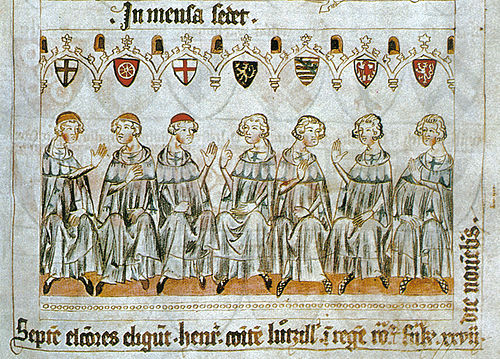
The "Seven Prince Electors" electing Henry, Count of Luxembourg Henry VII, Holy Roman Emperor at Frankfurt on 27 November 1308 (Reigned 29 June 1312 – 24 August 1313). "In Mensa sedet". Pen-and-ink miniature from the picture chronicle of Henry VII (Balduineum). Drawing on parchment from 1341; today at public main federal state record office in Koblenz, Germany. "The seven electors choose Henry, Count of Luxembourg, as King of the Romans at Frankfurt on the 27th day of November." Henry's brother, Baldwin, Archbishop of Trier, won over a number of the electors, including the Archbishop of Cologne, in exchange for some substantial concessions. Consequently, Henry skillfully negotiated his way to the crown, elected with six votes at Frankfurt on 27 November 1308. The only elector who did not support him was Henry, King of Bohemia. Henry was subsequently crowned at Aachen on 6 January 1309. The electoral princes, identified by the coats of arms above their heads, from left to right are: 1: Heinrich II of Virneburg, Archbishop of Cologne 2: Peter of Aspelt (aka Peter von Aspelt/Aichspelt, Peter von Basel, Peter von Mainz) Archbishop of Mainz 3: Baldwin of Luxembourg (Balduin von Luxemburg) Archbishop-Elector of Trier 4: Rudolf I, Duke of Bavaria, called "the Stammerer" (German: Rudolf der Stammler; 4 October 1274 – 12 August 1319), a member of the Wittelsbach dynasty, was Duke of Upper Bavaria and Count Palatine of the Rhine. 5: Rudolf I, Duke of Saxe-Wittenberg (c.1284-1356) (Sachsen-Wittenberg), a member of the House of Ascania, was Duke of Saxe-Wittenberg from 1298 until his death. By the Golden Bull of 1356 he was acknowledged as Elector of Saxony and Marshal of the Holy Roman Empire. 6: Waldemar, Margrave of Brandenburg-Stendal "Waldemar the Great" (c.1280-1319), a member of the House of Ascania, was Margrave of Brandenburg-Stendal from 1308 until his death. 7: King Henry of Bohemia "Henry of Gorizia" (c.1265-1335), a member of the House of Gorizia, was Duke of Carinthia and Landgrave of Carniola (as Henry VI) and Count of Tyrol from 1295 until his death, as well as King of Bohemia, Margrave of Moravia and titular King of Poland in 1306 and again from 1307 until 1310. By Unknown author - Landeshauptarchiv Koblenz, Public domain, https://commons.wikimedia.org/w/index.php?curid=342700
1474 CE
Sigismund, Archduke of Austria
Sigismund, Archduke of Austria purchased the County of Sonnenberg. Source — Wikipedia, "Timeline of Austrian history" (15th century):
May 1, 1475 CE
Frederick III, Holy Roman Emperor
Siege of Neuss: The arrival of Frederick III's forces compelled the Duchy of Burgundy to lift the siege of Neuss. The Burgundian duke Charles the Bold promised the hand of his only child, Mary of Burgundy, to Maximilian. Source — Wikipedia, "Timeline of Austrian history" (15th century):
Jan 5, 1477 CE
Battle of Nancy
Battle of Nancy: The Burgundian army was surrounded and wiped out by Swiss and Lorrain forces while besieging the Lorrain capital Nancy, now Nancy, France. Charles the Bold, the duke of Burgundy, was killed. Source — Wikipedia, "Timeline of Austrian history" (15th century):
Mar 1, 1478 CE
Matthias Corvinus
Bohemian–Hungarian War (1468–1478): Matthias Corvinus, king of Hungary and Vladislaus II of Hungary, king of Bohemia signed the Treaty of Brno, ending the war. Vladislaus accepted Matthias's conquests in Bohemia. Each recognized the other's right to use the title king of Bohemia. Source — Wikipedia, "Timeline of Austrian history" (15th century):
Aachen, Germany. Bust of Charlemagne in Aachen Cathedral Treasury. By Beckstet - Own work, CC BY-SA 3.0, https://commons.wikimedia.org/w/index.php?curid=15563212
Aug 7, 1479 CE
Battle of Guinegate
Battle of Guinegate (1479): Burgundian forces defeated a smaller French army at Enguinegatte, defending Maximilian's claim against that of the French king Louis XI of France. Source — Wikipedia, "Timeline of Austrian history" (15th century):
Aachen, Germany. Bust of Charlemagne in Aachen Cathedral Treasury. By Beckstet - Own work, CC BY-SA 3.0, https://commons.wikimedia.org/w/index.php?curid=15563212
Mar 27, 1482 CE
Mary of Burgundy
Mary of Burgundy died. Philip I the Handsome, the Fair of Castile, her young son and Maximilian's, succeeded as duke of Burgundy. Maximilian took over the rule of Burgundy as regent for his son. Source — Wikipedia, "Timeline of Austrian history" (15th century):
Mary of Burgundy By Unknown author - Nationalmuseum, Public domain, https://commons.wikimedia.org/w/index.php?curid=64088486
Jun 5, 1483 CE
Flemish revolts against Maximilian of Austria
Flemish revolts against Maximilian of Austria: The cities of Flanders established a regency council for the young Philip the Handsome. Source — Wikipedia, "Timeline of Austrian history" (15th century):
Flemish revolts against Maximilian of Austria By Unknown author - Nationalmuseum, Public domain, https://commons.wikimedia.org/w/index.php?curid=64088486
1484 CE
Battle of Leitzersdorf
Battle of Leitzersdorf: A Hungarian army forced a numerically superior Austrian force from the battlefield at Leitzersdorf. Source — Wikipedia, "Timeline of Austrian history" (15th century):
Jan 29, 1485 CE
Siege of Vienna
Siege of Vienna (1485): The Hungarian army laid siege to Vienna. Source — Wikipedia, "Timeline of Austrian history" (15th century):
Konzert der Wiener Philharmoniker vor Schloss Schönbrunn, Wien By Superbass - Own work, CC BY-SA 3.0, https://commons.wikimedia.org/w/index.php?curid=19845088
1486 CE
Siege of Wiener Neustadt
Siege of Wiener Neustadt: Hungarian forces laid siege to the Austrian city of Wiener Neustadt. Source — Wikipedia, "Timeline of Austrian history" (15th century):
1487 CE
Frederick III, Holy Roman Emperor
Frederick III fled Wiener Neustadt for Graz. Source — Wikipedia, "Timeline of Austrian history" (15th century):
Graz By Nick Savchenko from Kiev, Ukraine - Graz, CC BY-SA 2.0, https://commons.wikimedia.org/w/index.php?curid=66690257
Jan 8, 1488 CE
Maximilian I, Holy Roman Emperor
Maximilian issued a decree establishing the Royal Netherlands Navy. Source — Wikipedia, "Timeline of Austrian history" (15th century):
Sep 11, 1489 CE
pope
The pope Pope Innocent VIII excommunicated and deposed Ferdinand I of Naples, the king of Naples, following his refusal to pay feudal dues and offered the kingdom to Charles VIII of France, the king of France, who had a claim through descent from his grandfather. Source — Wikipedia, "Timeline of Austrian history" (15th century):
Pope Leo XIV during a meeting with the media on May 12, 2025 By Edgar Beltrán, The Pillar - Own work, CC BY-SA 4.0, https://commons.wikimedia.org/w/index.php?curid=165153532
1490 CE
County of Tyrol
The Tyrolean nobility forced Sigismund, Archduke of Austria to abdicate in favor of Maximilian. Source — Wikipedia, "Timeline of Austrian history" (15th century):
White-red. Colours of the state of Tyrol. By No machine-readable author provided. Nightstallion assumed (based on copyright claims). - No machine-readable source provided. Own work assumed (based on copyright claims)., Public domain, https://commons.wikimedia.org/w/index.php?curid=435355
Nov 7, 1491 CE
Maximilian I, Holy Roman Emperor
Maximilian and Vladislaus II of Hungary, the king of Hungary, signed the Peace of Pressburg in what is now Bratislava. Vladislaus renounced Hungary's conquests in Austria and promised the throne to Maximilian in the event of his death without heirs. In return, Maximilian recognized Vladislaus's rule in Hungary. Source — Wikipedia, "Timeline of Austrian history" (15th century):
1492 CE
Flemish revolts against Maximilian of Austria:
Flemish revolts against Maximilian of Austria: The second revolt was suppressed. Source — Wikipedia, "Timeline of Austrian history" (15th century):
May 1, 1493 CE
Maximilian I, Holy Roman Emperor
Maximilian and Charles VIII of France, the king of France, signed the Treaty of Senlis at Senlis, under whose terms the French king returned the Burgundian territories he had won by the Treaty of Arras. Philip the Handsome was granted his majority and became ruler of the disputed territories. Source — Wikipedia, "Timeline of Austrian history" (15th century):
Aachen, Germany. Bust of Charlemagne in Aachen Cathedral Treasury. By Beckstet - Own work, CC BY-SA 3.0, https://commons.wikimedia.org/w/index.php?curid=15563212
Jan 25, 1494 CE
Ferdinand I of Naples
Ferdinand I of Naples died of colorectal cancer. He was succeeded as king of Naples by his son Alfonso II of Naples. Source — Wikipedia, "Timeline of Austrian history" (15th century):
Aachen, Germany. Bust of Charlemagne in Aachen Cathedral Treasury. By Beckstet - Own work, CC BY-SA 3.0, https://commons.wikimedia.org/w/index.php?curid=15563212
Feb 2, 1495 CE
Diet of Worms
Diet of Worms (1495): A session of the Imperial Diet opened at Worms, Germany. Source — Wikipedia, "Timeline of Austrian history" (15th century):
Diet of Worms By Unknown author, Public domain, https://commons.wikimedia.org/w/index.php?curid=508490
1496 CE
Judaism
The Jews were expelled from Styria and Wiener Neustadt. Source — Wikipedia, "Timeline of Austrian history" (15th century):
Oct 4, 1497 CE
John, Prince of Asturias
John, Prince of Asturias, the heir apparent to the thrones of Castile and Aragon, died without issue. His older sister Isabella of Aragon, Queen of Portugal succeeded as heir apparent. Source — Wikipedia, "Timeline of Austrian history" (15th century):
Apr 7, 1498 CE
Charles VIII of France
Italian War of 1494–1498: Charles VIII of France, the king of France, died, probably from an epidural hematoma after bumping his head on a doorframe, effectively ending the war. Source — Wikipedia, "Timeline of Austrian history" (15th century):
Aachen, Germany. Bust of Charlemagne in Aachen Cathedral Treasury. By Beckstet - Own work, CC BY-SA 3.0, https://commons.wikimedia.org/w/index.php?curid=15563212
Jan 20, 1499 CE
Swabian War
Swabian War: Imperial and Swabian League forces occupied the Val Müstair, a strategically important pass in the Three Leagues. Source — Wikipedia, "Timeline of Austrian history" (15th century):
Banner of the Holy Roman Empire, double headed eagle with halos (1400-1806) By David Liuzzo, eagle by N3MO - Own work, CC BY-SA 3.0, https://commons.wikimedia.org/w/index.php?curid=10025741
1500 CE
Imperial Diet
An Imperial Diet at Augsburg established six imperial circles, administrative divisions over many of the states of the Holy Roman Empire, in order to better organize military forces and tax collection in the Empire. It also established an Imperial Government, a permanent government seated at Nuremberg composed of representatives of twenty princes of the Empire. Source — Wikipedia, "Timeline of Austrian history" (15th century):
Imperial Diet By Unknown author, Public domain, https://commons.wikimedia.org/w/index.php?curid=508490
1502 CE
Maximilian I, Holy Roman Emperor
Maximilian dissolved the Imperial Government of the Holy Roman Empire. Source — Wikipedia, "Timeline of Austrian history" (16th century):
Banner of the Holy Roman Empire, double headed eagle with halos (1400-1806) By David Liuzzo, eagle by N3MO - Own work, CC BY-SA 3.0, https://commons.wikimedia.org/w/index.php?curid=10025741
Nov 26, 1504 CE
Isabella I of Castile
Isabella I of Castile, the queen of Castile, died. She was succeeded by her daughter, Philip the Handsome's wife, Joanna of Castile. The Castilian nobility refused the regency of Ferdinand II of Aragon, king of Aragon, Isabella's widower and father to the purportedly mentally ill Joanna, and summoned Philip to take the throne. Source — Wikipedia, "Timeline of Austrian history" (16th century):
Aachen, Germany. Bust of Charlemagne in Aachen Cathedral Treasury. By Beckstet - Own work, CC BY-SA 3.0, https://commons.wikimedia.org/w/index.php?curid=15563212
Jan 1, 1506 CE
Philip I of Castile
Philip the Handsome was shipwrecked off the coast of Dorset on his way to claim the throne of Castile and taken into the custody of Henry VII of England, the king of England. Source — Wikipedia, "Timeline of Austrian history" (16th century):
Aachen, Germany. Bust of Charlemagne in Aachen Cathedral Treasury. By Beckstet - Own work, CC BY-SA 3.0, https://commons.wikimedia.org/w/index.php?curid=15563212
1507 CE
Maximilian I, Holy Roman Emperor
Maximilian appointed his daughter Margaret of Austria, Duchess of Savoy regent of the Netherlands for the young Charles. Source — Wikipedia, "Timeline of Austrian history" (16th century):
Maximilian I, Holy Roman Emperor By Unknown author - Nationalmuseum, Public domain, https://commons.wikimedia.org/w/index.php?curid=64088486
Feb 1, 1508 CE
War of the League of Cambrai
War of the League of Cambrai: Maximilian invaded Venice with the aim of reconquering the Romagna for the Papal States. Source — Wikipedia, "Timeline of Austrian history" (16th century):
Feb 1, 1509 CE
Joanna of Castile
Joanna of Castile, the queen of Castile, was sequestered in the Royal Convent of Santa Clara in Tordesillas. Source — Wikipedia, "Timeline of Austrian history" (16th century):
Oct 1, 1511 CE
Maximilian I, Holy Roman Emperor
Maximilian joined Venice and the Papal States in a military alliance against the French. Source — Wikipedia, "Timeline of Austrian history" (16th century):
Aug 16, 1513 CE
Battle of the Spurs
Battle of the Spurs: French forces attempting to break an English and Holy Roman Empire siege of Thérouanne were met by the besiegers at modern Enguinegatte and routed with heavy casualties. Source — Wikipedia, "Timeline of Austrian history" (16th century):
Flag of England. Saint George's cross (a red cross on a white background), used as the Flag of England, the Italian city of Genoa and various other places. By Original: traditional Vector: Nicholas Shanks - Own work, Public domain, https://commons.wikimedia.org/w/index.php?curid=389789
Jul 22, 1515 CE
First Congress of Vienna
First Congress of Vienna: Philip the Handsome's younger son Ferdinand I, Holy Roman Emperor married Anne of Bohemia and Hungary, the eldest child of Vladislaus II of Hungary, king of Hungary as well as king of Bohemia and Croatia. Philip's daughter Mary of Hungary married Vladislaus's other child, his son Louis II of Hungary. Source — Wikipedia, "Timeline of Austrian history" (16th century):
Royal coat of arms of the Kingdom of Hungary flanked by angels, used from 6 November 1915 to 29 November 1918. By József Sebestyén - This vector image includes elements that have been taken or adapted from this file:, Public domain, https://commons.wikimedia.org/w/index.php?curid=33199441
Jan 23, 1516 CE
Ferdinand II of Aragon
Ferdinand II of Aragon, the king of Aragon, died. He was succeeded in Aragon, Catalonia, Valencia, Naples, Sicily and Sardinia by his daughter Joanna of Castile and as regent of Castile by Francisco Jiménez de Cisneros, the archbishop of Toledo. Source — Wikipedia, "Timeline of Austrian history" (16th century):
Aachen, Germany. Bust of Charlemagne in Aachen Cathedral Treasury. By Beckstet - Own work, CC BY-SA 3.0, https://commons.wikimedia.org/w/index.php?curid=15563212
Oct 31, 1517 CE
Martin Luther
Martin Luther, a professor of moral theology at the University of Wittenberg, now part of the Martin Luther University of Halle-Wittenberg, published the Ninety-five Theses, which criticized the Church practice of selling indulgences. Source — Wikipedia, "Timeline of Austrian history" (16th century):
Feb 1, 1518 CE
Kingdom of Castile
The Castilian Cortes accepted Charles in exchange for his promise to learn Spanish and to refrain from taking precious metals out of Castile or appointing foreign officers. Source — Wikipedia, "Timeline of Austrian history" (16th century):
Jan 12, 1519 CE
Maximilian I, Holy Roman Emperor
Maximilian died. He was succeeded as archduke of Austria by Charles. Source — Wikipedia, "Timeline of Austrian history" (16th century):
Apr 16, 1520 CE
Revolt of the Comuneros
Revolt of the Comuneros: Rioters in Toledo, Spain, opposed to Charles' election as King of the Romans and his burdensome tax policy, expelled his appointed city councilors and elected a citizens' committee. Source — Wikipedia, "Timeline of Austrian history" (16th century):
Aachener Dom, Karlsthron By Berthold Werner - Own work, CC BY-SA 3.0, https://commons.wikimedia.org/w/index.php?curid=50404068
Jan 28, 1521 CE
Diet of Worms
Diet of Worms: An Imperial Diet of the Holy Roman Empire convened at Worms, Germany to address the writings of Martin Luther. Source — Wikipedia, "Timeline of Austrian history" (16th century):
Diet of Worms By Unknown author, Public domain, https://commons.wikimedia.org/w/index.php?curid=508490
Apr 27, 1522 CE
Battle of Bicocca
Battle of Bicocca: A French force of Swiss mercenaries advancing under heavy artillery fire failed to dislodge Holy Roman Empire forces from Bicocca in Milan. Source — Wikipedia, "Timeline of Austrian history" (16th century):
Banner of the Holy Roman Empire, double headed eagle with halos (1400-1806) By David Liuzzo, eagle by N3MO - Own work, CC BY-SA 3.0, https://commons.wikimedia.org/w/index.php?curid=10025741
1523 CE
Siege of Fuenterrabía
Siege of Fuenterrabía (1523–1524): Castilian and Aragonese forces laid siege to Hondarribia, where remained forces loyal to Henry II of Navarre and to the independence of Navarre. Source — Wikipedia, "Timeline of Austrian history" (16th century):
1524 CE
Hondarribia
Siege of Fuenterrabía (1523–1524): The occupants of the castle at Hondarribia surrendered to the besiegers. Source — Wikipedia, "Timeline of Austrian history" (16th century):
Feb 24, 1525 CE
Battle of Pavia
Battle of Pavia: After a precipitate attack, a French force was surrounded and destroyed by Holy Roman Empire artillery at Visconti Park. The French king Francis I of France was captured. Source — Wikipedia, "Timeline of Austrian history" (16th century):
Banner of the Holy Roman Empire, double headed eagle with halos (1400-1806) By David Liuzzo, eagle by N3MO - Own work, CC BY-SA 3.0, https://commons.wikimedia.org/w/index.php?curid=10025741
Jan 14, 1526 CE
Kingdom of France
Italian War of 1521–1526: The French king Francis I of France, in captivity in Madrid, and Charles, the Holy Roman Emperor, signed a treaty under which Francis renounced all his claims in Italy, Flanders and Artois, surrendered Burgundy to Charles, and agreed to withdraw his support from Henry II of Navarre, claimant to the throne of Navarre. Source — Wikipedia, "Timeline of Austrian history" (16th century):
Aachen, Germany. Bust of Charlemagne in Aachen Cathedral Treasury. By Beckstet - Own work, CC BY-SA 3.0, https://commons.wikimedia.org/w/index.php?curid=15563212
Jan 1, 1527 CE
Election in Cetin
Election in Cetin: The Croatian nobility unanimously elected Ferdinand king at Cetin Castle. Source — Wikipedia, "Timeline of Austrian history" (16th century):
Kingdom of Croatia in 1260, with Slavonia as an autonomous province, both under the King of Hungary. At the time it was in personal union with Kingdom of Hungary. Based on the map "IV. Béla birodalma 1260 táján" from Hóman-Szekfű: Magyar Történet By Tezwoo - Own work, CC BY-SA 4.0, https://commons.wikimedia.org/w/index.php?curid=38885558
Mar 20, 1528 CE
Battle of Szina
Battle of Szina: Ferdinand's forces decisively defeated the army of John Zápolya, his rival in the struggle for the Hungarian succession. Zápolya was forced to flee into Poland. Source — Wikipedia, "Timeline of Austrian history" (16th century):
Mar 15, 1529 CE
Diet of Speyer
Diet of Speyer (1529): An Imperial Diet of the Holy Roman Empire was convened at Speyer to address Ottoman gains in Europe and the rise of Lutheranism. Ferdinand, on behalf of his brother Charles, the Holy Roman Emperor, called for the reinstatement of the ban on Martin Luther and his followers and condemned the religious innovations that had taken place in the Imperial Estates. Source — Wikipedia, "Timeline of Austrian history" (16th century):
Diet of Speyer By Unknown author, Public domain, https://commons.wikimedia.org/w/index.php?curid=508490
1530 CE
Holy Roman Empire
Siege of Florence (1529–30): The Holy Roman Empire took the city of Volterra, cutting off Florence's primary supply line. Source — Wikipedia, "Timeline of Austrian history" (16th century):
Banner of the Holy Roman Empire, double headed eagle with halos (1400-1806) By David Liuzzo, eagle by N3MO - Own work, CC BY-SA 3.0, https://commons.wikimedia.org/w/index.php?curid=10025741
Jan 5, 1531 CE
1531 Imperial election
1531 Imperial election: Ferdinand was elected King of the Romans. The prince-electors agreed to elect Charles's preferred candidate, his young son Philip II of Spain, to succeed Ferdinand. Source — Wikipedia, "Timeline of Austrian history" (16th century):
Aachener Dom, Karlsthron By Berthold Werner - Own work, CC BY-SA 3.0, https://commons.wikimedia.org/w/index.php?curid=50404068
Aug 5, 1532 CE
Siege of Güns
Siege of Güns: Ottoman forces laid siege to Kőszeg, a Hungarian town loyal to Ferdinand, on the border of Austria. Source — Wikipedia, "Timeline of Austrian history" (16th century):
Jul 22, 1533 CE
Ottoman Empire
Austria and the Ottoman Empire signed the Treaty of Constantinople, ending their conflict. Ferdinand recognized John Zápolya as king of Hungary in exchange for Ottoman recognition of his conquests in the west of the kingdom, signaling its de facto division into the Eastern Hungarian Kingdom, a vassal state of the Ottoman Empire, and Royal Hungary. Source — Wikipedia, "Timeline of Austrian history" (16th century):
Aug 3, 1601 CE
Battle of Guruslău
Battle of Guruslău: A force of Hungarians, Wallachians and Cossacks defeated the rebel Transylvanian prince Sigismund Báthory on the plain of the Guruslău River. Source — Wikipedia, "Timeline of Austrian history" (17th century):
Sep 28, 1604 CE
Bocskai uprising
Bocskai uprising: The Hungarian nobleman Stephen Bocskai launched a revolt against Habsburg dominion over Hungary. Source — Wikipedia, "Timeline of Austrian history" (17th century):
Bocskai uprising By Unknown author - [1], CC BY-SA 3.0, https://commons.wikimedia.org/w/index.php?curid=26493282
Jun 23, 1606 CE
Kingdom of Hungary
Bocskai uprising: The Hungarian nobleman Stephen Bocskai and Rudolf II, Holy Roman Emperor, the Holy Roman Emperor, king of Bohemia, Hungary and Croatia and archduke of Austria, signed the Treaty of Vienna, naming the former prince of Transylvania and granting some additional rights to religious minorities in Hungary. Source — Wikipedia, "Timeline of Austrian history" (17th century):
Frederick III, Holy Roman Emperor, displaying the arms of Altösterreich ("Old Austria"): Azure/Sable, five eagles displayed or and the arms of Habsburg (modern) Gules, a fess argent ("Bindenschild"); originally the arms of the House of Babenburg (Duchies of Austria and Styria). Also Habsburg as inescutcheon on the Imperial Eagle (Reichsadler) By Unknown author, Public domain, https://commons.wikimedia.org/w/index.php?curid=4892107
Jun 25, 1608 CE
Rudolf II, Holy Roman Emperor
Rudolf's younger brother Matthias, Holy Roman Emperor, the governor of Austria, with the support of the nobility in Austria, Hungary and Moravia, forced him to cede the rule of those lands. Source — Wikipedia, "Timeline of Austrian history" (17th century):
Jul 9, 1701 CE
Battle of Carpi
Battle of Carpi: An Austrian army dispatched a small French force at Carpi, near Legnago, during its crossing into Italy. Source — Wikipedia, "Timeline of Austrian history" (18th century):
Feb 1, 1702 CE
Battle of Cremona
Battle of Cremona: Austrian forces entered the French-held city of Cremona but, failing to take the citadel of the city and facing the arrival of French reinforcements, withdrew. Source — Wikipedia, "Timeline of Austrian history" (18th century):
Feb 9, 1801 CE
War of the Second Coalition
War of the Second Coalition: France and Francis II, Holy Roman Emperor, the latter acting as emperor of the Holy Roman Empire and as king of Hungary, Bohemia and Croatia and archduke of Austria, signed the Treaty of Lunéville, ending their conflict. France made territorial gains, including the extension of its border with the Holy Roman Empire east to the Rhine. Source — Wikipedia, "Timeline of Austrian history" (19th century):
Frederick III, Holy Roman Emperor, displaying the arms of Altösterreich ("Old Austria"): Azure/Sable, five eagles displayed or and the arms of Habsburg (modern) Gules, a fess argent ("Bindenschild"); originally the arms of the House of Babenburg (Duchies of Austria and Styria). Also Habsburg as inescutcheon on the Imperial Eagle (Reichsadler) By Unknown author, Public domain, https://commons.wikimedia.org/w/index.php?curid=4892107
Aug 11, 1804 CE
Francis II, Holy Roman Emperor
Francis took the title Emperor of Austria. Source — Wikipedia, "Timeline of Austrian history" (19th century):
Sep 25, 1805 CE
Ulm Campaign
Ulm Campaign: A French-Bavarian force crossed the Rhine into Germany. Source — Wikipedia, "Timeline of Austrian history" (19th century):
Jan 18, 1901 CE
1900–1901 Cisleithanian legislative election
1900–1901 Cisleithanian legislative election: The last round of elections were held to the Imperial Council. Ethnic nationalist parties won the majority of seats. Source — Wikipedia, "Timeline of Austrian history" (20th century):
May 14, 1907 CE
1907 Cisleithanian legislative election
1907 Cisleithanian legislative election: The first round of elections was held to the Imperial Council. Source — Wikipedia, "Timeline of Austrian history" (20th century):
Sep 10, 1919 CE
First Austrian Republic
The First Austrian Republic was created after the signing of the Treaty of Saint-Germain-en-Laye. Source — Wikipedia, "Timeline of Austrian history" (20th century):
Mar 13, 1938 CE
Nazi Germany
Nazi Germany annexed Austria on. Source — Wikipedia, "Timeline of Austrian history" (20th century):
1945 CE
Soviet Union
Soviet Union liberates Austria from Nazi Germany. Source — Wikipedia, "Timeline of Austrian history" (20th century):
1975 CE
Niki Lauda
Niki Lauda wins the 1975 Formula One season against James Hunt. Source — Wikipedia, "Timeline of Austrian history" (20th century):
Jan 1, 1995 CE
European Union
Austria joined the European Union. Source — Wikipedia, "Timeline of Austrian history" (20th century):
Aug 1, 2002 CE
2002 European floods
2002 European floods: Heavy rains resulted in destructive flooding in Salzburg and Upper Austria. Source — Wikipedia, "Timeline of Austrian history" (21st century):
Apr 25, 2004 CE
2004 Austrian presidential election
2004 Austrian presidential election: Heinz Fischer of the social democratic Social Democratic Party of Austria (SPÖ) was elected president with fifty-two percent of the vote. Source — Wikipedia, "Timeline of Austrian history" (21st century):
May 20, 2019 CE
Niki Lauda dies
Niki Lauda dies Source — Wikipedia, "Timeline of Austrian history" (21st century):


![Sacramentary of king Henry II [1002-14] - München BSB Clm 4456 Seite 33c: King Henry II](https://upload.wikimedia.org/wikipedia/commons/thumb/a/aa/Kronung_Heinrich_II.jpg/500px-Kronung_Heinrich_II.jpg)
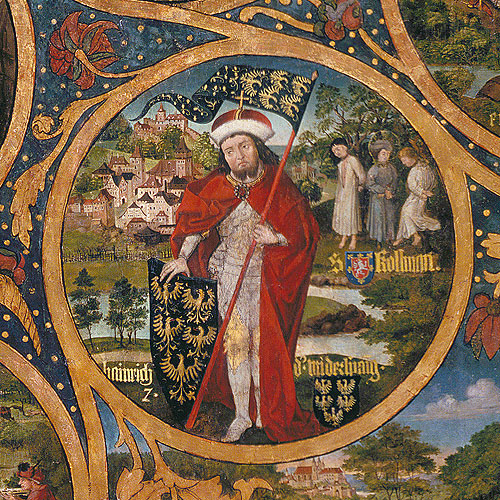
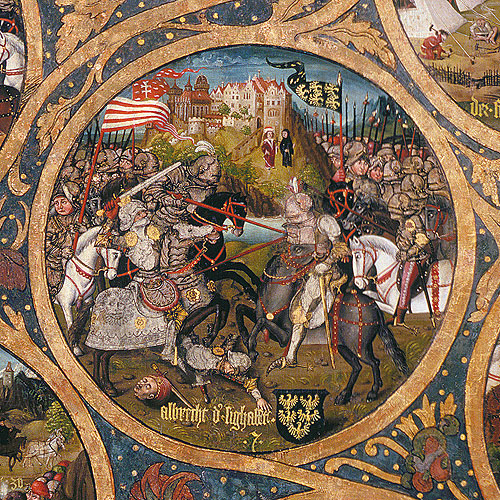


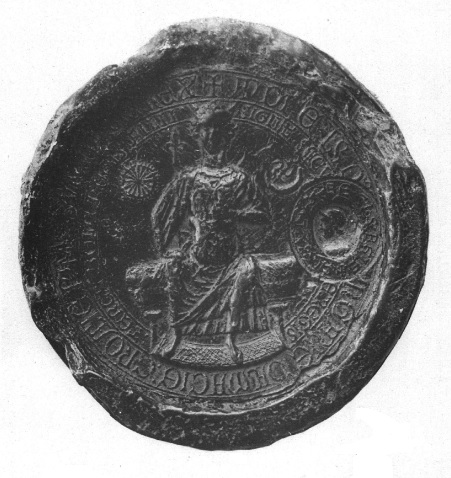

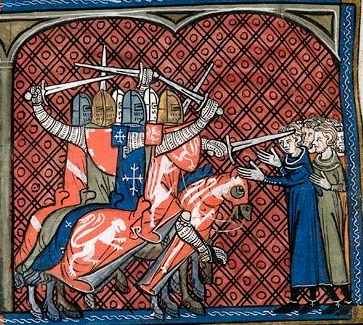
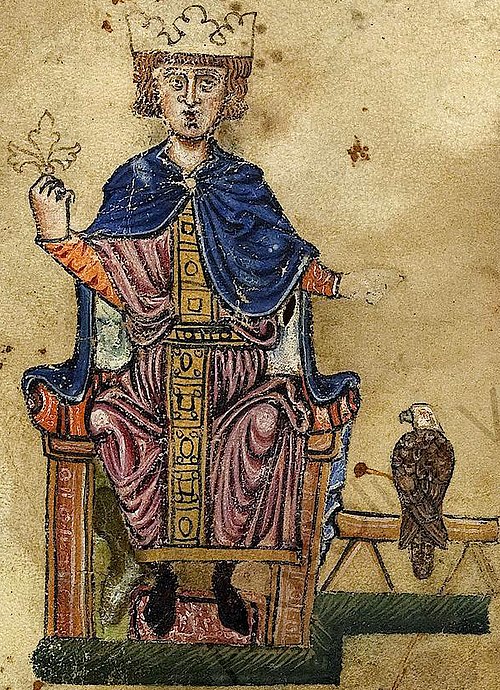


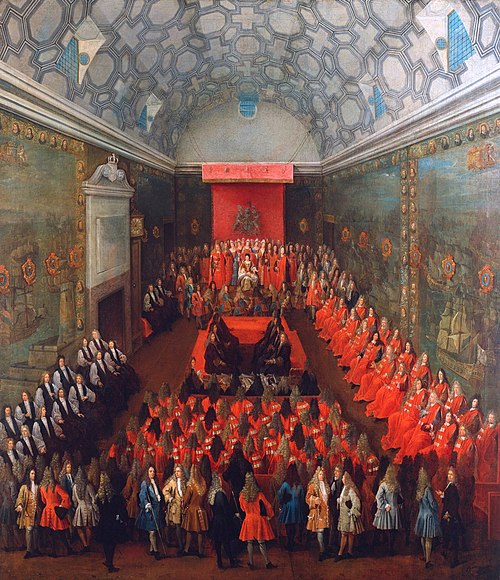


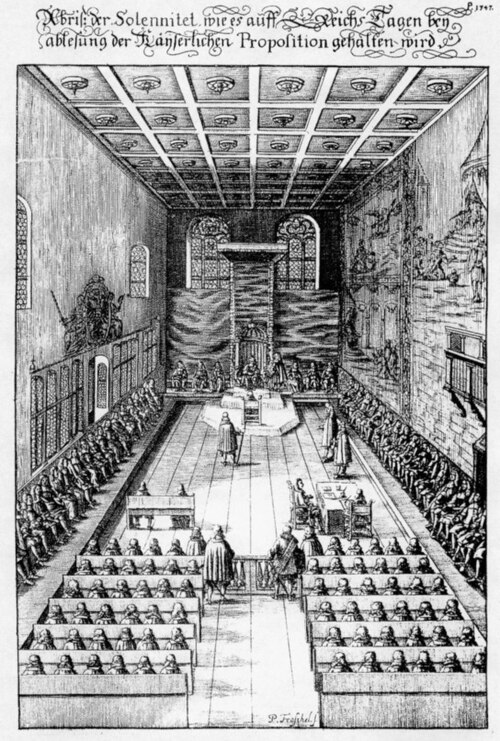

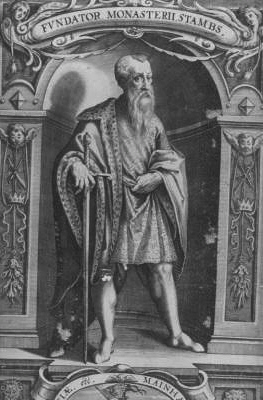


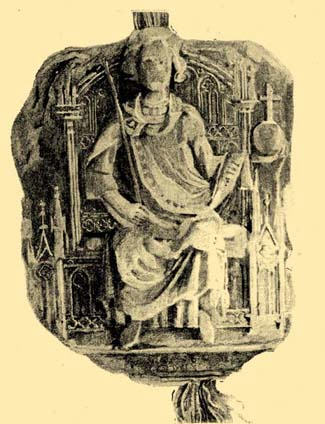

![Albert I of Habsburg Der österreichisch-ungarische Monarchie in Wort und Bild. [3], Übersichtsband. Abt. 2, Geschichtlicher Theil. Wien : Druck und Verlag der Kaiserlich-königlichen Hof- und Staatsdruckerei, 1887](https://upload.wikimedia.org/wikipedia/commons/thumb/9/9f/Seal_of_Albert_I_of_Habsburg_%28127931188%29.jpg/500px-Seal_of_Albert_I_of_Habsburg_%28127931188%29.jpg)