Encyclopedia/3. History, Societies & Civilizations/09. Modern Nations/05. Europe • Curated by Admin Timeline.sg
History of Albania, sourced from Wikipedia's "Timeline of Albanian history".
Chronological Storyline (117 Milestones)
150 CE
Ptolemy
Ptolemy's map shows the city of Albanopolis (located northeast of Durrës). Ptolemy also mentions the Illyrian tribe named Albanoi, who lived around this city. The area was part of the Roman province of Macedonia. Source — Wikipedia, "Timeline of Albanian history" (2nd century AD to 12th century):
Ptolemy with a armillary sphere model. With a large version he claimed his solstice observations. By Justus van Gent / Pedro Berruguete - Public domainPublic domainfalsefalse This work is in the public domain in its country of origin and other countries and areas where the copyright term is the author's life plus 100 years or fewer. You must also include a United States public domain tag to indicate why this work is in the public domain in the United States. This file has been identified as being free of known restrictions under copyright law, including all related and neighboring rights. https://creativecommons.org/publicdomain/mark/1.0/PDMCreative Commons Public Domain Mark 1.0falsefalse, Public domain, https://commons.wikimedia.org/w/index.php?curid=16043714
244 CE
Roman Empire
Epirus Nova or New Epirus or Illyria Graeca or Illyris proper was a province of the Roman Empire established by Diocletian during his restructuring of provincial boundaries. The province, belonged to the Roman province of Macedonia. Later it became a theme of the Byzantine Empire. Dyrrachium was established as the capital of Epirus nova. The Roman administrative region of Epirus Nova corresponded to southern Illyria, which was in part subject to ancient Greek influence. Source — Wikipedia, "Timeline of Albanian history" (2nd century AD to 12th century):
The Roman Empire (red) and its clients (pink) in 117 AD during the reign of emperor Trajan. By Tataryn - Own work, CC BY-SA 3.0, https://commons.wikimedia.org/w/index.php?curid=19625326
1000 CE
The Arbanasi people are recorded as
The Arbanasi people are recorded as being 'half-believers' (non-Orthodox Christians) and speaking their own language in the Fragment of Origins of Nations between 1000 and 1018 by an anonymous author in a Bulgarian text of the 11th century. Source — Wikipedia, "Timeline of Albanian history" (2nd century AD to 12th century):
1043 CE
Michael Attaliates
In History written in 1079–1080, Byzantine historian Michael Attaliates referred to the Albanoi as having taken part in a revolt against Constantinople in 1043 and to the Arbanitai as subjects of the duke of Dyrrachium. It is disputed, however, whether the "Albanoi" of the events of 1043 refers to Albanians in an ethnic sense or whether "Albanoi" is a reference to Normans from Sicily under an archaic name (there was also tribe of Italy by the name of "Albanoi"). However a later reference to Albanians from the same Attaliates, regarding the participation of Albanians in a rebellion in 1078, is undisputed. Source — Wikipedia, "Timeline of Albanian history" (2nd century AD to 12th century):
Autograph Signature of Michael Attaleiates from the Manuscript of the Diataxis. By Dimik72 - Own work, CC BY-SA 3.0, https://commons.wikimedia.org/w/index.php?curid=27469824
1081 CE
Anna Comnena
Arbanitai of Arbanon are recorded in an account by Anna Comnena of the troubles in that region during the reign of her father Alexius I Comnenus by the Normans. Source — Wikipedia, "Timeline of Albanian history" (2nd century AD to 12th century):
Les femmes illustres de l'Europe / par Mme la Ctesse Drohojowska By Unknown author - https://gallica.bnf.fr/ark:/12148/bpt6k432459f/f22.item#, Public domain, https://commons.wikimedia.org/w/index.php?curid=160957756
1190 CE
Principality of Arbanon
The Principality of Arbanon was created. Source — Wikipedia, "Timeline of Albanian history" (2nd century AD to 12th century):
Map depicting the largest extent of the Principality of Arbanon during its phase of autonomy in the beginning of the 13th century. The map also depicts the territories in the region that Dhimitër Progoni claimed to control. By Ahmet Q. - Own work, based on following sources: Frashëri, Kristo (2008) Historia e qytetërimit shqiptar: nga kohet e lashta deri ne fund të Luftës së Dytë Botërore, Academy of Sciences of Albania, p. 73 ISBN: 9789995610135. Haluščynskyj, Theodosius Titus (1954) Acta Innocentii PP. 3: 1198-1216, Typis Polyglottis Vaticanis, p. 338 . Topography taken from the vectorial map of Albania, made by PZmaps. File:Albania_map-en.svg, CC BY-SA 4.0, https://commons.wikimedia.org/w/index.php?curid=97219718
1200 CE
Kingdom of Serbia
Local Albanian noble families began to emerge and Serbia occupies parts of northern Albania. Source — Wikipedia, "Timeline of Albanian history" (2nd century AD to 12th century):
The oldest known description of a flag of Serbia is from the 1281 description of a flag in the treasury of King Stefan Vladislav (1233-1243), which was kept in the Dubrovnik Republic. The description lists "vexillum unum de zendato rubeo et blavo" - a flag of fabric red and blue (zendato - čenda a type of light, silky fabric).[1] We however don't know how were the colours patterned; horizontal diband shown to the left is sometimes used in commemorations of medieval events in Serbia.[2] As Vladislav ruled from 1233 to 1243 and died after 1264, the flag predates the time of the description, hence making it likely to have been used around the middle XIII century. [1] By Nikola Smolenski - Own work, CC BY-SA 3.0, https://commons.wikimedia.org/w/index.php?curid=1669476
1204 CE
Fourth Crusade
Fourth Crusade: Venice won control over most of Albania. Source — Wikipedia, "Timeline of Albanian history" (13th century):
ConquestOf Constantinople By The Crusaders In 1204 By Loyset Liédet - 15th century miniature. [1] « Croniques abregies commençans au temps de Herode Antipas, persecuteur de la chrestienté, et finissant l'an de grace mil IIc et LXXVI », ou « livre traittant en brief des empereurs », par David Aubert. Tome II f 205r, Public domain, https://commons.wikimedia.org/w/index.php?curid=3107592
1258 CE
Capetian House of Anjou
The Angevin Kingdom of Sicily seized the Albanian coast and much of the Epirus hinterland. Source — Wikipedia, "Timeline of Albanian history" (13th century):
This vector image includes elements from this file: By Carlodangio - Own work, CC BY-SA 4.0, https://commons.wikimedia.org/w/index.php?curid=61566668
1272 CE
Charles I of Naples
Forces allied to Angevin Charles I of Naples occupied Durrës and established the Kingdom of Albania. Source — Wikipedia, "Timeline of Albanian history" (13th century):
Head of the statue of Charles I of Anjou by Arnolfo di Cambio (1240/1245 - 1302/1310) (Capitoline Museums, Rome). <a href="http://loc.alize.us/#/flickr:5642308121" rel="nofollow">See where this picture was taken.</a> <a href="https://www.flickr.com/groups/geotagging/discuss/72157594165549916/">[?]</a> By Son of Groucho from Scotland - [1] Some Old Guy 2, CC BY 2.0, https://commons.wikimedia.org/w/index.php?curid=141449892
1280 CE
Siege of Berat
Siege of Berat (1280–1281): An Angevin offensive against Constantinople was repulsed by the Byzantines. Source — Wikipedia, "Timeline of Albanian history" (13th century):
Map, The Byzantine Empire, 1265. By William Robert Shepherd - The Historical Atlas, William R. Shepherd, 1911., Public domain, https://commons.wikimedia.org/w/index.php?curid=31383
1290 CE
Kingdom of Serbia
Albania began to come under Serbian attack. Source — Wikipedia, "Timeline of Albanian history" (13th century):
The oldest known description of a flag of Serbia is from the 1281 description of a flag in the treasury of King Stefan Vladislav (1233-1243), which was kept in the Dubrovnik Republic. The description lists "vexillum unum de zendato rubeo et blavo" - a flag of fabric red and blue (zendato - čenda a type of light, silky fabric).[1] We however don't know how were the colours patterned; horizontal diband shown to the left is sometimes used in commemorations of medieval events in Serbia.[2] As Vladislav ruled from 1233 to 1243 and died after 1264, the flag predates the time of the description, hence making it likely to have been used around the middle XIII century. [1] By Nikola Smolenski - Own work, CC BY-SA 3.0, https://commons.wikimedia.org/w/index.php?curid=1669476
1304 CE
The Angevins recaptured the Kingdom of
The Angevins recaptured the Kingdom of Albania. Source — Wikipedia, "Timeline of Albanian history" (14th century):
1368 CE
Karl Thopia
Karl Thopia captured Durrës from the Angevins. Source — Wikipedia, "Timeline of Albanian history" (14th century):
Portrait of Karl Thopia at Skanderbeg Museum By PrekCali - Own work, CC BY-SA 4.0, https://commons.wikimedia.org/w/index.php?curid=151831600
1385 CE
Karl Thopia
Thopia invited the Ottoman Empire to intervene against his rival Balsha II. Source — Wikipedia, "Timeline of Albanian history" (14th century):
Portrait of Karl Thopia at Skanderbeg Museum By PrekCali - Own work, CC BY-SA 4.0, https://commons.wikimedia.org/w/index.php?curid=151831600
Jun 15, 1389 CE
Battle of Kosovo
Battle of Kosovo: Albanians, as part of a Serbian-led Balkan army, were crushed by Ottoman forces. Source — Wikipedia, "Timeline of Albanian history" (14th century):
Painting of the Battle of Kosovo, dated 1870, by Adam Stefanović. Prince Lazar is seen dying with his horse. By Adam Stefanović - image uploaded at wordpress.com, Public domain, https://commons.wikimedia.org/w/index.php?curid=248947
1405 CE
George Kastrioti
George Kastrioti, later Skanderbeg, was born. Source — Wikipedia, "Timeline of Albanian history" (15th century):
Portrait of Skanderbeg By Unknown author - "Palazzo Scanderbeg" in Rome, Public domain, https://commons.wikimedia.org/w/index.php?curid=97529129
1430 CE
Gjon Kastrioti
Gjon Kastrioti led an unsuccessful uprising against the Ottoman Empire. Source — Wikipedia, "Timeline of Albanian history" (15th century):
The Ottoman flag and Turkey Republic Flag of 1844–1935. Late Ottoman flag which was made based on the historical documents listed in the Source section. Note that a five-pointed star was rarely used in the crescent-and-star symbol before the 19th century. By User:Orwellianist - File:German soldiers celebrate Christmas in Ottoman Empire during WW1.jpg File:Nordenfelt submarine Abdülhamid.jpg Ottoman submarine Abdülhamid (1886) File:Declaration of the 1908 Revolution in Ottoman Empire.png Photo from 1908 http://www.tayyareci.com/digerucaklar/turkiye/preww1/Bleriot%20XI%20b%20TuAF.jpg - Photo from 1912 http://www.manorhouse.clara.net/book2/chapter18.htm (image), alternative link - Photo from 1914 http://www.manorhouse.clara.net/book2/chapter21.htm image - Photo from 1914 File:SultanahmetMitingi.jpg Photo from 1919 http://www.tayyareci.com/digerucaklar/turkiye/ww1/gothawd12.jpg - Photo from 1915 http://www.tayyareci.com/digerucaklar/turkiye/ww1/gothawd2.jpg - Photo from 1915 http://www.tayyareci.com/digerucaklar/turkiye/ww1/gothawd13.jpg - Photo from 1915 http://www.tayyareci.com/digerucaklar/turkiye/ww1/sakir_feyzi_resimleri2.jpg - Photo from 1915 http://www.tayyareci.com/digerucaklar/turkiye/ww1/S.P.A.D13.JPG - Photo from 1918 http://www.tayyareci.com/digerucaklar/turkiye/kurtulus/fiat-r2.jpg - Photo from 1920 http://www.tayyareci.com/digerucaklar/turkiye/kurtulus/breguet14b2.jpg - Photo from 1922 http://www.tayyareci.com/digerucaklar/turkiye/kurtulus/nieuport27-2.jpg - Photo from 1922 File:Bundesarchiv Bild 146-2005-0086, Kaiser Wilhelm II in Konstantinopel.jpg File:Ceremony to decolate the flag of 27th Regiment with Imtiyaz Medals.jpg File:Ottoman troops with flag.jpg File:Ottoman Navy at the Golden Horn.jpg - Postcard from 1914 http://www.osmanzengin.com/ESKi__iSTANBUL/kararkoy02.jpg - Postcard from 1920 http://www.osmanzengin.com/ESKi__iSTANBUL/tepebasi.jpg - Postcard from 1920 http://www.vicmart.com/ext/en/exrw/item=1416 - Ottoman medal from 1850 File:Aff_ciwl_orient_express4_jw.jpg - 1888-1889 season timetable of the Orient Express File:Ottoman conquests.jpg - Ottoman map from 1914, Public domain, https://commons.wikimedia.org/w/index.php?curid=7112828
1433 CE
Gjergj Arianiti
Gjergj Arianiti rebelled against the Ottoman Empire with some success. Source — Wikipedia, "Timeline of Albanian history" (15th century):
The Ottoman flag and Turkey Republic Flag of 1844–1935. Late Ottoman flag which was made based on the historical documents listed in the Source section. Note that a five-pointed star was rarely used in the crescent-and-star symbol before the 19th century. By User:Orwellianist - File:German soldiers celebrate Christmas in Ottoman Empire during WW1.jpg File:Nordenfelt submarine Abdülhamid.jpg Ottoman submarine Abdülhamid (1886) File:Declaration of the 1908 Revolution in Ottoman Empire.png Photo from 1908 http://www.tayyareci.com/digerucaklar/turkiye/preww1/Bleriot%20XI%20b%20TuAF.jpg - Photo from 1912 http://www.manorhouse.clara.net/book2/chapter18.htm (image), alternative link - Photo from 1914 http://www.manorhouse.clara.net/book2/chapter21.htm image - Photo from 1914 File:SultanahmetMitingi.jpg Photo from 1919 http://www.tayyareci.com/digerucaklar/turkiye/ww1/gothawd12.jpg - Photo from 1915 http://www.tayyareci.com/digerucaklar/turkiye/ww1/gothawd2.jpg - Photo from 1915 http://www.tayyareci.com/digerucaklar/turkiye/ww1/gothawd13.jpg - Photo from 1915 http://www.tayyareci.com/digerucaklar/turkiye/ww1/sakir_feyzi_resimleri2.jpg - Photo from 1915 http://www.tayyareci.com/digerucaklar/turkiye/ww1/S.P.A.D13.JPG - Photo from 1918 http://www.tayyareci.com/digerucaklar/turkiye/kurtulus/fiat-r2.jpg - Photo from 1920 http://www.tayyareci.com/digerucaklar/turkiye/kurtulus/breguet14b2.jpg - Photo from 1922 http://www.tayyareci.com/digerucaklar/turkiye/kurtulus/nieuport27-2.jpg - Photo from 1922 File:Bundesarchiv Bild 146-2005-0086, Kaiser Wilhelm II in Konstantinopel.jpg File:Ceremony to decolate the flag of 27th Regiment with Imtiyaz Medals.jpg File:Ottoman troops with flag.jpg File:Ottoman Navy at the Golden Horn.jpg - Postcard from 1914 http://www.osmanzengin.com/ESKi__iSTANBUL/kararkoy02.jpg - Postcard from 1920 http://www.osmanzengin.com/ESKi__iSTANBUL/tepebasi.jpg - Postcard from 1920 http://www.vicmart.com/ext/en/exrw/item=1416 - Ottoman medal from 1850 File:Aff_ciwl_orient_express4_jw.jpg - 1888-1889 season timetable of the Orient Express File:Ottoman conquests.jpg - Ottoman map from 1914, Public domain, https://commons.wikimedia.org/w/index.php?curid=7112828
1443 CE
Niš
After being sent into battle near Niš, Skanderbeg entered Albania and embraced Roman Catholicism, marking the beginning of a long war against the Ottoman Empire. Source — Wikipedia, "Timeline of Albanian history" (15th century):
The Ottoman flag and Turkey Republic Flag of 1844–1935. Late Ottoman flag which was made based on the historical documents listed in the Source section. Note that a five-pointed star was rarely used in the crescent-and-star symbol before the 19th century. By User:Orwellianist - File:German soldiers celebrate Christmas in Ottoman Empire during WW1.jpg File:Nordenfelt submarine Abdülhamid.jpg Ottoman submarine Abdülhamid (1886) File:Declaration of the 1908 Revolution in Ottoman Empire.png Photo from 1908 http://www.tayyareci.com/digerucaklar/turkiye/preww1/Bleriot%20XI%20b%20TuAF.jpg - Photo from 1912 http://www.manorhouse.clara.net/book2/chapter18.htm (image), alternative link - Photo from 1914 http://www.manorhouse.clara.net/book2/chapter21.htm image - Photo from 1914 File:SultanahmetMitingi.jpg Photo from 1919 http://www.tayyareci.com/digerucaklar/turkiye/ww1/gothawd12.jpg - Photo from 1915 http://www.tayyareci.com/digerucaklar/turkiye/ww1/gothawd2.jpg - Photo from 1915 http://www.tayyareci.com/digerucaklar/turkiye/ww1/gothawd13.jpg - Photo from 1915 http://www.tayyareci.com/digerucaklar/turkiye/ww1/sakir_feyzi_resimleri2.jpg - Photo from 1915 http://www.tayyareci.com/digerucaklar/turkiye/ww1/S.P.A.D13.JPG - Photo from 1918 http://www.tayyareci.com/digerucaklar/turkiye/kurtulus/fiat-r2.jpg - Photo from 1920 http://www.tayyareci.com/digerucaklar/turkiye/kurtulus/breguet14b2.jpg - Photo from 1922 http://www.tayyareci.com/digerucaklar/turkiye/kurtulus/nieuport27-2.jpg - Photo from 1922 File:Bundesarchiv Bild 146-2005-0086, Kaiser Wilhelm II in Konstantinopel.jpg File:Ceremony to decolate the flag of 27th Regiment with Imtiyaz Medals.jpg File:Ottoman troops with flag.jpg File:Ottoman Navy at the Golden Horn.jpg - Postcard from 1914 http://www.osmanzengin.com/ESKi__iSTANBUL/kararkoy02.jpg - Postcard from 1920 http://www.osmanzengin.com/ESKi__iSTANBUL/tepebasi.jpg - Postcard from 1920 http://www.vicmart.com/ext/en/exrw/item=1416 - Ottoman medal from 1850 File:Aff_ciwl_orient_express4_jw.jpg - 1888-1889 season timetable of the Orient Express File:Ottoman conquests.jpg - Ottoman map from 1914, Public domain, https://commons.wikimedia.org/w/index.php?curid=7112828
1444 CE
League of Lezhë
Skanderbeg was proclaimed chief of the League of Lezhë. Source — Wikipedia, "Timeline of Albanian history" (15th century):
1450 CE
Albanians
The Albanians, led by Skanderbeg, routed Ottoman forces. Source — Wikipedia, "Timeline of Albanian history" (15th century):
The Ottoman flag and Turkey Republic Flag of 1844–1935. Late Ottoman flag which was made based on the historical documents listed in the Source section. Note that a five-pointed star was rarely used in the crescent-and-star symbol before the 19th century. By User:Orwellianist - File:German soldiers celebrate Christmas in Ottoman Empire during WW1.jpg File:Nordenfelt submarine Abdülhamid.jpg Ottoman submarine Abdülhamid (1886) File:Declaration of the 1908 Revolution in Ottoman Empire.png Photo from 1908 http://www.tayyareci.com/digerucaklar/turkiye/preww1/Bleriot%20XI%20b%20TuAF.jpg - Photo from 1912 http://www.manorhouse.clara.net/book2/chapter18.htm (image), alternative link - Photo from 1914 http://www.manorhouse.clara.net/book2/chapter21.htm image - Photo from 1914 File:SultanahmetMitingi.jpg Photo from 1919 http://www.tayyareci.com/digerucaklar/turkiye/ww1/gothawd12.jpg - Photo from 1915 http://www.tayyareci.com/digerucaklar/turkiye/ww1/gothawd2.jpg - Photo from 1915 http://www.tayyareci.com/digerucaklar/turkiye/ww1/gothawd13.jpg - Photo from 1915 http://www.tayyareci.com/digerucaklar/turkiye/ww1/sakir_feyzi_resimleri2.jpg - Photo from 1915 http://www.tayyareci.com/digerucaklar/turkiye/ww1/S.P.A.D13.JPG - Photo from 1918 http://www.tayyareci.com/digerucaklar/turkiye/kurtulus/fiat-r2.jpg - Photo from 1920 http://www.tayyareci.com/digerucaklar/turkiye/kurtulus/breguet14b2.jpg - Photo from 1922 http://www.tayyareci.com/digerucaklar/turkiye/kurtulus/nieuport27-2.jpg - Photo from 1922 File:Bundesarchiv Bild 146-2005-0086, Kaiser Wilhelm II in Konstantinopel.jpg File:Ceremony to decolate the flag of 27th Regiment with Imtiyaz Medals.jpg File:Ottoman troops with flag.jpg File:Ottoman Navy at the Golden Horn.jpg - Postcard from 1914 http://www.osmanzengin.com/ESKi__iSTANBUL/kararkoy02.jpg - Postcard from 1920 http://www.osmanzengin.com/ESKi__iSTANBUL/tepebasi.jpg - Postcard from 1920 http://www.vicmart.com/ext/en/exrw/item=1416 - Ottoman medal from 1850 File:Aff_ciwl_orient_express4_jw.jpg - 1888-1889 season timetable of the Orient Express File:Ottoman conquests.jpg - Ottoman map from 1914, Public domain, https://commons.wikimedia.org/w/index.php?curid=7112828
1466 CE
Krujë
The Albanians, led by Skanderbeg, began the defense of Krujë against massive Ottoman armies. Source — Wikipedia, "Timeline of Albanian history" (15th century):
The Ottoman flag and Turkey Republic Flag of 1844–1935. Late Ottoman flag which was made based on the historical documents listed in the Source section. Note that a five-pointed star was rarely used in the crescent-and-star symbol before the 19th century. By User:Orwellianist - File:German soldiers celebrate Christmas in Ottoman Empire during WW1.jpg File:Nordenfelt submarine Abdülhamid.jpg Ottoman submarine Abdülhamid (1886) File:Declaration of the 1908 Revolution in Ottoman Empire.png Photo from 1908 http://www.tayyareci.com/digerucaklar/turkiye/preww1/Bleriot%20XI%20b%20TuAF.jpg - Photo from 1912 http://www.manorhouse.clara.net/book2/chapter18.htm (image), alternative link - Photo from 1914 http://www.manorhouse.clara.net/book2/chapter21.htm image - Photo from 1914 File:SultanahmetMitingi.jpg Photo from 1919 http://www.tayyareci.com/digerucaklar/turkiye/ww1/gothawd12.jpg - Photo from 1915 http://www.tayyareci.com/digerucaklar/turkiye/ww1/gothawd2.jpg - Photo from 1915 http://www.tayyareci.com/digerucaklar/turkiye/ww1/gothawd13.jpg - Photo from 1915 http://www.tayyareci.com/digerucaklar/turkiye/ww1/sakir_feyzi_resimleri2.jpg - Photo from 1915 http://www.tayyareci.com/digerucaklar/turkiye/ww1/S.P.A.D13.JPG - Photo from 1918 http://www.tayyareci.com/digerucaklar/turkiye/kurtulus/fiat-r2.jpg - Photo from 1920 http://www.tayyareci.com/digerucaklar/turkiye/kurtulus/breguet14b2.jpg - Photo from 1922 http://www.tayyareci.com/digerucaklar/turkiye/kurtulus/nieuport27-2.jpg - Photo from 1922 File:Bundesarchiv Bild 146-2005-0086, Kaiser Wilhelm II in Konstantinopel.jpg File:Ceremony to decolate the flag of 27th Regiment with Imtiyaz Medals.jpg File:Ottoman troops with flag.jpg File:Ottoman Navy at the Golden Horn.jpg - Postcard from 1914 http://www.osmanzengin.com/ESKi__iSTANBUL/kararkoy02.jpg - Postcard from 1920 http://www.osmanzengin.com/ESKi__iSTANBUL/tepebasi.jpg - Postcard from 1920 http://www.vicmart.com/ext/en/exrw/item=1416 - Ottoman medal from 1850 File:Aff_ciwl_orient_express4_jw.jpg - 1888-1889 season timetable of the Orient Express File:Ottoman conquests.jpg - Ottoman map from 1914, Public domain, https://commons.wikimedia.org/w/index.php?curid=7112828
1467 CE
Krujë
The defense of Krujë ended. Source — Wikipedia, "Timeline of Albanian history" (15th century):
Fourth Siege of Krujë (1478): Krujë fell to the Ottoman Empire, causing many Albanians to flee to southern Italy, Greece, Egypt, and elsewhere. Source — Wikipedia, "Timeline of Albanian history" (15th century):
The Ottoman flag and Turkey Republic Flag of 1844–1935. Late Ottoman flag which was made based on the historical documents listed in the Source section. Note that a five-pointed star was rarely used in the crescent-and-star symbol before the 19th century. By User:Orwellianist - File:German soldiers celebrate Christmas in Ottoman Empire during WW1.jpg File:Nordenfelt submarine Abdülhamid.jpg Ottoman submarine Abdülhamid (1886) File:Declaration of the 1908 Revolution in Ottoman Empire.png Photo from 1908 http://www.tayyareci.com/digerucaklar/turkiye/preww1/Bleriot%20XI%20b%20TuAF.jpg - Photo from 1912 http://www.manorhouse.clara.net/book2/chapter18.htm (image), alternative link - Photo from 1914 http://www.manorhouse.clara.net/book2/chapter21.htm image - Photo from 1914 File:SultanahmetMitingi.jpg Photo from 1919 http://www.tayyareci.com/digerucaklar/turkiye/ww1/gothawd12.jpg - Photo from 1915 http://www.tayyareci.com/digerucaklar/turkiye/ww1/gothawd2.jpg - Photo from 1915 http://www.tayyareci.com/digerucaklar/turkiye/ww1/gothawd13.jpg - Photo from 1915 http://www.tayyareci.com/digerucaklar/turkiye/ww1/sakir_feyzi_resimleri2.jpg - Photo from 1915 http://www.tayyareci.com/digerucaklar/turkiye/ww1/S.P.A.D13.JPG - Photo from 1918 http://www.tayyareci.com/digerucaklar/turkiye/kurtulus/fiat-r2.jpg - Photo from 1920 http://www.tayyareci.com/digerucaklar/turkiye/kurtulus/breguet14b2.jpg - Photo from 1922 http://www.tayyareci.com/digerucaklar/turkiye/kurtulus/nieuport27-2.jpg - Photo from 1922 File:Bundesarchiv Bild 146-2005-0086, Kaiser Wilhelm II in Konstantinopel.jpg File:Ceremony to decolate the flag of 27th Regiment with Imtiyaz Medals.jpg File:Ottoman troops with flag.jpg File:Ottoman Navy at the Golden Horn.jpg - Postcard from 1914 http://www.osmanzengin.com/ESKi__iSTANBUL/kararkoy02.jpg - Postcard from 1920 http://www.osmanzengin.com/ESKi__iSTANBUL/tepebasi.jpg - Postcard from 1920 http://www.vicmart.com/ext/en/exrw/item=1416 - Ottoman medal from 1850 File:Aff_ciwl_orient_express4_jw.jpg - 1888-1889 season timetable of the Orient Express File:Ottoman conquests.jpg - Ottoman map from 1914, Public domain, https://commons.wikimedia.org/w/index.php?curid=7112828
1479 CE
Shkodër
Shkodër fell to the Ottoman Empire in Fourth siege of Shkodra the Albanians were helped by Venice but still lost. Source — Wikipedia, "Timeline of Albanian history" (15th century):
The Ottoman flag and Turkey Republic Flag of 1844–1935. Late Ottoman flag which was made based on the historical documents listed in the Source section. Note that a five-pointed star was rarely used in the crescent-and-star symbol before the 19th century. By User:Orwellianist - File:German soldiers celebrate Christmas in Ottoman Empire during WW1.jpg File:Nordenfelt submarine Abdülhamid.jpg Ottoman submarine Abdülhamid (1886) File:Declaration of the 1908 Revolution in Ottoman Empire.png Photo from 1908 http://www.tayyareci.com/digerucaklar/turkiye/preww1/Bleriot%20XI%20b%20TuAF.jpg - Photo from 1912 http://www.manorhouse.clara.net/book2/chapter18.htm (image), alternative link - Photo from 1914 http://www.manorhouse.clara.net/book2/chapter21.htm image - Photo from 1914 File:SultanahmetMitingi.jpg Photo from 1919 http://www.tayyareci.com/digerucaklar/turkiye/ww1/gothawd12.jpg - Photo from 1915 http://www.tayyareci.com/digerucaklar/turkiye/ww1/gothawd2.jpg - Photo from 1915 http://www.tayyareci.com/digerucaklar/turkiye/ww1/gothawd13.jpg - Photo from 1915 http://www.tayyareci.com/digerucaklar/turkiye/ww1/sakir_feyzi_resimleri2.jpg - Photo from 1915 http://www.tayyareci.com/digerucaklar/turkiye/ww1/S.P.A.D13.JPG - Photo from 1918 http://www.tayyareci.com/digerucaklar/turkiye/kurtulus/fiat-r2.jpg - Photo from 1920 http://www.tayyareci.com/digerucaklar/turkiye/kurtulus/breguet14b2.jpg - Photo from 1922 http://www.tayyareci.com/digerucaklar/turkiye/kurtulus/nieuport27-2.jpg - Photo from 1922 File:Bundesarchiv Bild 146-2005-0086, Kaiser Wilhelm II in Konstantinopel.jpg File:Ceremony to decolate the flag of 27th Regiment with Imtiyaz Medals.jpg File:Ottoman troops with flag.jpg File:Ottoman Navy at the Golden Horn.jpg - Postcard from 1914 http://www.osmanzengin.com/ESKi__iSTANBUL/kararkoy02.jpg - Postcard from 1920 http://www.osmanzengin.com/ESKi__iSTANBUL/tepebasi.jpg - Postcard from 1920 http://www.vicmart.com/ext/en/exrw/item=1416 - Ottoman medal from 1850 File:Aff_ciwl_orient_express4_jw.jpg - 1888-1889 season timetable of the Orient Express File:Ottoman conquests.jpg - Ottoman map from 1914, Public domain, https://commons.wikimedia.org/w/index.php?curid=7112828
1700 CE
Ottoman Empire
Some Albanians who converted to Islam found careers in the government and military services of the Ottoman Empire. Source — Wikipedia, "Timeline of Albanian history" (17th century):
The Ottoman flag and Turkey Republic Flag of 1844–1935. Late Ottoman flag which was made based on the historical documents listed in the Source section. Note that a five-pointed star was rarely used in the crescent-and-star symbol before the 19th century. By User:Orwellianist - File:German soldiers celebrate Christmas in Ottoman Empire during WW1.jpg File:Nordenfelt submarine Abdülhamid.jpg Ottoman submarine Abdülhamid (1886) File:Declaration of the 1908 Revolution in Ottoman Empire.png Photo from 1908 http://www.tayyareci.com/digerucaklar/turkiye/preww1/Bleriot%20XI%20b%20TuAF.jpg - Photo from 1912 http://www.manorhouse.clara.net/book2/chapter18.htm (image), alternative link - Photo from 1914 http://www.manorhouse.clara.net/book2/chapter21.htm image - Photo from 1914 File:SultanahmetMitingi.jpg Photo from 1919 http://www.tayyareci.com/digerucaklar/turkiye/ww1/gothawd12.jpg - Photo from 1915 http://www.tayyareci.com/digerucaklar/turkiye/ww1/gothawd2.jpg - Photo from 1915 http://www.tayyareci.com/digerucaklar/turkiye/ww1/gothawd13.jpg - Photo from 1915 http://www.tayyareci.com/digerucaklar/turkiye/ww1/sakir_feyzi_resimleri2.jpg - Photo from 1915 http://www.tayyareci.com/digerucaklar/turkiye/ww1/S.P.A.D13.JPG - Photo from 1918 http://www.tayyareci.com/digerucaklar/turkiye/kurtulus/fiat-r2.jpg - Photo from 1920 http://www.tayyareci.com/digerucaklar/turkiye/kurtulus/breguet14b2.jpg - Photo from 1922 http://www.tayyareci.com/digerucaklar/turkiye/kurtulus/nieuport27-2.jpg - Photo from 1922 File:Bundesarchiv Bild 146-2005-0086, Kaiser Wilhelm II in Konstantinopel.jpg File:Ceremony to decolate the flag of 27th Regiment with Imtiyaz Medals.jpg File:Ottoman troops with flag.jpg File:Ottoman Navy at the Golden Horn.jpg - Postcard from 1914 http://www.osmanzengin.com/ESKi__iSTANBUL/kararkoy02.jpg - Postcard from 1920 http://www.osmanzengin.com/ESKi__iSTANBUL/tepebasi.jpg - Postcard from 1920 http://www.vicmart.com/ext/en/exrw/item=1416 - Ottoman medal from 1850 File:Aff_ciwl_orient_express4_jw.jpg - 1888-1889 season timetable of the Orient Express File:Ottoman conquests.jpg - Ottoman map from 1914, Public domain, https://commons.wikimedia.org/w/index.php?curid=7112828
1785 CE
Kara Mahmud Bushati
Kara Mahmud Bushati, an Albanian noble from the Bushati family based in Shkodër, attacked Montenegrin territory and was named governor of Shkodër by Ottoman authorities. Source — Wikipedia, "Timeline of Albanian history" (18th century):
The Ottoman flag and Turkey Republic Flag of 1844–1935. Late Ottoman flag which was made based on the historical documents listed in the Source section. Note that a five-pointed star was rarely used in the crescent-and-star symbol before the 19th century. By User:Orwellianist - File:German soldiers celebrate Christmas in Ottoman Empire during WW1.jpg File:Nordenfelt submarine Abdülhamid.jpg Ottoman submarine Abdülhamid (1886) File:Declaration of the 1908 Revolution in Ottoman Empire.png Photo from 1908 http://www.tayyareci.com/digerucaklar/turkiye/preww1/Bleriot%20XI%20b%20TuAF.jpg - Photo from 1912 http://www.manorhouse.clara.net/book2/chapter18.htm (image), alternative link - Photo from 1914 http://www.manorhouse.clara.net/book2/chapter21.htm image - Photo from 1914 File:SultanahmetMitingi.jpg Photo from 1919 http://www.tayyareci.com/digerucaklar/turkiye/ww1/gothawd12.jpg - Photo from 1915 http://www.tayyareci.com/digerucaklar/turkiye/ww1/gothawd2.jpg - Photo from 1915 http://www.tayyareci.com/digerucaklar/turkiye/ww1/gothawd13.jpg - Photo from 1915 http://www.tayyareci.com/digerucaklar/turkiye/ww1/sakir_feyzi_resimleri2.jpg - Photo from 1915 http://www.tayyareci.com/digerucaklar/turkiye/ww1/S.P.A.D13.JPG - Photo from 1918 http://www.tayyareci.com/digerucaklar/turkiye/kurtulus/fiat-r2.jpg - Photo from 1920 http://www.tayyareci.com/digerucaklar/turkiye/kurtulus/breguet14b2.jpg - Photo from 1922 http://www.tayyareci.com/digerucaklar/turkiye/kurtulus/nieuport27-2.jpg - Photo from 1922 File:Bundesarchiv Bild 146-2005-0086, Kaiser Wilhelm II in Konstantinopel.jpg File:Ceremony to decolate the flag of 27th Regiment with Imtiyaz Medals.jpg File:Ottoman troops with flag.jpg File:Ottoman Navy at the Golden Horn.jpg - Postcard from 1914 http://www.osmanzengin.com/ESKi__iSTANBUL/kararkoy02.jpg - Postcard from 1920 http://www.osmanzengin.com/ESKi__iSTANBUL/tepebasi.jpg - Postcard from 1920 http://www.vicmart.com/ext/en/exrw/item=1416 - Ottoman medal from 1850 File:Aff_ciwl_orient_express4_jw.jpg - 1888-1889 season timetable of the Orient Express File:Ottoman conquests.jpg - Ottoman map from 1914, Public domain, https://commons.wikimedia.org/w/index.php?curid=7112828
1800 CE
Albanians
Most Albanian conversion to Islam came to an end. Source — Wikipedia, "Timeline of Albanian history" (18th century):
1822 CE
Ali Pashë Tepelena
Albanian leader Ali Pashë Tepelena was assassinated by Ottoman agents for promoting an autonomous state. Source — Wikipedia, "Timeline of Albanian history" (19th century):
The Ottoman flag and Turkey Republic Flag of 1844–1935. Late Ottoman flag which was made based on the historical documents listed in the Source section. Note that a five-pointed star was rarely used in the crescent-and-star symbol before the 19th century. By User:Orwellianist - File:German soldiers celebrate Christmas in Ottoman Empire during WW1.jpg File:Nordenfelt submarine Abdülhamid.jpg Ottoman submarine Abdülhamid (1886) File:Declaration of the 1908 Revolution in Ottoman Empire.png Photo from 1908 http://www.tayyareci.com/digerucaklar/turkiye/preww1/Bleriot%20XI%20b%20TuAF.jpg - Photo from 1912 http://www.manorhouse.clara.net/book2/chapter18.htm (image), alternative link - Photo from 1914 http://www.manorhouse.clara.net/book2/chapter21.htm image - Photo from 1914 File:SultanahmetMitingi.jpg Photo from 1919 http://www.tayyareci.com/digerucaklar/turkiye/ww1/gothawd12.jpg - Photo from 1915 http://www.tayyareci.com/digerucaklar/turkiye/ww1/gothawd2.jpg - Photo from 1915 http://www.tayyareci.com/digerucaklar/turkiye/ww1/gothawd13.jpg - Photo from 1915 http://www.tayyareci.com/digerucaklar/turkiye/ww1/sakir_feyzi_resimleri2.jpg - Photo from 1915 http://www.tayyareci.com/digerucaklar/turkiye/ww1/S.P.A.D13.JPG - Photo from 1918 http://www.tayyareci.com/digerucaklar/turkiye/kurtulus/fiat-r2.jpg - Photo from 1920 http://www.tayyareci.com/digerucaklar/turkiye/kurtulus/breguet14b2.jpg - Photo from 1922 http://www.tayyareci.com/digerucaklar/turkiye/kurtulus/nieuport27-2.jpg - Photo from 1922 File:Bundesarchiv Bild 146-2005-0086, Kaiser Wilhelm II in Konstantinopel.jpg File:Ceremony to decolate the flag of 27th Regiment with Imtiyaz Medals.jpg File:Ottoman troops with flag.jpg File:Ottoman Navy at the Golden Horn.jpg - Postcard from 1914 http://www.osmanzengin.com/ESKi__iSTANBUL/kararkoy02.jpg - Postcard from 1920 http://www.osmanzengin.com/ESKi__iSTANBUL/tepebasi.jpg - Postcard from 1920 http://www.vicmart.com/ext/en/exrw/item=1416 - Ottoman medal from 1850 File:Aff_ciwl_orient_express4_jw.jpg - 1888-1889 season timetable of the Orient Express File:Ottoman conquests.jpg - Ottoman map from 1914, Public domain, https://commons.wikimedia.org/w/index.php?curid=7112828
1830 CE
Monastir Vilayet
Five hundred Albanian leaders, accepting an invitation to meet with an Ottoman general in Monastir, were trapped and killed in an ambush. Source — Wikipedia, "Timeline of Albanian history" (19th century):
1835 CE
Sublime Porte
The Ottoman Sublime Porte divided Albanian-populated lands into the Ottoman-administered vilayets of Janina and Rumelia. Source — Wikipedia, "Timeline of Albanian history" (19th century):
Governor's Office building in Istanbul, Turkey By A.Savin - Own work, FAL, https://commons.wikimedia.org/w/index.php?curid=91983564
1848 CE
Tanzimat
Albanians rose up against the Tanzimat reforms. Source — Wikipedia, "Timeline of Albanian history" (19th century):
Every sultan of the Ottoman Empire had his own monogram, called the tughra, which served as a royal symbol. A coat of arms in the European heraldic sense was created in the late 19th century. Hampton Court requested from the Ottoman Empire a coat of arms to be included in their collection. As the coat of arms had not been previously used in the Ottoman Empire, it was designed after this request, and the final design was adopted by Sultan Abdul Hamid II on 17 April 1882. By Juris Tiltins - Own work based on Derivative works of this file: Enver bey and Niyazi bey postcard 1908.jpg, Public domain, https://commons.wikimedia.org/w/index.php?curid=3423102
1861 CE
Albanian language
The first school known to use the Albanian language in modern times opened in Shkodër. Source — Wikipedia, "Timeline of Albanian history" (19th century):
Map of the Gheg- and Tosk-speaking areas in Southern Europe. The internal subdivision in the Northern and Central Balkan countries are from the map in Gjinari 1988, while the speaking areas of Italy and Greece are from Eslie 2009. By Derivative work: SynConlanger (Stefano Coretta) Original: Tintazul (Júlio Reis) - Own work based on: Europe countries.svg, CC BY-SA 4.0, https://commons.wikimedia.org/w/index.php?curid=99602264
Apr 24, 1877 CE
Russo-Turkish War
Russo-Turkish War (1877–1878): The war began. Source — Wikipedia, "Timeline of Albanian history" (19th century):
Action off Măcin 1877 Battle of Shipka Pass 1877-1878 Siege of Plevna 1877Battle of Tashkessen 1877 By Action off Măcin 1877 - Dimitrie ȘtiubeiBattle of Shipka Pass 1877-1878 - Dimitar GyudjenovSiege of Plevna 1877 - Photo taken by - Joe MabelBattle of Tashkessen 1877 - Sukhodolsky - Panou_5.jpgBattle of Shipka Pass.jpgPlevna_diorama_1.jpgБой_при_Ташкисене.jpg, CC BY 4.0, https://commons.wikimedia.org/w/index.php?curid=144024743
Mar 3, 1878 CE
Ottoman Empire
Russo-Turkish War (1877–1878): The Ottoman Empire was defeated by its rival Russian Empire, seriously weakening Ottoman power over Albanian-populated areas. Source — Wikipedia, "Timeline of Albanian history" (19th century):
The Ottoman flag and Turkey Republic Flag of 1844–1935. Late Ottoman flag which was made based on the historical documents listed in the Source section. Note that a five-pointed star was rarely used in the crescent-and-star symbol before the 19th century. By User:Orwellianist - File:German soldiers celebrate Christmas in Ottoman Empire during WW1.jpg File:Nordenfelt submarine Abdülhamid.jpg Ottoman submarine Abdülhamid (1886) File:Declaration of the 1908 Revolution in Ottoman Empire.png Photo from 1908 http://www.tayyareci.com/digerucaklar/turkiye/preww1/Bleriot%20XI%20b%20TuAF.jpg - Photo from 1912 http://www.manorhouse.clara.net/book2/chapter18.htm (image), alternative link - Photo from 1914 http://www.manorhouse.clara.net/book2/chapter21.htm image - Photo from 1914 File:SultanahmetMitingi.jpg Photo from 1919 http://www.tayyareci.com/digerucaklar/turkiye/ww1/gothawd12.jpg - Photo from 1915 http://www.tayyareci.com/digerucaklar/turkiye/ww1/gothawd2.jpg - Photo from 1915 http://www.tayyareci.com/digerucaklar/turkiye/ww1/gothawd13.jpg - Photo from 1915 http://www.tayyareci.com/digerucaklar/turkiye/ww1/sakir_feyzi_resimleri2.jpg - Photo from 1915 http://www.tayyareci.com/digerucaklar/turkiye/ww1/S.P.A.D13.JPG - Photo from 1918 http://www.tayyareci.com/digerucaklar/turkiye/kurtulus/fiat-r2.jpg - Photo from 1920 http://www.tayyareci.com/digerucaklar/turkiye/kurtulus/breguet14b2.jpg - Photo from 1922 http://www.tayyareci.com/digerucaklar/turkiye/kurtulus/nieuport27-2.jpg - Photo from 1922 File:Bundesarchiv Bild 146-2005-0086, Kaiser Wilhelm II in Konstantinopel.jpg File:Ceremony to decolate the flag of 27th Regiment with Imtiyaz Medals.jpg File:Ottoman troops with flag.jpg File:Ottoman Navy at the Golden Horn.jpg - Postcard from 1914 http://www.osmanzengin.com/ESKi__iSTANBUL/kararkoy02.jpg - Postcard from 1920 http://www.osmanzengin.com/ESKi__iSTANBUL/tepebasi.jpg - Postcard from 1920 http://www.vicmart.com/ext/en/exrw/item=1416 - Ottoman medal from 1850 File:Aff_ciwl_orient_express4_jw.jpg - 1888-1889 season timetable of the Orient Express File:Ottoman conquests.jpg - Ottoman map from 1914, Public domain, https://commons.wikimedia.org/w/index.php?curid=7112828
Oct 12, 1879 CE
Eastern Orthodox Church
The Society for Printing of Albanian Writings, composed of Roman Catholic, Muslim, and Eastern Orthodox Albanians, was founded in Constantinople. Source — Wikipedia, "Timeline of Albanian history" (19th century):
St. George's Cathedral front view By Antoloji - Own work, CC BY-SA 4.0, https://commons.wikimedia.org/w/index.php?curid=119638676
1881 CE
Prizren
Ottoman forces crushed Albanian resistance fighters at Prizren. The leaders of the League of Prizren and their families were arrested and deported. Source — Wikipedia, "Timeline of Albanian history" (19th century):
The Sinan Pasha Moscue By ShkelzenRexha - Own work, CC BY-SA 3.0, https://commons.wikimedia.org/w/index.php?curid=31296565
1897 CE
League of Prizren
Ottoman authorities disbanded a reactivated League of Prizren. Source — Wikipedia, "Timeline of Albanian history" (19th century):
Map of the League of Prizren, an organisation promoting the defence of Albanian culture within the Ottoman Empire. By GalaxMaps - Own work, CC BY-SA 4.0, https://commons.wikimedia.org/w/index.php?curid=101701163
1906 CE
Committee of Union and Progress
Albanians began joining the Committee of Union and Progress in the hope of gaining autonomy for their nation within the Ottoman Empire. Source — Wikipedia, "Timeline of Albanian history" (20th century):
Emblem of the Committee of Union and Progress By Psoron - Own work, CC0, https://commons.wikimedia.org/w/index.php?curid=78177714
1908 CE
Bitola
Albanian intellectuals meeting in Bitola chose the Latin alphabet as the standard script for the Albanian language. Source — Wikipedia, "Timeline of Albanian history" (20th century):
ulica Marsal Tito-Bitola By Tommyy882 - Own work, CC BY-SA 3.0, https://commons.wikimedia.org/w/index.php?curid=36512302
Apr 6, 1911 CE
Ded Gjo Luli
Albanian Highlanders under Ded Gjo Luli defeated Ottoman forces in the town of Tuzi. Source — Wikipedia, "Timeline of Albanian history" (20th century):
A portrait of Ded Gjo Luli By Unknown author - Drejtoria e Përgjithshme e Arkivave, Public domain, https://commons.wikimedia.org/w/index.php?curid=101251516
May 1, 1912 CE
Skopje
Albanians rose against Ottoman authority and seized Skopje. Source — Wikipedia, "Timeline of Albanian history" (20th century):
View from Skopje Fortress. By kallerna - Own work, CC BY-SA 4.0, https://commons.wikimedia.org/w/index.php?curid=141174986
May 30, 1913 CE
Treaty of London
First Balkan War: The Treaty of London ended the war. Source — Wikipedia, "Timeline of Albanian history" (20th century):
Signing of the Peace Treaty on 30 May 1913. By Unknown author - Self-scanned, Public domain, https://commons.wikimedia.org/w/index.php?curid=27723976
Feb 21, 1914 CE
Wilhelm, Prince of Albania
William, Prince of Albania, of Wied was installed as head of the new Principality of Albania by the International Commission of Control. Source — Wikipedia, "Timeline of Albanian history" (20th century):
Prince Wilhelm of Wied's portrait By Unknown author - General Directorate of Archives, Public domain, https://commons.wikimedia.org/w/index.php?curid=95672107
Nov 11, 1918 CE
Kingdom of Italy
World War I: The war ended with Albanian territory divided under Italian, Serbian, Greek and French military occupation. Source — Wikipedia, "Timeline of Albanian history" (20th century):
It is easy to put a border around this flag image By F l a n k e r - Regio decreto 1º gennaio 1890 [...] Art. 43 Le Corone della Reale famiglia hanno tutte la cxxx stessa base d'un cerchio d'oro coi margini cordonati, fregiato con otto grossi zaffiri (cinque visibili) attorniati ciascuno da dodici gemme cioè: quattro diamanti alternati con altrettanti rubini ed altrettanti smeraldi: i zaffiri sono divisi da otto nodi di Savoia (quattro visibili) d 'oro a sbalzo. Il cerchio è sormontato da quattro foglie d'acanto d'oro (tre visibili) caricate, in cuore, d'una perla; separate da quattro crocette di Savoia (due visibili) smaltate di rosa e ripiene di bianco, pomate con quattro perle ed accostate, ciascuna, da due perle collocate sopra una piccola punta; il tutto movente dal margine superiore del cerchio. Art. 44 Il Re usa due corone; quella Reale di Savoia e quella Reale d'Italia Art. 45 La Corona Reale di Savoia è chiusa da otto vette d'oro (cinque visibili) moventi dalle foglie e dalle crocette, riunite, con doppia curvatura, sulla sommità, fregiate all'esterno da grosse perle decrescenti dal centro, e sostenenti un globo d'oro cerchiato, cimato come Capo e Generale Gran Maestro dell'Ordine dei SS. Maurizio e Lazzaro, da una crocetta d'oro, trifogliata, movente dalla sommità del globo. [...] http://www.prassi.cnr.it/prassi/content.html?id=1669 Regio decreto n. 2072 del 24 settembre 1923 Norme per l'uso della bandiera nazionale convertito inlegge n. 2264 del 24 dicembre 1925 Art. unico È convertito in legge il R. decreto-legge 24 settembre 1923, n. 2072, concernente le norme per l'uso della bandiera nazionale con le modificazioni risultanti dal testo seguente: Art. 1 La bandiera nazionale, è formata da un drappo di forma rettangolare interzato in palo, di verde, di bianco e di rosso, col bianco coronato dallo stemma Reale bordato d'azzurro. Il drappo deve essere alto due terzi della sua lunghezza, e i tre colori vanno distribuiti nell'ordine anzidetto e in parti eguali, in guisa che il verde sia aderente all'inferitura. La bandiera di Stato, da usarsi nelle residenze dei Sovrani e della Reale Famiglia, nelle sedi del Parlamento, delle rappresentanze diplomatiche e consolari all'estero e degli uffici governativi, ha lo stemma sormontato dalla corona Reale. Art. 2 Per le bandiere nazionali usate dal Regio esercito, dalla Regia marina, dalla Regia aeronautica, come quelle usate dalla marina mercantile e dagli Enti che ne ebbero disciplinato l'uso da apposite disposizioni, nulla è innovato alle prescrizioni ora vigenti. Art. 3 Le bandiere nazionali degli Enti pubblici locali hanno lo stemma senza corona, e con la bordatura azzura. Art. 4 Gli Enti pubblici locali possono fare uso soltanto della bandiera nazionale e dei vessilli e gonfaloni tradizionali propri degli Enti, purché questi siano accompagnati alla bandiera nazionale, che avrà sempre il posto d'onore, a destra o in alto. L'autorità governativa può ordinare, secondo le consuetudini del Regno, che sui pubblici edifici delle Provincie, dei Comuni e degli Enti riconosciuti o vigilati dallo Stato sia esposta la bandiera nazionale. In caso di trasgressione, il Prefetto provvederà a termini di legge. Art. 5 In segno di lutto le bandiere degli edifici e quelle con sistemazione fissa devono essere tenute a mezz'asta; potranno anche avere due strisce di velo nero adattate all'estremità superiore dell'inferitura. Queste strisce sono obbligatorie invece per le bandiere che vengono portate nelle pubbliche cerimonie funebri. Art. 6 Nei festeggiamenti e nelle pubbliche funzioni la bandiera nazionale o di Stato deve avere la precedenza sopra tutti gli altri emblemi civili. Art. 7 Ferme rimanendo le norme e consuetudini di diritto internazionale per l'uso delle bandiere da parte delle rappresentanze diplomatiche e consolari estere, nessuno, cittadino o straniero, potrà nel Regno esporre bandiere di altri Stati, se non accompagnate alla bandiera italiana che occuperà sempre il posto d'onore, a destra, o in mezzo se le bandiere straniere sono più di una. In caso di trasgressione l'autorità di pubblica sicurezza provvederà alla immediata rimozione della o delle bandiere ed i colpevoli saranno puniti con multa da L. 1000 e 5000. Used colors: green rendered as RGB 000 140 069Pantone 17-6153 white rendered as RGB 244 245 240Pantone 11-0601 red rendered as RGB 205 033 042Pantone 18-1662 Savoy blue rendered as RGB 075 097 209Pantone ?, Public domain, https://commons.wikimedia.org/w/index.php?curid=1155686
Jan 1, 1919 CE
Kingdom of Serbia
Serbia attacked Albania, forcing Albanians to adopt guerrilla warfare. Source — Wikipedia, "Timeline of Albanian history" (20th century):
State flag of Serbia (1882-1918) By Guilherme Paula - Српски национални идентитет, CC BY-SA 3.0, https://commons.wikimedia.org/w/index.php?curid=2562345
Jan 1, 1920 CE
Lushnjë
Albanian leaders meeting at Lushnjë rejected the partition of Albania, warned that Albanians would take up arms in defense of their territory, and created a bicameral parliament. Source — Wikipedia, "Timeline of Albanian history" (20th century):
The city hall of Lushnjë, Albania By Pasztilla aka Attila Terbócs - Own work, CC BY-SA 4.0, https://commons.wikimedia.org/w/index.php?curid=79743925
Nov 1, 1921 CE
Kingdom of Yugoslavia
The Yugoslavian army invaded the Albanian territories they had not previously occupied. Source — Wikipedia, "Timeline of Albanian history" (20th century):
Pan-Slavic flag. Emerged from 1848 Prague pan-Slavic conference, or interpretations of the resolutions of the conference. Drawn by Fibonacci. By Fibonacci - SVG file own work by uploader, flag design uncopyrightable (simple geometric), Public domain, https://commons.wikimedia.org/w/index.php?curid=55021423
Aug 1, 1922 CE
Ecumenical Patriarch of Constantinople
Ecumenical Patriarch of Constantinople Patriarch Meletius IV of Constantinople recognized the Orthodox Autocephalous Church of Albania. Source — Wikipedia, "Timeline of Albanian history" (20th century):
Επίσκεψη ΥΠΕΞ Ν. Δένδια στην Κων/πολη -Πατριαρχική και Αρχιερατική Θ. Λειτουργία για την Κυριακή της Ορθοδοξίας- Επιμνημόσυνη δέηση για τα θύματα του σιδηρ/κού δυστυχήματος των Τεμπών, και για τα θύματα των πρόσφατων σεισμών σε Τουρκία/Συρία (05.03.2023) By Υπουργείο Εξωτερικών - Επίσκεψη ΥΠΕΞ Ν. Δένδια στην Κων/πολη -Πατριαρχική και Αρχιερατική Θ. Λειτουργία για την Κυριακή της Ορθοδοξίας- Επιμνημόσυνη δέηση για τα θύματα του σιδηρ/κού δυστυχήματος των Τεμπών, και για τα θύματα των πρόσφατων σεισμών σε Τουρκία/Συρία (05.03.2023), CC BY-SA 2.0, https://commons.wikimedia.org/w/index.php?curid=141147627
1923 CE
Sunni Islam
The Sunnis of Albania broke the last of their ties with the dissolving Ottoman Empire, pledging primary allegiance to their native country. Source — Wikipedia, "Timeline of Albanian history" (20th century):
The Ottoman flag and Turkey Republic Flag of 1844–1935. Late Ottoman flag which was made based on the historical documents listed in the Source section. Note that a five-pointed star was rarely used in the crescent-and-star symbol before the 19th century. By User:Orwellianist - File:German soldiers celebrate Christmas in Ottoman Empire during WW1.jpg File:Nordenfelt submarine Abdülhamid.jpg Ottoman submarine Abdülhamid (1886) File:Declaration of the 1908 Revolution in Ottoman Empire.png Photo from 1908 http://www.tayyareci.com/digerucaklar/turkiye/preww1/Bleriot%20XI%20b%20TuAF.jpg - Photo from 1912 http://www.manorhouse.clara.net/book2/chapter18.htm (image), alternative link - Photo from 1914 http://www.manorhouse.clara.net/book2/chapter21.htm image - Photo from 1914 File:SultanahmetMitingi.jpg Photo from 1919 http://www.tayyareci.com/digerucaklar/turkiye/ww1/gothawd12.jpg - Photo from 1915 http://www.tayyareci.com/digerucaklar/turkiye/ww1/gothawd2.jpg - Photo from 1915 http://www.tayyareci.com/digerucaklar/turkiye/ww1/gothawd13.jpg - Photo from 1915 http://www.tayyareci.com/digerucaklar/turkiye/ww1/sakir_feyzi_resimleri2.jpg - Photo from 1915 http://www.tayyareci.com/digerucaklar/turkiye/ww1/S.P.A.D13.JPG - Photo from 1918 http://www.tayyareci.com/digerucaklar/turkiye/kurtulus/fiat-r2.jpg - Photo from 1920 http://www.tayyareci.com/digerucaklar/turkiye/kurtulus/breguet14b2.jpg - Photo from 1922 http://www.tayyareci.com/digerucaklar/turkiye/kurtulus/nieuport27-2.jpg - Photo from 1922 File:Bundesarchiv Bild 146-2005-0086, Kaiser Wilhelm II in Konstantinopel.jpg File:Ceremony to decolate the flag of 27th Regiment with Imtiyaz Medals.jpg File:Ottoman troops with flag.jpg File:Ottoman Navy at the Golden Horn.jpg - Postcard from 1914 http://www.osmanzengin.com/ESKi__iSTANBUL/kararkoy02.jpg - Postcard from 1920 http://www.osmanzengin.com/ESKi__iSTANBUL/tepebasi.jpg - Postcard from 1920 http://www.vicmart.com/ext/en/exrw/item=1416 - Ottoman medal from 1850 File:Aff_ciwl_orient_express4_jw.jpg - 1888-1889 season timetable of the Orient Express File:Ottoman conquests.jpg - Ottoman map from 1914, Public domain, https://commons.wikimedia.org/w/index.php?curid=7112828
Mar 1, 1924 CE
Zog of Albania
Zog's party won elections to the National Assembly. Source — Wikipedia, "Timeline of Albanian history" (20th century):
King Zog of Albania By The original uploader was J.J. at English Wikipedia. (see en:Wikipedia:Upload log archive/April 2003); Tonysmith at zh.wikipedia - Firstly transferred from en.wikipedia to zh.wikipedia by Tonysmith; secondly transferred from zh.wikipedia to Commons by User:Wcam using CommonsHelper., Public domain, https://commons.wikimedia.org/w/index.php?curid=8950315
May 1, 1925 CE
Kingdom of Italy
Italy began to penetrate Albanian public and economic life. Source — Wikipedia, "Timeline of Albanian history" (20th century):
It is easy to put a border around this flag image By F l a n k e r - Regio decreto 1º gennaio 1890 [...] Art. 43 Le Corone della Reale famiglia hanno tutte la cxxx stessa base d'un cerchio d'oro coi margini cordonati, fregiato con otto grossi zaffiri (cinque visibili) attorniati ciascuno da dodici gemme cioè: quattro diamanti alternati con altrettanti rubini ed altrettanti smeraldi: i zaffiri sono divisi da otto nodi di Savoia (quattro visibili) d 'oro a sbalzo. Il cerchio è sormontato da quattro foglie d'acanto d'oro (tre visibili) caricate, in cuore, d'una perla; separate da quattro crocette di Savoia (due visibili) smaltate di rosa e ripiene di bianco, pomate con quattro perle ed accostate, ciascuna, da due perle collocate sopra una piccola punta; il tutto movente dal margine superiore del cerchio. Art. 44 Il Re usa due corone; quella Reale di Savoia e quella Reale d'Italia Art. 45 La Corona Reale di Savoia è chiusa da otto vette d'oro (cinque visibili) moventi dalle foglie e dalle crocette, riunite, con doppia curvatura, sulla sommità, fregiate all'esterno da grosse perle decrescenti dal centro, e sostenenti un globo d'oro cerchiato, cimato come Capo e Generale Gran Maestro dell'Ordine dei SS. Maurizio e Lazzaro, da una crocetta d'oro, trifogliata, movente dalla sommità del globo. [...] http://www.prassi.cnr.it/prassi/content.html?id=1669 Regio decreto n. 2072 del 24 settembre 1923 Norme per l'uso della bandiera nazionale convertito inlegge n. 2264 del 24 dicembre 1925 Art. unico È convertito in legge il R. decreto-legge 24 settembre 1923, n. 2072, concernente le norme per l'uso della bandiera nazionale con le modificazioni risultanti dal testo seguente: Art. 1 La bandiera nazionale, è formata da un drappo di forma rettangolare interzato in palo, di verde, di bianco e di rosso, col bianco coronato dallo stemma Reale bordato d'azzurro. Il drappo deve essere alto due terzi della sua lunghezza, e i tre colori vanno distribuiti nell'ordine anzidetto e in parti eguali, in guisa che il verde sia aderente all'inferitura. La bandiera di Stato, da usarsi nelle residenze dei Sovrani e della Reale Famiglia, nelle sedi del Parlamento, delle rappresentanze diplomatiche e consolari all'estero e degli uffici governativi, ha lo stemma sormontato dalla corona Reale. Art. 2 Per le bandiere nazionali usate dal Regio esercito, dalla Regia marina, dalla Regia aeronautica, come quelle usate dalla marina mercantile e dagli Enti che ne ebbero disciplinato l'uso da apposite disposizioni, nulla è innovato alle prescrizioni ora vigenti. Art. 3 Le bandiere nazionali degli Enti pubblici locali hanno lo stemma senza corona, e con la bordatura azzura. Art. 4 Gli Enti pubblici locali possono fare uso soltanto della bandiera nazionale e dei vessilli e gonfaloni tradizionali propri degli Enti, purché questi siano accompagnati alla bandiera nazionale, che avrà sempre il posto d'onore, a destra o in alto. L'autorità governativa può ordinare, secondo le consuetudini del Regno, che sui pubblici edifici delle Provincie, dei Comuni e degli Enti riconosciuti o vigilati dallo Stato sia esposta la bandiera nazionale. In caso di trasgressione, il Prefetto provvederà a termini di legge. Art. 5 In segno di lutto le bandiere degli edifici e quelle con sistemazione fissa devono essere tenute a mezz'asta; potranno anche avere due strisce di velo nero adattate all'estremità superiore dell'inferitura. Queste strisce sono obbligatorie invece per le bandiere che vengono portate nelle pubbliche cerimonie funebri. Art. 6 Nei festeggiamenti e nelle pubbliche funzioni la bandiera nazionale o di Stato deve avere la precedenza sopra tutti gli altri emblemi civili. Art. 7 Ferme rimanendo le norme e consuetudini di diritto internazionale per l'uso delle bandiere da parte delle rappresentanze diplomatiche e consolari estere, nessuno, cittadino o straniero, potrà nel Regno esporre bandiere di altri Stati, se non accompagnate alla bandiera italiana che occuperà sempre il posto d'onore, a destra, o in mezzo se le bandiere straniere sono più di una. In caso di trasgressione l'autorità di pubblica sicurezza provvederà alla immediata rimozione della o delle bandiere ed i colpevoli saranno puniti con multa da L. 1000 e 5000. Used colors: green rendered as RGB 000 140 069Pantone 17-6153 white rendered as RGB 244 245 240Pantone 11-0601 red rendered as RGB 205 033 042Pantone 18-1662 Savoy blue rendered as RGB 075 097 209Pantone ?, Public domain, https://commons.wikimedia.org/w/index.php?curid=1155686
Nov 27, 1926 CE
Zog of Albania
Italy and Albania signed the First Treaty of Tirana, guaranteeing Albanian boundaries and the political position of Zog. Source — Wikipedia, "Timeline of Albanian history" (20th century):
King Zog of Albania By The original uploader was J.J. at English Wikipedia. (see en:Wikipedia:Upload log archive/April 2003); Tonysmith at zh.wikipedia - Firstly transferred from en.wikipedia to zh.wikipedia by Tonysmith; secondly transferred from zh.wikipedia to Commons by User:Wcam using CommonsHelper., Public domain, https://commons.wikimedia.org/w/index.php?curid=8950315
Aug 1, 1928 CE
Zog pressured the parliament to dissolve
Zog pressured the parliament to dissolve itself and called a constituent assembly which declared him King. Source — Wikipedia, "Timeline of Albanian history" (20th century):
1931 CE
Zog refused to renew the First
Zog refused to renew the First Treaty of Tirana despite Italian political and economic pressure. Source — Wikipedia, "Timeline of Albanian history" (20th century):
1934 CE
Italy suspended economic support to Albania.
Italy suspended economic support to Albania. Source — Wikipedia, "Timeline of Albanian history" (20th century):
1935 CE
Benito Mussolini
Italian Prime Minister Benito Mussolini renewed economic aid to Albania. Source — Wikipedia, "Timeline of Albanian history" (20th century):
Portrait of Benito Mussolini from the second edition of Adolf Dresler's Mussolini als Journalist (1939). By Unknown author, Public domain, https://commons.wikimedia.org/w/index.php?curid=23248175
Mar 17, 1939 CE
Nazi Germany
The German ambassador assured Mussolini of German support for an Italian invasion of Albania. Source — Wikipedia, "Timeline of Albanian history" (20th century):
National flag and merchant ensign of Germany from 1935 to 1945. By German government - RGBl. I (1935) No. 122, Public domain, https://commons.wikimedia.org/w/index.php?curid=4713270
1940 CE
The Albanian constitution was voided.
The Albanian constitution was voided. Source — Wikipedia, "Timeline of Albanian history" (20th century):
Apr 1, 1941 CE
Invasion of Yugoslavia
Invasion of Yugoslavia: Germany, Italy, Hungary, Bulgaria, Romania and the Croatian Ustaše invaded Yugoslavia. Source — Wikipedia, "Timeline of Albanian history" (20th century):
Operațiunile militare ale Axei în Balcani By Maps Department of the U.S. Military Academy, West Point. - US gov, Public domain, https://commons.wikimedia.org/w/index.php?curid=34432111
Sep 16, 1942 CE
Conference of Pezë
Conference of Pezë: The National Liberation Movement (Albania) was established. Source — Wikipedia, "Timeline of Albanian history" (20th century):
Flag of the Provisional communist government of the National Liberation Movement (1943-1944) By Havsjö - https://www.crwflags.com/fotw/flags/al_antif.html, CC BY-SA 4.0, https://commons.wikimedia.org/w/index.php?curid=76049002
Aug 1, 1943 CE
Kingdom of Italy
Italy signed the Armistice between Italy and Allied armed forces, dissolving much of its armed forces and loosening its hold over Albania. Source — Wikipedia, "Timeline of Albanian history" (20th century):
It is easy to put a border around this flag image By F l a n k e r - Regio decreto 1º gennaio 1890 [...] Art. 43 Le Corone della Reale famiglia hanno tutte la cxxx stessa base d'un cerchio d'oro coi margini cordonati, fregiato con otto grossi zaffiri (cinque visibili) attorniati ciascuno da dodici gemme cioè: quattro diamanti alternati con altrettanti rubini ed altrettanti smeraldi: i zaffiri sono divisi da otto nodi di Savoia (quattro visibili) d 'oro a sbalzo. Il cerchio è sormontato da quattro foglie d'acanto d'oro (tre visibili) caricate, in cuore, d'una perla; separate da quattro crocette di Savoia (due visibili) smaltate di rosa e ripiene di bianco, pomate con quattro perle ed accostate, ciascuna, da due perle collocate sopra una piccola punta; il tutto movente dal margine superiore del cerchio. Art. 44 Il Re usa due corone; quella Reale di Savoia e quella Reale d'Italia Art. 45 La Corona Reale di Savoia è chiusa da otto vette d'oro (cinque visibili) moventi dalle foglie e dalle crocette, riunite, con doppia curvatura, sulla sommità, fregiate all'esterno da grosse perle decrescenti dal centro, e sostenenti un globo d'oro cerchiato, cimato come Capo e Generale Gran Maestro dell'Ordine dei SS. Maurizio e Lazzaro, da una crocetta d'oro, trifogliata, movente dalla sommità del globo. [...] http://www.prassi.cnr.it/prassi/content.html?id=1669 Regio decreto n. 2072 del 24 settembre 1923 Norme per l'uso della bandiera nazionale convertito inlegge n. 2264 del 24 dicembre 1925 Art. unico È convertito in legge il R. decreto-legge 24 settembre 1923, n. 2072, concernente le norme per l'uso della bandiera nazionale con le modificazioni risultanti dal testo seguente: Art. 1 La bandiera nazionale, è formata da un drappo di forma rettangolare interzato in palo, di verde, di bianco e di rosso, col bianco coronato dallo stemma Reale bordato d'azzurro. Il drappo deve essere alto due terzi della sua lunghezza, e i tre colori vanno distribuiti nell'ordine anzidetto e in parti eguali, in guisa che il verde sia aderente all'inferitura. La bandiera di Stato, da usarsi nelle residenze dei Sovrani e della Reale Famiglia, nelle sedi del Parlamento, delle rappresentanze diplomatiche e consolari all'estero e degli uffici governativi, ha lo stemma sormontato dalla corona Reale. Art. 2 Per le bandiere nazionali usate dal Regio esercito, dalla Regia marina, dalla Regia aeronautica, come quelle usate dalla marina mercantile e dagli Enti che ne ebbero disciplinato l'uso da apposite disposizioni, nulla è innovato alle prescrizioni ora vigenti. Art. 3 Le bandiere nazionali degli Enti pubblici locali hanno lo stemma senza corona, e con la bordatura azzura. Art. 4 Gli Enti pubblici locali possono fare uso soltanto della bandiera nazionale e dei vessilli e gonfaloni tradizionali propri degli Enti, purché questi siano accompagnati alla bandiera nazionale, che avrà sempre il posto d'onore, a destra o in alto. L'autorità governativa può ordinare, secondo le consuetudini del Regno, che sui pubblici edifici delle Provincie, dei Comuni e degli Enti riconosciuti o vigilati dallo Stato sia esposta la bandiera nazionale. In caso di trasgressione, il Prefetto provvederà a termini di legge. Art. 5 In segno di lutto le bandiere degli edifici e quelle con sistemazione fissa devono essere tenute a mezz'asta; potranno anche avere due strisce di velo nero adattate all'estremità superiore dell'inferitura. Queste strisce sono obbligatorie invece per le bandiere che vengono portate nelle pubbliche cerimonie funebri. Art. 6 Nei festeggiamenti e nelle pubbliche funzioni la bandiera nazionale o di Stato deve avere la precedenza sopra tutti gli altri emblemi civili. Art. 7 Ferme rimanendo le norme e consuetudini di diritto internazionale per l'uso delle bandiere da parte delle rappresentanze diplomatiche e consolari estere, nessuno, cittadino o straniero, potrà nel Regno esporre bandiere di altri Stati, se non accompagnate alla bandiera italiana che occuperà sempre il posto d'onore, a destra, o in mezzo se le bandiere straniere sono più di una. In caso di trasgressione l'autorità di pubblica sicurezza provvederà alla immediata rimozione della o delle bandiere ed i colpevoli saranno puniti con multa da L. 1000 e 5000. Used colors: green rendered as RGB 000 140 069Pantone 17-6153 white rendered as RGB 244 245 240Pantone 11-0601 red rendered as RGB 205 033 042Pantone 18-1662 Savoy blue rendered as RGB 075 097 209Pantone ?, Public domain, https://commons.wikimedia.org/w/index.php?curid=1155686
Jan 1, 1944 CE
National Liberation Movement
The National Liberation Movement, supplied with British weapons, gained control of southern Albania. Source — Wikipedia, "Timeline of Albanian history" (20th century):
Flag of the Provisional communist government of the National Liberation Movement (1943-1944) By Havsjö - https://www.crwflags.com/fotw/flags/al_antif.html, CC BY-SA 4.0, https://commons.wikimedia.org/w/index.php?curid=76049002
Jan 1, 1945 CE
Kosovo
The Communist provisional government agreed to restore Kosovo to Yugoslavia as an autonomous region. Source — Wikipedia, "Timeline of Albanian history" (20th century):
Flag of Kosovo By Cradel (current version), earlier version by Ningyou - Originally from File:Flag of Kosovo.png., Public domain, https://commons.wikimedia.org/w/index.php?curid=3520312
Jan 1, 1946 CE
The People's Assembly proclaimed the People's
The People's Assembly proclaimed the People's Republic of Albania, signalling the beginning of purges of noncommunists from positions of power. Source — Wikipedia, "Timeline of Albanian history" (20th century):
1947 CE
United Nations Security Council Resolution 22
Corfu Channel Incident: United Nations Security Council Resolution 22 recommended that the International Court of Justice settle the dispute between the UK and Albania regarding the sinking of two British ships in the Straits of Corfu. Source — Wikipedia, "Timeline of Albanian history" (20th century):
Sebastián Piñera en el día del fallo de la Corte Internacional de Justicia de La Haya sobre la demanda de Bolivia. By Gobierno de Chile - https://prensa.presidencia.cl/fotografia.aspx?id=83024, CC BY 3.0 cl, https://commons.wikimedia.org/w/index.php?curid=73309244
Feb 1, 1948 CE
Socialist Federal Republic of Yugoslavia
Albanian Communist Party leaders began voting to merge the Albanian and Yugoslavian economies and militaries. Source — Wikipedia, "Timeline of Albanian history" (20th century):
Flag of the Socialist Federal Republic of Yugoslavia (1946-1992).The design (blazon) is defined in Article 4 of the Constitution for the Republic of Yugoslavia (1946). [1] By Flag designed by Đorđe Andrejević-Kun[3]SVG coding: Zscout370 - Own work CONSTRUCTION SHEET (Flags of the World)., Public domain, https://commons.wikimedia.org/w/index.php?curid=20854121
Jan 1, 1949 CE
The regime issued a Decree on
The regime issued a Decree on Religious Communities. Source — Wikipedia, "Timeline of Albanian history" (20th century):
1950 CE
Britain and the United States begin
Britain and the United States begin inserting unsuccessful anticommunist Albanian guerrilla units into Albania. Source — Wikipedia, "Timeline of Albanian history" (20th century):
Feb 1, 1951 CE
Soviet Union
Albania and the Soviet Union signed an agreement on mutual economic assistance. Source — Wikipedia, "Timeline of Albanian history" (20th century):
Jul 1, 1954 CE
Mehmet Shehu
Hoxha relinquished the post of Prime Minister to Mehmet Shehu but retained primary power as First Secretary of the Communist Party. Source — Wikipedia, "Timeline of Albanian history" (20th century):
Official Portrait of Albania's 23rd Prime Minister – Mehmet Shehu. By Unknown author - https://www.loc.gov/pictures/collection/cph/item/94506146/, Public domain, https://commons.wikimedia.org/w/index.php?curid=106566680
May 1, 1955 CE
Warsaw Pact
Albania became a founding member of the Warsaw Pact. Source — Wikipedia, "Timeline of Albanian history" (20th century):
Warsaw Pact in 1990. Member states (dark green) and Albania which left in 1968 (light green). By Rob984 - Derived from Union of Soviet Socialist Republics (orthographic projection).svg, CC BY-SA 4.0, https://commons.wikimedia.org/w/index.php?curid=53195631
Feb 1, 1956 CE
Communist Party of the Soviet Union
Communist Party of the Soviet Union chief Nikita Khrushchev delivered the speech "On the Personality Cult and its Consequences" in which he criticized his predecessor Joseph Stalin, and caused a chill in relations with Albania under the pro-Stalin Hoxha. Source — Wikipedia, "Timeline of Albanian history" (20th century):
Logo of the Communist Party of the Soviet Union By Kosogorsky Yaroslav, and others. - Combo of http://openclipart.org/detail/151021/marx-engels-lenin-by-worker and File:КПСС.png, CC0, https://commons.wikimedia.org/w/index.php?curid=18711694
1959 CE
Large amounts of economic aid from
Large amounts of economic aid from the Soviet Union, Eastern European countries and China began pouring into Albania. Source — Wikipedia, "Timeline of Albanian history" (20th century):
Jun 1, 1960 CE
Soviet–Albanian split
Soviet–Albanian split: Albania sided with the People's Republic of China, causing the Soviet Union to dramatically curtail economic support. Source — Wikipedia, "Timeline of Albanian history" (20th century):
Soviet leader Nikita Khrushchev visits Butrint in 1959. To the right is Enver Hoxha, General Secretary of the Communist Party in Albania By Unknown author - https://www.penn.museum/sites/expedition/nikita-khrushchevs-visit-to-butrint/, Public domain, https://commons.wikimedia.org/w/index.php?curid=164783636
Feb 1, 1961 CE
Hoxha harangued against the Soviet Union
Hoxha harangued against the Soviet Union and Yugoslavia at Albania's Fourth Party Congress. Source — Wikipedia, "Timeline of Albanian history" (20th century):
1962 CE
The Albanian regime introduced an austerity
The Albanian regime introduced an austerity program in an attempt to compensate for the withdrawal of Soviet economic support. Source — Wikipedia, "Timeline of Albanian history" (20th century):
Oct 1, 1964 CE
Nikita Khrushchev
Khrushchev was forced to resign, to the delight of Hoxha. Source — Wikipedia, "Timeline of Albanian history" (20th century):
Retouched official picture of Soviet leader Nikita Khrushchev. By TASS - 1954 version: 1954 Press Photo Soviet Premier Nikita Khrushchev 1955: 1955 Press Photo Communist party's central committee Secretary Nikita Khrushchev 1956 version: 1956 Press Photo Communist Party Secretary Nikita S. Khrushchev in Moscow Soviet Premier NIKITA KHRUSHCHEV 1956 Press Photo USSR Politics Cold War (HQ), Public domain, https://commons.wikimedia.org/w/index.php?curid=177053387
Feb 1, 1966 CE
Hoxha initiated a Cultural and Ideological
Hoxha initiated a Cultural and Ideological Revolution. Source — Wikipedia, "Timeline of Albanian history" (20th century):
1967 CE
Enver Hoxha
The Hoxha regime began to conduct a violent campaign against religious life which would close or convert to other uses over two thousand religious buildings by the end of the year. Source — Wikipedia, "Timeline of Albanian history" (20th century):
Official portrait of Albanian communist dictator, Enver Hoxha. By Petrit Kumi - Albanian Encyclopedic Dictionary (p. 382–383), Public domain, https://commons.wikimedia.org/w/index.php?curid=144028740
Aug 1, 1968 CE
Warsaw Pact invasion of Czechoslovakia
Warsaw Pact invasion of Czechoslovakia: Albania condemned the invasion and withdrew from the Warsaw Pact. Source — Wikipedia, "Timeline of Albanian history" (20th century):
Invasion of Czechoslovakia collage: Student protesters passing by a burning Soviet tank in Prague Hippies' inscriptions made on a Soviet military vehicle in Prague A crowd of protesters around a Soviet tank in Prague, at Balbinova and Vinohradská streets crossing A crowd of protesters around a Soviet BTR-60 armored vehicle in Ostrava Funeral of Jan Palach A refugee camp in Vienna, Austria, near Reichsbrücke bridge Street scene in Prague. A protester in front of burning Soviet tanks A streetfight in progress, with Soviet armor and civilian transport on fire, and people running in the center A graffiti comparing Soviets to Nazis, with USSR abbreviation written using ᛋᛋ (Schutzstaffel) runic symbol, painted at Husova street, Prague By Главцентроархив - Own work, CC0, https://commons.wikimedia.org/w/index.php?curid=174232098
Sep 1, 1976 CE
Chinese Communist Party
Chinese Communist Party Chairman Mao Zedong died, leading eventually to a cooling of relations with Albania known as the Sino-Albanian split. Source — Wikipedia, "Timeline of Albanian history" (20th century):
Emblem of the Communist Party of China. By Converted from File:Flag of the Chinese Communist Party.svg by User:PhiLiP with Inkscape.Optimized version by Mike Rohsopht - Own work based on http://www.gov.cn/zhengce/2021-06/28/content_5621310.htm, Public domain, https://commons.wikimedia.org/w/index.php?curid=607363
1977 CE
Top military officials were purged after
Top military officials were purged after a "Chinese conspiracy" was uncovered. Source — Wikipedia, "Timeline of Albanian history" (20th century):
Jul 1, 1978 CE
China terminated all economic and military
China terminated all economic and military aid to Albania. Source — Wikipedia, "Timeline of Albanian history" (20th century):
1980 CE
Enver Hoxha
Hoxha selected Ramiz Alia as the next party head, bypassing Mehmet Shehu. Source — Wikipedia, "Timeline of Albanian history" (20th century):
Official portrait of Albanian communist dictator, Enver Hoxha. By Petrit Kumi - Albanian Encyclopedic Dictionary (p. 382–383), Public domain, https://commons.wikimedia.org/w/index.php?curid=144028740
Dec 1, 1981 CE
Mehmet Shehu
Shehu died, either by his own hand or on the orders of Hoxha. Source — Wikipedia, "Timeline of Albanian history" (20th century):
Official Portrait of Albania's 23rd Prime Minister – Mehmet Shehu. By Unknown author - https://www.loc.gov/pictures/collection/cph/item/94506146/, Public domain, https://commons.wikimedia.org/w/index.php?curid=106566680
Nov 1, 1982 CE
Ramiz Alia
Alia became Chairman of the Presidium of the People's Assembly. Source — Wikipedia, "Timeline of Albanian history" (20th century):
Official portrait of Albanian president Ramiz Alia By Albanian State - Albanian Encyclopedic Dictionary (p.19), Public domain, https://commons.wikimedia.org/w/index.php?curid=134250105
1983 CE
Ramiz Alia
Hoxha began his retirement, leaving more administrative power to Alia. Source — Wikipedia, "Timeline of Albanian history" (20th century):
Official portrait of Albanian president Ramiz Alia By Albanian State - Albanian Encyclopedic Dictionary (p.19), Public domain, https://commons.wikimedia.org/w/index.php?curid=134250105
Alia was featured as the undisputed leader of the country and Party at the Ninth Party Congress. Source — Wikipedia, "Timeline of Albanian history" (20th century):
Official portrait of Albanian president Ramiz Alia By Albanian State - Albanian Encyclopedic Dictionary (p.19), Public domain, https://commons.wikimedia.org/w/index.php?curid=134250105
Aug 1, 1987 CE
Greece
Greece ended the state of war. Source — Wikipedia, "Timeline of Albanian history" (20th century):
Flag of Greece (since 1978) and Naval Ensign of Greece (since 1828) By Unknown author - ΕΘΝΙΚΗ ΣΗΜΑΙΑ ΤΗΣ ΕΛΛΑΔΟΣ, Public domain, https://commons.wikimedia.org/w/index.php?curid=20939691
Sep 1, 1989 CE
Ramiz Alia
Alia, addressing the Eighth Plenum of the Central Committee, signalled that radical changes to the economic system were necessary. Source — Wikipedia, "Timeline of Albanian history" (20th century):
Official portrait of Albanian president Ramiz Alia By Albanian State - Albanian Encyclopedic Dictionary (p.19), Public domain, https://commons.wikimedia.org/w/index.php?curid=134250105
Jan 1, 1990 CE
Shkodër
Demonstrations against the Ninth Plenum of the Central Committee at Shkodër forced authorities to declare state of emergency. Source — Wikipedia, "Timeline of Albanian history" (20th century):
Jan 1, 1991 CE
The opposition newspaper Rilindja Demokratike bega
The opposition newspaper Rilindja Demokratike began publishing. Source — Wikipedia, "Timeline of Albanian history" (20th century):
Feb 1, 1992 CE
The People's Assembly prevents OMONIA, the
The People's Assembly prevents OMONIA, the party representing Greek Albanians, from fielding candidates in the elections planned for March. Source — Wikipedia, "Timeline of Albanian history" (20th century):
Jan 27, 1993 CE
Nexhmije Hoxha is sentenced to nine
Nexhmije Hoxha is sentenced to nine years' imprisonment, having been found guilty of embezzling state funds. Source — Wikipedia, "Timeline of Albanian history" (20th century):
1994 CE
Greek-Albanian relations
Albania's postcommunist transformation continues, with more progress in some areas than others. Greek-Albanian relations deteriorate, and Athens blocks European Union loans to Tirana, impeding Albania's much-needed integration into Europe. Gross domestic product grows by 8%, and inflation continues its downward spiral. Unemployment, however, remains the country's Achilles' heel; more than 300,000 workers are unemployed. Some $400 million sent home by Albanian emigrants play a vital role in boosting the domestic economy by increasing the volume of disposable income. For most, economic hardship and widespread poverty are the norm. Albania's foreign debt continues to soar. The political climate is relatively stable, but hostility between ruling and opposition forces continues to surface. The Socialist Party and other political groups accuse President Sali Berisha of becoming increasingly authoritarian. Albania makes considerable progress in foreign affairs, although relations with some of its neighbours continue to be fraught with problems. The impasse in relations between Belgrade and Tirana persists, but ties with Bulgaria, Turkey, the Republic of Macedonia, and Italy further improve. Relations with Greece raise worries about a new Balkan flash point. Source — Wikipedia, "Timeline of Albanian history" (20th century):
Autogenerated locator map for bilateral relations. Countries as indicated by filename. By Marmelad - Made from Image:BlankMap-World6, compact.svg, CC BY-SA 2.5, https://commons.wikimedia.org/w/index.php?curid=4105674
1995 CE
Berisha still faces formidable political, economic
Berisha still faces formidable political, economic, and social problems. The leading opposition Socialist Party threatens the Democratic Party's hold on power, while the latter cites notable successes in economic and foreign affairs and predicts victory in the parliamentary elections scheduled for March 1996. Among the 49 new legislative decisions approved by the People's Assembly in 1995 are land and property laws that positively affect the flow of domestic and foreign investments, especially in the field of agriculture. The process of privatization continues, with some 1,400 small-sized enterprises privatized. Albania's $700 million foreign debt is substantially reduced. Gross domestic product grows by an estimated 6%, and inflation drops to about 10%. The agricultural, construction, and private-service sectors register high rates of growth – 15%, 90%, and 25%, respectively. The industrial sector remains the weakest economic link, with continued production losses. Exports also lag. Continued progress is made in foreign affairs, with the exception of an impasse between Tirana and Belgrade. A slight improvement in Greek-Albanian relations is evidenced. U.S.-Albanian military cooperation develops quickly. Joint projects in 1995 include U.S. intelligence-gathering flights to Bosnia and Herzegovina from bases in Albania, exchanges of high-level military delegations, medical and military exercises, and the construction of Albania's only military hospital. Source — Wikipedia, "Timeline of Albanian history" (20th century):
1996 CE
IFOR
Gross domestic product grows by an estimated 8%, while inflation rises by about 4–5%, mainly owing to the introduction of a value-added tax. Unemployment drops to a total of 170,000, or about 13%. The agricultural and especially the construction and private-service sectors continue to register robust two-digit growth. Remittances from Albanian émigrés in Greece, Italy, Germany, and the U.S. still account for an estimated 20% of GDP. The nation's relationship with Greece is improved when a high-ranking Greek official visits Albania, and a number of important cooperation agreements are signed. The impasse between Tirana and Belgrade continues, although ethnic Albanians from Kosovo are allowed to travel to Albania. Tirana dispatches a 33-man peacekeeping force to the German contingent of IFOR (the NATO-led Implementation Force) in Bosnia and Herzegovina, the first time in the country's history that Albanian troops have been stationed abroad. Source — Wikipedia, "Timeline of Albanian history" (20th century):
Insignia of the IFOR. By Madboy74 - Own work, Public domain, https://commons.wikimedia.org/w/index.php?curid=18090811
1997 CE
1997 unrest in Albania
In the 1997 unrest in Albania the general elections of June 1997 brought the Socialists and their allies to power. President Berisha resigned from his post, and Socialists elected Rexhep Meidani as president of Albania. Albanian Socialist Party Chairman Fatos Nano was elected Prime Minister, a post which he held until October 1998, when he resigned as a result of the tense situation created in the country after the assassination of Azem Hajdari, a prominent leader of the Democratic Party. Pandeli Majko was then elected Prime Minister, and he served in this post until November 1999, when he was replaced by Ilir Meta. Albania approved its constitution through a popular referendum which was held in November 1998, but which was boycotted by the opposition. The general local elections of October 2000 marked the loss of control of the Democrats over the local governments and a victory for the Socialists. Source — Wikipedia, "Timeline of Albanian history" (20th century):
970315-N-0000S-008 March 15, 1997, TIRANA, ALBANIA -- American citizens walk single-file through a heavily guarded perimeter to board a U.S. Marine CH-53 Super Stallion combat assault helicopter, from a field inside the American Embassy housing compound. U.S. Naval forces from the Amphibious Readiness Group, led by the Assault ship USS Nassau (LHA 4) continue to evacuate citizens from the U.S. Embassy in Tirana, after the Albanian government lost control of its military and dissolved into anarchy. U.S. Navy Photo by Photographer's Mate 2nd Class Brett Siegel (Released) By U.S. Navy Photo by Photographer's Mate 2nd Class Brett Siegel - This image was released by the United States Navy with the ID 970315-N-0000S-008 (next). This tag does not indicate the copyright status of the attached work. A normal copyright tag is still required. See Commons:Licensing. العربية ∙ বাংলা ∙ Bahaso Jambi ∙ Deutsch ∙ Deutsch (Sie-Form) ∙ English ∙ español ∙ euskara ∙ فارسی ∙ français ∙ italiano ∙ 日本語 ∙ 한국어 ∙ македонски ∙ മലയാളം ∙ Plattdüütsch ∙ Nederlands ∙ polski ∙ پښتو ∙ português ∙ русский ∙ slovenščina ∙ svenska ∙ Türkçe ∙ українська ∙ 简体中文 ∙ 繁體中文 ∙ +/−, Public domain, https://commons.wikimedia.org/w/index.php?curid=8097536
Apr 1, 1998 CE
Following widespread allegations of government ine
Following widespread allegations of government inefficiency and corruption in his administration, Nano reshuffles his cabinet, reducing the number of ministers. Source — Wikipedia, "Timeline of Albanian history" (20th century):
Mar 1, 1999 CE
1999 NATO bombing of the Federal Republic of Yugos
During the 78 days of NATO bombing of Yugoslavia, about 450,000 of a total 750,000 Kosovar refugees flee into Albania. That figure is equal to almost 15% of Albania's total population. The hostilities turn Albania into a key operational theatre for international relief agencies and NATO forces in Albania, called Kosovo Force (KFOR), which launch a humanitarian relief operation. In addition, within the framework of the NATO air campaign, U.S. forces deploy 24 Apache antitank helicopters and long-range artillery pieces in northern Albania. The northern Albanian border regions of Kukës and Tropojë bear the brunt of the refugee influx and military operations. Supplying the refugees and transporting them to other parts of the country creates immense logistic difficulties for the United Nations High Commissioner for Refugees and other relief agencies. The region also sees ongoing border clashes between Yugoslav forces, who continually shell Albanian border villages, and Kosovo Liberation Army (KLA) fighters operating in part from support bases inside Albania. The border area remains heavily mined after the fighting subsides. With the end of the fighting, Albania's relations improve with its neighbours – Montenegro, Macedonia, Greece, and the new UN administration in Kosovo, with whom the Albanian Foreign Ministry plans a series of joint regional development projects within the framework of the European Union-funded Stability Pact for South Eastern Europe. Early accomplishments include the installation of a powerful microwave-telephone connection between Albania and Kosovo and the signing of infrastructure development projects with Montenegro. (to June) Source — Wikipedia, "Timeline of Albanian history" (20th century):
NATO bombardovanje SR Jugoslavija 1999. godine. NATO bombe svakodnevno su pogađale Rafineriju nafte Novi Sad i izazivale ekološku katastrofu. By Darko Dozet - Own work, CC BY-SA 3.0, https://commons.wikimedia.org/w/index.php?curid=25242387
Feb 1, 2000 CE
It is reported that the government
It is reported that the government has shifted its attention away from the construction of the east–west trunk road "Corridor 8," designed to link the South Balkans to the Adriatic, and is instead focusing on an internal north–south highway. Source — Wikipedia, "Timeline of Albanian history" (20th century):
2001 CE
job creation program
Growth in gross domestic product is 7.3%, just slightly less than the 7.8% registered in 2000. Unemployment drops from 17.1% in 1999 to 13.3% in 2001, thanks to a government-supported job creation program that includes infrastructure-development projects within the framework of the Stability Pact for South Eastern Europe. Source — Wikipedia, "Timeline of Albanian history" (21st century):
Unemployment rate, World By Our World In Data - https://ourworldindata.org/grapher/unemployment-rate, CC BY 4.0, https://commons.wikimedia.org/w/index.php?curid=186509566
2002 CE
free-trade agreement
Albania is working to conclude free-trade agreements with Macedonia, Yugoslavia, Bosnia and Hercegovina, and Croatia. The economy suffers a slight setback. Unemployment creeps up during the year. A United Nations Development Project report estimates that one-third of the population lives in poverty, earning less than $1 per capita per day. Large segments of the population live from subsistence agriculture and do not receive unemployment benefits. Source — Wikipedia, "Timeline of Albanian history" (21st century):
A Bakweri farmer working his cocoyam field on the slopes of Mt. Fako in the Southwest Province of Cameroon. By Amcaja - Own work, CC BY-SA 3.0, https://commons.wikimedia.org/w/index.php?curid=227721
Feb 12, 2003 CE
European Commission
Albania opens negotiations with the European Commission on a Stabilization and Association Agreement, the first step towards membership of the European Union. (to February 13) Source — Wikipedia, "Timeline of Albanian history" (21st century):
Belgium - Brussels - Schuman - Berlaymont - Seat of the European Commission By EmDee - Own work, CC BY-SA 4.0, https://commons.wikimedia.org/w/index.php?curid=91781296
Jan 1, 2004 CE
Adriatic Sea
A national day of mourning is called after 20 people dies in a shipwreckage during an illegal attempt to cross the Adriatic Sea and reach Italy. Source — Wikipedia, "Timeline of Albanian history" (21st century):
Satellite image of Adratic Sea in 2003 By National Aeronautics and Space Administration - https://web.archive.org/web/20080923081150/http://visibleearth.nasa.gov/view_rec.php?id=5947, Public domain, https://commons.wikimedia.org/w/index.php?curid=179340372
Jul 3, 2005 CE
Albanian parliamentary election, 2005
Parliamentary elections end with a victory for the opposition Democratic Party (PD) and its allies, prominently the Republican Party (PR). Former president Sali Berisha became prime minister as a result of the election. Source — Wikipedia, "Timeline of Albanian history" (21st century):
based on https://commons.wikimedia.org/wiki/File:Albania_2005_parliamentary_elections_hu.png By Pasztilla aka Attila Terbócs - File:Albania_2005_parliamentary_elections_hu.png, CC BY-SA 4.0, https://commons.wikimedia.org/w/index.php?curid=117586407
Apr 1, 2006 CE
Speedboats are banned in coastal waters,
Speedboats are banned in coastal waters, in order to fight people and drug smuggling Source — Wikipedia, "Timeline of Albanian history" (21st century):
2007 CE
Politics of Albania
Despite the political situation, the economy of Albania grew at an estimated 5% in 2007. The Albanian lek has strengthened from 143 lekë to the US dollar in 2000 to 92 lekë in 2007, mainly due to the depreciation of the US dollar, but also thanks to the overall improvement of the Albanian economy. Source — Wikipedia, "Timeline of Albanian history" (21st century):
From left to right: Ambassador 3, Tirana Vertical Forest, ABA Business Center and Marriott Tirana. Photo from the top of the Pyramid of Tirana By BBB2021 - Own work, CC BY-SA 4.0, https://commons.wikimedia.org/w/index.php?curid=135647106
Mar 15, 2008 CE
Tirana airport
An explosion in a badly-maintained arms depot causes 16 deaths and over 300 injured, damaging Tirana airport. Defense minister Fatmir Mediu resigns. Source — Wikipedia, "Timeline of Albanian history" (21st century):
Deputy Secretary of Defense Gordon England (left) escorts Albanian Minister of Defense Fatmir Mediu through an honor cordon and into the Pentagon on Sept. 15, 2006. England and Mediu will meet over breakfast to discuss a range of bilateral security issues. By R. D. Ward - This image was released by the United States Department of Defense with the ID 060915-D-9880W-005 (next). This tag does not indicate the copyright status of the attached work. A normal copyright tag is still required. See Commons:Licensing. العربية ∙ বাংলা ∙ Bahaso Jambi ∙ Deutsch ∙ Deutsch (Sie-Form) ∙ English ∙ español ∙ euskara ∙ فارسی ∙ français ∙ italiano ∙ 日本語 ∙ 한국어 ∙ македонски ∙ മലയാളം ∙ Plattdüütsch ∙ Nederlands ∙ polski ∙ پښتو ∙ português ∙ русский ∙ slovenščina ∙ svenska ∙ Türkçe ∙ українська ∙ 简体中文 ∙ 繁體中文 ∙ +/−, Public domain, https://commons.wikimedia.org/w/index.php?curid=170733369
Apr 1, 2009 CE
NATO
Albania joins NATO and submit application for membership in the European Union Source — Wikipedia, "Timeline of Albanian history" (21st century):
NATO/OTAN Logo. Source converted by Imalipusram By Unknown author - Rotated version of File:NATO_OTAN_portrait_logo.svg, Public domain, https://commons.wikimedia.org/w/index.php?curid=18466386
May 1, 2010 CE
hunger strike
The Socialist Party starts a civil disobedience campaign against the government, asking for a new count of votes, and including hunger strike of opposition leaders Source — Wikipedia, "Timeline of Albanian history" (21st century):
A contemporary hunger strike in Poland. By Platforma Obywatelska RP - Wizyta Grzegorza Schetyny w Dobrzeniu Wielkim, 9.01.2017, CC BY-SA 2.0, https://commons.wikimedia.org/w/index.php?curid=58038805
Jan 7, 2011 CE
Albanian parliamentary election, 2009
The Central Election Commission begins burning the ballots of the 2009 parliamentary elections, in a routine process leading to the 8 May local elections, making a second count (repeatedly requested by opposition) impossible. The Socialist Party has accused the CEC and the Berisha government to attempt hiding vote manipulation. Source — Wikipedia, "Timeline of Albanian history" (21st century):
Largest coalition by county in the Albanian general election, 2009 By Bes-ART - Own work, CC0, https://commons.wikimedia.org/w/index.php?curid=60590952
Sep 21, 2012 CE
Hunger strike of former politically persecuted in
September 2012 Hunger strike of former politically persecuted in Albania (2012) Source — Wikipedia, "Timeline of Albanian history" (21st century):

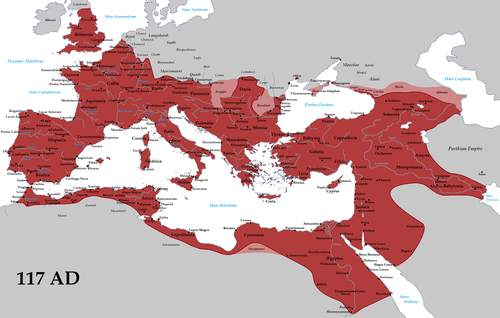


![The oldest known description of a flag of Serbia is from the 1281 description of a flag in the treasury of King Stefan Vladislav (1233-1243), which was kept in the Dubrovnik Republic. The description lists "vexillum unum de zendato rubeo et blavo" - a flag of fabric red and blue (zendato - čenda a type of light, silky fabric).[1] We however don't know how were the colours patterned; horizontal diband shown to the left is sometimes used in commemorations of medieval events in Serbia.[2] As Vladislav ruled from 1233 to 1243 and died after 1264, the flag predates the time of the description, hence making it likely to have been used around the middle XIII century. [1]](https://upload.wikimedia.org/wikipedia/commons/thumb/f/f0/Flag_of_Serbia_%281281%29.svg/500px-Flag_of_Serbia_%281281%29.svg.png)


![Head of the statue of Charles I of Anjou by Arnolfo di Cambio (1240/1245 - 1302/1310) (Capitoline Museums, Rome). <a href="http://loc.alize.us/#/flickr:5642308121" rel="nofollow">See where this picture was taken.</a> <a href="https://www.flickr.com/groups/geotagging/discuss/72157594165549916/">[?]</a>](https://upload.wikimedia.org/wikipedia/commons/thumb/1/12/Some_Old_Guy_2_%285642308121%29_%28cropped%29.jpg/500px-Some_Old_Guy_2_%285642308121%29_%28cropped%29.jpg)


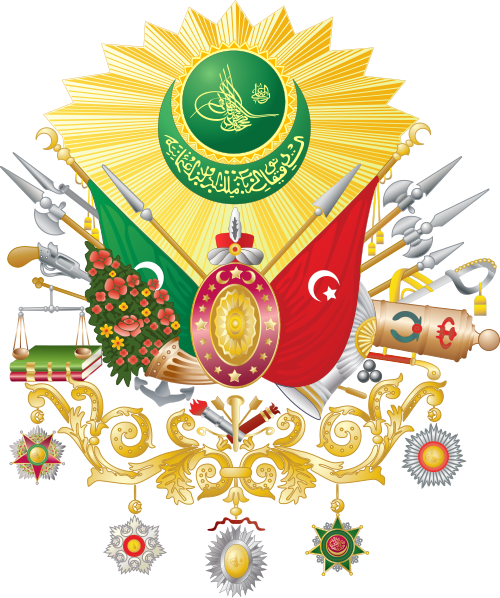


![Flag of the Socialist Federal Republic of Yugoslavia (1946-1992).The design (blazon) is defined in Article 4 of the Constitution for the Republic of Yugoslavia (1946). [1]](https://upload.wikimedia.org/wikipedia/commons/thumb/6/61/Flag_of_Yugoslavia_%281946-1992%29.svg/500px-Flag_of_Yugoslavia_%281946-1992%29.svg.png)